James Avery Pearl Earrings: Material Properties & Care Guide
Explore the material properties of James Avery pearl earrings. Compare sterling silver, gold alloys, and freshwater nacre for lasting wear.

The Anatomy of James Avery Pearl Earrings: Metal Alloys
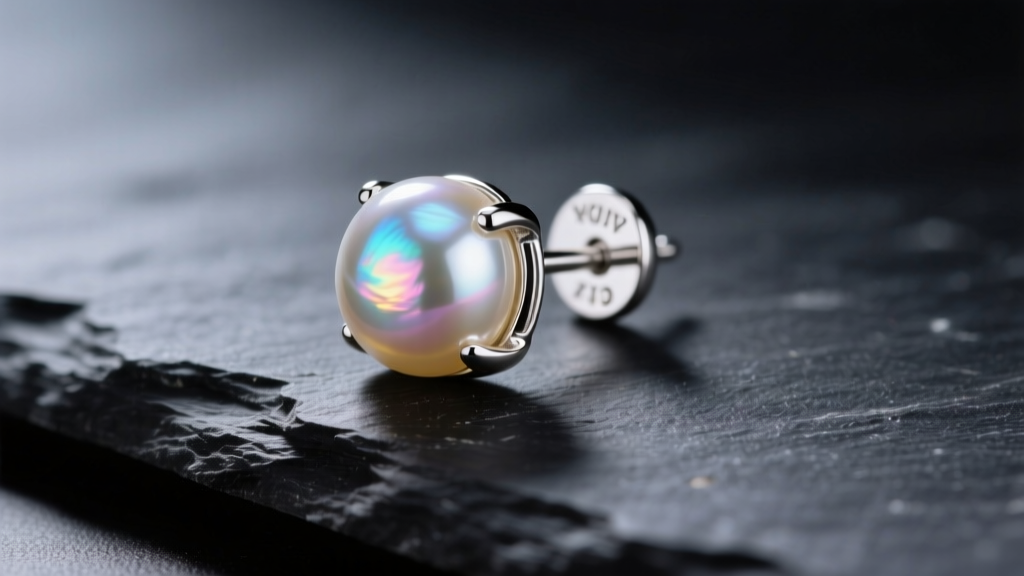
When evaluating James Avery pearl earrings, the conversation often begins with the brand's iconic charm designs, but the metallurgical foundation of their pearl settings is equally critical to the jewelry's longevity. James Avery predominantly utilizes two primary metals for their pearl earring settings: Sterling Silver and 14k/18k Gold. Understanding the exact alloy composition is essential for predicting tarnish rates, structural integrity, and skin compatibility.
Sterling Silver (925) and Tarnish Dynamics
James Avery’s sterling silver is stamped "925," indicating an alloy of 92.5% pure silver and 7.5% copper. Pure silver is too malleable for earring posts, which must withstand repeated insertion and the pressure of friction backs without bending permanently. The 7.5% copper provides the necessary tensile strength. However, copper is highly reactive to sulfur compounds present in ambient air, human sweat, and certain cosmetics. This reaction forms silver sulfide, manifesting as black tarnish. As of 2026, while many brands use rhodium plating to mask this, James Avery traditionally leaves their sterling silver unplated to preserve the warm, oxidized patinas in their detailed crevices, requiring more active maintenance from the wearer.
14k vs. 18k Gold Settings
For their premium pearl collections, James Avery employs 14k (58.5% pure gold) and occasionally 18k (75% pure gold) alloys. 14k gold is significantly harder than 18k due to a higher proportion of alloy metals like zinc and copper. This makes 14k gold the superior metallurgical choice for the delicate earring posts and the tension springs inside the butterfly clutches, ensuring the pearl remains securely fastened to the lobe over decades of wear.
Nacre Depth and Pearl Varieties: Freshwater vs. Saltwater
The most defining material characteristic of James Avery pearl earrings is their near-exclusive use of Freshwater Cultured Pearls. While the broader luxury market often champions saltwater Akoya or Tahitian pearls, James Avery’s reliance on freshwater variants is a deliberate choice rooted in structural durability.
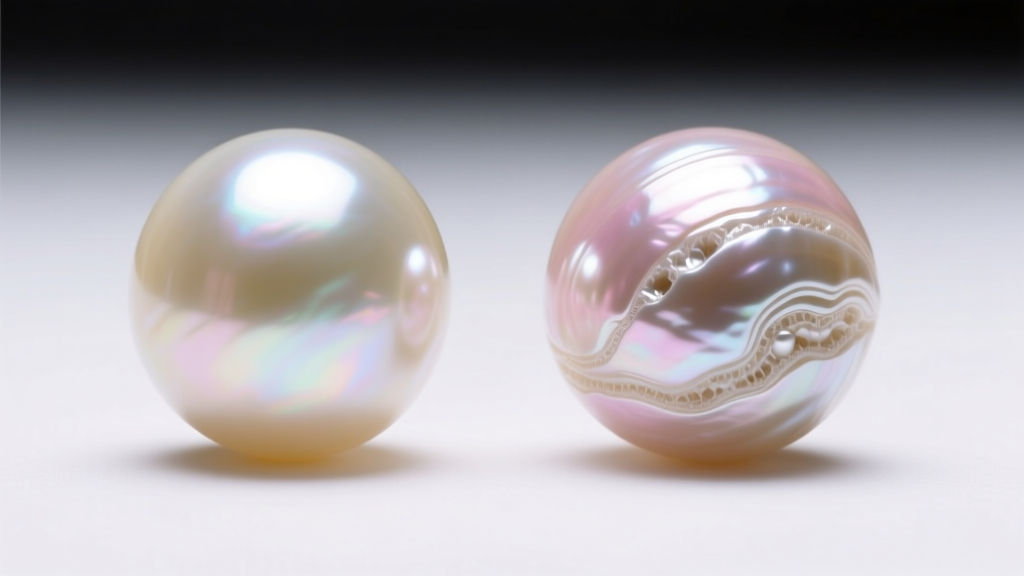
According to the Gemological Institute of America (GIA), the fundamental difference lies in the nucleation process. Saltwater Akoya pearls are bead-nucleated; a round mother-of-pearl bead is inserted into the oyster, and the oyster secretes a nacre coating typically ranging from 0.5mm to 1.5mm thick. If this thin nacre layer chips or wears away, the dull bead beneath is exposed, ruining the pearl.
Conversely, freshwater pearls are tissue-nucleated. A tiny piece of mantle tissue is inserted into the freshwater mussel, which then forms a pearl sac. The resulting pearl is 100% solid nacre all the way through. While freshwater pearls may exhibit slightly less perfectly spherical shapes and a more satiny, subdued luster compared to the mirror-like finish of Akoya pearls, their structural resilience is vastly superior. A solid-nacre freshwater pearl will not peel or chip down to a bead core, making it highly resistant to the mechanical wear and tear of daily earring use.
Material Comparison Matrix
| Pearl Type | Nucleation Method | Nacre Depth | Mohs Hardness | Typical Luster Profile |
|---|---|---|---|---|
| Freshwater (JA Standard) | Tissue | 100% Solid Nacre | 2.5 - 3.0 | Satiny, soft, deep glow |
| Akoya (Saltwater) | Bead | 0.5mm - 1.5mm | 2.5 - 4.0 | Mirror-like, high contrast |
| Tahitian (Saltwater) | Bead | 0.8mm - 2.0mm+ | 2.5 - 4.0 | Metallic, peacock overtones |
Source: Adapted from GIA Pearl Quality Factors.
Durability Metrics: Mohs Hardness and Post Construction
Earrings endure unique mechanical stresses compared to pendants or rings. They are subject to the friction of hair, the pressure of clasps, and accidental impacts. Evaluating the durability of James Avery pearl earrings requires looking at both the gemstone and the hardware.
- Gemstone Hardness: Pearls rank between 2.5 and 4.5 on the Mohs scale. This makes them exceptionally soft compared to diamonds (10) or sapphires (9). The aragonite platelets that create the pearl's nacre can be easily scratched by harder dust particles (which often contain quartz, Mohs 7) in the environment.
- Post Gauge and Thickness: Standard James Avery pearl stud posts are typically manufactured at 20-gauge (0.81mm) or 19-gauge (0.91mm). This thickness is optimal for standard lobe piercings, providing enough rigidity to support the weight of an 8mm freshwater pearl without drooping, while remaining thin enough to pass comfortably through a healed fistula.
- The Post Notch: Inspecting a James Avery earring post reveals a precision-machined groove near the tip. This notch catches the inner wire of the butterfly friction back, creating a mechanical lock that prevents the pearl from sliding off during sleep or physical activity.
Expert Insight: Never attempt to straighten a severely bent sterling silver earring post by bending it back and forth. The 7.5% copper alloy is susceptible to work hardening and metal fatigue; repeated bending will cause the post to snap cleanly at the base of the pearl cup.
Long-Term Material Care and Preservation
Because pearls are organic gemstones composed of calcium carbonate and conchiolin (an organic protein binder), they are highly porous and sensitive to acidic environments. Human skin has a natural pH ranging from 4.5 to 6.0, which is slightly acidic. Over years of continuous wear without cleaning, this mild acidity can slowly dissolve the outermost layers of the pearl's nacre, leading to a permanent loss of luster.
The "Last On, First Off" Protocol
To protect the conchiolin matrix within the pearl, you must adhere to a strict chemical barrier protocol. Aerosol hairsprays, alcohol-based perfumes, and liquid foundations contain solvents that can penetrate the pearl's microscopic pores, causing the nacre to yellow and the stringing adhesive (if applicable) to degrade.
- Application: Apply all cosmetics, perfumes, and hairsprays at least 10 minutes before putting on your James Avery pearl earrings.
- Removal: Remove the earrings immediately upon returning home, before changing clothes or applying nighttime skincare products containing active acids (like AHAs or retinoids).
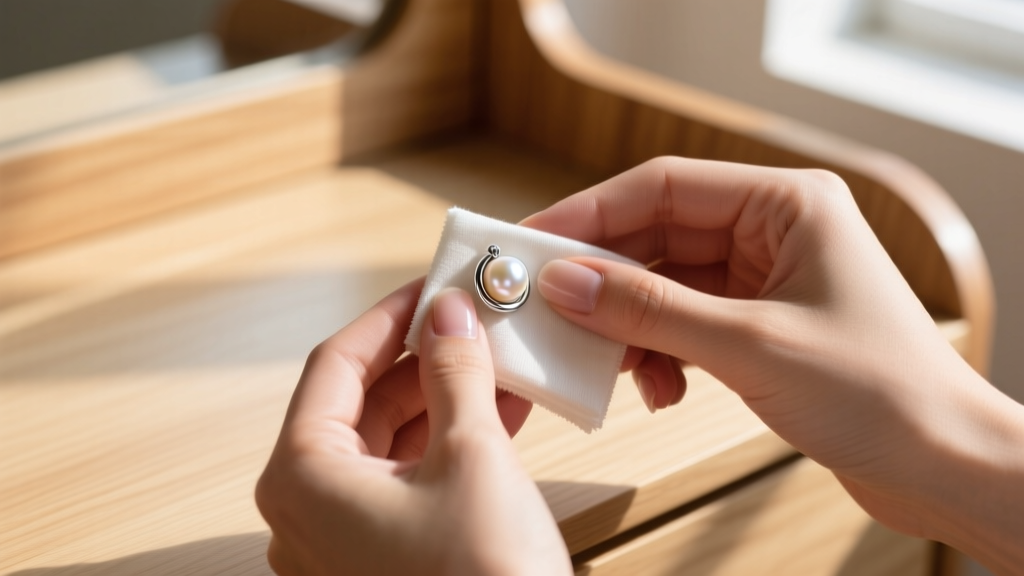
- Wiping: Use a clean, dry, lint-free microfiber cloth to gently wipe the pearls after every wear. This removes the acidic sebum and sweat before it can etch the calcium carbonate.
- Storage: Store the earrings in a soft pouch separate from harder gemstones. Do not store pearls in airtight plastic bags or safety deposit boxes for long periods; pearls require trace amounts of ambient humidity to prevent the conchiolin from drying out and cracking.
For deeper cleaning, the James Avery Official Care Guide recommends using only a damp cloth with water. Never use ultrasonic cleaners, steam cleaners, or commercial silver dips on pearl earrings. The high-frequency vibrations of an ultrasonic cleaner will shatter the internal crystalline structure of the pearl, and the harsh thiourea chemicals in silver dips will permanently strip the nacre's orient.
Final Verdict on Material Value
When purchasing James Avery pearl earrings, you are investing in the structural superiority of solid-nacre freshwater pearls set in meticulously gauged, durable alloys. While they may lack the razor-sharp, mirror-like reflection of high-end saltwater Akoya pearls, their 100% nacre composition ensures they will not peel, chip, or degrade to a bead core over a lifetime of wear. By respecting the material properties of both the 925 sterling silver and the organic calcium carbonate of the pearl, collectors and daily wearers can preserve these pieces for generations.


