Jhumkas Earrings Price Guide 2026: Budget vs. Fine Value
Discover how to assess jhumkas earrings value in 2026. Compare budget, mid-tier, and fine jewelry pricing, materials, and weight limits for smart buying.

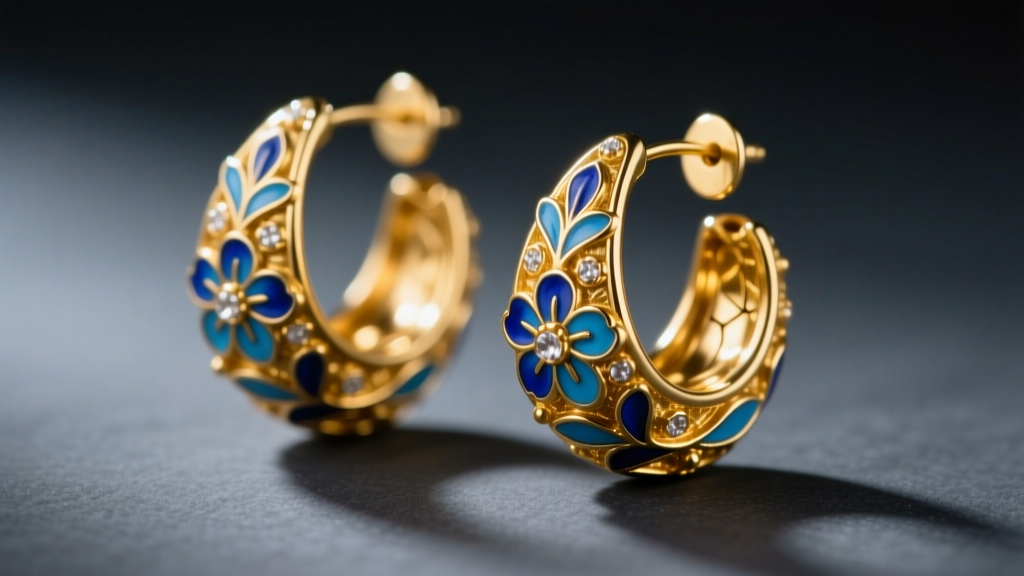
The iconic silhouette of jhumkas earrings—characterized by their bell-shaped domes and intricate hanging charms—has transcended South Asian heritage to become a global jewelry staple. However, as their popularity surges in 2026, the market has become saturated with options ranging from $15 fast-fashion pieces to $5,000 heirloom investments. For the discerning buyer, understanding the true value of jhumkas requires looking far beyond the aesthetic. It demands a critical assessment of metallurgy, structural ergonomics, and artisanal craftsmanship.
Whether you are shopping for everyday sterling silver pairs or investing in solid 22k gold bridal sets, this comprehensive budget and value assessment will help you navigate the pricing tiers, avoid overpriced fashion traps, and make informed purchasing decisions that protect both your wallet and your earlobes.
The Anatomy of Value: What You Are Actually Paying For
Before assessing price, it is crucial to understand the structural components that dictate the cost of jhumkas earrings. A traditional jhumka consists of the katori (the central dome or bowl), the stem (the post or hook that secures it to the ear), and the jhumki (the hanging bell or charm element). In high-end pieces, these components are cast or hand-fabricated separately and then meticulously soldered together. In budget pieces, they are often stamped from thin sheets of alloy or cast as a single, hollow unit with visible seams.
Base Metals vs. Precious Alloys
The foundation of your jhumkas determines their longevity, skin compatibility, and baseline price. Budget jhumkas typically utilize brass, copper, or zinc alloys. While these metals are cheap to cast, they are highly reactive. When the ultra-thin gold or silver flash-plating wears off (often within weeks of daily wear), the exposed base metal reacts with sweat and oils, leading to rapid tarnishing and potential contact dermatitis.
Mid-tier value is found in 925 sterling silver bases. Silver offers excellent structural integrity and is inherently hypoallergenic. When plated with a thick layer of gold (vermeil), sterling silver jhumkas offer the look of fine jewelry at a fraction of the cost. Fine jewelry jhumkas are forged from solid 14k, 18k, or 22k gold. According to the Victoria and Albert Museum's jewelry archives, 22k gold has historically been the standard for traditional Indian jhumkas due to its rich, buttery color and cultural significance, though its softer nature requires specific engineering to prevent bending.
2026 Market Pricing Tiers for Jhumkas Earrings
To accurately assess value, we must map current market pricing against material quality and manufacturing techniques. The table below outlines the three primary tiers you will encounter when shopping for jhumkas earrings this year.
| Tier | Price Range (USD) | Base Material | Plating / Finish | Expected Weight | Longevity |
|---|---|---|---|---|---|
| Budget / Fashion | $15 - $45 | Brass, Zinc Alloy | Flash plated (<0.5 microns) | 5g - 12g | 3 - 6 months |
| Mid-Tier / Demi-Fine | $60 - $180 | 925 Sterling Silver | Gold Vermeil (2.5+ microns) | 10g - 25g | 2 - 5 years |
| Fine / Heirloom | $300 - $3,000+ | Solid 14k, 18k, 22k Gold | Solid Metal / High Karat | 15g - 45g+ | Lifetime |
When evaluating mid-tier options, always verify the plating thickness. True gold vermeil requires a minimum of 2.5 microns of gold over a sterling silver base. Anything less is considered standard gold plating and will not withstand the friction and environmental exposure that jhumkas endure.
The Weight Factor: Hidden Costs and Ergonomics
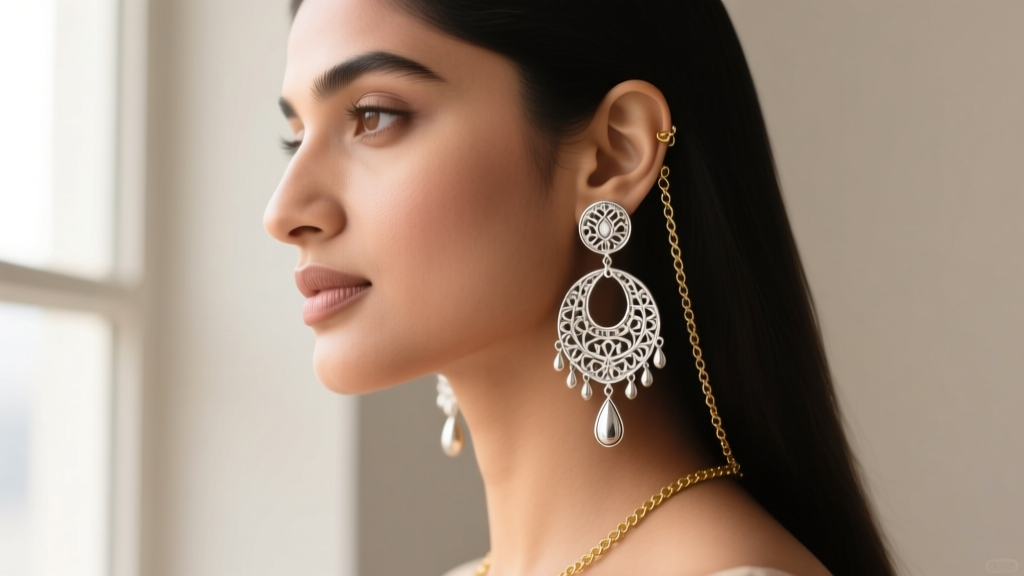
One of the most overlooked aspects of jhumkas earrings value is weight distribution. Because of their pendulum-like design, jhumkas exert a disproportionate amount of downward and kinetic force on the earlobe compared to standard studs or hoops. A typical stud weighs 1 to 2 grams. A standard pair of demi-fine jhumkas can easily weigh 15 to 20 grams per earring, while elaborate bridal sets can exceed 40 grams each.
Structural Integrity and Earlobe Health
Heavy jhumkas require specialized hardware. Standard 20-gauge (0.8mm) push-back posts will bend or snap under the dynamic weight of a swinging jhumka dome. High-value jhumkas utilize thicker 18-gauge (1.0mm) or 16-gauge (1.2mm) posts, often paired with secure screw-backs or heavy-duty friction clutches. Furthermore, wearing unsupported heavy jhumkas can lead to earlobe ptosis (sagging) or catastrophic tearing.
To mitigate this, premium jhumkas often include or are designed to be paired with a sahara—a delicate support chain that connects the earring stem to a secondary anchor point, such as a hair comb or a secondary cartilage piercing. When assessing a $150+ pair of heavy jhumkas, the inclusion of a well-engineered, adjustable sahara chain is a significant value-add that cheaper brands omit to cut costs.
Craftsmanship Markers: Handmade vs. Mass-Produced
The true value of fine jhumkas lies in the artisanal techniques used to decorate the metal. Mass-produced fashion jhumkas rely on machine stamping and epoxy glues to mimic traditional aesthetics. Genuine craftsmanship commands a premium, but it also ensures the piece retains its structural and aesthetic integrity over decades.
- Meenakari (Enameling): Authentic meenakari involves fusing colored glass powder to the metal at high temperatures. Budget pieces merely paint cold enamel into stamped grooves. Hand-painted, kiln-fired meenakari will exhibit a glass-like luster and will not chip or peel with normal wear.
- Kundan vs. Polki Settings: As detailed by the Gemological Institute of America (GIA) Gem Encyclopedia, traditional Kundan setting uses highly refined 24k gold foil to secure gemstones or glass at room temperature, without prongs or soldering. Polki refers specifically to uncut, raw diamonds. Mass-market jhumkas frequently misuse these terms to sell rhinestones glued into brass settings. True Kundan/Polki work requires immense skill and drastically increases the price point.
- Acoustic Quality: The word 'jhumka' is derived from the 'jhum' sound the charms make when they strike the central dome. In handcrafted pieces, the thickness of the metal and the precise spacing of the charms create a resonant, pleasant chime. Cheap, thin-stamped alloy jhumkas produce a dull, tinny clatter.
How to Spot Overpriced Fashion Jhumkas
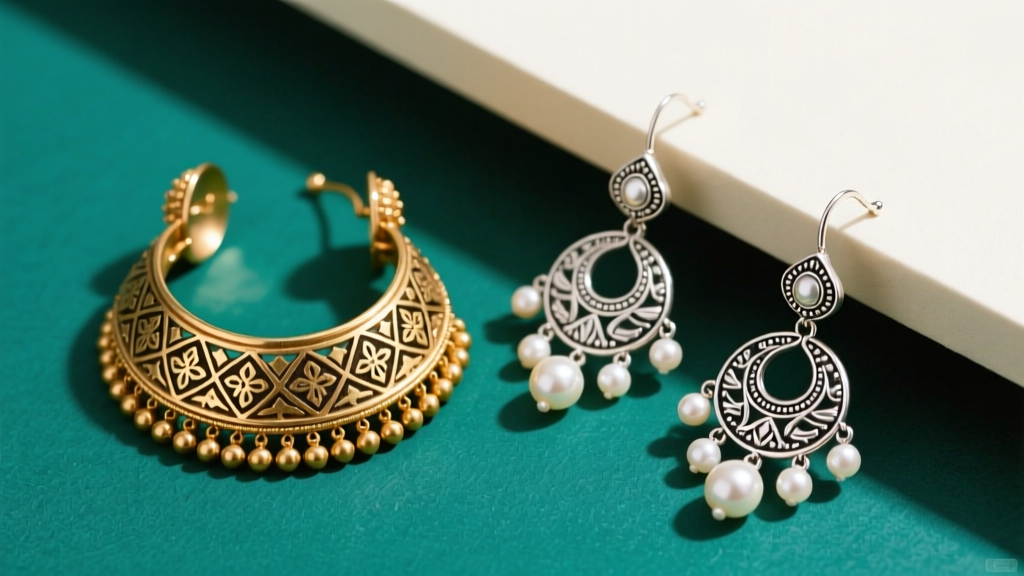
Not all expensive jhumkas offer good value. The 'demi-fine' market is currently flooded with overpriced fashion pieces that leverage aggressive marketing rather than material quality. Here are the red flags to watch for when conducting your value assessment:
The 'Gold-Filled' Illusion: While gold-filled wire is excellent for simple hoops, it is nearly impossible to use for the complex, three-dimensional casting required for a jhumka dome. If a brand claims their intricate cast jhumkas are 'gold-filled,' they are likely misusing the term to describe heavy gold plating over brass.
Antique Finish as a Cover-Up: Many budget brands apply a dark 'antique' or 'oxidized' finish to their jhumkas. While this can look beautiful, it is frequently used to hide poor casting seams, porous metal surfaces, and sloppy stone settings that would be glaringly obvious on a high-polish piece.
Hollow Domes with Excessive Markup: Some mid-tier brands cast the katori (dome) as a thin, hollow shell to save on silver weight, yet price the earrings as if they were solid. While hollow domes are lighter and more comfortable, they are highly susceptible to denting if dropped, and the price should reflect the lower material cost.
Final Verdict: Maximizing Your Jhumka Investment
Evaluating the budget and value of jhumkas earrings in 2026 requires a shift in perspective. If you are buying for a single event or seasonal trend, a $30 brass-alloy pair with cold-enamel detailing is perfectly adequate. However, if you are seeking a versatile, long-term addition to your jewelry wardrobe, the mid-tier $80 to $150 range offers the highest return on investment. By targeting 925 sterling silver bases with 2.5-micron gold vermeil, secure 18-gauge posts, and genuine mechanical stone settings, you secure a piece that balances heritage aesthetics with modern durability. Always prioritize structural ergonomics and material transparency over brand hype, ensuring your jhumkas remain as comfortable as they are captivating.


