Silver Ball Drop Earrings: A Beginner's Style and Care Guide
Discover everything about silver ball drop earrings. Learn how to choose 925 sterling, match face shapes, and prevent tarnish in this beginner guide.

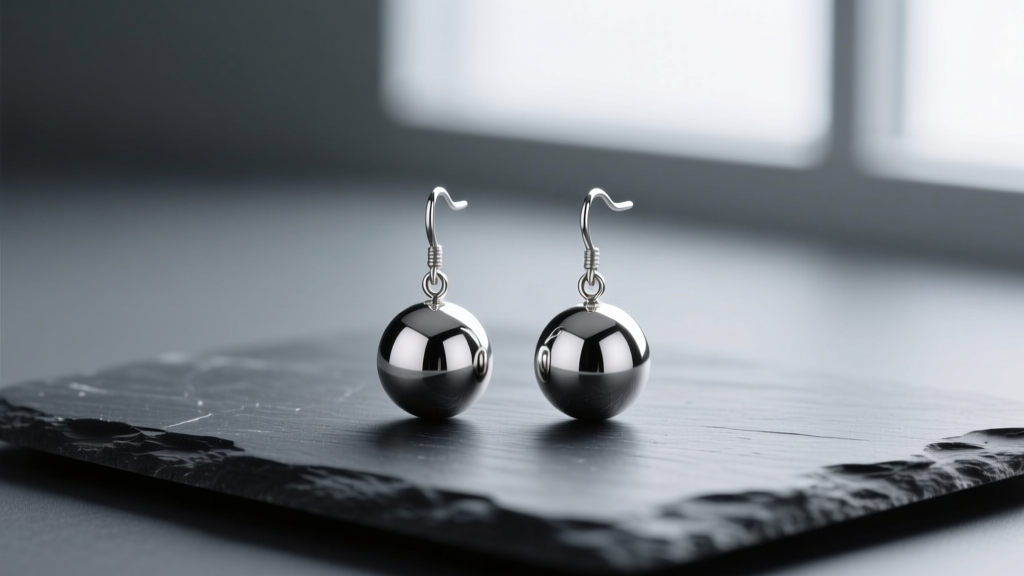
When building a foundational jewelry wardrobe, few pieces offer the versatility and timeless elegance of silver ball drop earrings. Unlike static studs or swinging hoops, drop earrings feature a distinct focal point that dangles just below the earlobe, creating a subtle pendulum effect that catches the light and frames the face. For beginners, navigating the world of silver jewelry can feel overwhelming due to varying metal grades, gauge sizes, and care requirements. This comprehensive guide breaks down the anatomy, metallurgy, and styling principles of silver ball drop earrings so you can invest in pieces that last a lifetime.
Decoding the Anatomy of a Drop Earring
To understand what makes a high-quality drop earring, we must look beyond the surface aesthetics and examine the structural engineering. A poorly constructed drop earring will not only tarnish quickly but can also cause physical discomfort or damage to your piercing.
The Sphere and Weight Distribution
The "ball" component typically ranges from 3mm (a subtle, everyday size) to 10mm (a bold statement piece). However, solid silver is dense. A 10mm solid 925 sterling silver sphere weighs approximately 6 grams. If this weight is suspended on a thin wire, the pendulum effect can stretch a fresh or delicate earlobe piercing over time. Beginners should look for hollow-core silver balls or sizes under 6mm for all-day comfort.
The Post and Gauge Sizing
The post is the wire that passes through your ear. The standard gauge for lobe piercings is 20-gauge (0.81mm) or 18-gauge (1.0mm). Avoid 22-gauge (0.64mm) posts for drop earrings; the wire is too thin to support the kinetic movement of the drop mechanism and is prone to bending or snapping. Always verify the post thickness before purchasing.
Sterling Silver vs. Plated: A Metallurgy Breakdown
Not all "silver" jewelry is created equal. Understanding the chemical composition of your earrings is critical for avoiding allergic reactions and managing tarnish. According to the Gemological Institute of America (GIA), pure silver (99.9%) is too soft for jewelry, which is why it is alloyed with other metals.
| Material Grade | Composition | Tarnish Resistance | Average Price Range |
|---|---|---|---|
| 925 Sterling Silver | 92.5% Silver, 7.5% Copper | Moderate (Copper reacts with sulfur) | $25 - $60 |
| Argentium Silver | 93.5%+ Silver, Germanium | High (Germanium blocks oxidation) | $50 - $120 |
| Silver-Plated | Brass/Copper core, thin silver coat | Low (Wears off, exposes base metal) | $10 - $25 |
For beginners, 925 Sterling Silver is the gold standard for entry-level fine jewelry. However, if you live in a humid climate or have a high skin pH that accelerates oxidation, investing in Argentium Silver is a game-changer. The addition of germanium creates a transparent oxide layer that drastically slows down the formation of silver sulfide (the black tarnish).
Proportion and Face Shape Matching
Silver ball drop earrings are uniquely suited to alter the visual proportions of your face. The key is to contrast your natural face shape rather than mimic it.
- Round Faces: Opt for elongated drop chains (30mm to 50mm) terminating in small 4mm balls. This draws the eye vertically, creating an illusion of length.
- Square Faces: Choose shorter drops (15mm to 20mm) with larger, 8mm spherical balls. The rounded geometry softens strong jawlines and angular features.
- Oval Faces: You have the most versatility. Both short, heavy ball drops and long, delicate chain drops will complement your natural symmetry.
- Heart-Shaped Faces: Look for bottom-heavy designs, such as a thin chain dropping into a clustered arrangement of small silver spheres, to add visual weight to the lower half of the face.
Step-by-Step Care and Tarnish Prevention
Tarnish is not a sign of fake silver; it is a natural chemical reaction between the copper alloy in sterling silver and hydrogen sulfide in the air. Proper storage and cleaning are non-negotiable for maintaining the brilliant luster of your silver ball drop earrings.
The Storage Protocol
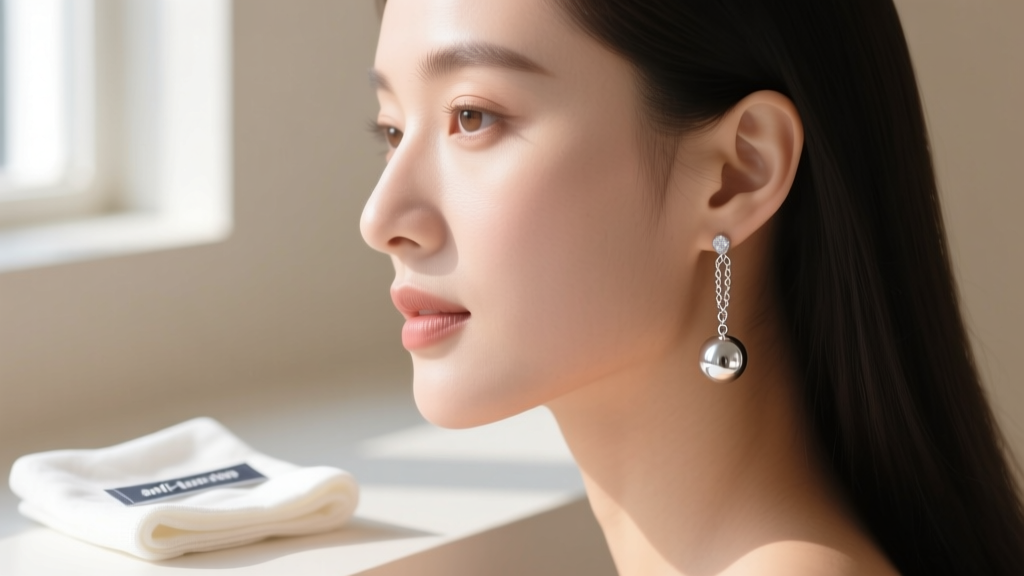
Never leave your silver earrings exposed to open air on a bathroom counter. Humidity and airborne sulfur from household items (like rubber bands or wool clothing) accelerate oxidation. Store your drops in an airtight ziplock bag alongside a 3M anti-tarnish strip or a piece of ordinary chalk, which absorbs ambient moisture.
Safe Cleaning Techniques
When your earrings inevitably lose their shine, avoid abrasive home remedies. Toothpaste and baking soda contain micro-abrasives that will scratch the high-polish finish of the silver ball, leaving it dull and more susceptible to future tarnishing. Instead, use a treated jeweler's cloth (like a Sunshine Cloth) to gently buff the sphere and the drop chain. For intricate chain links where the cloth cannot reach, a mild bath in warm water and phosphate-free dish soap, followed by a thorough pat-dry with a microfiber towel, is the safest method recommended by Jewelers Mutual.
Pro-Tip: Always put your silver ball drop earrings on after applying hairspray, perfumes, and lotions. The alcohols and essential oils in cosmetics can leave a cloudy film on the silver sphere that is difficult to polish out of the drop chain's crevices.
Final Thoughts for the Beginner
Silver ball drop earrings bridge the gap between casual everyday wear and elegant evening styling. By prioritizing 925 sterling or Argentium silver, selecting the correct 20-gauge post for structural integrity, and matching the drop length to your facial proportions, you will secure a staple accessory that defies passing trends. Treat your silver with respect, store it airtight, and it will reward you with a lifetime of brilliant wear.


