Jil Sander Earrings: Material Properties & Luxury Metals
Explore the material properties of Jil Sander earrings. We compare brass, gold vermeil, and sterling silver to help you invest in luxury minimalist metals.

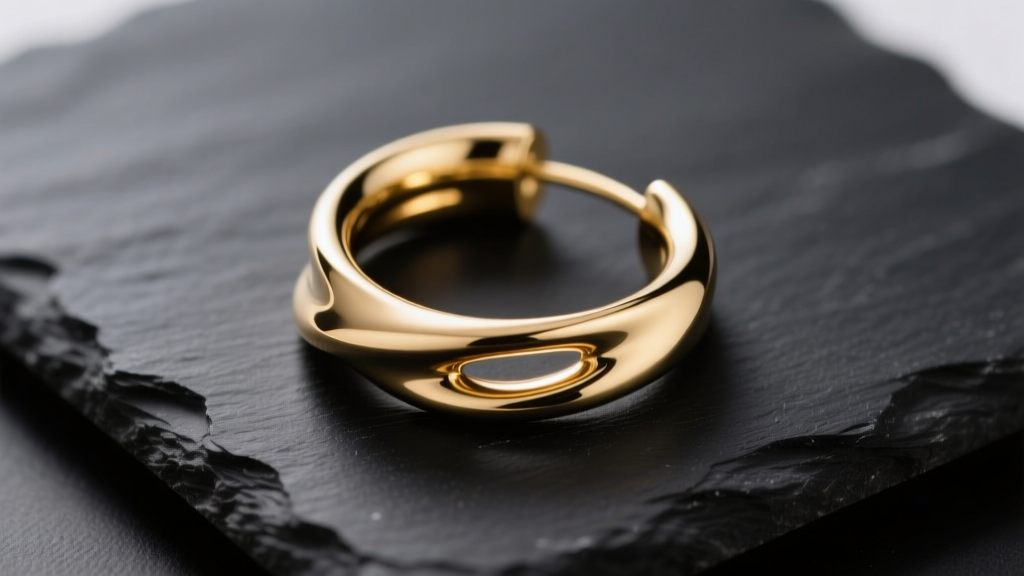
When evaluating high-end minimalist jewelry, the absence of gemstones and elaborate enamel work shifts the entire burden of aesthetic success onto the metal itself. Jil Sander, often referred to as the 'Queen of Clean,' has built a legacy on architectural silhouettes, oversized geometric hoops, and sculptural studs. But beneath the runway prestige lies a complex metallurgical reality. For collectors and everyday wearers navigating the 2026 luxury market, understanding the material properties of Jil Sander earrings is essential for making informed purchasing decisions, managing expectations regarding longevity, and properly caring for designer fashion jewelry.
Unlike fine jewelry houses that primarily cast in solid 18k gold or platinum, luxury fashion houses like Jil Sander frequently utilize advanced base metal alloys and specialized plating techniques to achieve their signature structural designs. This guide deconstructs the exact materials, gauge specifications, and wearability factors of Jil Sander earrings, comparing them directly to traditional fine jewelry alternatives.
The Core Metals Behind Jil Sander Earrings
The foundation of most sculptural designer earrings is not solid precious metal, but rather a highly engineered base alloy. This is a deliberate choice driven by both physics and economics.
Brass Alloys and Structural Integrity
The majority of Jil Sander's gold-tone and silver-tone brass earrings are cast from high-quality jewelry brass, typically a copper-zinc alloy (CuZn). Specifically, luxury manufacturers often use variations of C26000 (cartridge brass) due to its exceptional cold-working properties and ability to take a mirror polish. Brass is chosen for minimalist, architectural pieces because it offers a substantial, premium 'heft' that mimics solid gold, while providing the structural rigidity needed to prevent large, oversized hoops from warping or bending under their own weight.
However, raw brass is highly reactive. It oxidizes rapidly when exposed to the sulfur and moisture in human skin, leading to the dreaded 'green ear' effect. To prevent this, the brass core must be hermetically sealed.
Plating Technologies: Galvanic vs. PVD
Historically, fashion jewelry relied on flash plating (less than 0.5 microns of gold), which wore off in weeks. Today, Jil Sander and its manufacturing partners utilize heavy galvanic electroplating or, increasingly in 2026, Physical Vapor Deposition (PVD). PVD coatings, often utilizing titanium nitride as a base layer before the gold-tone finish, offer a surface hardness that is significantly more scratch-resistant than traditional electroplated gold. According to the Federal Trade Commission's Jewelry Guides, for a piece to be legally marketed as 'gold plated' in the US, it must have a minimum thickness of 0.5 microns, but luxury houses frequently push this to 2.0 or 3.0 microns for their hero pieces to ensure longevity.
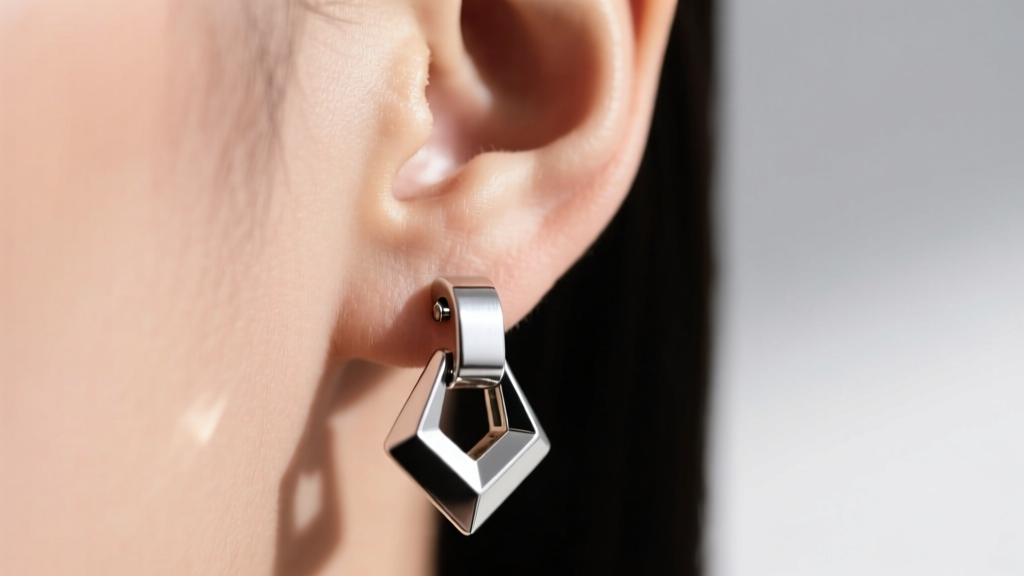
Material Comparison Chart: Designer Fashion vs. Fine Jewelry
To contextualize the value and material reality of Jil Sander earrings, it is helpful to compare their construction against standard fine jewelry and hypoallergenic alternatives. The table below outlines the practical differences you will experience in daily wear.
| Property | Jil Sander (Designer Brass/Plated) | Fine Jewelry (Solid 14k/18k Gold) | Implant-Grade Titanium |
|---|---|---|---|
| Base Material | CuZn Brass or Sterling Silver | Gold alloyed with copper/silver/zinc | ASTM F136 Titanium |
| Surface Finish | PVD or Galvanic Gold/Silver Plating | Solid precious metal throughout | Anodized or mirror polished |
| Tarnish Resistance | Moderate (depends on plating wear) | High (18k) to Moderate (14k) | Exceptional (Zero tarnish) |
| Weight & Drape | Heavy, substantial, architectural | Moderate to Heavy (density dependent) | Extremely lightweight |
| Price Range (2026) | $290 - $850+ | $600 - $2,500+ | $40 - $150 |
Wearability, Gauges, and Skin Reactivity
The intersection of material science and human biology dictates how comfortable an earring will be over an 8-hour wear. Minimalist designs often feature sharp lines and heavy drops, making the engineering of the earring post just as critical as the visible face of the jewelry.
Post Gauge and Earlobe Biomechanics
Standard commercial earrings typically use a 20-gauge (0.81mm) or 18-gauge (1.02mm) post. However, Jil Sander's heavier sculptural drops and thick tubular hoops require enhanced structural support. It is common to find 16-gauge (1.29mm) posts on their larger pieces. This thicker gauge prevents the metal from bending when inserting the earring and distributes the weight of the heavy brass core more evenly across the earlobe piercing, reducing the 'cheese-cutter' effect that can slowly tear a piercing over time.
The Nickel Factor and Contact Dermatitis
For individuals with metal sensitivities, the base alloy is a primary concern. While pure gold and titanium are inert, brass and white gold alloys can sometimes contain trace elements. The European Union's REACH regulation strictly limits nickel migration from jewelry to 0.5 µg/cm²/week. As a global luxury brand, Jil Sander adheres to these strict EU compliance standards, meaning their earrings are generally safe for mild sensitivities. However, the American Academy of Dermatology notes that severe nickel allergies can still be triggered if the protective plating wears down to the base metal over years of friction. If you have a known, severe contact dermatitis condition, sticking to Jil Sander's solid sterling silver options or fine jewelry alternatives is the safest metallurgical choice.
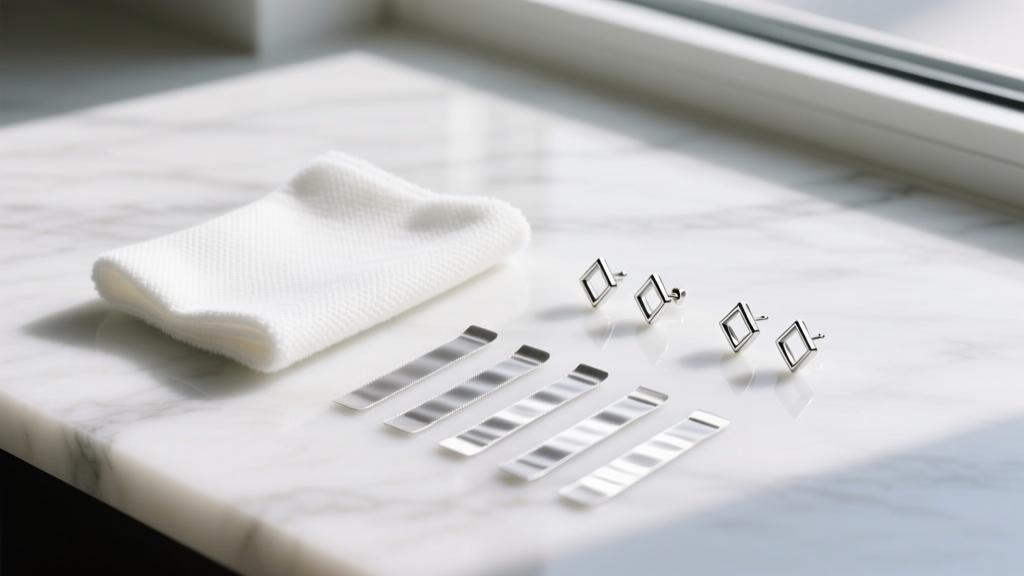
Care Protocols for Plated Designer Earrings
Preserving the mirror finish and structural integrity of luxury plated brass requires a departure from standard jewelry cleaning habits. Ultrasonic cleaners and harsh chemical dips, which are safe for solid gold, will strip PVD and galvanic plating from designer earrings in seconds.
'Minimalism in jewelry is not about the absence of detail, but the perfection of the surface. A micro-scratch on a sculptural brass hoop disrupts the entire geometric intent of the piece.' — Luxury Jewelry Conservator
- pH Awareness: Human sweat has a pH ranging from 4.5 to 7.0. Highly acidic sweat accelerates the microscopic degradation of gold-tone plating. Always wipe Jil Sander earrings with a dry, lint-free microfiber cloth immediately after removal to neutralize acid transfer.
- Friction Polishing: Never use liquid silver polishes or abrasive pastes. Use a dry, untreated jeweler's cloth to gently buff the surface. Abrasives will wear through the 2-micron plating layer, exposing the reactive brass core.
- Atmospheric Storage: Store the earrings in their original flannel pouches or airtight acrylic boxes with 3M anti-tarnish strips. This prevents atmospheric sulfur from reacting with any exposed sterling silver components or microscopic pores in the plating.
- Chemical Avoidance: Apply all perfumes, hairsprays, and lotions before putting on your earrings. The alcohol and volatile organic compounds (VOCs) in cosmetics can degrade the protective clear-coats often applied over fashion jewelry plating.
Final Verdict: Are Designer Metal Alloys Worth the Investment?
When you purchase Jil Sander earrings, you are not paying for the raw melt-value of precious metals. You are investing in the metallurgical engineering of high-grade brass, the precision of luxury PVD plating, and the uncompromising architectural design that defines the brand. From a purely material standpoint, solid 14k gold or implant-grade titanium will outlast plated brass by decades. However, from a design and aesthetic perspective, the substantial weight, flawless geometric casting, and high-fashion prestige of Jil Sander's material execution offer a unique value proposition. By understanding the properties of these luxury alloys and adhering to strict, non-abrasive care protocols, you can preserve the pristine, minimalist finish of these sculptural pieces for years to come.


