Kate Middleton Ruby Earrings: Royal Style Buying Guide
Discover how to source the iconic Kate Middleton ruby earrings aesthetic. Our expert buying guide covers ruby grades, settings, and royal dupes.

The Royal Appeal: Decoding the Aesthetic
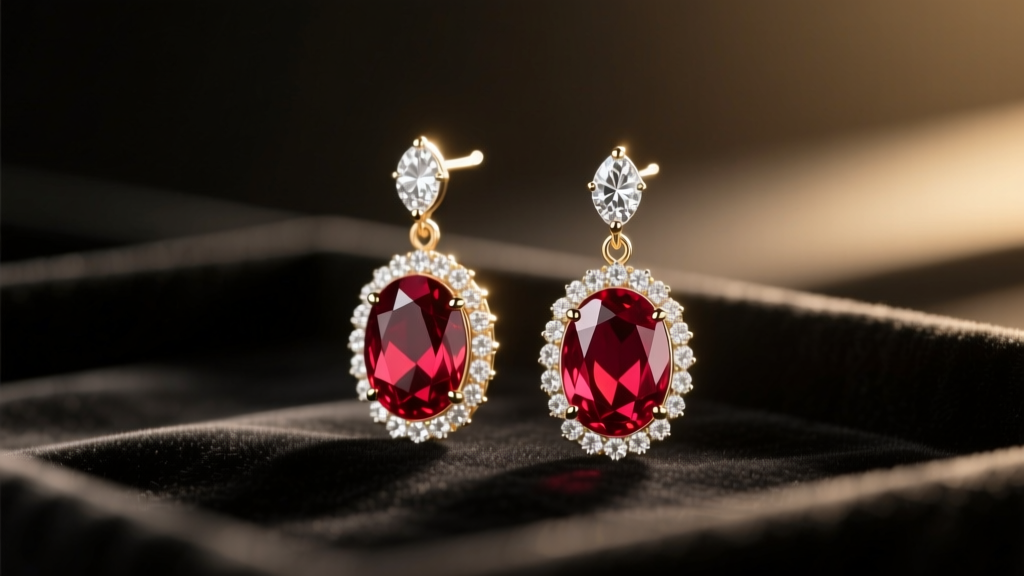
When the Princess of Wales steps out for a state banquet or a high-profile diplomatic reception, jewelry enthusiasts immediately begin searching for her exact accessories. The enduring fascination with kate middleton ruby earrings stems from her masterful ability to blend historic royal heirlooms with contemporary bespoke pieces. Her most iconic ruby drops typically feature a vivid, oval-cut corundum centerpiece, elevated by a brilliant-cut diamond surmount and often framed by a delicate micro-pavé halo.
Replicating this specific royal aesthetic requires more than just finding any red gemstone. It demands a nuanced understanding of gemological grading, precious metal pairings, and structural earring anatomy. Whether you are commissioning a bespoke pair from a master jeweler or hunting for vintage estate pieces, this comprehensive buying guide will help you secure earrings that rival the royal vault in both quality and visual impact.
Anatomy of a Royal Drop Earring
The classic silhouette favored by the Princess of Wales relies on a three-part articulation that allows the earring to catch the light dynamically as the wearer moves. Understanding this structure is vital when evaluating craftsmanship.
- The Surmount (Stud): Typically a round brilliant or pear-shaped diamond (ranging from 0.20ct to 0.50ct) that sits flush on the earlobe. This anchors the piece and provides a bridge of brilliance between the diamond and the ruby.
- The Connector: A delicate, often articulated metal link that allows the drop to swing freely. High-end pieces use platinum or 18k white gold here to ensure the joint does not snap under the weight of the gemstone.
- The Drop (Ruby Centerpiece): An oval or cushion-cut ruby, usually weighing between 1.50 and 3.00 carats per stone, surrounded by a halo of melee diamonds (typically VS clarity, F-G color) to amplify the red saturation.
Gemstone Grading: What Makes a "Royal" Ruby?
Rubies are the red variety of the mineral corundum, scoring a 9 on the Mohs hardness scale, making them exceptionally durable for daily wear. However, not all rubies possess the regal saturation required to mimic the royal look. According to the Gemological Institute of America (GIA), color is the most critical value factor for corundum.
Color: Pigeon Blood vs. Vivid Red
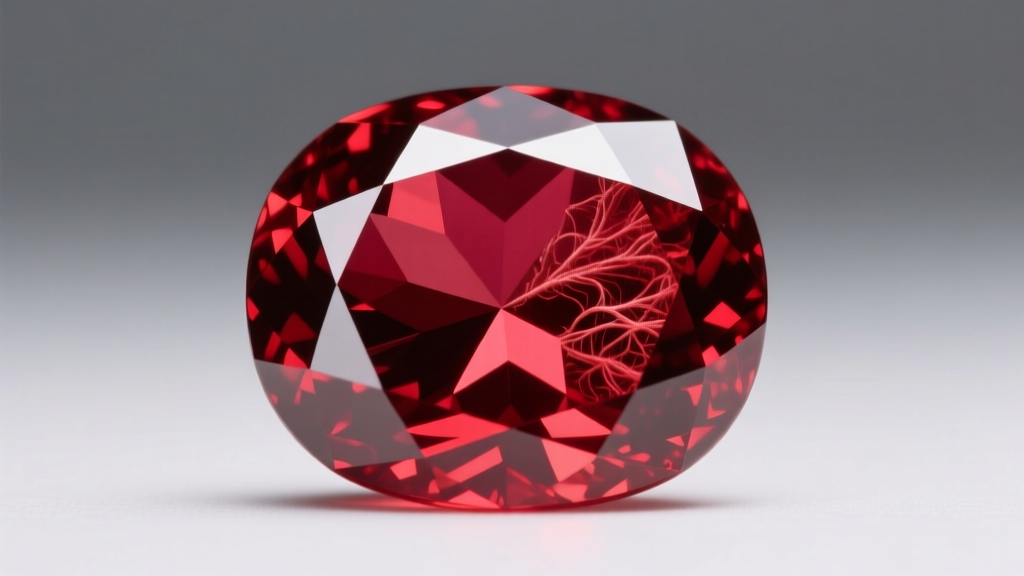
The holy grail of ruby color is traditionally termed "Pigeon's Blood"—a deep, vivid red with a subtle purplish undertone and strong fluorescence. Historically, this color was exclusive to Burmese (Myanmar) mines. Today, top-tier Mozambique rubies frequently achieve the "Vivid Red" grading on laboratory reports, offering the exact saturation seen in royal jewelry but at a more accessible price point. Avoid stones with heavy brownish or orangey modifiers, as these lack the aristocratic depth required for this specific aesthetic.
Clarity and the Acceptance of Silk
The Gemmological Association of Great Britain (Gem-A) classifies rubies as Type II gemstones, meaning they naturally form with visible inclusions. Fine rutile needles, known as "silk," are not only acceptable but desirable, as they scatter light and soften the stone's appearance, giving it a velvety glow. However, buyers must strictly avoid rubies with surface-reaching fractures or heavy black crystal inclusions, which compromise both the structural integrity and the brilliance of the drop.
Origins, Treatments, and Value
The origin and treatment history of a ruby will dictate its price, often swinging the valuation by tens of thousands of dollars. When sourcing kate middleton ruby earrings, you must demand a laboratory report from a reputable institution like GIA, SSEF, or Gübelin.
| Origin | Color Profile | Typical Treatment | Market Premium |
|---|---|---|---|
| Myanmar (Burma) | Pigeon Blood, high UV fluorescence | Unheated or traditional mild heat | Extremely High (Collector Grade) |
| Mozambique | Deep Vivid Red, slightly higher iron content | Traditional heat (widely accepted) | High (Best value for royal look) |
| Madagascar | Pinkish-Red to Vivid Red | Traditional heat | Moderate |
| Thailand/Cambodia | Darker, brownish-red (Garnet-like) | Traditional heat | Low |
Crucial Warning: Never purchase "lead-glass filled" or "composite" rubies for fine jewelry. These are heavily fractured, low-grade stones injected with glass to improve transparency. They are worth a fraction of naturally heated rubies and will degrade if exposed to common jewelry cleaners or even mild acids like lemon juice.
Metals and Settings: Framing the Gem
The metal chosen for the halo and surmount drastically alters the visual temperature of the ruby. Royal jewelers frequently employ a two-tone approach to maximize the stone's natural properties.
Platinum vs. 18k Gold
Platinum is the undisputed king of diamond halos. Its natural white luster and immense tensile strength allow jewelers to use microscopic prongs, maximizing the light return of the melee diamonds without the need for rhodium plating (which eventually wears off white gold). However, setting the actual ruby in an 18k yellow gold inner bezel or basket can reflect warm light back through the pavilion of the stone, intensifying its red saturation. If you are commissioning a bespoke pair, request a platinum halo with an 18k yellow gold ruby basket for the ultimate royal effect.
Prong Architecture
For oval rubies, a six-prong setting is highly recommended over a four-prong setting. The additional prongs secure the elongated girdle of the stone and create a more circular, symmetrical visual profile from a distance, which is essential for the refined look favored by the Princess of Wales.
Sourcing the Look: Where to Buy
While the exact earrings worn by the Princess of Wales are often bespoke commissions or loaned from the royal vault, you can achieve the identical aesthetic through several avenues:
- Bespoke Commission: Work with a master jeweler to source matched pairs of 2.00ct heated Mozambique rubies. Expect to pay between $8,000 and $15,000 for the gemstones, plus $2,500 to $4,500 for the platinum and diamond halo setting.
- Estate and Vintage Markets: Search auction houses for Art Deco or mid-century ruby drops. Vintage pieces often feature the exact hand-forged articulation and old-cut diamond halos that give royal jewelry its distinctive character.
- High-End Designer Alternatives: Brands like Kiki McDonough (a known favorite of the Princess) frequently release oval ruby and diamond drop collections that capture this exact regal silhouette, typically pricing between $4,000 and $7,000.
Final Buyer's Checklist
Before finalizing your purchase of ruby drop earrings, ensure you have verified the following:
- An independent lab report confirming the rubies are natural corundum with, at most, traditional heat treatment.
- Matched color saturation and tone between the left and right stones (a notoriously difficult task for oval cuts).
- Secure, articulated leverback or butterfly scroll fittings capable of supporting the weight of a 2+ carat drop without pulling the earlobe.
- A halo setting featuring melee diamonds of at least VS clarity to ensure the white frame remains crisp against the vivid red center.