Kate Spade Black Earrings: Material Analysis & Care Guide
Explore the technical build of Kate Spade black earrings. We analyze base metals, black enamel durability, plating thickness, and expert care tips.

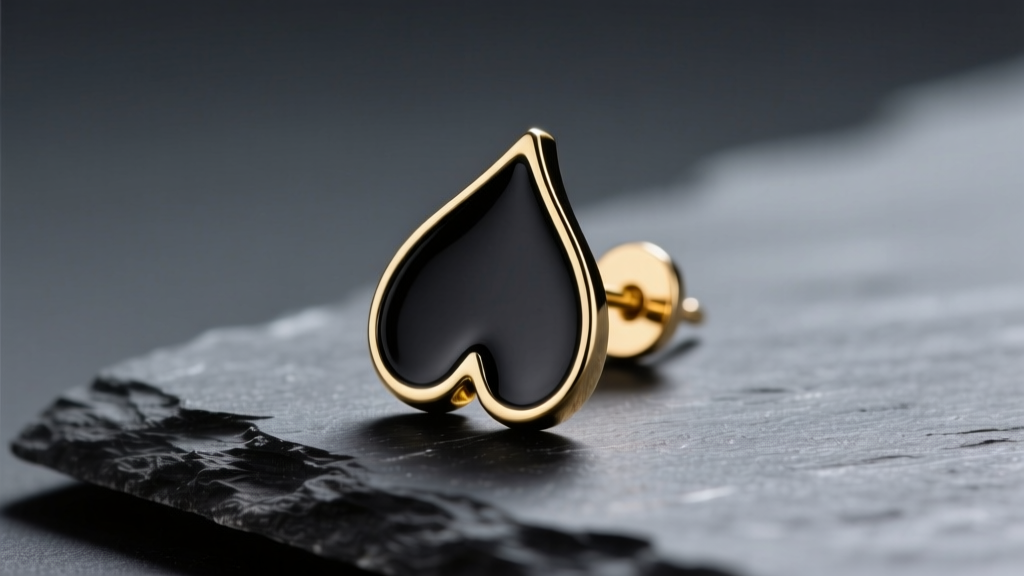
Kate Spade black earrings are a staple in accessible luxury fashion jewelry, renowned for their playful motifs, sleek silhouettes, and versatile color palettes. However, beneath the polished aesthetic lies a specific technical architecture typical of high-end fashion jewelry. For collectors and daily wearers alike, understanding the material science behind these pieces—specifically the base alloys, plating thickness, and enamel applications—is crucial for maximizing their lifespan and preventing skin irritation.
In this expert deep dive, we deconstruct the manufacturing realities of Kate Spade's black earring collections, analyzing everything from post gauges to the chemical composition of their signature black finishes.
The Anatomy of Fashion Jewelry: Base Metals and Alloys
Unlike fine jewelry, which relies on solid 14k or 18k gold, platinum, or sterling silver, Kate Spade earrings are classified as fashion jewelry. The structural core of these pieces is typically a brass alloy (a mixture of copper and zinc) or a zinc-based die-cast alloy. These base metals are chosen for their excellent castability, allowing for the intricate, three-dimensional spade, floral, and bow motifs the brand is known for.
While Kate Spade frequently markets their earrings as 'nickel-free' to comply with modern hypoallergenic standards, it is vital to understand the distinction between 'nickel-free' and 'hypoallergenic.' Brass contains copper, which can oxidize when exposed to the natural acids and salts in human sweat. If the protective topcoat wears thin, the copper can react with skin pH (which typically ranges from 4.5 to 5.5), resulting in a harmless but unsightly greenish discoloration on the earlobe. According to the Federal Trade Commission (FTC) Jewelry Guides, manufacturers must accurately disclose metal compositions, but the term 'hypoallergenic' itself lacks a strict medical definition in jewelry manufacturing.
The Science of Black Finishes: Enamel vs. Onyx vs. Glass
The striking black elements in Kate Spade earrings are achieved through one of three primary materials: cold enamel, black glass, or dyed agate. Genuine black onyx is rarely used in standard fashion jewelry lines due to cost and weight constraints.
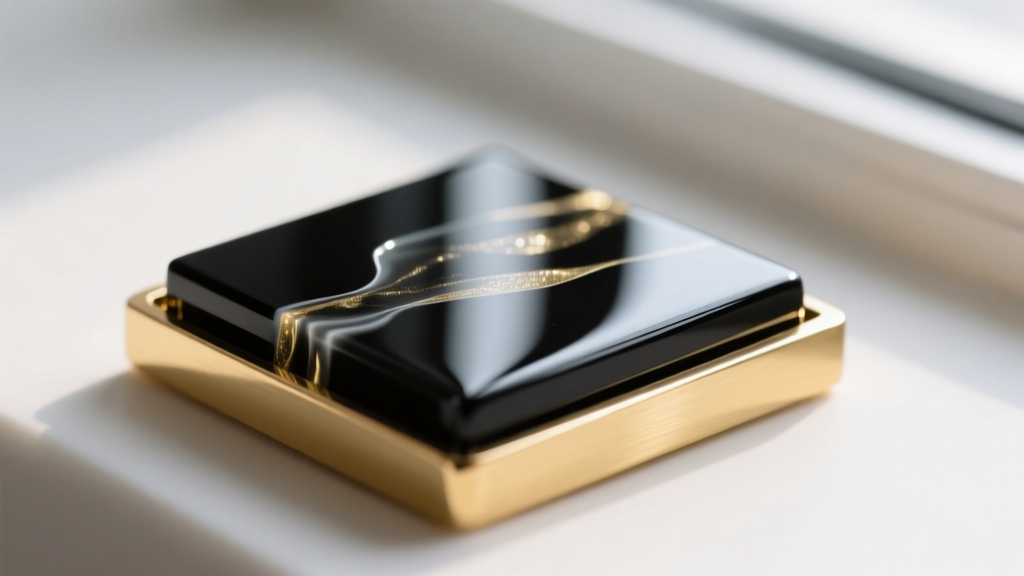
Cold Enamel (Epoxy Resin)
Most of the opaque black fills seen in Kate Spade stud and drop earrings are not traditional vitreous enamel (which requires firing crushed glass in a kiln at over 1,400°F). Instead, they utilize 'cold enamel,' which is technically a two-part epoxy resin mixed with black pigment. This resin is poured into the metal bezels and cured at low temperatures. While cold enamel provides a brilliant, glass-like shine and deep black saturation, it is softer than vitreous enamel and highly susceptible to scratching and chemical degradation from perfumes and cosmetics.
Black Glass and Dyed Agate
For faceted or cabochon black stones, the brand often employs black glass or dyed chalcedony (agate). The Gemological Institute of America (GIA) notes that genuine black onyx is a specific variety of chalcedony, but the commercial jewelry market frequently uses dyed agates or glass as cost-effective simulants. You can differentiate glass from stone through thermal conductivity; glass will feel warm to the touch much faster than genuine stone or crystal.
Plating Thickness and E-Coat Technology
The gold-tone or silver-tone metal surrounding the black inlays is achieved through electroplating. Fashion jewelry typically utilizes 'flash plating,' where a microscopic layer of gold or rhodium is applied over the brass base. To prevent rapid tarnishing, modern fashion jewelry relies heavily on e-coating (electrophoretic deposition).
| Feature | Kate Spade Fashion Plating | Traditional Fine Jewelry |
|---|---|---|
| Base Metal | Brass or Zinc Alloy | Solid Gold, Platinum, or Sterling Silver |
| Plating Thickness | Flash Plate (0.1 - 0.3 microns) | Heavy Gold Electroplate (2.5+ microns) or Solid |
| Tarnish Protection | E-Coat (Clear Electrophoretic Lacquer) | None required (inherent metal properties) |
| Expected Lifespan | 1 to 3 years with daily wear | Generational / Lifetime |
The e-coat acts as a microscopic shield, sealing the porous flash plating away from oxygen and sulfur in the air. However, friction from hair, clothing, and handling will eventually wear through this lacquer layer, exposing the brass to oxidation.
Hardware Specifications: Posts and Clutches
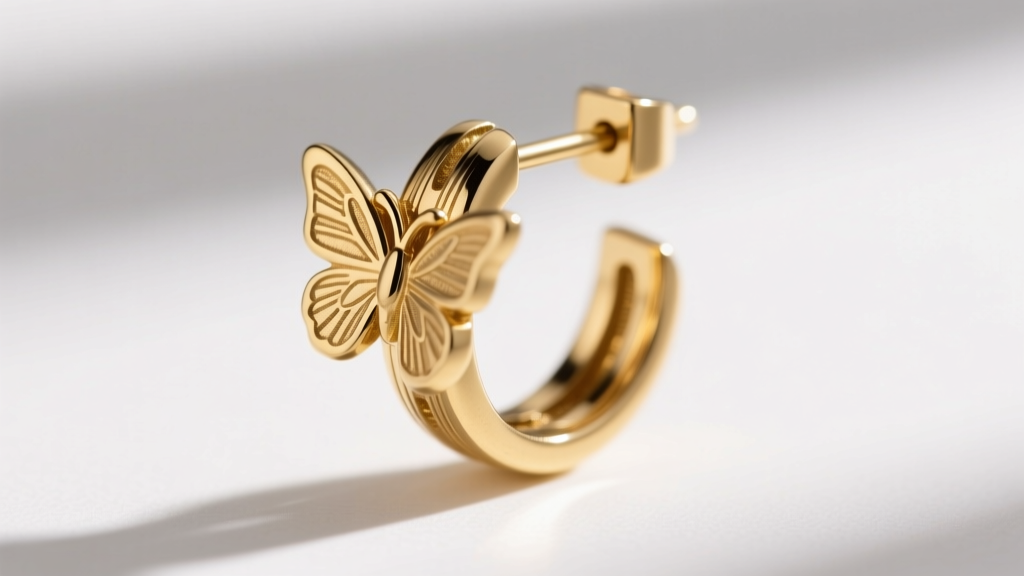
The hardware on Kate Spade earrings is standardized for mass production and general consumer comfort. The posts are typically 20-gauge (0.81mm)21-gauge (0.72mm)
The standard 'butterfly' clutch backs are usually made from the same plated brass. A common failure mode in fashion jewelry is the degradation of the clutch's internal tension springs, leading to lost earrings. Furthermore, the grooved texture of the post can trap dead skin cells and sebum, which accelerates the breakdown of the post's plating. Expert Tip: Discard the original brass clutches and replace them with medical-grade silicone O-rings or flat-back titanium friction discs. This eliminates metal-to-skin contact behind the ear, drastically reducing the risk of contact dermatitis.
Expert Maintenance Protocol for Black Finishes
Preserving the integrity of black epoxy resin and flash-plated brass requires a departure from traditional jewelry cleaning methods. Follow this strict maintenance protocol to extend the life of your earrings:
- Avoid Ultrasonic Cleaners: Never place cold enamel or e-coated jewelry in an ultrasonic cleaner. The high-frequency cavitation bubbles will shatter the epoxy resin and strip the protective e-coat, leaving the brass vulnerable to immediate tarnishing.
- Chemical Isolation: Apply hairspray, perfume, and skincare products at least 10 minutes before putting on your earrings. The alcohol and volatile organic compounds (VOCs) in cosmetics will dissolve the surface gloss of cold enamel over time.
- Microfiber Polishing: After each wear, gently wipe the metal and black inlays with a clean, dry microfiber cloth. This removes acidic sweat and sebum before they can etch into the e-coat.
- Desiccant Storage: Store the earrings in an airtight, anti-tarnish ziplock bag with a small packet of silica gel. Controlling the ambient humidity is the single most effective way to prevent the underlying brass from oxidizing and 'bleeding' through microscopic pores in the plating.
Final Verdict on Material Longevity
Kate Spade black earrings offer exceptional design and trend-forward aesthetics at an accessible price point, but they require mindful maintenance. By understanding the technical limitations of flash plating and cold enamel, wearers can adjust their care routines to preserve the striking contrast between the black inlays and the metallic bezels. Treat them as delicate, wearable art rather than indestructible daily drivers, and their structural and visual integrity will remain intact for years.


