Kate Spade Gold Earrings: Material Properties & Comparison
Explore the material properties of Kate Spade gold earrings. Compare plating thickness, base metals, and durability against solid gold.

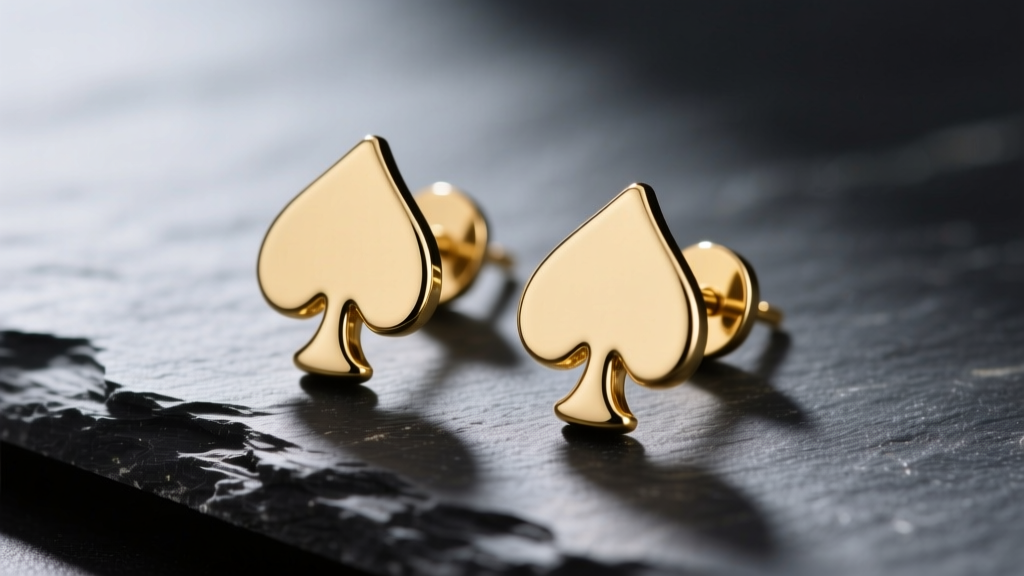
When investing in designer fashion jewelry, understanding the metallurgy beneath the surface is just as important as the aesthetic appeal. Kate Spade gold earrings are celebrated for their playful motifs, elegant huggies, and versatile drop designs. However, as a prominent fashion jewelry brand, Kate Spade primarily utilizes gold-plated and gold vermeil constructions rather than solid gold. As of 2026, with advancements in both electroplating and PVD (Physical Vapor Deposition) technologies, the durability of these pieces has improved, but they still require specific care and realistic expectations regarding their lifespan.
This comprehensive material guide deconstructs the exact properties of Kate Spade gold earrings, comparing their base metals, plating thicknesses, and failure modes against fine jewelry alternatives. Whether you are looking at 20-gauge stud posts or 18-gauge huggie hoops, knowing what you are wearing against your skin is critical for both longevity and hypoallergenic safety.
The Anatomy of Kate Spade Gold Earrings
To understand how these earrings wear over time, we must first examine their core construction. Fashion jewelry relies on a base metal that provides structural integrity and malleability, which is then coated with a microscopic layer of gold.
Base Metals: Brass vs. Sterling Silver
The majority of Kate Spade's gold-toned fashion earrings are cast from brass, specifically architectural or free-machining brass alloys like CuZn39Pb3. Brass is chosen for its excellent fluidity during the casting process, allowing for the brand's intricate spade logos and detailed floral motifs. It is also highly cost-effective. However, brass contains copper and zinc, both of which are reactive metals that will oxidize (tarnish) when exposed to air and moisture if the outer gold layer is compromised.
For their premium lines, Kate Spade utilizes 925 sterling silver as a base. This is a crucial distinction because sterling silver is a noble metal alloy that does not cause the 'green skin' reaction associated with copper oxidation, making it a superior foundation for gold plating.
The Gold Layer: Plating vs. Vermeil
The gold exterior on these earrings is applied via electroplating. The Federal Trade Commission Jewelry Guides strictly define the terminology used in the industry. Standard gold plating on a brass base usually ranges from 0.1 to 0.5 microns in thickness—often referred to as 'flash plating.' This provides a brilliant initial luster but is highly susceptible to friction wear.
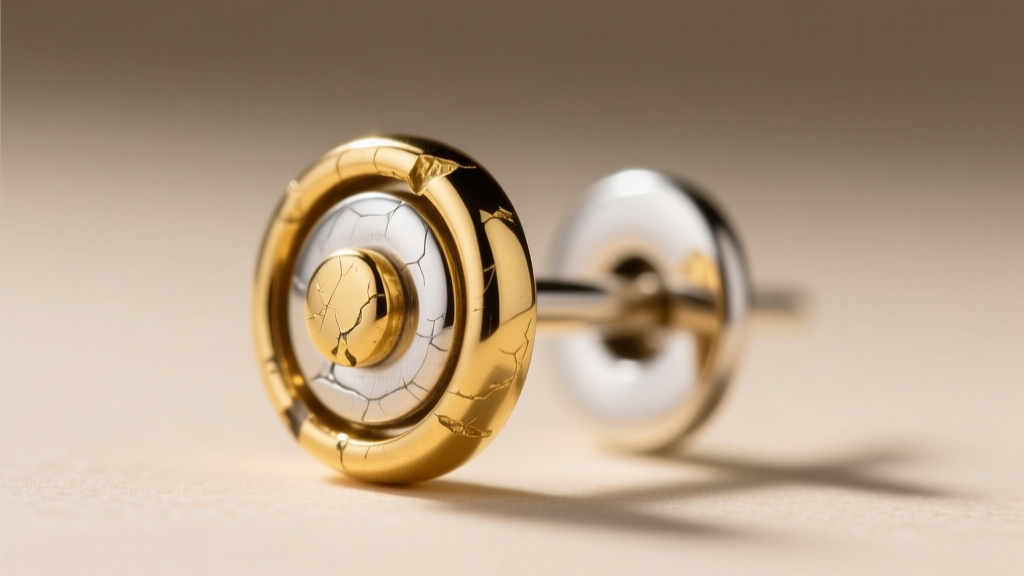
Conversely, when you see Kate Spade pieces labeled as 'gold vermeil,' the FTC mandates that the base must be 925 sterling silver, and the gold plating must be at least 2.5 microns thick, typically in 14k or 18k purity. This thicker layer offers significantly better resistance to the acidic pH of human sweat and daily friction.
Material Comparison: Fashion Plating vs. Solid Gold
How do Kate Spade gold earrings stack up against other jewelry tiers? The table below outlines the critical differences in material properties, lifespan, and pricing.
| Material Type | Base Metal | Gold Thickness | Expected Lifespan | Avg. Price Range |
|---|---|---|---|---|
| Kate Spade Standard Plated | Brass / Steel | 0.1 - 0.5 µm | 1 - 3 Years | $40 - $80 |
| Kate Spade Gold Vermeil | 925 Sterling Silver | 2.5+ µm | 3 - 7 Years | $80 - $150 |
| Gold-Filled (Industry Std) | Jeweler's Brass | 5% - 10% of total weight | 10 - 20 Years | $60 - $120 |
| Solid 14K Gold | None (Alloyed Gold) | 100% Solid | Lifetime / Heirloom | $200 - $600+ |
While solid 14k gold remains the benchmark for heirloom longevity, as noted by the World Gold Council, high-quality vermeil offers an accessible middle ground for trend-driven designs without sacrificing skin safety.
Durability and Galvanic Failure Modes
The primary failure mode for any gold-plated brass earring is galvanic corrosion. When the microscopic gold layer wears thin—often at high-friction points like the earring post, the clutch backing, or the hinge of a huggie hoop—the underlying brass is exposed to the environment.
- The Green Skin Effect: When exposed copper in the brass reacts with lactic acid and chlorides in human sweat, it forms copper chloride, a green salt that transfers to the earlobe. This is a harmless chemical reaction, not an allergy, but it is highly undesirable.
- Post Degradation: Earring posts endure the most mechanical stress. Inserting a 20-gauge or 22-gauge post through the ear canal creates friction that can strip 0.5-micron flash plating within months. Kate Spade often mitigates this by using surgical stainless steel for the posts, even on brass-cast earring heads.
- Pitting and Flaking: If exposed to harsh chemicals like chlorine in swimming pools, the base metal can corrode beneath the gold layer, causing the gold to blister and flake off entirely.
Hypoallergenic Properties and Skin Sensitivity
A common concern with fashion jewelry is nickel sensitivity. Historically, nickel was used as a barrier layer between brass and gold to prevent the copper from migrating to the surface and to create a bright, hard undercoat.
Under the EU Nickel Directive (EN 1811:2011), jewelry intended for prolonged skin contact must not release nickel at a rate greater than 0.5 µg/cm²/week.
To comply with global safety standards, modern Kate Spade gold earrings typically utilize nickel-free brass alloys or employ alternative barrier metals like palladium or rhodium beneath the gold layer. However, individuals with severe contact dermatitis should strictly opt for the brand's gold vermeil options (sterling silver base) or solid gold alternatives, as sterling silver is inherently hypoallergenic and eliminates the risk of base-metal nickel exposure entirely.
Care Framework to Extend Plating Lifespan
Because the gold layer on fashion earrings is measured in microns, mechanical and chemical preservation is mandatory. Implement the following care protocol to maximize the lifespan of your pieces:
What to Avoid
- Ultrasonic Cleaners: Never use high-frequency ultrasonic baths. The cavitation bubbles will aggressively strip flash plating and thin vermeil layers from the brass base.
- Chemical Dips: Avoid liquid silver or gold dip cleaners, which contain thiourea and harsh acids that can dissolve the gold layer or cause the underlying brass to instantly oxidize upon exposure to air.
- Perfume and Hairspray: The alcohol and aerosol propellants in cosmetics can degrade the gold-to-metal bond over time. Always apply cosmetics before putting on your earrings.
Proactive Maintenance
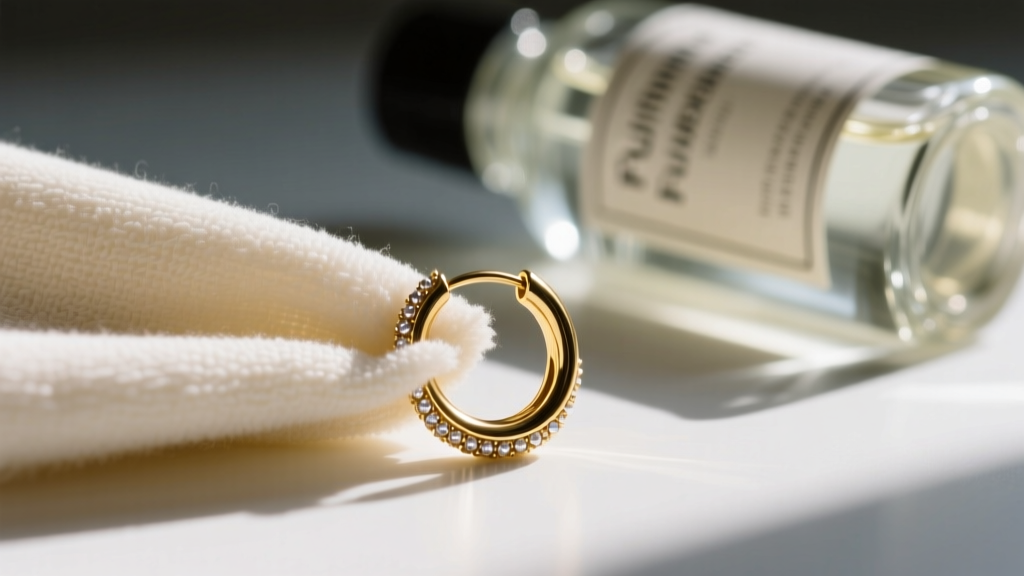
After wearing your earrings, gently wipe them with a clean, dry microfiber cloth to remove skin oils and sweat. Store them in an airtight polyethylene bag with an anti-tarnish silica gel packet or a 3M anti-tarnish strip. This deprives the base metals of the oxygen and humidity required for oxidation, ensuring that the gold layer remains the only point of environmental contact.
Final Verdict on Material Value
Kate Spade gold earrings offer exceptional design value and brand prestige, utilizing high-quality brass and sterling silver bases capped with industry-standard gold electroplating. By understanding the material properties—specifically the difference between flash-plated brass and heavy vermeil on silver—consumers can make informed purchasing decisions. Treat these pieces as high-end fashion accessories that require mindful maintenance, rather than indestructible fine jewelry, and they will provide years of elegant wear.


