Khaite Earrings Value Review: Are They Worth The Price?
We assess the true value of Khaite earrings in 2026, analyzing materials, craftsmanship, and pricing to see if this luxury fashion jewelry is worth the cost.

The Khaite Aesthetic: What Are You Actually Paying For?
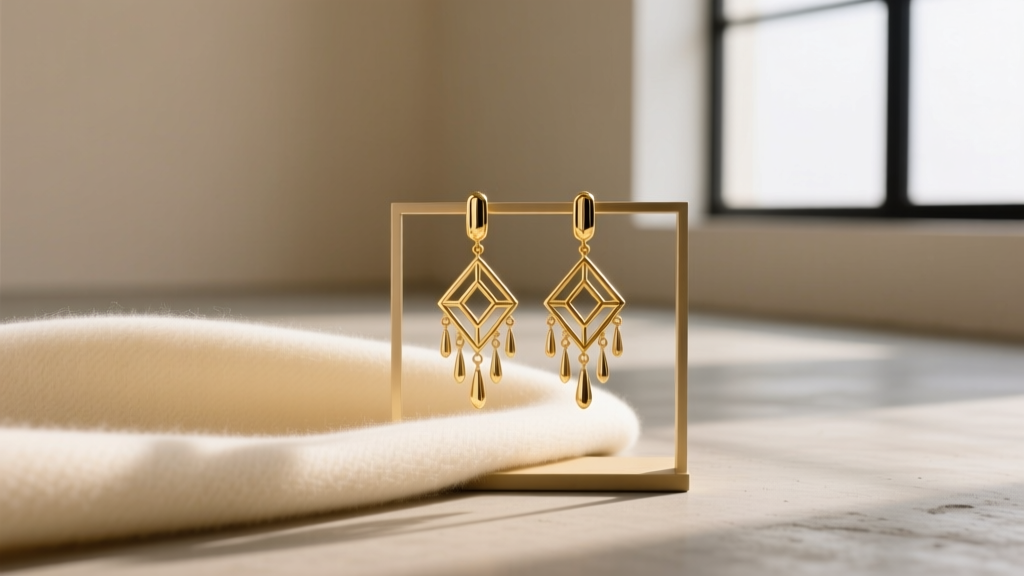
Since its inception by Catherine Holstein, Khaite has become synonymous with elevated, understated luxury. By 2026, the brand's 'quiet luxury' ethos has cemented its status as a wardrobe staple for the fashion elite. But when we transition from their iconic cashmere knits to their hard accessories—specifically Khaite earrings—the conversation shifts from textile quality to metallurgy and brand equity. Priced typically between $350 and $850, Khaite's earwear demands a serious financial commitment. This comprehensive value assessment breaks down the materials, craftsmanship, and market positioning to help you determine if these sculptural pieces are a worthy investment or merely a premium fashion tax.
According to Vogue's brand directory, Khaite's design language relies heavily on architectural silhouettes, organic curves, and a deliberate juxtaposition of masculine and feminine elements. When you purchase a pair of their signature drop earrings or abstract hoops, you are primarily investing in this distinct, recognizable design IP rather than intrinsic precious metal value.
Material Breakdown: The Reality of Luxury Fashion Jewelry
To accurately assess value, we must separate 'fine jewelry' from 'luxury fashion jewelry' (often referred to as bijoux). Khaite earrings predominantly fall into the latter category. Understanding the material science behind these pieces is crucial for managing your expectations regarding longevity and wear.
- Base Metals: The core of most Khaite earrings is jeweler's brass. Brass is an alloy of copper and zinc, chosen for its excellent casting properties, which allows for the brand's complex, sculptural, and seamless 3D forms. However, brass has zero intrinsic resale value compared to solid gold or platinum.
- Plating: The brass base is heavily plated in either 14k or 18k gold, or rhodium for the silver-toned pieces. While the plating is thicker than fast-fashion alternatives, it is still a surface treatment. Over years of daily wear, friction and skin acids will eventually wear through the plating, revealing the brass beneath.
- Posts and Backings: For hypoallergenic safety, the posts that pierce the ear are typically crafted from surgical-grade stainless steel or sterling silver, usually at a standard 20-gauge (0.81mm) thickness. This ensures compatibility with standard lobe piercings without causing stretching.
- Embellishments: When pearls or crystals are featured, Khaite frequently utilizes high-grade glass crystals, enamel, or cultured freshwater pearls rather than precious gemstones, keeping the focus on form rather than carat weight.
The Weight Factor and Ergonomics
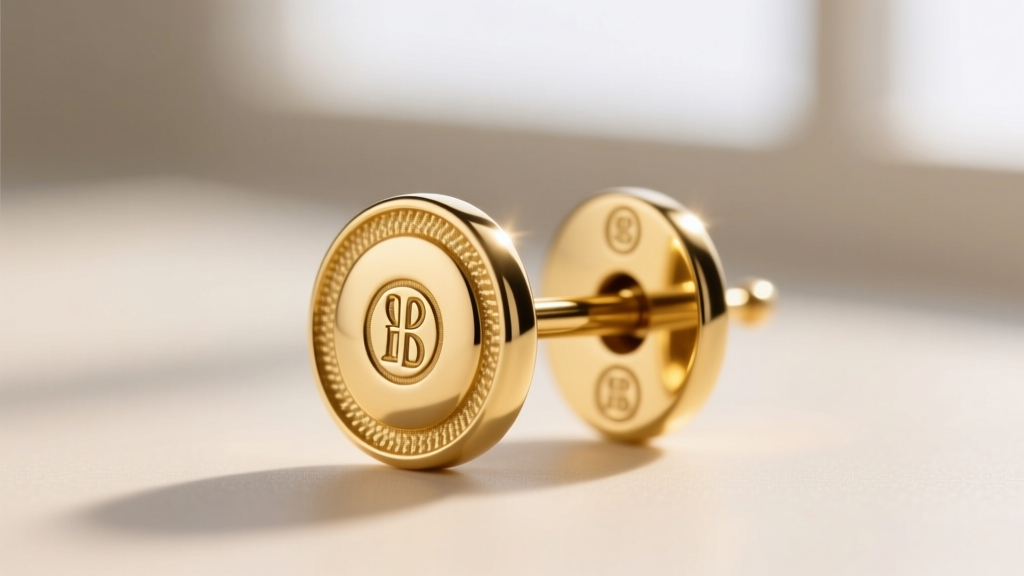
One area where Khaite excels in craftsmanship is structural engineering. Sculptural brass earrings can easily become uncomfortably heavy. Khaite addresses this by utilizing hollow-casting techniques for larger pieces, reducing the overall gram weight while maintaining the visual volume. Furthermore, heavier drop styles are often equipped with reinforced omega clips or oversized butterfly backings to distribute the weight across the earlobe, preventing the dreaded 'earlobe droop' that plagues lesser-designed heavy earrings.
Price vs. Value: The 2026 Market Comparison
How do Khaite earrings stack up against contemporaries in the luxury and demi-fine spaces? The table below illustrates the stark differences in material value versus brand positioning.
| Brand | Typical Price Range | Primary Materials | Value Proposition |
|---|---|---|---|
| Khaite | $350 - $850 | Gold-plated brass, glass, freshwater pearls | High-fashion design IP, runway prestige, sculptural aesthetics. |
| Bottega Veneta | $600 - $1,200 | Silver-plated brass, sterling silver, enamel | Avant-garde luxury, massive brand recognition, heavy hardware. |
| Sophie Buhai | $300 - $700 | Solid sterling silver, solid 14k gold, recycled metals | Heirloom quality, intrinsic metal value, sustainable casting. |
| Mejuri | $100 - $400 | Solid 14k gold, gold vermeil, ethically sourced diamonds | Accessible luxury, daily wear durability, fine jewelry materials. |
As noted by industry analysts at The Business of Fashion, the modern luxury consumer is increasingly bifurcated: they either want intrinsic, lifelong value (solid gold) or high-impact, runway-adjacent styling (plated brass). Khaite firmly occupies the latter, charging a premium for the 'cool factor' and styling potential.
Longevity and Care: Protecting Your Investment
If you decide the design value outweighs the lack of precious metals, proper maintenance is non-negotiable. Because the gold or rhodium plating is a finite layer, your care routine will dictate the lifespan of the earrings.
Expert Care Rule: Never use liquid jewelry cleaners, ultrasonic machines, or abrasive polishing cloths on gold-plated brass. These methods will strip the plating directly off the brass base. Instead, use a dry, ultra-soft microfiber cloth to gently wipe away skin oils after every wear.
Store your Khaite earrings in their original flannel dust bags inside an airtight container with anti-tarnish strips. The copper in the brass base is highly reactive to oxygen and humidity; if the plating gets micro-scratches, exposed brass will oxidize and turn green or black. Should the plating eventually wear off the high-friction areas (like the post or the clutch contact point), you will need to take them to a professional jeweler for re-plating, which typically costs between $40 and $80—a hidden long-term cost of luxury fashion jewelry.
Pros and Cons of Investing in Khaite Earwear
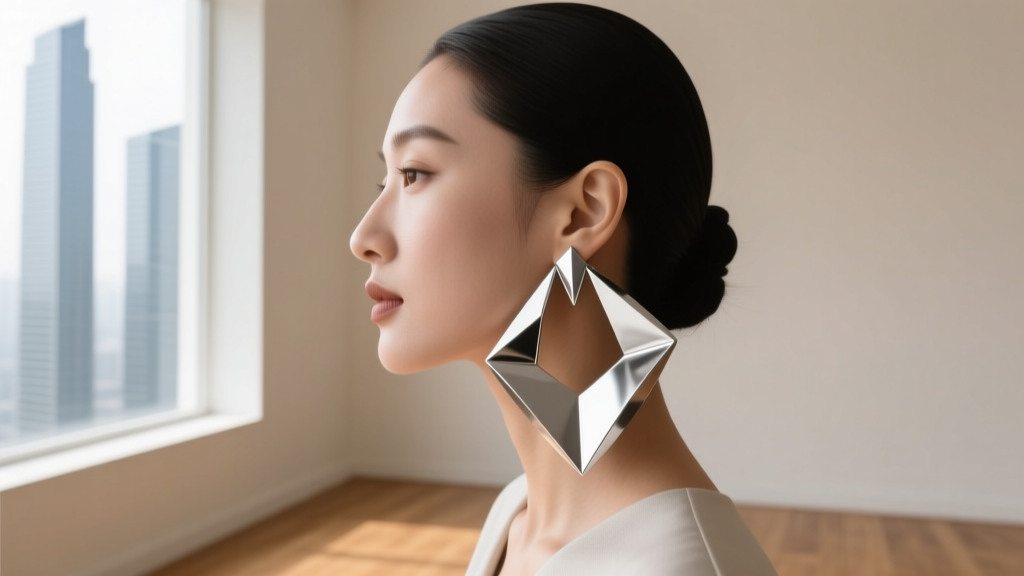
To synthesize the data, here is a rapid-fire assessment of what you gain and what you compromise on when purchasing from the Khaite official boutique.
The Pros
- Unmatched Design: The sculptural, fluid lines are incredibly difficult to replicate perfectly due to the complex 3D casting molds used by the brand.
- Wardrobe Versatility: The minimalist yet bold aesthetic transitions seamlessly from a corporate boardroom to an evening gala.
- Ergonomic Engineering: Thoughtful weight distribution and secure backing mechanisms make heavy pieces wearable for extended periods.
- Packaging and Presentation: The unboxing experience, complete with structured boxes and branded dust bags, aligns with top-tier luxury standards.
The Cons
- Zero Intrinsic Value: You cannot melt down or resell these earrings for their metal weight. The secondary market value drops significantly once worn.
- Plating Lifespan: Daily wearers will likely see plating degradation within 2 to 4 years, requiring professional refurbishment.
- High Price-to-Material Ratio: You are paying a 90% premium for the brand name and design, rather than the raw materials.
Demi-Fine Alternatives for the Budget-Conscious
If you love the Khaite aesthetic but cannot justify the price-to-material ratio, the 2026 market offers exceptional demi-fine alternatives that prioritize solid metals and similar architectural vibes:
- Completedworks: Known for their 'folded' and crumpled metal aesthetics, they offer sculptural, abstract shapes in solid sterling silver and recycled 14k gold, often at a 30% lower price point than Khaite, with vastly superior intrinsic material value.
- Missoma: Their chunky, vintage-inspired gold hoops and sculptural drops utilize thick 18k gold vermeil on a sterling silver base (which is legally required to be a much thicker plating than standard gold-plated brass), offering better longevity for under $200.
- Eliou: For those who gravitate toward Khaite's pearl-accented pieces, Eliou offers handmade, architectural pearl and bead designs that feel fresh, modern, and significantly more affordable.
Final Verdict: Who Should Buy Khaite Earrings?
Khaite earrings are not an investment in the traditional, financial sense; they are an investment in personal styling and fashion capital. If you are a collector of high-fashion objets d'art, prioritize runway-accurate aesthetics, and treat your jewelry as a curated component of a luxury wardrobe, the $400+ price tag is entirely justified by the design brilliance and brand prestige. However, if you are seeking a 'buy it for life' piece of jewelry that you can wear in the shower, sleep in, and eventually pass down as a precious metal heirloom, you should redirect your budget toward solid 14k or 18k gold demi-fine and fine jewelry brands. Know your priorities, understand the metallurgy, and buy with intention.


