How to Wear and Maintain a Drop Diamond Earring: Expert Guide
Learn how to properly wear, secure, and clean a drop diamond earring. Expert steps for backing selection, lobe support, and prong inspection.

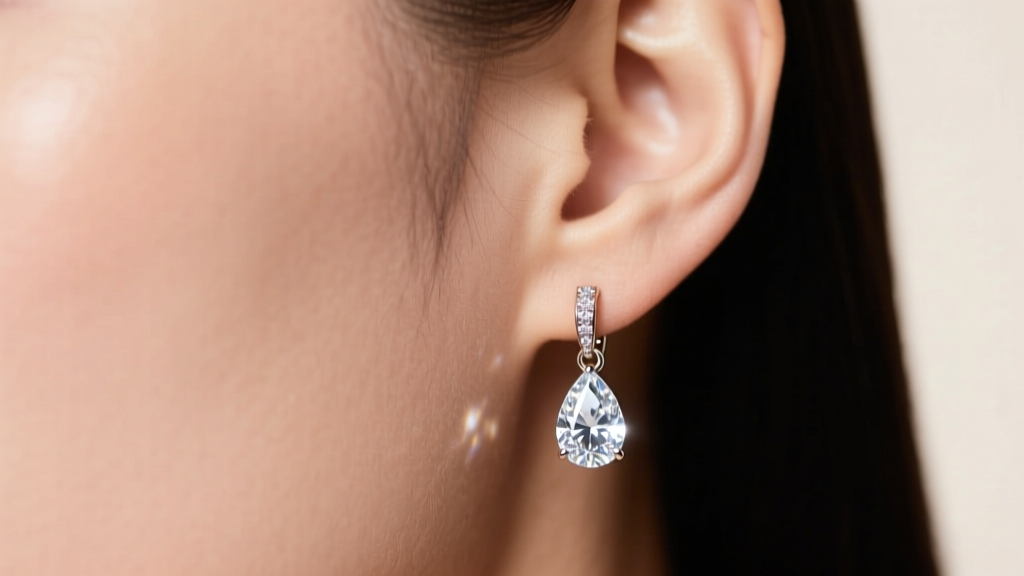
A beautifully crafted drop diamond earring is a staple of fine jewelry, offering a sophisticated silhouette that bridges the gap between a simple stud and a kinetic dangle. Unlike chandelier or dangle earrings that feature multiple articulated moving parts, a drop earring typically consists of a single suspended element hanging just below the earlobe. While this streamlined design is elegant, it concentrates physical stress at the primary jump ring and the post connection. If you are investing in high-carat diamond drops, understanding the mechanics of how they hang, how to support your earlobe, and how to safely clean them is non-negotiable.
This comprehensive, step-by-step guide will walk you through the exact protocols jewelers use to secure, wear, and maintain fine diamond drop earrings, ensuring your investment remains brilliant and structurally sound for decades.
Understanding the Anatomy and Stress Points
Before diving into maintenance, you must understand where a drop diamond earring is most vulnerable. The anatomy generally includes the post, the primary basket or bezel (the upper stud portion), a connecting jump ring, and the lower drop setting. The jump ring is the critical failure point. Over time, the friction of the drop element swinging against the ring can cause metal fatigue, leading to a microscopic gap. If that gap opens, the diamond drop will detach and be lost. Furthermore, the weight of the drop pulls the post downward, which can bend standard-gauge posts and stretch the earlobe piercing.
Step 1: Selecting the Correct Backing and Post Gauge
The most common reason drop earrings are lost or sit awkwardly on the ear is the use of inadequate backings and overly thin posts. Standard friction backs (butterfly clutches) rely on tension and are entirely insufficient for the downward pull of a heavy drop. Additionally, standard 20-gauge (0.81mm) posts will bend under the weight of diamonds exceeding 1.00 total carat weight (TCW).
Backing and Gauge Selection Matrix
| Earring Weight (TCW) | Recommended Post Gauge | Required Backing Mechanism | Security Rating |
|---|---|---|---|
| Under 0.50 ct | 20G (0.81mm) | Standard Friction Back | Moderate |
| 0.50 ct - 1.25 ct | 18G (1.02mm) | Screw Back or Silicone Stopper | High |
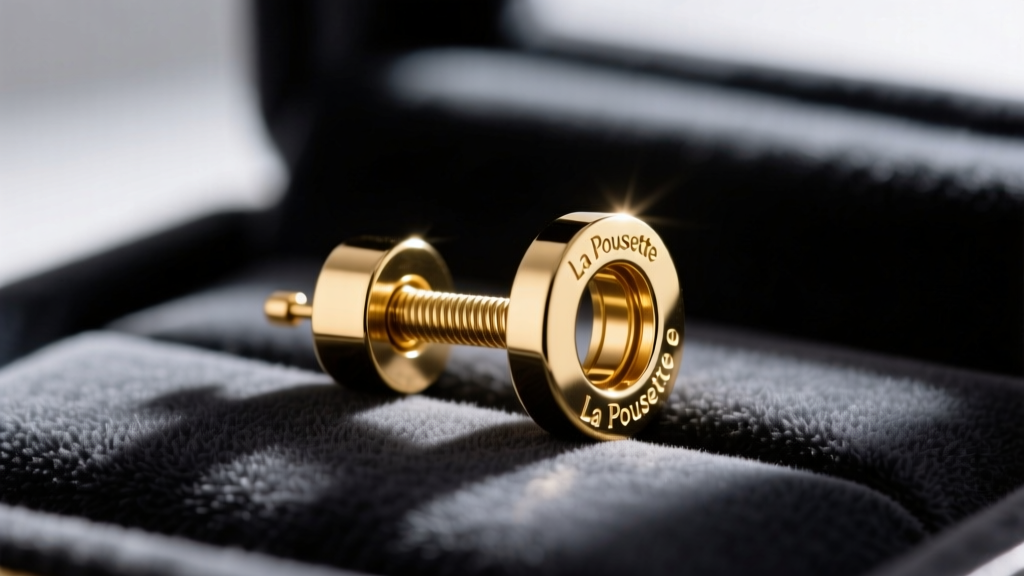
| 1.25 ct - 3.00 ct | 18G or 16G (1.29mm) | La Pousette (Locking Clutch) | Maximum |
| Over 3.00 ct | 16G (1.29mm) or Custom | La Pousette + Lobe Support | Maximum |
The La Pousette backing is the gold standard for heavy drops. It features a mechanical locking system with two small buttons that snap into a grooved post, making it virtually impossible for the earring to slide off accidentally. If your earrings currently have standard friction backs, take them to a bench jeweler to have the posts laser-welded to a thicker 18-gauge screw or locking post. This service typically costs between $40 and $85 per earring but is a fraction of the cost of replacing a lost diamond.
Step 2: Preventing Earlobe Droop and Tearing
Gravity is the enemy of the earlobe. When you wear a heavy drop diamond earring, the center of gravity shifts below the piercing hole, causing the earring to tilt forward and the lobe to stretch. Chronic stretching can lead to permanent lobe droop or, in severe cases, tearing of the piercing tract.
Practical Lobe Support Solutions
- Adhesive Earlobe Patches: Products like Lobe Wonder are small, self-adhesive polyethylene patches that stick to the back of the earlobe. The earring post passes through the patch, distributing the weight of the drop across a wider surface area of skin rather than just the piercing hole.
- Silicone Support Discs: Thick, medical-grade silicone discs can be slid onto the post behind the earlobe before attaching the backing. These act as a shock absorber and provide a wider base of support.
- The 'Two-Finger' Test: When putting on your drops, use two fingers to gently pinch the earlobe around the post while securing the backing. This prevents the post from bending during the application of pressure.
Step 3: The 5-Minute Weekly Cleaning Protocol
Diamonds are lipophilic, meaning they attract and hold onto oils from your skin, hair products, and cosmetics. A dirty drop diamond earring will look dull and lifeless, regardless of its cut grade. While many people reach for ultrasonic cleaners, these devices use high-frequency sound waves that can violently shake a diamond loose from its setting or shatter the stone if it has internal fractures.
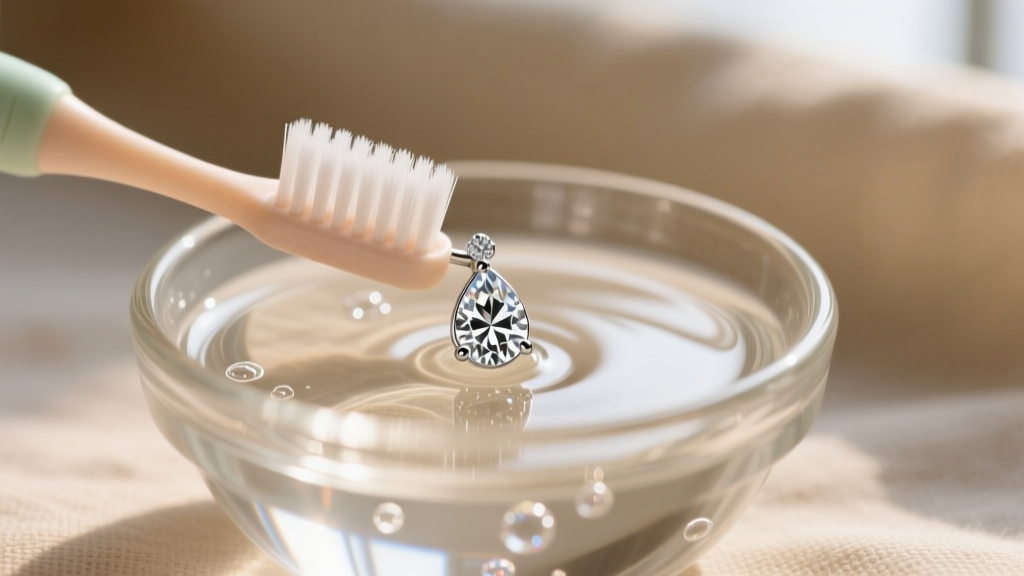
According to the Gemological Institute of America (GIA), the safest and most effective way to clean diamonds at home is using a mild, ammonia-free liquid dish soap and warm water. Here is the exact step-by-step protocol:
- Prepare the Solution: Fill a small glass bowl with warm distilled water and add three drops of mild dish soap (avoid harsh degreasers or soaps with added moisturizers, which leave a film).
- Soak: Place the earrings in the bowl and let them soak for exactly 15 minutes. This softens hardened sebum and cosmetic buildup around the prongs and the jump ring.
- Agitate Gently: Using a brand-new, extra-soft baby toothbrush, gently brush the diamond. Critical Technique: Brush from the pavilion (the bottom cone of the diamond) upward toward the table. Do not scrub aggressively against the prongs.
- Rinse and Dry: Rinse the earrings under a gentle stream of lukewarm water. Always do this over a plugged sink or a mesh strainer to prevent accidental loss down the drain. Pat dry with a lint-free microfiber cloth.
Step 4: Quarterly Prong and Joint Inspection
Maintenance goes beyond cleaning. You must physically inspect the structural integrity of your drop diamond earring every three months. You do not need expensive equipment; a standard 10x triplet jeweler's loupe (available for under $20) is all you need.
What to Look For Under the Loupe
- Prong Shoulder Wear: Examine the tips of the prongs holding the diamond. They should be smooth and rounded. If they look flat, thin, or have a 'V' notch worn into them, they need retipping. Prong retipping generally costs $20 to $45 per prong.
- Jump Ring Gaps: Inspect the tiny ring connecting the top stud to the bottom drop. It should be perfectly flush. If you can see daylight or a hairline gap where the metal meets, the earring must be taken to a jeweler immediately for laser soldering.
- Stone Rattle: Hold the earring by the post and gently tap the diamond setting with a wooden toothpick. If you hear a faint clicking or rattling sound, the diamond is loose in its basket. Stop wearing it immediately until a jeweler can tighten the prongs.
Common Mistakes to Avoid
Even seasoned jewelry collectors make critical errors when handling fine drops. Avoid these three pitfalls to protect your investment:
- Sleeping in Drop Earrings: The lateral pressure of your head against a pillow can easily bend an 18-gauge post or snap a delicate jump ring. Drops should always be removed before sleep.
- Using Ultrasonic Cleaners on Fracture-Filled Diamonds: If your diamond has been clarity-enhanced with fracture filling, the heat and vibrations of an ultrasonic cleaner can melt or cloud the filler, permanently ruining the stone's appearance.
- Applying Hairspray While Wearing Them: Aerosol hairsprays and dry shampoos leave a stubborn, cloudy resin on diamonds that is incredibly difficult to remove from the intricate underside of a drop setting. Always apply cosmetics before putting on your jewelry.
By following this meticulous approach to backing selection, lobe support, and structural inspection, your drop diamond earring will remain a secure, brilliant, and comfortable fixture in your fine jewelry rotation. For further guidance on professional jewelry maintenance and appraisal standards, consult resources from Jewelers of America to find a certified bench jeweler in your area.


