Troubleshooting Gold Earrings at Kohl's: Quality & Care
Discover expert troubleshooting for gold earrings at Kohl's. Learn to fix tarnishing, green skin, and broken posts across fashion and fine lines.

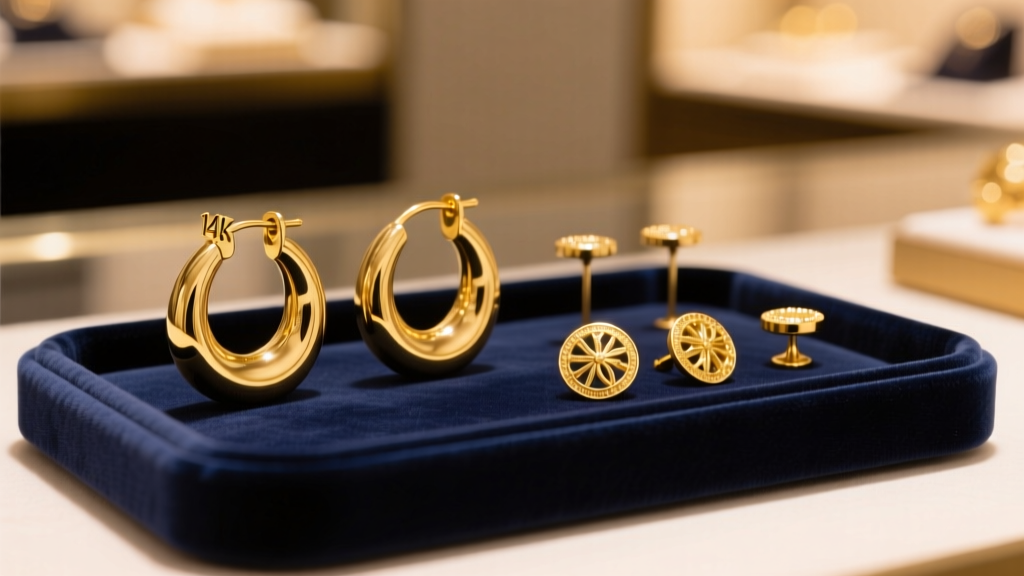
The Department Store Dilemma: Navigating Gold Quality
When you are shopping for gold earrings at Kohl's, the sheer variety of options can be overwhelming. From the fine jewelry counter featuring pieces from The Diamond Store to fashion-forward collections like LC Lauren Conrad, Apt. 9, and Simply Vera Vera Wang, the department store offers a massive spectrum of price points and styles. However, this variety introduces a common consumer problem: misunderstanding the metallurgy behind the "gold" label. Many shoppers purchase a pair of shimmering hoops assuming they are solid gold, only to experience rapid tarnishing, skin discoloration, or post breakage within weeks.
As jewelry specialists, we frequently troubleshoot these exact issues. The root cause almost always stems from a mismatch between buyer expectations and the actual material composition of the earrings. Department stores categorize jewelry into "fine" (solid karat gold or platinum) and "fashion" (plated base metals or vermeil). Understanding this distinction is the first step in solving your jewelry woes. In this comprehensive troubleshooting guide, we will decode the materials used in Kohl's gold earrings, address the most common wear-and-tear problems, and provide actionable, expert-level solutions to extend the life of your favorite pairs.
Decoding the Counter: What Material Did You Actually Buy?
Before you can troubleshoot a damaged or tarnished earring, you must identify its core composition. The Federal Trade Commission (FTC) Jewelry Guides strictly regulate how gold content is marketed, but the terminology can still confuse the average consumer. Here is a breakdown of the specific gold categories you will encounter at Kohl's and their inherent vulnerabilities.
| Kohl's Brand Category | Material Composition | Base Metal | Common Failure Modes |
|---|---|---|---|
| Fine Jewelry (10k / 14k) | Solid Gold Alloy (41.7% - 58.5% pure gold) | N/A (Alloyed with copper/silver/zinc) | Bent posts, scratched surfaces, alloy oxidation |
| Fashion (Apt. 9, SONOMA) | Flash Gold Plating (usually under 0.5 microns) | Brass or Nickel-Silver | Rapid plating wear, severe skin discoloration, allergic reactions |
| Premium Fashion (LC Lauren Conrad) | Gold Vermeil (minimum 2.5 microns of 10k+ gold) | Sterling Silver (925) | Silver tarnish bleeding through, plating wear on high-friction edges |
If your earrings lack a karat stamp (like 10k, 14k, 417, or 585) and do not explicitly state "vermeil" or "sterling silver base," you are likely dealing with flash-plated brass. According to the Gemological Institute of America (GIA), 14k gold is the industry standard for fine jewelry durability, offering the perfect balance of pure gold's luster and alloy metals' structural integrity. If you are experiencing structural failures, identifying whether your piece is solid or plated will dictate your repair options.
Troubleshooting the "Green Skin" Phenomenon
One of the most frequent complaints regarding fashion gold earrings at Kohl's is the dreaded green or black ring left around the earlobe or cartilage piercing. This is not an indication that the jewelry is "fake" or toxic; rather, it is a predictable chemical reaction. Flash-plated brass earrings contain high levels of copper. When the microscopic gold plating wears away from the earring post—a high-friction area that rubs against the piercing channel—the exposed copper reacts with the acids, salts, and moisture in your sweat.
This reaction produces copper chloride, a green compound that absorbs directly into the outermost layer of your skin. To troubleshoot and prevent this issue without throwing the earrings away, consider the following professional interventions:
- The Barrier Method: Apply a micro-thin layer of clear, hypoallergenic nail polish or a specialized jewelry sealant (like Jeweler's Skin Guard) to the earring post and the back of the decorative head. Allow it to cure for 24 hours before wearing. This creates a physical resin barrier between the copper alloy and your skin's chemistry.
- Post Replacement: If the decorative head is valuable to you, take the earrings to a local bench jeweler. For approximately $20 to $40, they can laser-snip the brass post and solder on a new 20-gauge or 18-gauge implant-grade titanium or solid 14k gold post, permanently eliminating the copper reaction.
- Piercing Hygiene: Ensure your earlobes are completely dry and free of acidic skincare serums (like Vitamin C or glycolic acid) before inserting plated earrings, as low pH levels accelerate copper oxidation.
Addressing Tarnish vs. Plating Wear in Vermeil
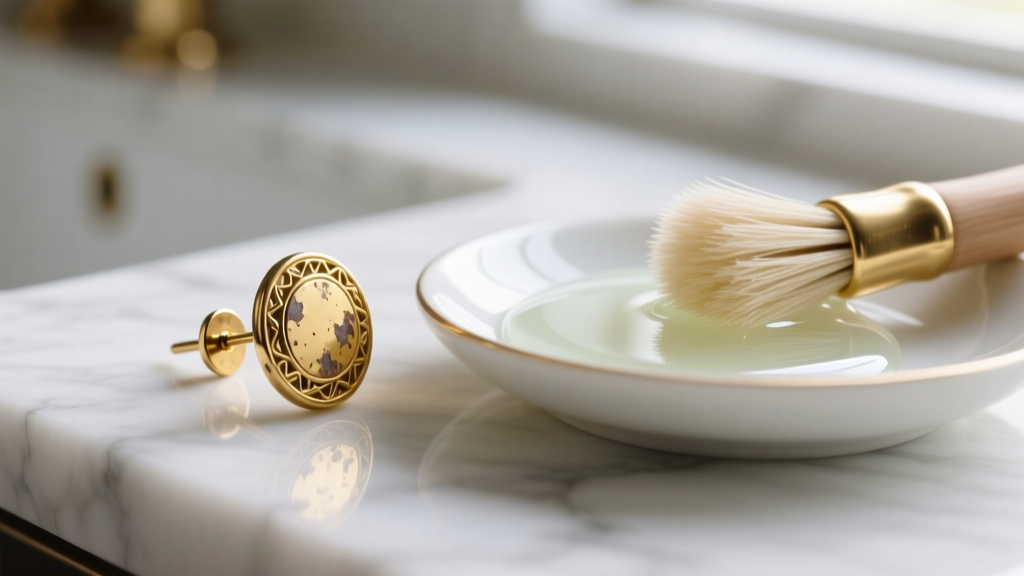
Gold vermeil earrings, frequently found in Kohl's premium fashion collections, offer a thicker layer of gold over a sterling silver base. While superior to brass, vermeil presents a unique troubleshooting challenge: silver sulfide tarnish. When the sterling silver base is exposed to sulfur in the air or hydrogen sulfide in cosmetics, it turns black. If the gold plating is porous or micro-fractured, this black tarnish can "bleed" through, making the gold look muddy or antiqued.
Do not use harsh liquid silver dips or ultrasonic cleaners on vermeil. These chemical baths will strip the 2.5-micron gold layer entirely, leaving you with bare silver. Instead, use a dry, untreated microfiber polishing cloth to gently buff the surface. If the tarnish is severe and localized to the crevices of the design, use a soft-bristled baby toothbrush dipped in a solution of warm water and a single drop of pH-neutral dish soap. Gently agitate the area, rinse with distilled water (to avoid hard water mineral deposits), and pat dry immediately. If the gold color has physically rubbed off, exposing bright white silver underneath, the piece requires professional electroplating to be restored.
Hardware Failures: Bent Posts and Slipping Butterfly Backs
Department store fashion earrings typically utilize 22-gauge (0.64mm) or 20-gauge (0.81mm) wire for their posts to keep manufacturing costs low. By contrast, fine jewelry posts are often 19-gauge or 18-gauge (1.02mm). The thinner 22-gauge posts are highly susceptible to bending during insertion, especially if the piercing channel has slight scar tissue or is at an awkward angle.
Troubleshooting Bent Posts: Never use your fingers to bend a gold-plated post back into shape; the stress will cause the plating to flake and the brittle base metal to snap. Instead, use two pairs of smooth-jawed nylon jewelry pliers to gently roll the post back to a 90-degree axis. If the post is severely kinked, it must be replaced.
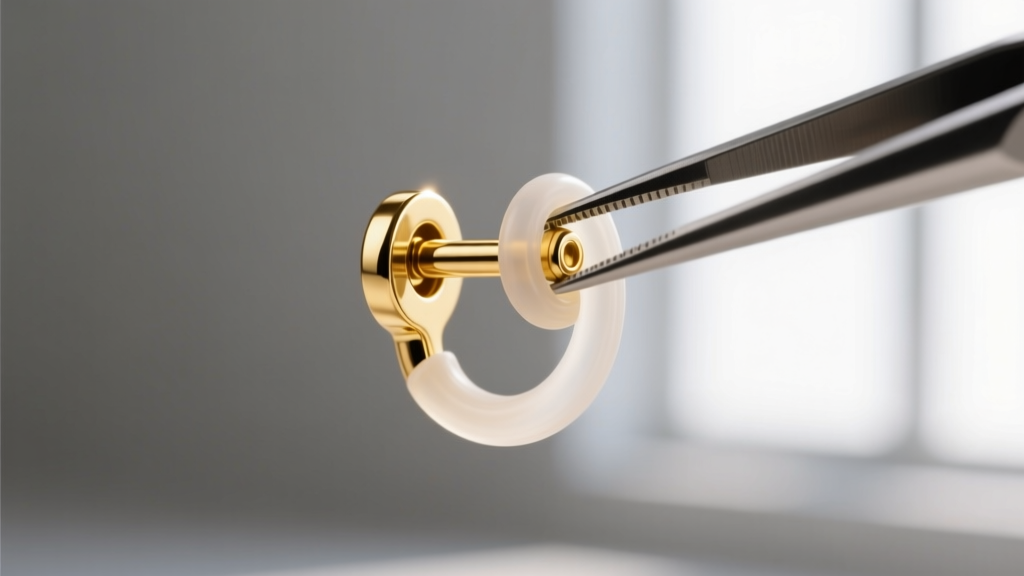
Troubleshooting Slipping Backs: The standard "butterfly" friction back relies on two small metal loops gripping the post's groove. Over time, these loops stretch out, causing the earring to fall out and get lost. Discard the metal backs and upgrade to medical-grade silicone O-ring friction backs. These slide over the 20-gauge post and create a watertight, high-friction seal that is virtually impossible to dislodge accidentally, while also being much gentler on the skin behind the ear.
Navigating Kohl's Return and Exchange Policies for Jewelry
When troubleshooting fails, or if you discover an allergic reaction to a hidden nickel alloy in the solder, you may need to return the earrings. Kohl's is famous for its generous standard 180-day return policy, but jewelry requires careful attention to the fine print. According to the official Kohl's Return Policy, fine jewelry and premium watches often have a significantly shortened return window—typically 30 days—and must be accompanied by the original packaging, tags, and any included GIA or diamond grading certificates.
Fashion jewelry generally falls under the standard return window, provided it is in "like-new" condition. If you have worn a pair of gold-plated Apt. 9 earrings and they turned your skin green within a week, customer service will usually accept this as a defective material reaction rather than standard wear-and-tear, provided you have the receipt and the original card stock. Always inspect the clasp mechanisms, post straightness, and stone settings (checking for loose prongs) in the store lighting before leaving the register to avoid the hassle of disputing pre-existing damage later.
Final Thoughts on Department Store Gold
Gold earrings at Kohl's can be a fantastic way to access trend-driven silhouettes and affordable luxury, provided you manage your expectations regarding material longevity. By understanding the difference between solid karat gold, vermeil, and flash plating, you can implement the correct cleaning routines and hardware upgrades to keep your collection shining. When in doubt, treat fashion gold as seasonal wear, and invest in solid 14k or 18k gold for the everyday staple studs and hoops that will never turn your skin green or lose their luster.


