Lab Emerald Earrings: Material Properties & Value Guide
Compare lab emerald earrings to natural stones. Explore Mohs hardness, clarity grades, metal pairings, and pricing for informed choices.

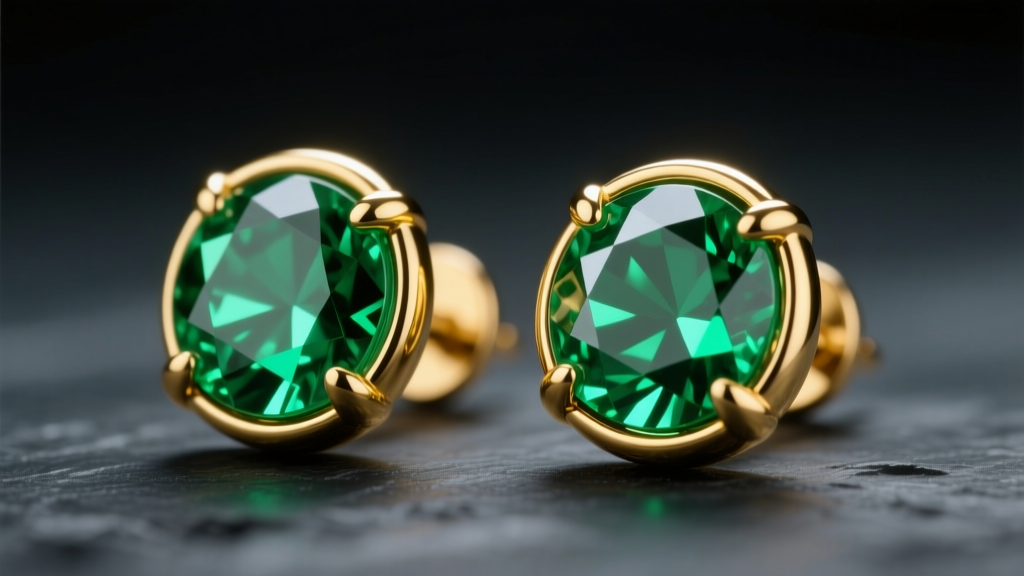
When evaluating fine jewelry, the shift toward lab-grown gemstones has fundamentally altered the market. For collectors and everyday wearers alike, lab emerald earrings offer the identical chemical, physical, and optical properties of their mined counterparts, but with distinct advantages in clarity and ethical sourcing. However, treating a lab-created beryl crystal exactly like a diamond or a sapphire is a recipe for structural failure. Emeralds possess unique crystallographic vulnerabilities that demand specific setting mechanics and care protocols.
In this comprehensive material guide, we dissect the mineralogy of lab-grown emeralds, compare them against natural and simulant alternatives, and provide actionable frameworks for selecting earring hardware that ensures longevity.
The Crystallography of Lab-Grown vs. Natural Emeralds
Both natural and lab-created emeralds belong to the beryl family, sharing the exact chemical composition of beryllium aluminum cyclosilicate (Be3Al2(SiO3)6). The signature vivid green hue is caused by trace amounts of chromium and vanadium. According to the Gemological Institute of America (GIA), a stone must possess a specific tone and saturation to be classified as an emerald rather than a green beryl.
Lab emeralds are primarily synthesized using two distinct methods, each yielding different material properties:
- Hydrothermal Growth: This method mimics the natural formation of emeralds in the earth's crust by dissolving nutrients in a water-based solution under extreme heat and pressure. Hydrothermal lab emeralds typically exhibit exceptional clarity and a slightly higher density, making them ideal for precision-cut earring studs.
- Flux-Melt Growth: Pioneered by companies like Chatham, this process dissolves beryl ingredients in a molten flux (often containing lithium, molybdenum, or vanadium). While it produces stones with excellent color saturation, flux-grown emeralds may contain microscopic platinum or flux inclusions, which can affect how light refracts through the pavilion of a drop earring.
Clarity, Inclusions, and the "Jardin" Distinction
The most immediate visual difference between natural and lab emeralds lies in their inclusions. Natural emeralds are Type III clarity gems, meaning they almost always contain visible inclusions—often referred to as the "jardin" (French for garden). These include three-phase inclusions (liquid, gas, and solid crystals) and structural fissures.
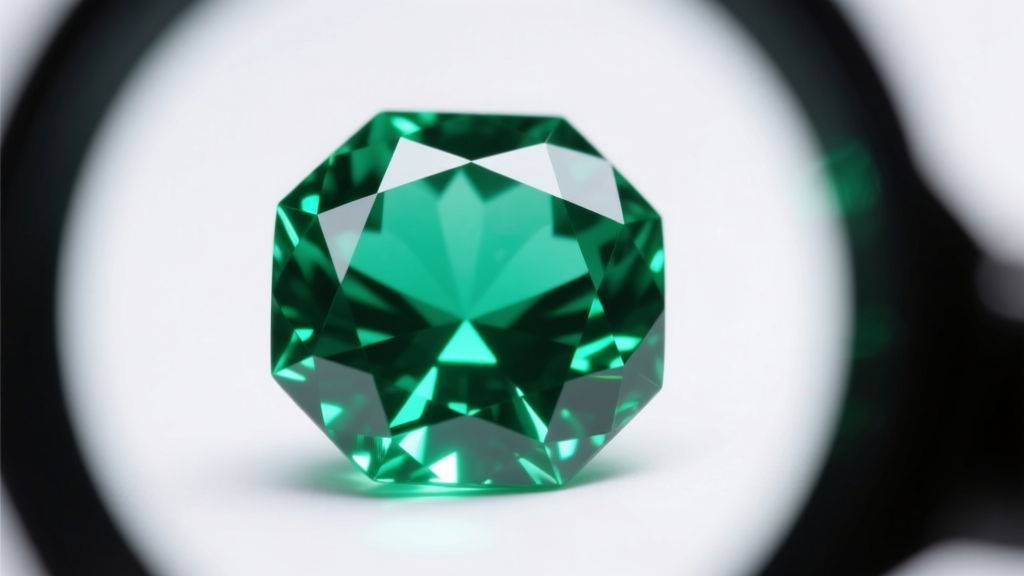
Conversely, high-grade hydrothermal lab emerald earrings frequently achieve VVS (Very Very Slightly Included) or even IF (Internally Flawless) grades. While this makes for a brilliant, unobstructed sparkle in a huggie hoop or stud setting, gemologists can identify lab origins through specific markers. Hydrothermal stones may exhibit "nail-head" spicule inclusions or subtle growth zoning, while flux-grown stones might show wispy, veil-like flux fingerprints. When purchasing, always request a grading report to verify the growth method and ensure you are paying the correct market premium.
Durability, Tenacity, and Setting Mechanics
A critical failure point in jewelry design is confusing hardness with toughness. Emeralds rank between 7.5 and 8 on the Mohs scale of hardness, meaning they resist scratching reasonably well. However, their tenacity (resistance to breaking or chipping) is classified as poor to good due to their brittle nature and indistinct basal cleavage.
When designing or selecting lab emerald earrings, the setting must mitigate impact risks:
Bezel vs. Prong Settings
For active wearers or heavy drop earrings, a full or half-bezel setting in 14k or 18k gold is highly recommended. The metal rim protects the vulnerable girdle and corners of the emerald. If you prefer the light performance of a prong setting, opt for V-tip prongs on pear, emerald, or marquise cuts to shield the sharp points from chipping against hard surfaces.
Post Gauge and Earring Backs
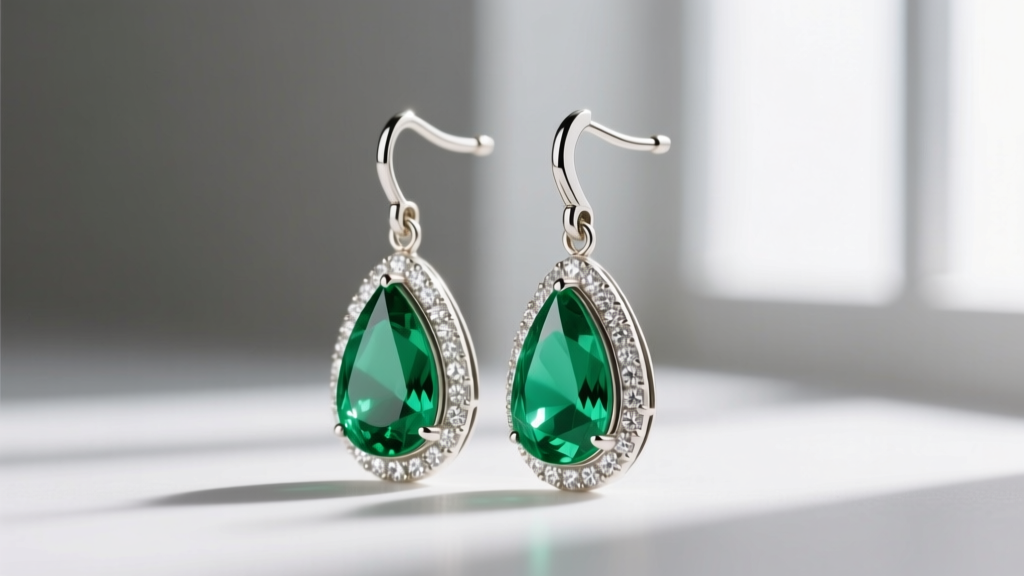
The weight of the gemstone dictates the necessary hardware. Lab emeralds have a specific gravity of approximately 2.72, making them relatively lightweight compared to cubic zirconia (SG 5.6-6.0). However, elaborate drop earrings with diamond halos can easily exceed 4 grams per ear.
- Standard Studs (Under 2g): A standard 20-gauge (0.81mm) post with a secure friction back or silicone clutch is sufficient.
- Heavy Drops & Dangles (Over 3g): Upgrade to an 18-gauge (1.0mm) or 16-gauge (1.2mm) post wire to prevent the metal from bending under the pendulum weight. Utilize screw-backs or locking lever-backs to prevent loss.
Material Comparison Chart: Lab vs. Natural vs. Simulant
Understanding where lab emeralds sit in the broader material spectrum is vital for making informed purchasing decisions. The table below compares the physical and optical properties of common green earring materials.
| Material | Chemical Composition | Mohs Hardness | Refractive Index | Average Price (Per Carat) |
|---|---|---|---|---|
| Natural Emerald (Oiled) | Be3Al2(SiO3)6 | 7.5 - 8.0 | 1.57 - 1.58 | $3,000 - $10,000+ |
| Lab-Grown Emerald | Be3Al2(SiO3)6 | 7.5 - 8.0 | 1.57 - 1.58 | $300 - $800 |
| Green Cubic Zirconia | ZrO2 (with Cr/V dopants) | 8.0 - 8.5 | 2.15 - 2.18 | $5 - $20 |
| Chrome Diopside | CaMgSi2O6 | 5.5 - 6.5 | 1.67 - 1.70 | $50 - $150 |
Note: The Federal Trade Commission (FTC Jewelry Guides) strictly mandates that lab-grown gemstones must be clearly disclosed as such, preventing them from being sold deceptively as natural.
Pricing Tiers and Value Retention in 2026
As of 2026, the market for lab-grown colored gemstones has stabilized, offering exceptional value for buyers who prioritize optical beauty over geological rarity. A pair of 1-carat total weight (CTW) lab emerald studs set in 14k solid gold typically retails between $600 and $1,200, depending on the color saturation (with "Muzo green" or deep bluish-green commanding the highest premiums).
"While natural emeralds hold intrinsic collector value and can appreciate over time, lab-grown emeralds should be viewed as a luxury consumer good. You are paying for the material science, the precision lapidary work, and the precious metal setting, not for investment-grade rarity."
For buyers seeking the visual impact of a 3-carat emerald drop earring, lab-grown stones make the design financially accessible without resorting to the dull, lifeless appearance of green glass or the overly dispersive "rainbow" fire of cubic zirconia, which immediately reads as a simulant.
Care Protocols and Failure Modes
The most common cause of catastrophic failure in emerald earrings is improper cleaning. Over 90% of natural emeralds are treated with cedar oil or synthetic resins to mask surface-reaching fissures. While high-quality hydrothermal lab emeralds generally do not require oiling due to their superior inherent clarity, the physical brittleness of the beryl crystal remains.
What to Avoid
- Ultrasonic Cleaners: Never place emeralds (lab or natural) in an ultrasonic bath. The high-frequency vibrations can easily shatter the stone along microscopic internal stress lines or shake it loose from its prongs.
- Steam Cleaners: Sudden thermal shock from high-pressure steam can cause the beryl to fracture.
- Harsh Chemicals: Remove earrings before swimming in chlorinated pools or using household cleaners, as chemicals can degrade the metal settings and dull the polish of the gemstone.
The Correct Cleaning Method
To maintain the brilliance of your lab emerald earrings, use a solution of lukewarm water and a few drops of mild, phosphate-free dish soap. Gently agitate the water, let the earrings soak for three to five minutes, and use a soft-bristled baby toothbrush to lightly sweep away sebum and cosmetic buildup from the pavilion (the back of the stone). Pat dry with a lint-free microfiber cloth. Store them in a separate soft pouch to prevent harder gems, like diamonds or sapphires, from scratching the emerald's surface during transit.


