The Lady With The Pearl Earring Look: Budget Value Guide
Discover how to recreate the lady with the pearl earring look. We assess the budget, value, and materials of classic teardrop pearl drops.

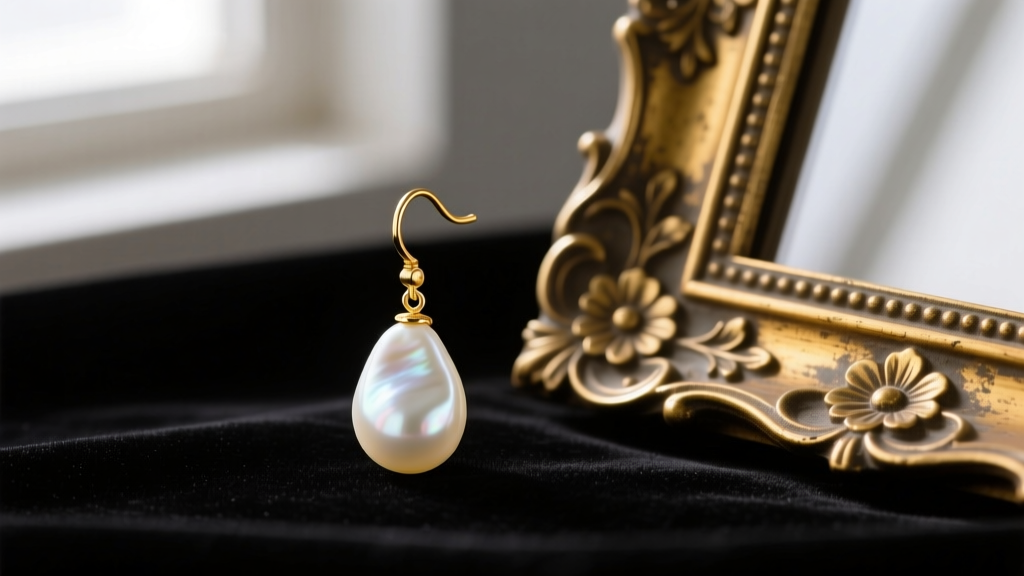
While Johannes Vermeer’s 1665 masterpiece is officially titled Girl with a Pearl Earring, the cultural zeitgeist often searches for the lady with the pearl earring when seeking a more mature, sophisticated interpretation of this iconic teardrop jewelry style. The archetype demands elegance, a striking silhouette, and an undeniable focal point that catches the light with every turn of the head. But achieving this historic aesthetic in 2026 requires navigating a minefield of synthetic coatings, overpriced brand names, and fragile hardware.
As a senior jewelry appraiser, I frequently see buyers overpay for inferior nacre or underestimate the structural requirements of heavy drop earrings. This comprehensive budget and value assessment will break down exactly what you are paying for when chasing this timeless silhouette, from the nacre depth to the metallurgical integrity of the hook.
The Anatomy of Vermeer’s Classic Pearl Drop
To accurately recreate the lady with the pearl earring aesthetic, we must first define the physical parameters of the pearl depicted in the painting. Art historians and gemologists estimate the pearl in Vermeer's work to be roughly 11mm to 13mm in diameter. Given its massive size and teardrop (baroque) shape, it was likely a faux glass or resin pearl in the 17th century, as natural pearls of that dimension were exceptionally rare and reserved for royalty.
Today, you do not need royal wealth to achieve this look, but you do need to understand the geometry of the drop. A true 'Vermeer drop' is not perfectly spherical. It features a slightly elongated, teardrop, or baroque silhouette. The light reflection—known in gemology as the orient and overtone—should pool at the bottom curve of the pearl, creating a luminous, almost liquid glow against the skin.
Ideal Dimensions and Hardware Specs
Weight distribution is the most overlooked factor in drop earrings. An 11mm to 13mm pearl can weigh between 1.5 and 2.5 grams per earring. Over an eight-hour wear, this concentrated weight causes severe earlobe fatigue and can stretch the piercing if the hardware is inadequate.
- Post/Wire Gauge: Avoid standard 22-gauge (0.64mm) wires, which will bend under the pearl's weight. Insist on 18-gauge (1.02mm) or 20-gauge (0.81mm) wire.
- Backing Mechanism: Friction posts are a liability for heavy drops. Opt for a leverback, an omega back, or a French wire with a secure silicone stopper to prevent loss and distribute weight along the cartilage ridge of the ear.
- Pearl Size: Target 11mm–14mm for the authentic oversized look. Anything under 9mm reads as a standard stud rather than a statement drop.
Material Value Matrix: From Glass to South Sea
The modern jewelry market offers the teardrop pearl silhouette across a massive price spectrum. However, price does not always correlate with longevity or visual authenticity. According to the Gemological Institute of America (GIA), pearl value is dictated by luster, nacre thickness, surface quality, and shape. Below is a realistic 2026 market assessment of the materials used to craft these earrings.
| Material Type | Nacre Depth | Luster Quality | Avg. Price (Pair) | Longevity & Value |
|---|---|---|---|---|
| Crystal / Glass | 0mm (Surface Coating) | Mirror (Artificial) | $40 - $90 | Low; coating peels over time |
| Freshwater Drop | 100% Solid Nacre | Very Good to Excellent | $120 - $350 | High; exceptional daily wear value |
| Akoya (Round) | 0.3mm - 0.8mm | Excellent (Mirror) | $400 - $900 | Medium; risk of nacre flaking |
| White South Sea | 1.0mm - 2.5mm | Excellent (Satin) | $1,500 - $4,000+ | Very High; heirloom investment |
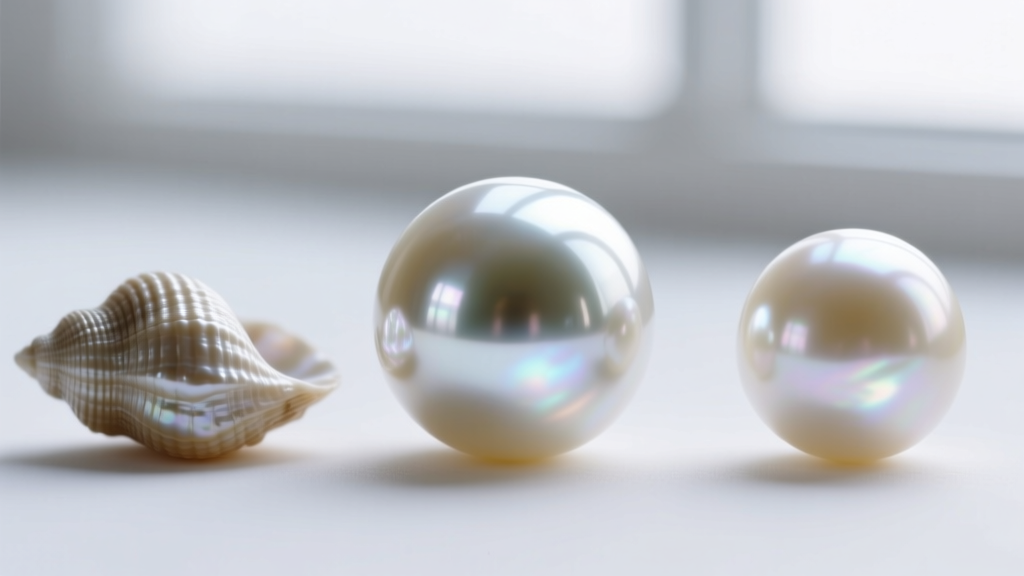
For the budget-conscious buyer seeking the highest return on investment (ROI), baroque or coin-shaped freshwater pearls are the undisputed champions. Because freshwater pearls are nucleated with mantle tissue rather than a solid bead, they are 100% solid nacre. They will never peel, flake, or expose a dull inner bead, making them vastly superior to Akoya pearls for heavy, teardrop shapes that are prone to bumping against the neck and jawline.
Metal Settings: Where Budget Buyers Lose Value
The pearl is only half the equation. The metal cradling the pearl dictates the earring's structural lifespan and its compatibility with sensitive skin. When evaluating the lady with the pearl earring look, many buyers drain their budget on the gemstone and settle for subpar base metals.
The Hidden Cost of Cheap Alloys
Gold-plated brass or copper-core wires are common in the $50–$100 range. The problem? The acidic pH of human skin, combined with the friction of inserting the wire through the earlobe, strips the microscopic gold plating within weeks. Once the base metal is exposed, it oxidizes, turning the skin green and triggering contact dermatitis (especially if nickel is present in the alloy).
The Value Sweet Spot: Look for 14k Gold Vermeil (pronounced ver-may). By US Federal Trade Commission standards, vermeil must have a sterling silver base coated with a minimum of 2.5 microns of 10k, 14k, or 18k gold. While not as permanent as solid gold, high-quality vermeil leverbacks ($40–$80 for the hardware alone) offer a luxurious, hypoallergenic experience that outlasts standard plating by years. If your budget allows, solid 14k or 18k gold French wires are a one-time purchase that will outlive the wearer.
How to Inspect Luster and Nacre Thickness Like a Pro
Whether you are buying vintage drops at an estate sale or ordering modern freshwater pearls online, you must know how to verify the quality. The Mauritshuis museum, home to Vermeer's original painting, showcases how light interacts with a perfect pearl—but in real life, you need tactile and visual tests to confirm authenticity and grade.
Gemologist's Tip: 'Luster is the soul of the pearl. A high-quality pearl will reflect a crisp, defined image of the light source on its surface, much like a convex mirror. If the reflection is cloudy, milky, or chalky, the nacre is either too thin or of poor quality, regardless of the pearl's size.'
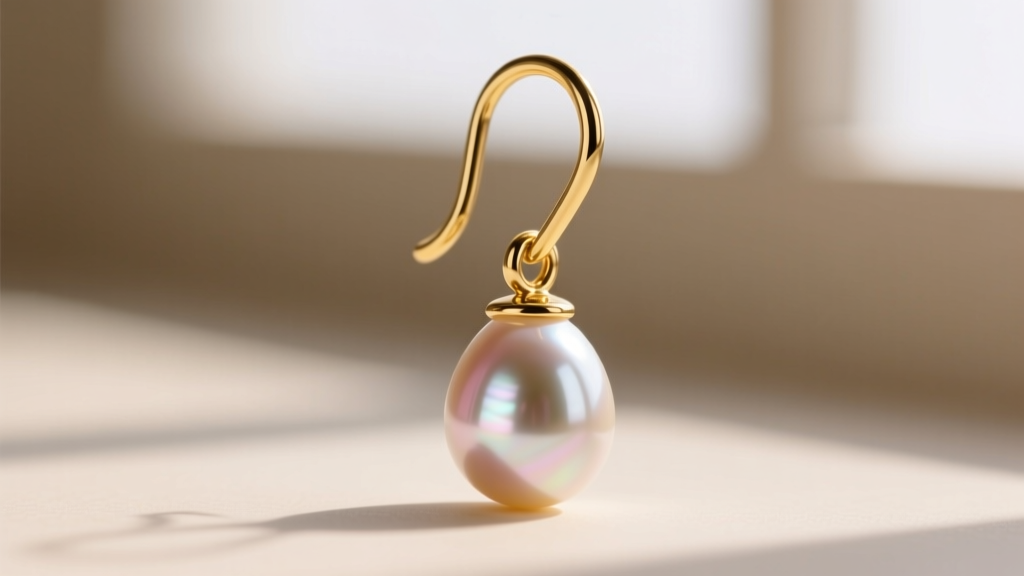
To test nacre thickness on drilled pearls, use a jeweler's loupe (10x magnification) to look directly into the drill hole. If you see a distinct, sharp line separating a dark or matte core from a shiny outer layer, you are looking at a thin-nacre bead-nucleated pearl (like a low-grade Akoya). If the material looks uniform and solid all the way to the center, it is a solid-nacre freshwater pearl.
Finally, perform the 'tooth test.' Gently rub the pearl against the biting edge of your front tooth. A real pearl (freshwater, Akoya, or South Sea) will feel distinctly gritty, like fine sandpaper, due to the microscopic crystalline structure of the nacre. Glass or plastic imitations will glide perfectly smooth. This simple, non-destructive test instantly separates the $20 fakes from the $200 genuine articles.
Final Verdict: Which Tier Offers the Best ROI?
Recreating the lady with the pearl earring aesthetic is entirely possible without liquidating your savings, provided you allocate your budget intelligently. Avoid glass pearls masquerading as luxury, and be deeply skeptical of massive, perfectly round Akoya drops, which are often heavily treated or thin-nacre.
The Ultimate Recommendation: Allocate $150 to $300 for a pair of 12mm–13mm baroque or teardrop freshwater pearls with very high luster. Pair them with an 18-gauge, 14k gold vermeil or solid 14k gold leverback setting. This combination delivers the exact visual weight, historic silhouette, and luminous glow of Vermeer’s masterpiece, while offering a 100% solid-nacre guarantee that will endure decades of daily wear. You are not just buying jewelry; you are investing in a piece of wearable art history.


