The Lady with Pearl Earring Look: A Beginner's Style Guide
Discover how to master the lady with pearl earring aesthetic. Learn about pearl sizing, grading, leverback mechanics, and nacre care in our guide.

Decoding the Iconic Pearl Drop Aesthetic
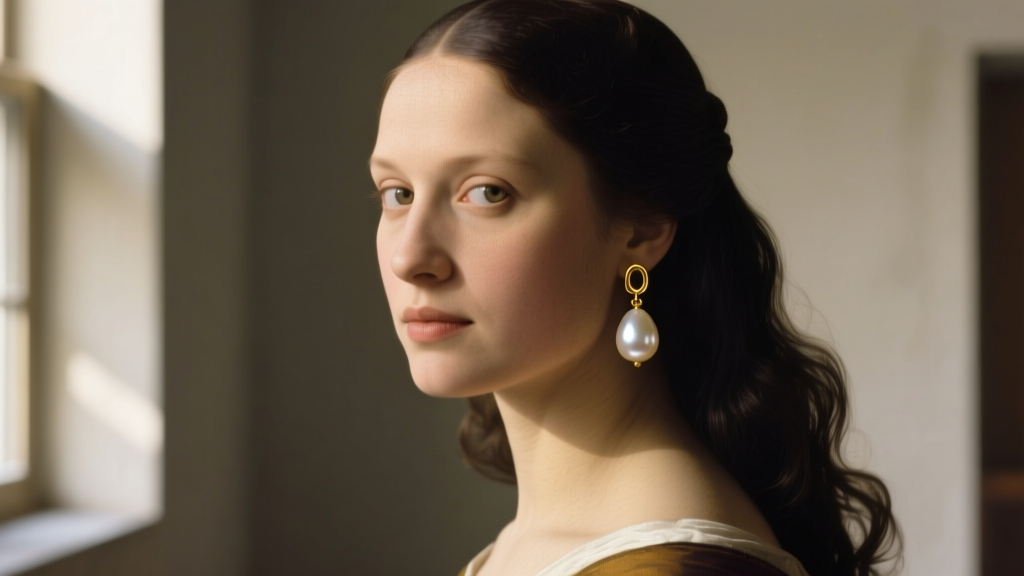
When jewelry enthusiasts and art lovers alike search for the lady with pearl earring aesthetic, they are chasing a very specific vision of timeless, luminous elegance. While art historians will quickly point out that Johannes Vermeer’s 1665 masterpiece is officially titled Girl with a Pearl Earring, the cultural lexicon often blends the two, using the latter phrase to describe the ultimate teardrop pearl look. According to the Mauritshuis Museum, the painting's striking focal point is an impossibly large, light-catching drop pearl that defies the natural limitations of 17th-century gemology.
For the modern beginner looking to recreate this iconic style, achieving the look requires more than just buying any pearl stud. It demands an understanding of pearl anatomy, precise millimeter sizing, and the structural mechanics of earring backings. In 2026, the trend has shifted away from perfectly round, mass-produced studs toward organic, high-luster teardrops that mimic the natural asymmetry seen in classical portraiture. This guide will break down exactly how to select, wear, and care for a statement drop pearl.
The Anatomy of a Statement Drop Pearl
The earring in Vermeer’s painting is widely believed to be a glass imitation or a highly rare natural pearl, given its massive proportions relative to the subject's face. Today, we achieve this look using cultured freshwater or saltwater pearls. The key to the aesthetic is the teardrop or baroque drop shape, which catches light differently than a perfect sphere, creating a dynamic, glowing effect as the wearer moves.
Understanding Nacre and Luster
The magic of the 'glow' comes from nacre—the crystalline substance secreted by the mollusk. The Gemological Institute of America (GIA) identifies luster as the most critical value factor for any pearl. For a drop earring meant to mimic classical oil painting lighting, you want a 'Very High' to 'Excellent' luster grade, where reflections appear sharp, bright, and distinct on the surface. Avoid chalky or dull pearls, as they will look flat and lifeless in dim lighting.
Sizing Your Pearl: The Millimeter Matrix
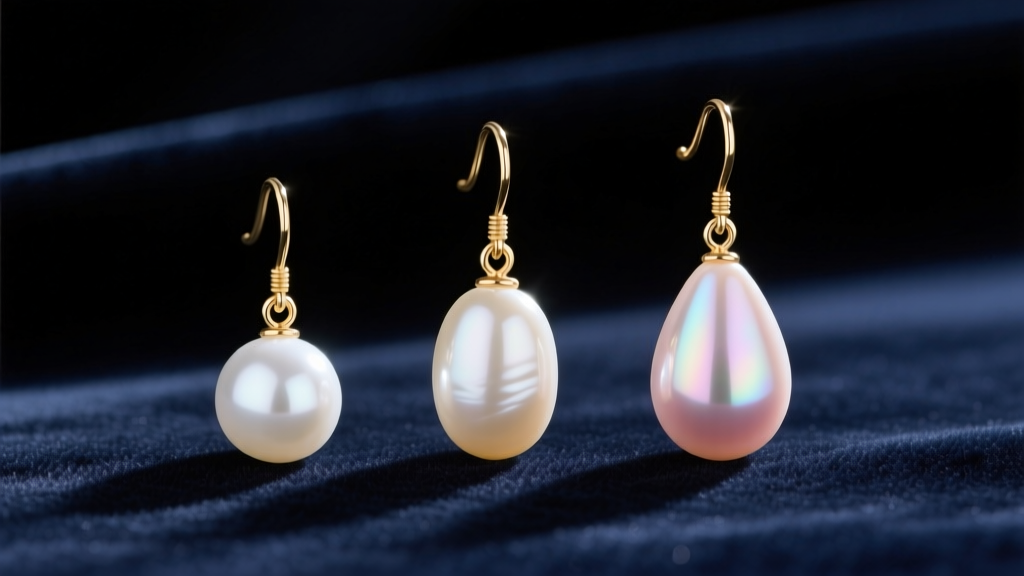
Proportion is everything. The pearl in the famous painting appears to be roughly 14mm to 16mm in length—an enormous size for a natural gem. When shopping for your own piece, understanding millimeter (mm) sizing is crucial to avoid ending up with an earring that looks either too subtle or overwhelmingly heavy.
| Size (mm) | Visual Impact | Best Pearl Type | Estimated Price Range |
|---|---|---|---|
| 8mm - 10mm | Subtle, everyday elegance. Lacks the dramatic 'Vermeer' weight. | Akoya or High-Grade Freshwater | $40 - $150 |
| 11mm - 13mm | Noticeable statement. Great for office-to-evening transitions. | Edison Freshwater or Tahitian | $120 - $400 |
| 14mm - 16mm+ | The exact 'Lady with Pearl Earring' proportion. Bold and heavy. | South Sea or Large Baroque Freshwater | $250 - $2,500+ |
Pro-Tip for Beginners: If you want the 15mm look on a budget, opt for Edison freshwater pearls. They are nucleated with a single bead, allowing them to grow to massive saltwater sizes while retaining a fraction of the cost of White South Sea pearls.
Structural Integrity: Metals, Gauges, and Backings
A common beginner mistake is purchasing a heavy 14mm drop pearl only to find it constantly droops forward, pointing at the floor rather than hanging elegantly. This is a failure of earring mechanics, not the pearl itself.
Choosing the Right Backing Mechanism
- Leverback Closures: The absolute best choice for heavy drops. The hinged wire snaps securely into a catch, distributing the weight evenly and preventing the earring from slipping out of the lobe.
- French Wire (Shepherd’s Hook): Classic and elegant, but requires a silicone earring back or 'stopper' to prevent the heavy pearl from pulling the wire forward and sliding out.
- Omega Clips: Excellent for vintage-style, heavier mounts, providing a wide base of support against the back of the earlobe.
- Avoid: Standard post-and-butterfly backings. They are designed for lightweight studs (under 5mm) and will cause a 14mm drop to tilt awkwardly.
Wire Gauge and Metal Allergies
The wire that passes through your earlobe is measured in gauges (G). Most drop earrings utilize 20-gauge (0.81mm) or 18-gauge (1.02mm) wire. If you have sensitive piercings, ensure the wire is crafted from hypoallergenic materials. While Vermeer’s subject likely wore gold, modern wearers should look for 14k or 18k solid yellow gold to match the warm, historical aesthetic. Avoid gold-plated brass or nickel alloys, which can cause contact dermatitis and tarnish quickly when exposed to skin oils.
Modern Styling vs. Historical Accuracy
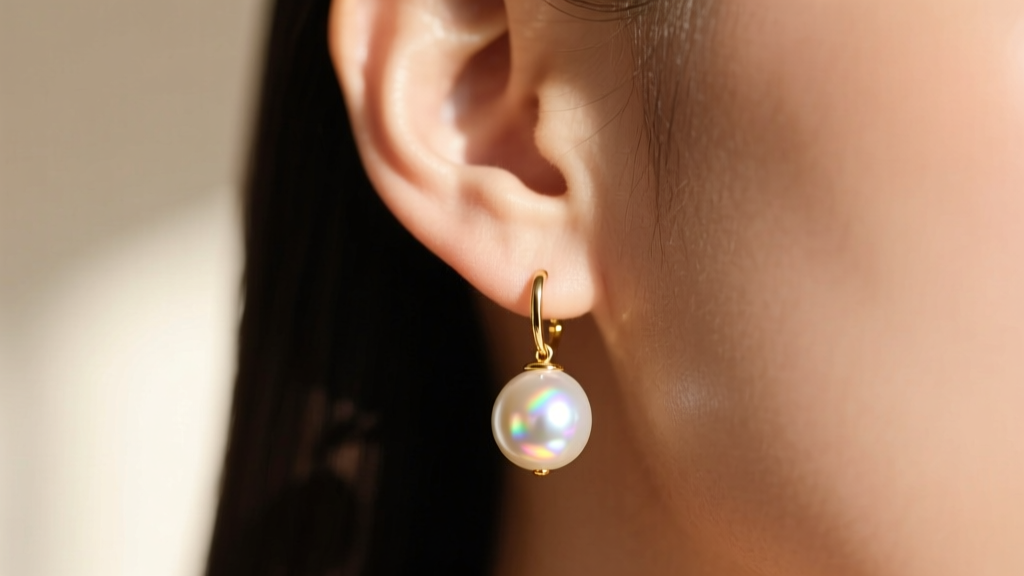
How you wear the earring is just as important as the piece itself. The historical context of the painting suggests a single, dramatic drop worn against bare skin, contrasting with rich fabrics (like the famous yellow turban).
The Minimalist Approach
In 2026, the most popular way to channel this aesthetic is through stark minimalism. Pair a single 14mm teardrop pearl with a sleek, low bun or a sharp bob. This ensures the pearl remains the undisputed focal point of your face, catching ambient light just as it did in 17th-century Dutch windows.
The Asymmetrical Trend
For a contemporary twist, wear the large drop pearl in one ear, and a simple, flush-set diamond or gold ball stud in the other. This balances the visual weight of the heavy drop while keeping the look grounded in modern editorial styling.
Essential Care and Maintenance
Pearls are organic gemstones, ranking a mere 2.5 to 3.0 on the Mohs hardness scale. They are highly susceptible to acids, perfumes, and abrasion. To keep your drop pearl looking like it belongs in a museum, follow the GIA Pearl Care Guide strictly:
- The 'Last On, First Off' Rule: Always put your pearl earrings on after applying hairspray, perfume, and makeup. Remove them immediately upon returning home.
- Never Use Ultrasonic Cleaners: The high-frequency vibrations can shatter the nacre or loosen the adhesive bonding the pearl to its metal cap.
- Wipe Down After Wear: Use a clean, dry microfiber cloth to gently wipe away skin oils and sweat before storing.
- Store Separately: Keep your drop earrings in a soft silk pouch. If stored in a jewelry box next to diamonds or sapphires, the harder gems will easily scratch the pearl's delicate surface.
Final Thoughts on the Timeless Drop
Mastering the lady with pearl earring look is an exercise in appreciating proportion, light, and history. By focusing on high-luster nacre, selecting the correct 14mm-16mm teardrop sizing, and utilizing secure leverback mechanics, you can confidently wear a piece of art history. Whether you opt for an accessible Edison freshwater pearl or invest in a rare South Sea gem, the iconic drop remains a testament to the enduring power of simple, luminous elegance.


