Plastic Earring Hooks: The Ultimate Sensitive Ear Buying Guide
Discover the best plastic earring hooks for sensitive ears and DIY jewelry. Compare PTFE, silicone, and acrylic materials, gauges, and durability.

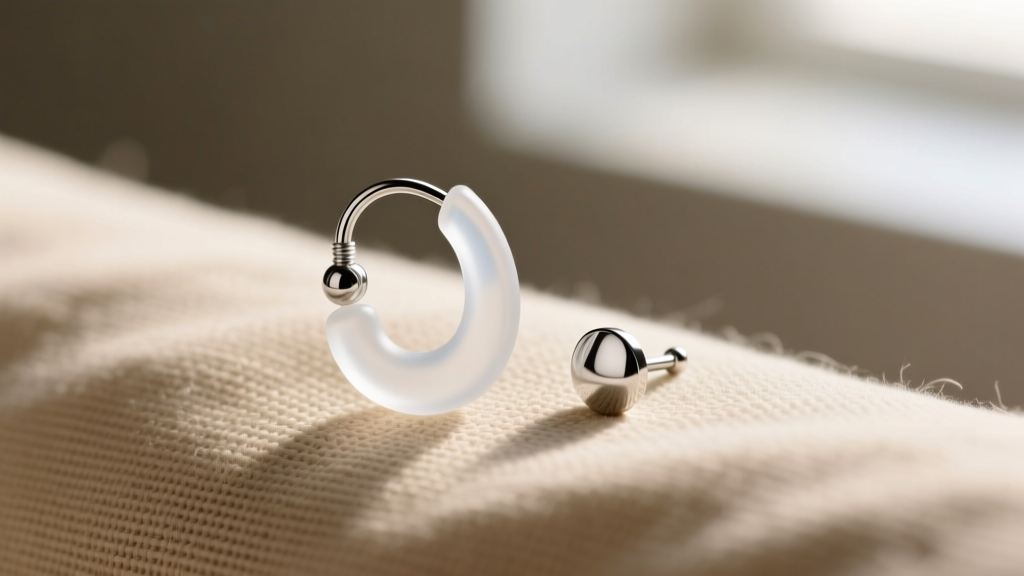
The Rise of Non-Metallic Ear Wires: Comfort Meets Chemistry
For millions of jewelry lovers, the simple act of putting on a pair of dangles or drops is accompanied by the dread of contact dermatitis. While surgical steel and titanium are standard hypoallergenic upgrades, plastic earring hooks have carved out a vital niche in both the sensitive-ear market and the DIY jewelry-making community. But not all plastics are created equal. A cheap acrylic wire will snap under the torque of a heavy drop earring, while medical-grade polymers offer biocompatible flexibility that outperforms even 14k gold for certain earlobe types.
Whether you are a jewelry artisan sourcing components for your Etsy shop, or a consumer seeking relief from severe nickel allergies, understanding the material science, gauge specifications, and failure modes of plastic ear wires is critical. This guide cuts through the marketing fluff to deliver actionable, expert-level specifications for sourcing and wearing non-metallic earring hooks.
Material Breakdown: Silicone vs. PTFE vs. Acrylic vs. Nylon
The term 'plastic' is a massive oversimplification. In the jewelry industry, non-metallic hooks are manufactured from four distinct polymers, each with unique tensile strengths, biocompatibility ratings, and aesthetic profiles. According to the American Academy of Dermatology, nickel allergy affects up to 15% of the population, making inert polymers a medical necessity rather than just a stylistic choice.
| Material | Biocompatibility | Flexibility | Durability & Failure Mode | Avg. Price (per 100pcs) |
|---|---|---|---|---|
| Medical-Grade Silicone | Excellent (Hypoallergenic) | High (Soft & Cushioning) | Tears at the eyelet loop under heavy loads | $8.00 - $14.00 |
| PTFE (Polytetrafluoroethylene) | Superior (Surgically Inert) | Low (Rigid but bendable) | Holds shape perfectly; rare stress fractures | $15.00 - $25.00 |
| Acrylic | Moderate (Can harbor bacteria in micro-scratches) | Very Low (Brittle) | Snaps abruptly if bent past 45 degrees | $3.00 - $6.00 |
| Clear Nylon (Polyamide) | Good | Medium (Springy) | Degrades and yellows with UV/sweat exposure | $5.00 - $9.00 |
Deep Dive: PTFE and BioFlex
PTFE, often recognized by the brand name BioFlex in the body-piercing community, is the gold standard for severe metal allergies. It is entirely inert, meaning it will not react with sebum, sweat, or topical skincare acids (like AHAs and BHAs). However, PTFE has a 'memory' effect. If you bend a PTFE earring hook to adjust the drape, it will slowly attempt to return to its original straight shape, which can push the earring forward away from the face.
Deep Dive: Medical-Grade Silicone
Silicone hooks are the ultimate solution for heavy statement earrings. Because the material has a high coefficient of friction and a soft durometer, it grips the inside of the earlobe, preventing the earring from drooping forward. The trade-off is tensile weakness at the connection points. If you are a jewelry maker, always use a wire guardian or a reinforced metal loop at the eyelet to prevent the silicone from shearing off.
Sizing and Gauge Specifications: Getting the Fit Right
Buying plastic earring hooks without checking the gauge and drop length is the most common mistake novice jewelry makers and consumers make. Unlike metal, which can be easily filed down or bent, plastic requires precise initial sizing.
- 22-Gauge (0.64mm): Extremely thin. Best suited for lightweight beads, seed pearls, and delicate DIY wire-wrapping. Not recommended for standard pierced lobes as it can cause 'cheese-cutter' syndrome (migrating through the piercing channel) if the earring is heavy.
- 20-Gauge (0.81mm): The industry standard. Fits 95% of standard lobe piercings comfortably. Provides enough structural integrity to hold glass beads and medium-weight acrylic drops.
- 18-Gauge (1.02mm): Thick and sturdy. Required for cartilage piercings or heavy bohemian dangles. Note that many standard, older ear piercings done with piercing guns (which often use 20g or 22g studs) may find 18g plastic hooks difficult to insert without lubrication.
The Importance of 'Drop Length'
Drop length refers to the distance from the top of the ear wire (where it enters the piercing) to the bottom of the connecting loop. Standard plastic hooks feature a 15mm to 20mm drop. If you are designing earrings with large focal beads, opt for a 25mm drop to ensure the bead does not rest awkwardly against the lower earlobe, which can cause friction and irritation.
DIY Jewelry Making: Working with Plastic Wires
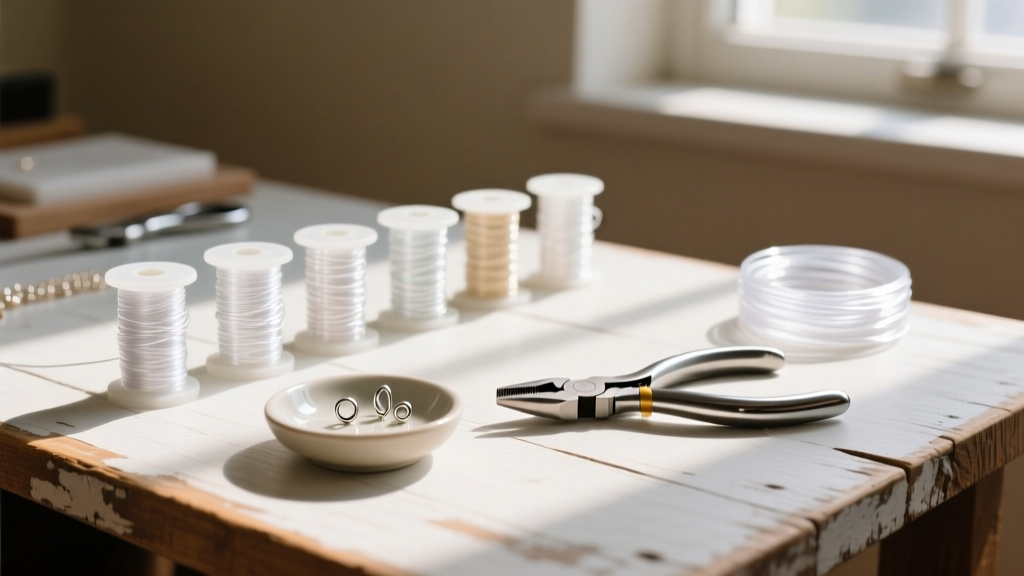
If you are fabricating your own plastic earring hooks from bulk spools of nylon or PTFE wire, your technique must adapt to the thermal properties of the polymer. Metal wire hardens when worked; plastic wire fatigues and micro-fractures.
Pro-Tip for Artisans: When forming the eyelet loop on a PTFE or nylon wire, never use sharp-edged chain-nose pliers. The sharp metal edge will score the plastic, creating a stress-fracture point that will snap the moment the wearer puts the earring on. Always use smooth-jawed round-nose pliers or a dedicated wire-looping mandrel.
For nylon wires, some advanced jewelry makers use a micro-heat gun (set to a low 150°F / 65°C) to gently warm the wire before bending. This relaxes the polymer chains, allowing for a perfect 90-degree bend or a tight eyelet loop without inducing internal stress fractures. Allow the wire to cool completely on the mandrel before removing it to lock in the shape.
Maintenance, Failure Modes, and Replacement
Plastic earring hooks require a completely different maintenance protocol than sterling silver or gold. The most frequent point of failure is chemical degradation from improper cleaning.
What to Avoid
Never clean acrylic or nylon earring hooks with rubbing alcohol (isopropyl alcohol) or acetone-based jewelry dips. These solvents will cause 'crazing'—a network of microscopic surface cracks that not only weakens the hook but creates a porous surface that harbors bacteria, leading to earlobe infections. According to clinical data on contact dermatitis, secondary bacterial infections are a common complication when compromised jewelry materials trap moisture and dead skin cells against the piercing site.
Proper Cleaning Protocol
- Use a lukewarm solution of distilled water and a mild, fragrance-free antibacterial soap.
- Gently agitate the hooks for 30 seconds.
- Rinse thoroughly with distilled water to prevent hard water mineral buildup.
- Pat dry with a lint-free microfiber cloth. Do not air dry, as water spots can cloud the transparency of clear acrylic and silicone.
Final Verdict: Which Plastic Hook is Right for You?
The ideal plastic earring hook depends entirely on your primary use case. For consumers with severe contact dermatitis who wear heavy, statement-making drops, medical-grade silicone is unmatched in comfort and grip, provided you replace them every 6 to 12 months as they stretch. For body jewelry purists and those needing permanent, non-reactive solutions for fresh or irritated piercings, PTFE (BioFlex) offers surgical-level safety and rigid durability. Finally, for DIY jewelry makers producing budget-friendly, lightweight collections, clear nylon provides the best balance of springiness, ease of use, and cost-efficiency. By matching the polymer properties to your specific design and physiological needs, you can eliminate earlobe irritation without sacrificing aesthetic elegance.


