Miriam Haskell Vintage Earrings: A 2026 Gift Guide
Discover how to gift Miriam Haskell vintage earrings. Learn authentication tips, era pricing, and occasion matching for collectors.

The Art of Gifting Vintage: Why Miriam Haskell Stands Alone
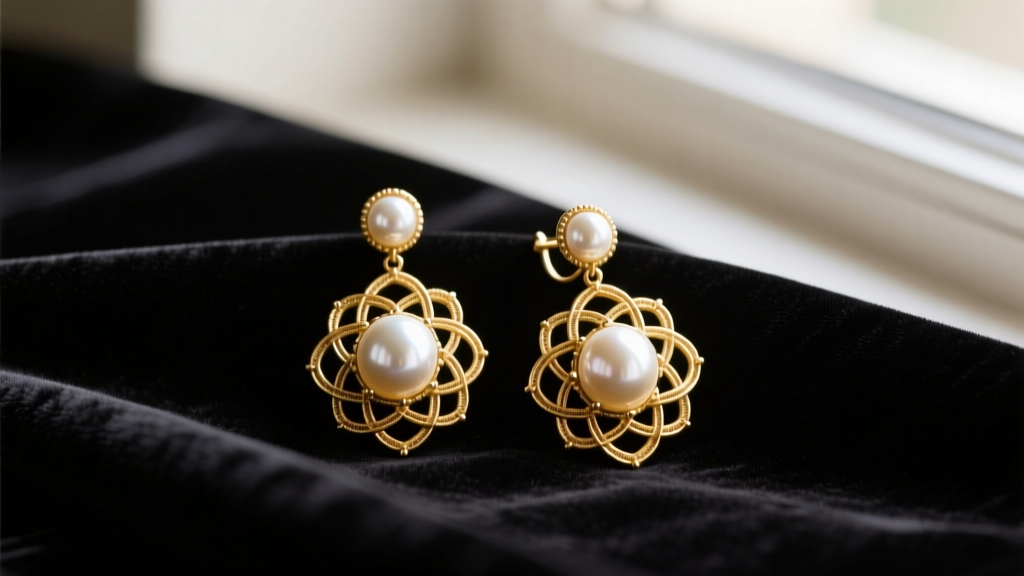
Gifting vintage jewelry is an intimate gesture that transcends the transactional nature of modern retail. It requires a keen eye for history, craftsmanship, and the unique taste of the recipient. Among the most coveted names in American costume jewelry, Miriam Haskell vintage earrings represent the pinnacle of mid-century artistry. Founded in 1926, the House of Miriam Haskell, with the legendary Frank Hess at the design helm, revolutionized the industry by treating costume jewelry with the same meticulous hand-wirework and material sourcing as fine jewelry. For the 2026 gifting season, presenting a pair of authentic Haskell earrings is not merely giving an accessory; it is bestowing a wearable piece of American fashion history.
Unlike mass-produced contemporary pieces, Haskell earrings are defined by their intricate filigree, signature 'Russian Gold' finish, and labor-intensive wire-wrapping techniques. Whether you are shopping for a vintage-obsessed bride, a theater-loving collector, or a matriarch celebrating a milestone, understanding the nuances of Haskell's distinct eras is critical to selecting the perfect pair.
Decoding the Eras: A Gifter’s Pricing and Signature Matrix
Authentication and valuation of Miriam Haskell vintage earrings rely heavily on identifying the era of production. The company's signatures, materials, and construction methods evolved significantly from the 1920s through the late 20th century. Below is a definitive guide to help you match the era to your recipient's aesthetic and your budget.
| Era | Signature / Markings | Key Characteristics | 2026 Market Price Range |
|---|---|---|---|
| 1920s – 1940s | Mostly unsigned; occasional tiny paper labels | Heavy Russian Gold plating, early Bohemian glass, intricate hand-wirework, screw-backs or early clips. | $800 – $2,500+ |
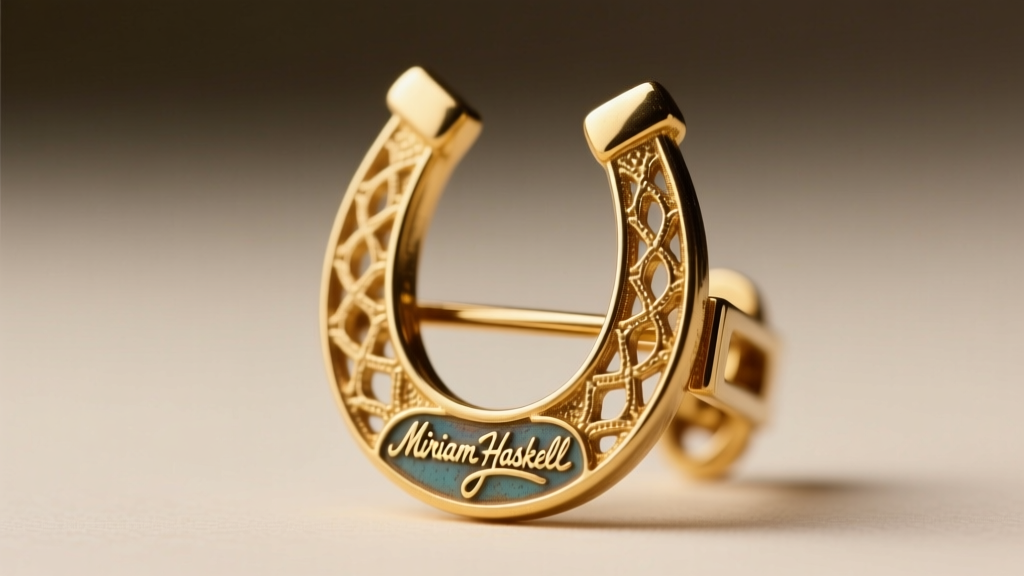
| 1948 – 1950s | Oval plaque or Horseshoe plaque ('Miriam Haskell') | Baroque faux pearls, rhinestone accents, floral motifs, standard clip-on backs. | $250 – $650 |
| 1960s – 1970s | 'Haskell Jewels' stamped on metal | Bolder geometric shapes, larger cabochons, lighter gold tones, introduction of pierced earring posts. | $150 – $400 |
| 1980s – 1990s | 'Miriam Haskell' with copyright symbol | Revival of classic pearl designs, gold-plated base metals, standardized manufacturing. | $100 – $250 |
For the serious collector, the unsigned 1930s pieces are the holy grail. According to historical archives documented by Lang Antiques University, the earliest Haskell pieces were entirely hand-assembled by immigrant artisans in New York, making each pair a unique sculptural artifact. The premium pricing reflects both rarity and the sheer hours of labor required to wrap each individual glass bead in fine brass wire.
Occasion Matching: Pairing the Piece to the Moment
A successful vintage gift aligns the physical characteristics of the jewelry with the lifestyle and upcoming events of the recipient. Here is how to strategically match Miriam Haskell vintage earrings to specific occasions.
The Vintage Bride: Weddings and Bridal Showers
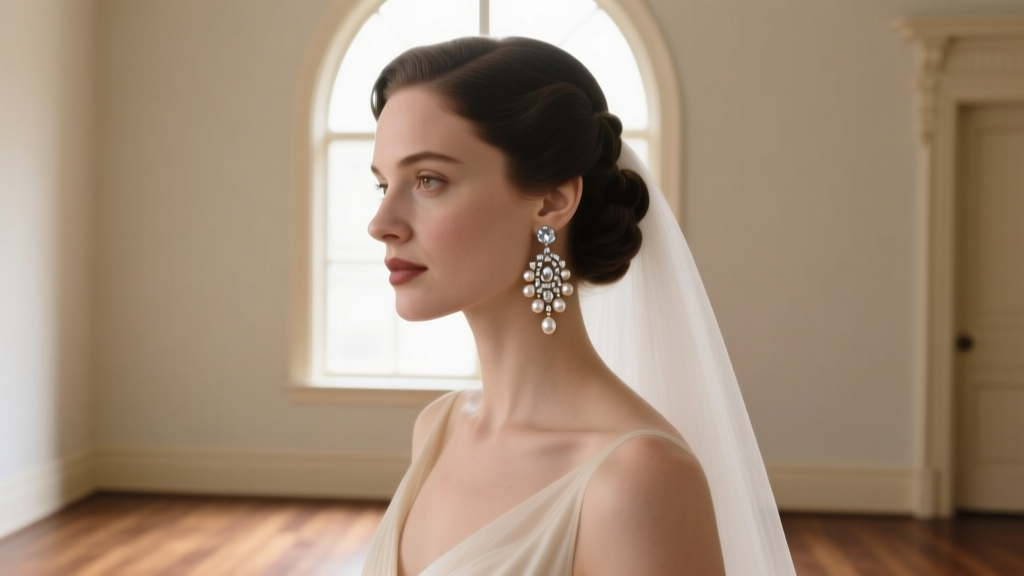
For the bride seeking a non-traditional, old-world glamour aesthetic, Haskell’s pearl-heavy designs from the 1950s are unparalleled. Look for dangle or chandelier earrings featuring the brand's iconic baroque faux pearls. These pearls were created using a secret 'essence d'orient' coating derived from fish scales, giving them a luminous, organic depth that modern plastic or glass pearls simply cannot replicate. A pair of 1950s Haskell pearl drop earrings serves as a breathtaking 'something borrowed' or 'something old,' offering a romantic, heirloom-quality feel without the exorbitant insurance requirements of fine diamond bridal jewelry.
The Black-Tie Enthusiast: Galas, Operas, and Premieres
If your recipient frequents the theater or attends high-society galas, opt for the dramatic, oversized clip-ons of the 1940s and 1980s revival eras. Haskell was famous for her 'more is more' approach to evening wear. Seek out wide, dome-shaped clip-ons encrusted with aurora borealis rhinestones and gold-tone filigree. The substantial weight and presence of these pieces catch the ambient lighting of a concert hall beautifully. Because these are typically clip-ons, they are perfect for recipients who do not have pierced ears or who prefer not to bear the weight of heavy earrings on their earlobes.
The Milestone Birthday: Anniversaries and Graduations
For a 50th birthday or a major graduation, a sophisticated, understated pair of 1960s 'Haskell Jewels' studs or small hoops is an excellent choice. These pieces often feature rich, cabochon-cut glass stones in deep emeralds, sapphires, or rubies, set in polished gold-tone metal. They bridge the gap between vintage charm and everyday wearability, allowing the recipient to incorporate a piece of history into their daily professional or casual wardrobe.
Authentication and Condition: The Expert’s Checklist
When purchasing Miriam Haskell vintage earrings as a gift, condition is paramount. Vintage costume jewelry is fragile, and presenting a damaged piece can turn a thoughtful gift into a disappointment. Use this expert checklist before finalizing your purchase:
- The Wirework Test: Authentic early Haskell pieces feature incredibly tight, neat wire wrapping. If the wires are sloppy, glued, or show signs of modern soldering, the piece may be a reproduction or heavily damaged.
- The Russian Gold Finish: Haskell's proprietary 'Russian Gold' is a matte, slightly antique-looking gold plating over brass. Crucial Care Tip: Never attempt to polish Russian Gold with chemical dips or silver polishing cloths. Doing so will strip the fragile patina, destroying the piece's value. A soft, dry microfiber cloth is all that should ever touch it.
- Pearl Coating: Inspect the faux pearls under bright light. Flaking or peeling 'essence d'orient' coating is common in poorly stored pieces. While minor wear on the back of a pearl is acceptable, the front-facing surfaces should be pristine.
- Clip-On Tension: Many vintage wearers complain that mid-century clip-ons pinch the earlobe. As a thoughtful gifter, include a small box of modern silicone earring cushions or suggest a jeweler gently adjust the tension of the metal clip. This small touch shows you care about the recipient's comfort, not just the aesthetic.
Where to Source Authentic Pieces in 2026
The secondary market for vintage costume jewelry has become highly sophisticated. To guarantee authenticity, avoid unvetted marketplace listings that lack macro-photography of the signature plaques and wirework reverses. Instead, source your Miriam Haskell vintage earrings from specialized platforms. Ruby Lane's vetted vintage dealers are an excellent starting point, as the platform enforces strict descriptions regarding condition and era. Additionally, reputable auction houses and specialized vintage jewelry curators on platforms like 1stDibs offer authenticated pieces, often accompanied by provenance or historical context.
Ultimately, gifting Miriam Haskell vintage earrings is an exercise in curation. By understanding the historical weight of the Russian Gold finish, the evolution of the signature plaques, and the specific occasions that call for her dramatic flair, you elevate your gift from a simple accessory to a cherished, wearable artifact. In an era of fast fashion, giving the gift of enduring, hand-wrapped artistry is a statement that will be remembered for decades to come.


