How to Clean and Care for Laurel Burch Cat Earrings
Discover expert tips to clean, store, and maintain your Laurel Burch cat earrings. Protect the vibrant enamel and gold-tone plating from damage.

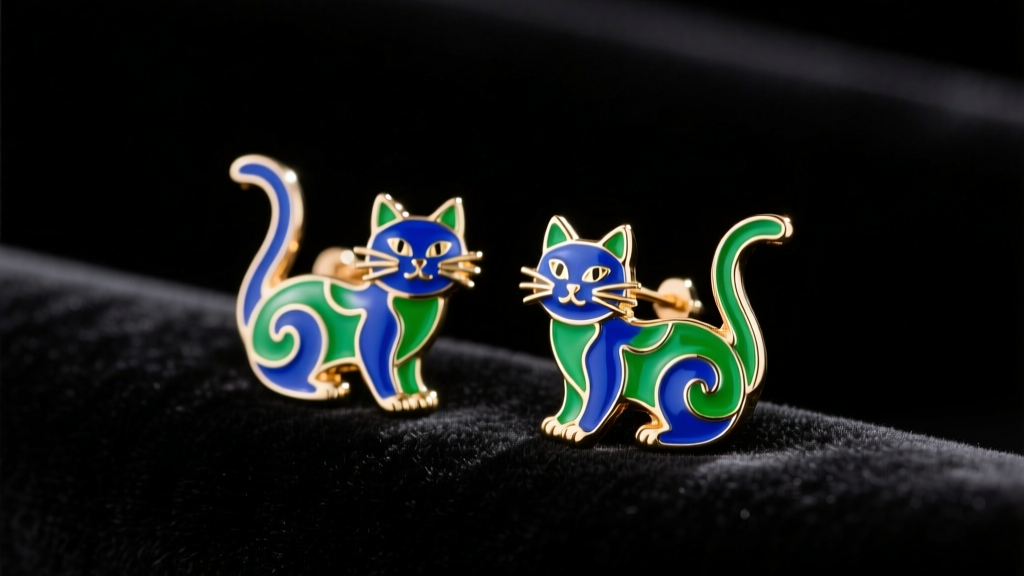
Laurel Burch’s feline designs are far more than simple fashion accessories; they are wearable pieces of folk art. Characterized by their whimsical charm, bold geometric patterns, and striking color palettes, these earrings have cultivated a devoted collector's market. However, the very materials that give Laurel Burch cat earrings their iconic look—vitreous enamel and delicate electroplating—make them highly vulnerable to improper cleaning methods. If you want to preserve the structural integrity and visual brilliance of your collection, you must adopt a specialized maintenance routine.
The Unique Anatomy of Laurel Burch Cat Earrings
To clean these earrings properly, you must first understand their construction. Most vintage and contemporary Laurel Burch pieces utilize a cloisonné-style enameling technique. This intricate process involves soldering fine metal wires to a base metal (typically brass or a zinc alloy) to create tiny cells. These cells are then filled with vitreous enamel powder and fired in a kiln. Finally, the piece is polished and plated in a gold-tone or silver-tone finish.
The enamel itself is essentially glass, rating around 5 to 6 on the Mohs hardness scale. While relatively hard, it is brittle and prone to chipping upon impact. Conversely, the gold electroplating is incredibly thin—often less than 2.5 microns—and highly susceptible to friction, acidic sweat, and chemical wear. Understanding this dichotomy between the hard, brittle enamel and the soft, delicate plating is the foundation of proper jewelry conservation.
What NEVER to Do: The Enamel and Plating Killers
Many standard jewelry cleaning methods will cause irreversible damage to enameled pieces. Avoid the following at all costs:
- Ultrasonic Cleaners: The high-frequency acoustic cavitation bubbles created by ultrasonic machines are a death sentence for enamel. The vibrations can easily fracture the glass-like surface or cause it to separate from the metal backing.
- Abrasive Pastes: Baking soda, toothpaste, and commercial silver polishes contain micro-abrasives. These will permanently scratch the high-polish enamel surface and strip the gold-tone plating down to the base brass.
- Alcohol and Acetone: While alcohol is great for sanitizing solid gold, it can degrade the epoxy resins or adhesives sometimes used to secure earring posts or accent stones on the back of the enamel plate.
- Ammonia-Based Solutions: Ammonia will aggressively oxidize the base metals if it seeps into microscopic cracks in the enamel, leading to structural failure.
Step-by-Step Cleaning Routine for Vibrant Enamel
According to conservation principles outlined by the American Institute for Conservation, the safest approach to cleaning composite decorative objects is mechanical removal of soil using the gentlest possible medium. For your Laurel Burch cat earrings, this means a controlled, low-moisture wash.
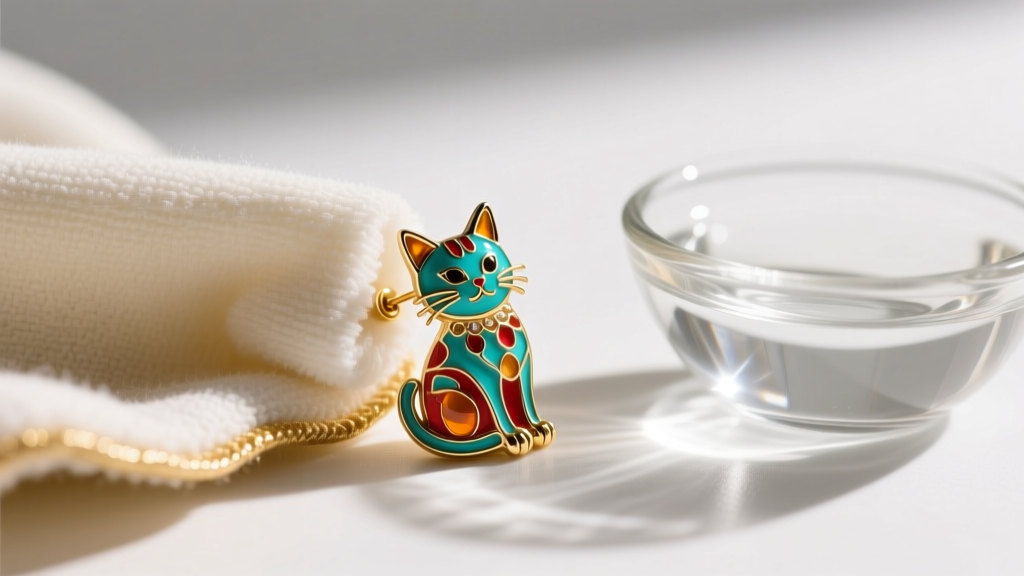
Tools You Will Need
- Distilled water (tap water contains minerals that leave spots on glass-like enamel)
- pH-neutral liquid dish soap (e.g., original blue Dawn, free of lotions or citrus degreasers)
- Ultra-soft baby toothbrush or cotton swabs
- Lint-free microfiber polishing cloth
The Gentle Wipe-Down Method
- Mix the Solution: In a small glass bowl, combine one cup of distilled water with a single drop of pH-neutral dish soap. Agitate to create mild suds.
- Target the Crevices: Dip the baby toothbrush or cotton swab into the suds (not the water) and gently trace the metal wire boundaries of the cloisonné design. This lifts sebum, dead skin cells, and cosmetic residue trapped in the metal channels.
- Wipe the Enamel: Dampen a corner of your microfiber cloth with the solution and gently wipe the flat enameled surfaces. Do not apply heavy pressure.
- Rinse and Dry Immediately: Dampen a fresh cloth with pure distilled water and wipe away any soap residue. Immediately dry the earring completely with the dry side of the microfiber cloth. Leaving moisture on the piece can lead to water spots or base metal oxidation.
Maintaining the Hardware and Earring Posts
The earring posts and butterfly backs require a different approach than the enameled face. Because these components are in direct contact with the skin, they accumulate bacteria and oxidized sweat, which can cause contact dermatitis or ear lobe infections.
Guidelines from the Jewelers of America suggest sanitizing earring posts regularly. You may use a cotton swab dipped in 70% isopropyl rubbing alcohol strictly on the metal post and the earring nut. Take extreme care not to let the alcohol touch the painted or enameled front of the cat design. If your Laurel Burch earrings feature screw-backs or clip-on mechanisms, use a dry wooden toothpick to gently clear out debris from the threading or hinge joints before applying a microscopic drop of sewing machine oil to the hinge to maintain smooth operation.
Proper Storage to Prevent Enamel Chipping
Improper storage is the leading cause of chipped enamel in vintage jewelry collections. When earrings are tossed into a communal jewelry box, the hard enamel can scratch softer gold pieces, or worse, harder gemstones (like quartz or diamonds) can chip the Laurel Burch enamel.
| Factor | Ideal Condition | Risk of Neglect |
|---|---|---|
| Separation | Individual anti-tarnish flannel pouches | Enamel chipping, gold-plating friction wear |
| Humidity | Below 50% relative humidity | Verdigris (green corrosion) on brass base |
| Temperature | Stable room temp (65-75°F) | Thermal shock causing enamel micro-fractures |
| Light Exposure | Dark, UV-protected drawers | Fading of secondary painted accents or resin |
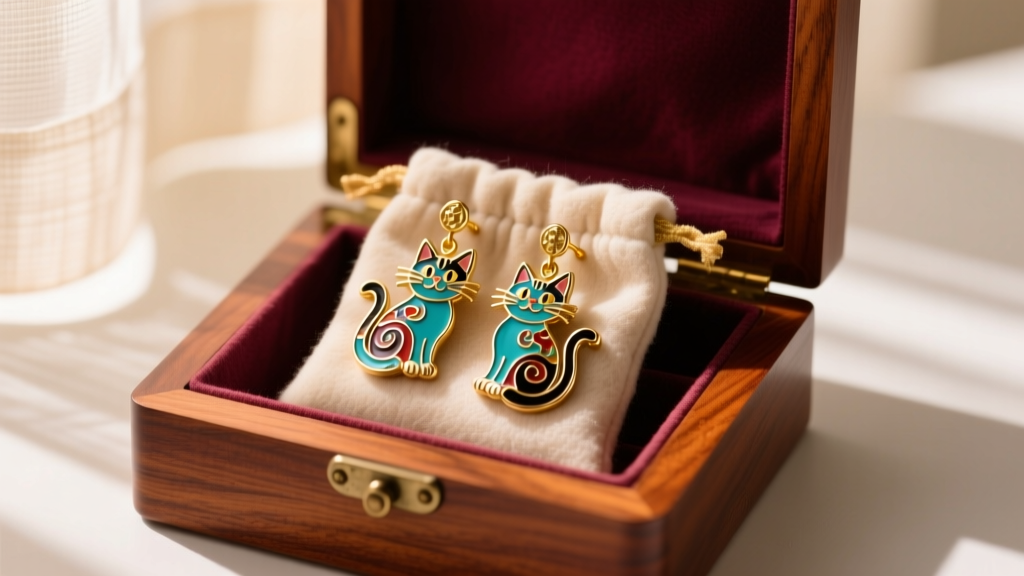
Always store your cat earrings flat. Hanging them on a jewelry tree puts unnecessary stress on the solder joint connecting the earring post to the back of the enamel plate, which can eventually lead to the post snapping off entirely.
Troubleshooting Common Issues
Dealing with Verdigris (Green Corrosion)
If you notice a powdery green substance forming near the earring post or along the metal edges, this is verdigris—a copper carbonate or copper acetate corrosion that occurs when the brass base metal reacts with moisture and acidic skin oils. Do not use liquid cleaners to remove it. Instead, use a dry, pointed wooden toothpick to gently pick the corrosion out of the crevices. Once removed, store the earrings with a silica gel packet to halt further oxidation.
Restoring Dull Enamel
Over time, the high-gloss finish of the enamel can appear dull due to microscopic surface scratches and accumulated skin oils. To restore the depth and shine, apply a single drop of pharmaceutical-grade mineral oil to a microfiber cloth. Buff the enameled surface gently in circular motions, then use a clean, dry section of the cloth to buff away all excess oil. This temporary fill enhances the optical clarity of the glass enamel without leaving a sticky residue.
Loose Earring Nuts
The standard metal butterfly backs can wear down and lose their grip on the post. Rather than bending the metal and risking damage to the post solder, upgrade to silicone earring backs or sterling silver friction backs with tighter coils. This ensures the heavy enameled cat face sits flush against the earlobe without drooping.
Final Thoughts on Preserving Wearable Art
Laurel Burch cat earrings represent a unique intersection of whimsical artistry and intricate metallurgy. By abandoning harsh commercial chemicals in favor of gentle, targeted cleaning techniques, you ensure that the vibrant colors and gold-tone details remain as captivating as the day they were crafted. Treat these pieces not merely as accessories, but as delicate collectibles, and they will continue to bring joy and artistic flair to your wardrobe for decades to come.


