What Is a Leverback Earring? A Beginner's Security Guide
Discover how a leverback earring works, why it's the most secure clasp for drop styles, and how to choose the right gauge and metal for sensitive ears.

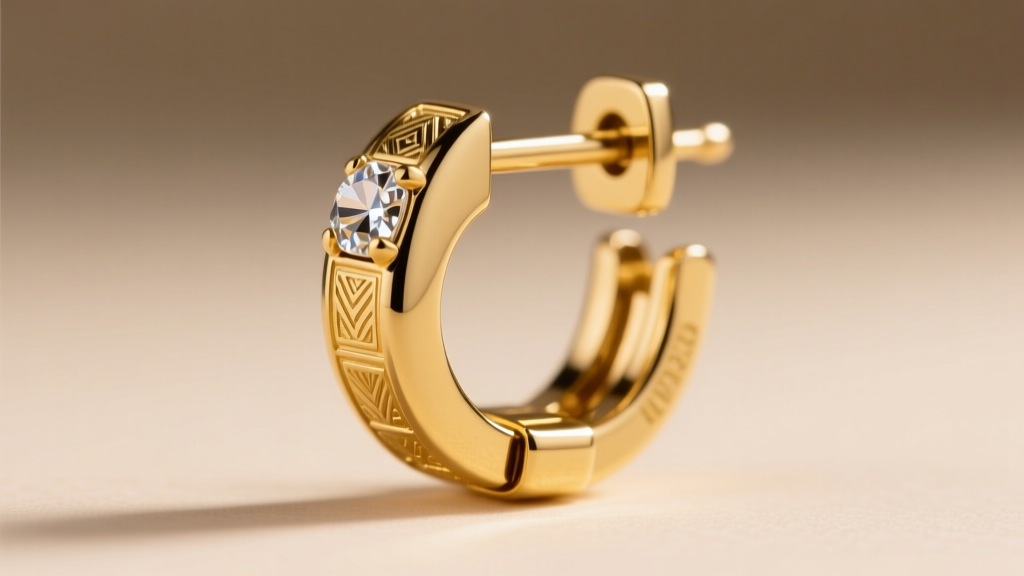
The Anatomy of a Leverback Earring
If you have ever lost a favorite drop earring to a gust of wind or a tangled sweater, you already understand the frustration of insecure jewelry. Enter the leverback earring, a mechanical marvel in the world of fine jewelry that prioritizes both elegance and peace of mind. But what exactly is a leverback, and how does it differ from the standard clasps you find on most commercial jewelry?
At its core, a leverback is a hinged earring wire that passes through the ear piercing and snaps securely into a catch at the front of the earring. The design consists of three primary components:
- The Hinge: Located at the back or bottom of the earring's main body, this tiny mechanical joint allows the wire to swing open and closed. High-quality hinges are soldered or friction-fitted to prevent lateral wobbling.
- The Lever (or Wire): The curved piece of metal that actually passes through your earlobe. It is attached to the hinge and features a slight bend or notch near the tip.
- The Catch: A small loop, groove, or clasp at the front of the earring that the tip of the lever locks into. When closed, the tension of the metal creates a distinct, satisfying 'click'.
This locking mechanism creates a closed circuit of metal, meaning the earring cannot slip out of your ear unless the clasp is intentionally unlatched. For beginners transitioning from basic studs to more elaborate dangles and chandelier styles, understanding this mechanism is the first step toward building a secure, long-lasting jewelry collection.
Why Leverbacks Are the Gold Standard for Security
To truly appreciate the leverback earring, it helps to compare it against other common earring backs. While post-and-butterfly clasps are standard for studs, they are notoriously unreliable for heavy drop earrings. The friction backs can loosen throughout the day, and the sharp posts often poke the neck during sleep. Similarly, French wires (fishhooks) rely entirely on gravity and the natural curve of the wire to stay in place, making them highly susceptible to falling out when you remove a scarf or talk on the phone.
Below is a breakdown of how the leverback compares to other popular earring mechanisms:
| Clasp Type | Security Level | Best Use Case | Primary Drawbacks |
|---|---|---|---|
| Leverback | High | Dangles, drops, active wear, and heavy gemstones | Hinge can lose tension over many years of use |
| French Wire (Fishhook) | Low | Lightweight, casual drop earrings | Falls out easily; requires silicone stoppers |
| Post & Butterfly | Medium | Standard studs and small hoops | Backs loosen over time; posts can poke the neck |
| Latchback (Hinged Hoop) | Medium-High | Classic hoops and huggies | Click mechanism can fail if the post bends |
Because the leverback creates a fully enclosed loop, it is the preferred choice for heirloom jewelry, expensive gemstone drops, and everyday wear for active individuals. According to the Gemological Institute of America (GIA), secure settings and clasps are paramount when dealing with high-value precious stones, as the loss of a clasp often results in the loss of the gem itself.
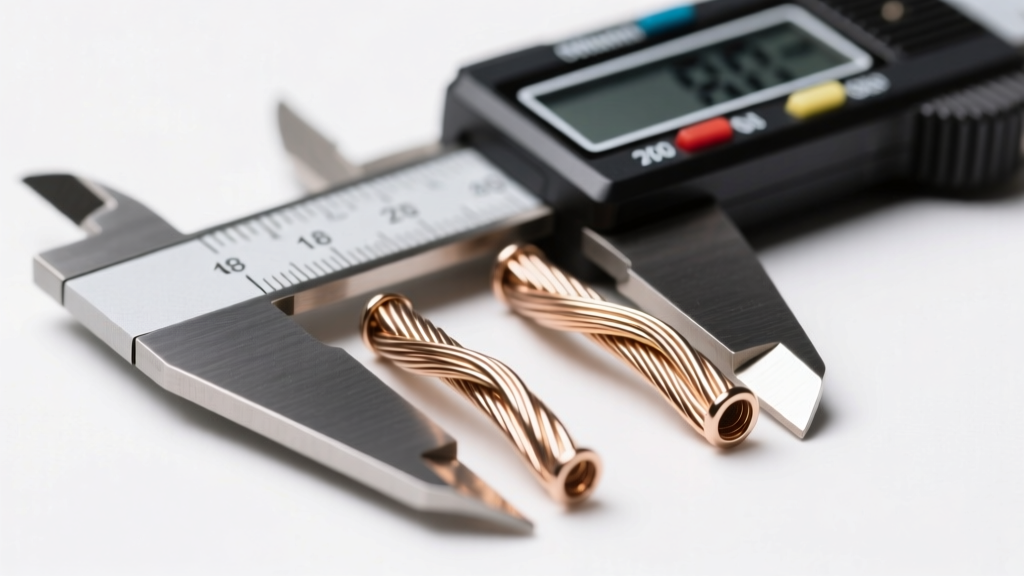
Sizing and Gauge: What Beginners Must Know
When shopping for your first leverback earring, you will encounter the term 'gauge.' Gauge refers to the thickness of the wire that passes through your piercing. Getting the gauge right is critical for both comfort and the structural integrity of the earring.
Standard Lobe Piercings (20G and 18G)
Most standard earlobe piercings done with a gun or a standard needle are between 20-gauge (0.81mm) and 18-gauge (1.02mm). The vast majority of commercial leverback earrings are crafted in 20G or 19G to ensure they glide effortlessly through these standard holes without causing friction or stretching the tissue.
When to Size Up to 18G or 16G
If you are purchasing a leverback earring that features a heavy pendant—such as a large quartz briolette, a solid gold geometric drop, or a multi-stone chandelier—an 18G or even 16G (1.29mm) wire is highly recommended. A 20G wire supporting a heavy stone will act like a pendulum. Over time, the kinetic energy of the heavy drop swinging will cause the thinner wire to bend, warp, and eventually snap at the hinge. Always check the product specifications for wire thickness if the earring features stones larger than 5 carats.
Material Matters: Hypoallergenic Options for Sensitive Lobes
The hinge and catch of a leverback earring sit directly against the skin, and the wire passes entirely through the fistula (the piercing channel). If you have sensitive ears or a nickel allergy, the metal composition is non-negotiable. The jewelry industry frequently uses the term 'hypoallergenic' as a marketing buzzword, but this term is not strictly regulated and often just means the base metal is plated with a thin layer of silver or gold that will eventually wear off.
For true biocompatibility, look for the following materials:
- Implant-Grade Titanium (ASTM F136): The absolute gold standard for sensitive ears. It is entirely nickel-free, lightweight, and highly resistant to corrosion. The Association of Professional Piercers (APP) strongly recommends ASTM F136 titanium for all body jewelry, including intricate clasps like leverbacks.
- Niobium: A highly reactive metal that is naturally hypoallergenic and can be anodized into vibrant colors without the use of toxic dyes or plating.
- 14k or 18k Solid Gold: Excellent for sensitive ears, provided it is nickel-free (often alloyed with silver, copper, or palladium). Avoid gold-plated or gold-filled leverbacks, as the friction of the hinge mechanism will quickly wear away the gold layer, exposing the reactive brass or copper base metal underneath.

Troubleshooting Common Leverback Clasp Issues
While leverbacks are incredibly durable, they are mechanical devices and occasionally require minor maintenance. Here is how to troubleshoot the two most common issues beginners face.
Issue 1: The Clasp Won't Stay Closed (Loss of Tension)
Over years of opening and closing, the metal lever can stretch slightly, causing the tip to fall short of the catch. When the earring no longer 'clicks' shut, it is at risk of falling out. The Fix: Do not throw the earring away. Using a pair of nylon-jaw pliers (never metal pliers, which will scratch and mar the finish), gently grip the lever wire and bend it upward by just one or two millimeters. This restores the tension and allows the tip to snap securely back into the catch.
Issue 2: The Hinge is Stuck or Stiff
If the leverback is difficult to open, it is likely clogged with a mixture of sebum, dead skin cells, and lotion. The Fix: Do not force it, as you risk snapping the hinge pin. Instead, soak the earring in a small cup of 91% isopropyl alcohol for five minutes. Then, use a soft-bristled baby toothbrush to gently scrub the hinge joint. Rinse with distilled water and dry completely. Avoid using ultrasonic cleaners on hinged jewelry if the piece features tension-set stones or soft, porous gems like opals or pearls near the clasp, as the vibrations can loosen the settings.
Final Verdict: Are Leverbacks Right for You?
If you are investing in drop earrings, dangles, or any piece of jewelry you cannot afford to lose, the leverback earring is an essential upgrade. By understanding the gauge requirements for your specific piercing, insisting on biocompatible metals like ASTM F136 titanium or solid 14k gold, and knowing how to perform basic tension maintenance, you can enjoy the security and elegance of leverbacks for a lifetime. They represent the perfect intersection of mechanical engineering and fine jewelry design, ensuring your favorite pieces stay exactly where they belong.


