The Beginner's Guide to Long Post Earrings for Thick Lobes
Discover everything about long post earrings for thick lobes and healing piercings. Learn how to measure, pick safe metals, and avoid embedding.

Why Standard Earrings Fail: The Case for Long Post Earrings
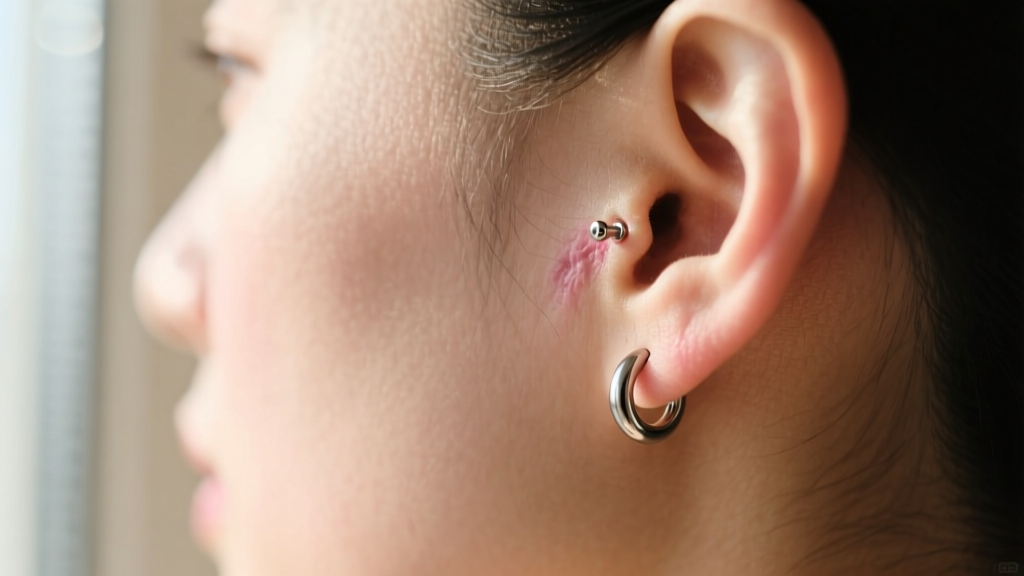
If you have ever experienced the sharp poke of a standard earring backing digging into your neck, or dealt with a swollen earlobe that seemingly "swallowed" your jewelry, you have encountered the limitations of mass-market jewelry. For individuals with thicker earlobes, or those navigating the unpredictable swelling of a fresh piercing, standard earrings are not just uncomfortable—they can be a health hazard.
This is where long post earrings step in. Often referred to in the professional body modification community as long labrets or extended flat-back studs, these specialized pieces feature a longer straight barbell designed to accommodate extra tissue depth and swelling. In 2026, the shift toward bespoke, anatomy-fitted jewelry has made long post earrings a staple not just for fresh piercings, but for anyone seeking all-day comfort and lobe health.
Whether you are upgrading your everyday basics or managing a new piercing, understanding the nuances of post length, gauge thickness, and material safety is critical. This beginner-friendly explainer will break down exactly how to choose, measure, and wear long post earrings without the guesswork.
Decoding Post Lengths: Standard vs. Long
The jewelry industry typically measures post length in millimeters (mm). A standard earring post, commonly found in mall kiosks and fast-fashion retailers, usually measures between 5mm and 6mm. While this works for very thin lobes, it leaves zero room for error, friction, or natural tissue expansion.
Long post earrings generally start at 8mm and can extend up to 12mm or even 14mm for specialized cartilage or thick-tissue applications. Below is a quick-reference chart to help you identify which length category your anatomy requires.
| Post Length | Inch Equivalent | Best Use Case | Tissue Type |
|---|---|---|---|
| 5mm - 6mm | 3/16" - 1/4" | Standard healed lobes (thin) | Thin / Compressed |
| 8mm | 5/16" | Healed thick lobes, initial tragus | Medium / Thick |
| 10mm | 3/8" | Fresh lobe piercings, very thick lobes | Thick / Swollen |
| 12mm - 14mm | 1/2" - 9/16" | Heavy swelling, specialized cartilage | Extra Thick / Healing |
Pro Tip: If you are buying long post earrings for a healed thick lobe, you want the post to sit flush or with a tiny gap (about 1mm) against the back of the ear. If the post is too long on a healed ear, it will slide back and forth, causing friction and potential irritation bumps.
Material Matters: Protecting Your Piercing
When you wear a long post earring, more metal is in constant contact with your internal tissue channel (the fistula). This makes material biocompatibility absolutely non-negotiable. The most common mistake beginners make is purchasing "surgical steel" without verifying the specific alloy grade.
The Problem with Generic Surgical Steel
Many commercial brands use 316L stainless steel and market it as "hypoallergenic." However, 316L steel contains nickel. Over time, or when exposed to the moisture and heat of a thick earlobe, nickel ions can leach into the tissue, causing contact dermatitis, itching, and the dreaded "green ear" effect. According to the Association of Professional Piercers (APP), steel is acceptable for healed piercings only if the wearer has no nickel sensitivities, but it is never the gold standard.
The Gold Standard: ASTM F136 Titanium
For long post earrings, especially those worn for long hours or during sleep, you should exclusively look for Implant-Grade Titanium (ASTM F136). This specific alloy is completely nickel-free, highly polished, and biocompatible. It is the exact same metal used in orthopedic joint replacements and pacemakers. While a pair of high-quality titanium long posts might cost between $30 and $60 (compared to $10 for cheap steel alternatives), the investment prevents costly treatments for irritation bumps and allergic reactions.
Gauge Sizes Explained: Why Thickness Matters
Post length is only half the equation; the thickness of the metal wire (the gauge) is equally important. In the body jewelry world, the gauge system works inversely: the lower the number, the thicker the jewelry. Most standard department store earrings are incredibly thin, usually 20-gauge (0.8mm) or 22-gauge (0.6mm).
Wearing a thin 20g post in a thick lobe can cause the "cheese-cutter effect," where the thin wire slowly migrates downward through the tissue due to gravity and the weight of the earring front. For long post earrings, you should aim for a minimum of 18-gauge (1.0mm), with 16-gauge (1.2mm) or 14-gauge (1.6mm) being the ideal standard for structural stability and long-term lobe health.
Threading and Backings: Avoiding the Snag
Because long post earrings protrude slightly more or sit flush against a wider surface area, the mechanism that holds the earring in place is critical. You will generally encounter three types of ends:
- External Threading: The screw thread is on the post itself. Avoid this. The sharp threads must pass through your piercing every time you insert it, causing micro-tears in the delicate fistula tissue.
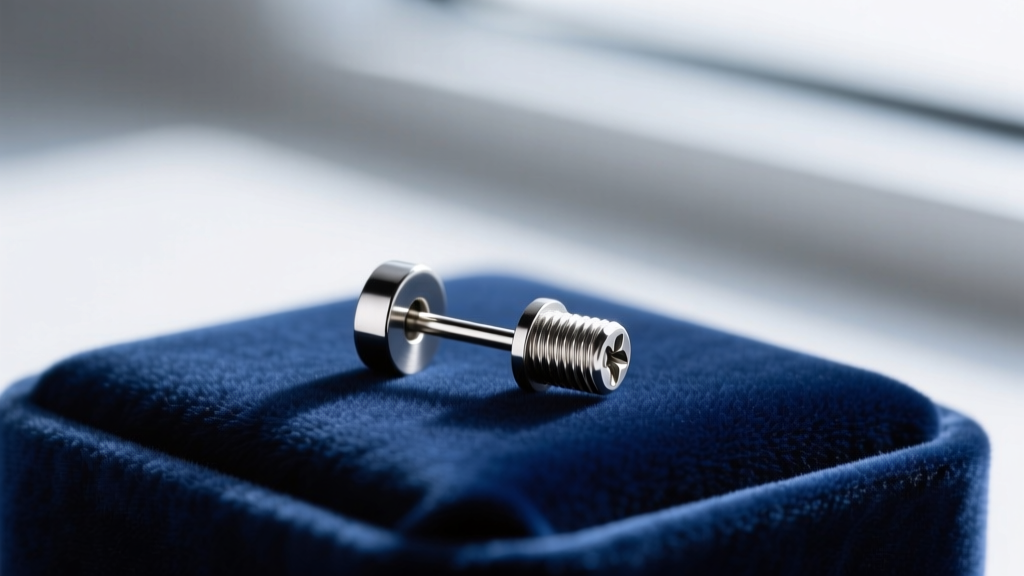
- Internal Threading: The screw thread is on the decorative end or the backing, and the post is smooth. This is vastly superior and highly recommended by professionals, as noted in the APP guidelines for fresh and healing jewelry.
- Threadless (Push-Pin): Popularized by brands like Neometal, this system uses a slightly bent pin that creates tension inside the hollow post. It is incredibly secure, completely smooth, and the easiest for beginners to manage without losing tiny screw-on backs in the bathroom sink.
Step-by-Step: How to Measure Your Lobe for a Long Post
Guessing your post length often leads to wasted money. Here is a foolproof method to measure your earlobe for a long post earring using tools you likely have at home.
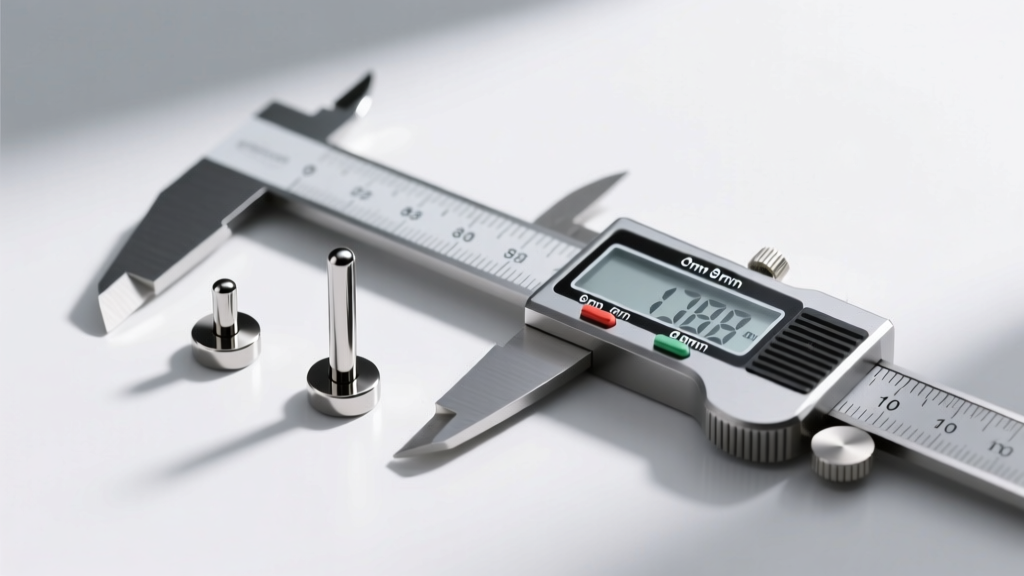
- Gather a digital caliper: A standard ruler is not precise enough. You can buy a cheap digital caliper online for under $15.
- Use a test pin: Take a sterilized, blunt-end needle or a piece of clean floss, and gently slide it through your piercing until it rests flush against the front and back of your lobe.
- Mark and measure: Pinch the floss or mark the needle exactly where it exits the front and back of your ear. Measure the distance between the marks in millimeters.
- Add your buffer: If your lobe measures exactly 8mm, and the piercing is fully healed, an 8mm or 9mm post is perfect. If the piercing is less than 6 months old, add 2mm to 4mm to accommodate latent swelling.
Common Mistakes Beginners Make With Long Posts
Even with the right measurements, beginners often stumble on the maintenance and wearing habits of extended jewelry. Avoid these three critical errors:
1. Downsizing Too Early
If you got your lobes pierced with 10mm long post earrings to handle the initial trauma and swelling, do not rush to downsize to an 8mm post after just two weeks. Swelling can fluctuate based on diet, sleep position, and hydration. Wait until your piercer confirms the tissue has fully stabilized, usually around the 8-to-12-week mark.
2. Sleeping on Friction Backs
If your long post earring uses a standard "butterfly" friction back, sleeping on it will push the metal backing directly into your neck or the back of your earlobe, causing pressure necrosis. Always switch to flat-back labrets or threadless ends for sleep.
3. Ignoring the O-Rings
Some long post earrings utilize silicone O-rings to secure the backing. While silicone is soft and comfortable, it is porous and can harbor bacteria if not cleaned regularly. If you use O-rings, replace them every few months and clean them with antibacterial soap weekly.
Final Thoughts on Upgrading Your Jewelry
Transitioning to long post earrings is one of the most impactful upgrades you can make for your ear health and daily comfort. By prioritizing ASTM F136 titanium, respecting the gauge thickness, and utilizing internal threading or threadless systems, you eliminate the daily annoyances of poking, snagging, and irritation. Take the time to measure your anatomy accurately, invest in high-quality pieces from reputable body jewelry brands, and your thick lobes will thank you for years to come.


