Witch Hat Earrings: 2026 Budget & Value Buying Guide
Discover the true value of witch hat earrings in 2026. We break down materials, pricing tiers, and construction to help you buy durable, skin-safe pairs.

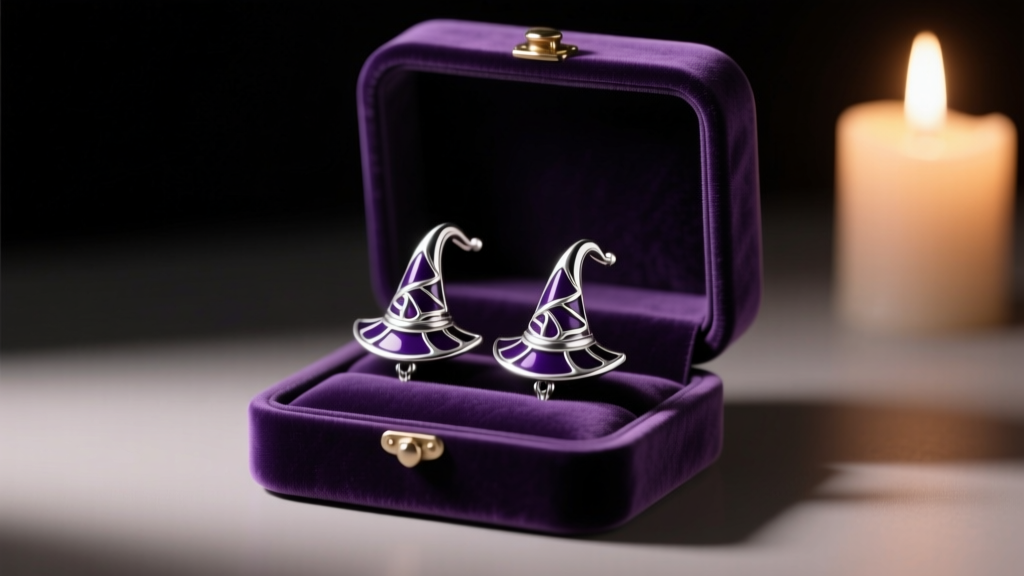
Witch hat earrings have successfully transcended their origins as cheap, seasonal Halloween novelties to become a year-round staple in dark academia, goth, and alternative fashion wardrobes. However, as the demand for these whimsical, silhouette-driven pieces has surged, the market has become heavily saturated. For the discerning buyer, navigating this landscape requires a sharp eye for metallurgy, construction quality, and ergonomic design. In this 2026 budget and value assessment, we strip away the marketing fluff to evaluate what you are actually paying for when you buy witch hat earrings, helping you avoid skin-irritating junk while maximizing your jewelry investment.
The Evolution of the Witch Hat Silhouette in Jewelry
The classic witch hat—characterized by a wide, sweeping brim and a tall, often crumpled conical crown—presents a unique challenge for jewelry designers. Unlike simple geometric studs or hoops, the witch hat is an asymmetrical, top-heavy shape. When translated into earrings, this silhouette requires careful consideration of weight distribution and center of gravity. In 2026, we are seeing a definitive split in the market: mass-produced, ultra-cheap novelty pieces designed for a single wear, and meticulously crafted artisan pieces designed for lifelong durability. Understanding the difference between these two categories is the first step in assessing true value.
Metallurgy & Material Grades: What Are You Actually Paying For?
The single most critical factor in determining the value and longevity of any earring is the base metal. The Federal Trade Commission Jewelry Guides strictly regulate how metals can be stamped and marketed, yet many online marketplaces still use deceptive terminology. Here is how the materials commonly used for witch hat earrings break down in terms of budget and value.
Zinc Alloy & Brass (The Budget Trap)
Often deceptively marketed as 'Tibetan Silver,' 'Antique Silver,' or simply 'Alloy,' zinc-based metals dominate the under-$15 price bracket. While they allow for highly detailed, inexpensive casting of the intricate brims and buckles found on witch hat designs, they are a poor long-term value. Zinc alloys frequently contain high levels of nickel and copper. According to Mayo Clinic's dermatological reports on contact dermatitis, nickel exposure is a leading cause of allergic contact dermatitis. Furthermore, the thin silver or gold plating over these base metals will inevitably wear off, exposing the reactive core and turning your earlobes green or black within weeks of regular wear.
316L Surgical Steel & Titanium (The Value Sweet Spot)
For buyers seeking the best balance of affordability and durability, 316L stainless steel and implant-grade titanium (ASTM F136) represent the ultimate value sweet spot. Priced typically between $25 and $60, these metals offer exceptional tensile strength, meaning the delicate tips of the witch hats will not easily bend or snap. More importantly, 316L steel has a remarkably low nickel release rate, making it safe for the vast majority of wearers with mild sensitivities, while titanium is entirely hypoallergenic. When evaluating a mid-tier witch hat earring, verifying that the post and the cast body are both 316L steel is the hallmark of a brand that respects its customers.
Sterling Silver & Gold Vermeil (The Investment Tier)
Solid 925 sterling silver and heavy gold vermeil (a thick layer of gold over a sterling silver base) occupy the $80 to $250+ tier. The value here lies in the intrinsic worth of the precious metals and the superior casting techniques used by fine jewelers. Sterling silver offers a brilliant, reflective luster that pairs beautifully with dark gemstone accents like onyx or amethyst, often used to decorate the 'bands' of high-end witch hat designs. However, silver is a softer metal; buyers must be mindful that long, sweeping brims in solid silver are more prone to bending if dropped or snagged on clothing.
2026 Pricing & Value Matrix
To help you quickly assess whether a pair of witch hat earrings is priced fairly, consult this value matrix based on current market standards and material longevity.
| Quality Tier | Primary Materials | Price Range (USD) | Expected Lifespan | Skin Safety & Value Rating |
|---|---|---|---|---|
| Novelty / Fast Fashion | Zinc Alloy, Acrylic, Epoxy | $5 - $18 | 1 - 5 Wears | Poor (High allergy risk, low value) |
| Mid-Tier / Artisan | 316L Steel, Titanium, Cold Enamel | $25 - $65 | 3 - 5+ Years | Excellent (Best overall value) |
| Fine Jewelry / Heirloom | 925 Silver, 14k Gold, Vitreous Enamel | $90 - $300+ | Lifetime | Superior (High intrinsic value) |
Construction & Failure Modes: Enamel, Resin, and Cast Metal
Beyond the base metal, the surface treatment of witch hat earrings heavily dictates their aesthetic lifespan. The most common failure mode in alternative jewelry is the chipping, yellowing, or peeling of colored accents.
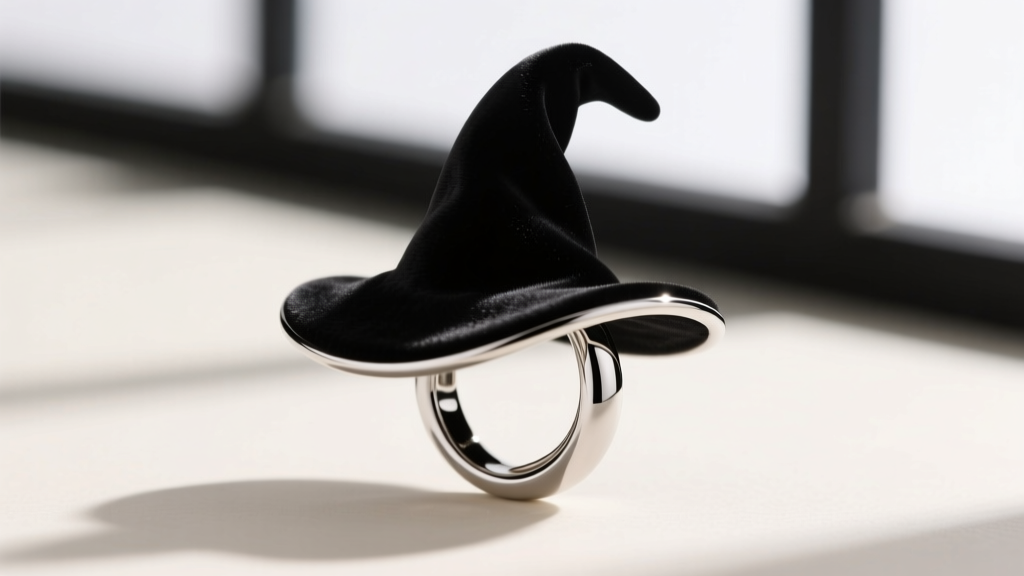
Most budget and mid-tier witch hats utilize cold enamel (epoxy resin) to create the deep blacks, rich purples, or metallic gold 'buckles' on the hats. While modern UV-cured resins are more durable than their predecessors, they are still susceptible to micro-scratches and will eventually yellow if exposed to prolonged UV sunlight. When inspecting a piece, look for resin that is perfectly flush with the metal bezels; any raised edges will catch on hair and peel away.
In the fine jewelry tier, you will encounter vitreous enamel, which is essentially powdered glass fired at extreme temperatures to fuse with the metal. Vitreous enamel will never yellow, fade, or peel, and it possesses a glass-like depth that resin cannot mimic. However, it is brittle. If you drop a vitreous enamel witch hat earring on a tile floor, the glass enamel will shatter, whereas resin will merely dent. Your choice between the two should be dictated by your lifestyle: resin for active, daily wear, and vitreous enamel for careful, curated styling.
Sizing, Gauge, and the 'Cheese Cutter' Effect
A frequently overlooked aspect of value assessment in novelty earrings is the hardware—specifically, the gauge (thickness) of the ear wire. The witch hat is an inherently top-heavy and elongated shape. When rendered as a dangle earring measuring over 2 inches in length, the physical weight of the metal and resin can easily exceed 8 to 12 grams per earring.
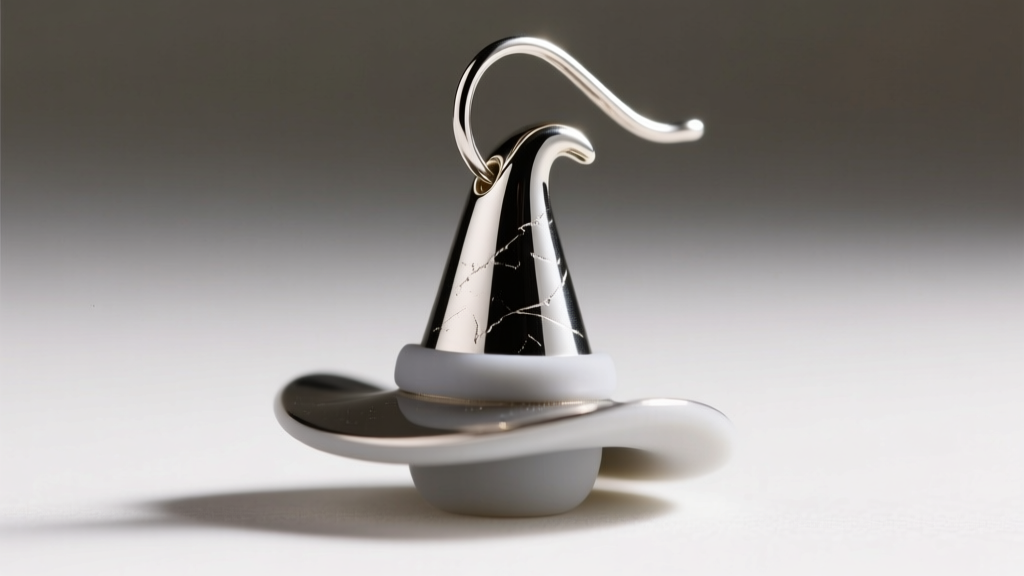
Many manufacturers cut costs by using standard, ultra-thin 20-gauge (0.8mm) or 22-gauge (0.6mm) fishhook wires. Hanging a heavy, cast-metal witch hat from a 22-gauge wire is a recipe for disaster. Not only will the wire easily bend out of shape, but the concentrated weight on such a thin edge will trigger the 'cheese cutter effect,' where the wire slowly migrates through the earlobe tissue, causing pain, inflammation, and eventual tearing of the piercing.
The Expert Fix: When shopping for dangle witch hat earrings, always check the wire gauge. For pieces weighing over 6 grams, insist on an 18-gauge (1.0mm) or 16-gauge (1.2mm) wire. Alternatively, seek out designs that utilize a flat-back labret post or a wide, padded leverback clasp, which distributes the weight across a broader surface area of the earlobe, ensuring comfort throughout an entire day of wear.
Stylist's Tip: If you find a pair of heavy witch hat dangles you love but they feature thin, flimsy wires, take them to a local bench jeweler. For less than $20, a jeweler can snip off the cheap hooks and solder on heavy-duty, hypoallergenic 16-gauge niobium or steel ear wires, instantly upgrading a mediocre piece into a comfortable, high-value staple.
Final Verdict: Where to Spend and Where to Save
Assessing the budget and value of witch hat earrings ultimately comes down to aligning your material expectations with your wearing habits. If you are purchasing a pair for a specific themed event, a single photoshoot, or a weekend festival, the $12 zinc-alloy and resin options from independent marketplace sellers offer sufficient short-term novelty. Just be sure to coat the posts in clear nail polish or swap the wires to avoid allergic reactions.
However, if you are integrating the witch hat silhouette into your core, everyday alternative wardrobe, the mid-tier 316L surgical steel options priced between $30 and $60 offer the undisputed best value. They provide the necessary structural integrity to support the dramatic silhouette without bending, utilize skin-safe metals that prevent contact dermatitis, and feature durable cold enamels that withstand daily friction. By prioritizing metal grade, wire gauge, and weight distribution over mere visual novelty, you ensure that your jewelry collection remains as enduring and resilient as the aesthetic it represents.


