Lox Earring Backs: The 2026 Fine Jewelry Security Trend
Discover why lox earring backs are dominating 2026 fine jewelry trends. Learn about mechanism security, gauge compatibility, and styling tips.

The Shift: From Friction Frustration to Functional Luxury
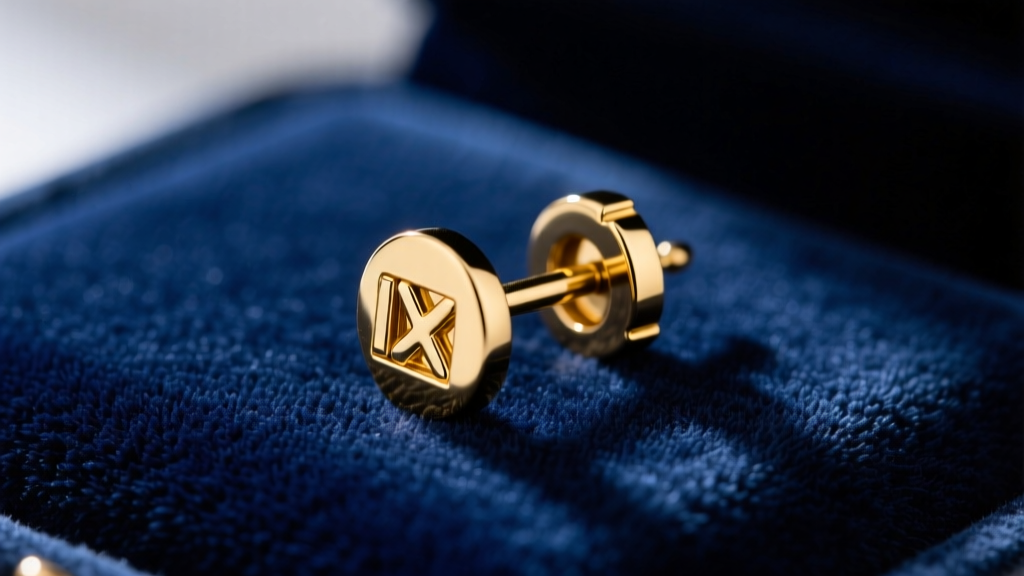
There is a specific, sinking feeling known only to those who have reached up to touch their earlobe and found bare skin instead of a thousands-dollar diamond solitaire. For decades, the fine jewelry industry has relied on the butterfly friction clutch—a fundamentally flawed, tension-based mechanism—to secure high-value assets. As we move through 2026, a massive paradigm shift is occurring in the realm of ear styling and security. The discerning collector and the active professional alike are abandoning standard clutches in favor of engineered reliability. At the forefront of this movement are lox earring backs, a mechanical slide-lock system that has transitioned from a niche jeweler's secret to a mainstream fine jewelry necessity.
This shift is not merely about preventing loss; it is deeply intertwined with the 2026 'functional luxury' trend. Today's consumers demand that their high-end pieces integrate seamlessly into dynamic lifestyles—from Pilates classes to international travel—without the underlying anxiety of a catastrophic wardrobe malfunction. Let us dissect the engineering, material science, and styling implications of this vital accessory upgrade.
Engineering Deep Dive: How the Mechanism Actually Works
To understand why lox earring backs have disrupted the market, we must first examine the failure modes of the traditional butterfly clutch. A standard friction back relies on two curled metal flanges that press against the earring post. Over time, the repeated stress of pushing and pulling the back onto the post causes metal fatigue. The flanges lose their elasticity, the grip weakens, and the earring becomes vulnerable to being pulled off by hair, clothing, or towels.
Friction vs. Slide-Lock: A Mechanical Comparison
The LOX system abandons tension entirely. Instead, it utilizes a solid cylindrical sleeve housing an internal, spring-loaded sliding collar. The earring post itself is precision-machined with a circumferential groove. When the LOX back is pushed onto the post, the internal collar physically snaps into this groove, creating a mechanical interlock. To remove the earring, the wearer must intentionally pull back the sliding sleeve, disengaging the collar.
| Feature | Standard Butterfly Clutch | LOX Slide-Lock Back |
|---|---|---|
| Retention Mechanism | Metal tension flanges | Mechanical sliding collar |
| Typical Failure Mode | Flange fatigue, accidental pulling | Extreme blunt force trauma |
| Post Compatibility | Smooth posts (20G - 18G) | Grooved posts (20G - 18G) |
| Average Lifespan | 1-3 years before tension loss | 10+ years (mechanical) |
| Hygiene Profile | Traps sebum in scrollwork | Smooth, easily sanitized |
According to industry insights from Jewelers Mutual, 'mysterious disappearance' claims for single earrings are among the most common and frustrating jewelry insurance claims, largely due to the failure of friction backs. The mechanical certainty of a locking system drastically reduces this risk profile.
The 2026 Trend: High-Value Protection and Active Lifestyles
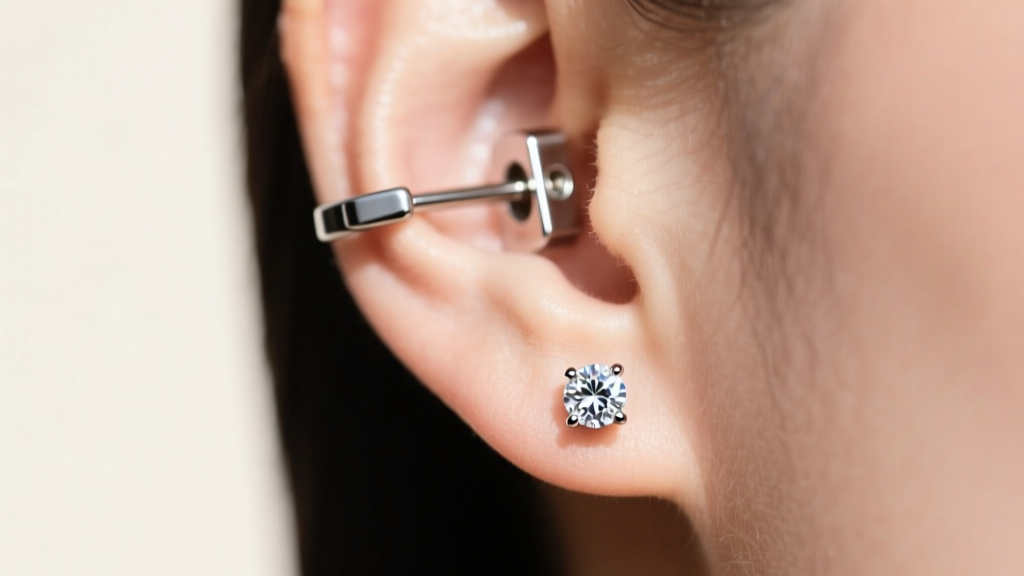
In the current style landscape, 'quiet luxury' has evolved into what trend forecasters are calling 'stealth security.' High-net-worth individuals and everyday enthusiasts are rejecting flashy but insecure settings. Wearing a pair of 2-carat diamond studs with a standard friction back in 2026 is increasingly viewed by jewelers as negligent. The LOX back offers psychological peace of mind, allowing the wearer to focus on their day rather than micro-managing their earlobes.
'We are seeing a massive uptick in clients requesting locking mechanisms for their daily-wear solitaires. The modern woman is active, and her jewelry security must match her pace. The peace of mind a mechanical lock provides is now considered just as important as the 4Cs of the diamond itself.' — Senior Bench Jeweler, Manhattan
The Hygiene Advantage
An often-overlooked aspect of earring styling is hygiene. The intricate scrollwork of a traditional butterfly back is a magnet for sebum, dead skin cells, hair products, and environmental debris. This accumulation can lead to contact dermatitis and unpleasant odors. Because lox earring backs feature a streamlined, solid-profile barrel, they can be easily dropped into an ultrasonic cleaner or wiped down with isopropyl alcohol, maintaining a pristine, hypoallergenic environment for the piercing.
Gauge Compatibility and Material Science
A critical point of expertise that many consumers miss is that lox earring backs do not work on standard smooth posts. The system requires a post with a precisely machined groove. If you attempt to use a LOX back on a smooth post, it functions merely as a heavy, expensive friction back, entirely defeating the purpose of the mechanical lock.
- 20-Gauge (0.81mm): The standard for most fine jewelry diamond and gemstone studs. LOX offers specific 20G backs designed to lock seamlessly into 20G grooved posts.
- 18-Gauge (1.02mm): Often used for slightly heavier studs, pearl earrings, or cartilage pieces. The 18G LOX mechanism features a wider internal diameter and a correspondingly larger locking collar.
- Material Grades: Authentic LOX backs are cast in 14k, 18k yellow, white, and rose gold, as well as platinum. The internal spring mechanism is typically crafted from surgical-grade stainless steel or a proprietary resilient alloy to prevent corrosion and ensure decades of spring tension.
Retrofitting Your Existing Heirloom Studs
You do not need to buy new earrings to benefit from this technology. In 2026, it is standard practice for master jewelers to retrofit existing fine jewelry. Using a laser welder, a jeweler can safely snip off the old smooth post and weld on a new, grooved LOX-compatible post without applying heat to the diamond or gemstone setting. This retrofit typically costs between $75 and $150 per pair, a fractional premium to protect a $5,000+ investment. The Gemological Institute of America (GIA) frequently emphasizes the importance of regular maintenance and secure settings; upgrading your earring backs is the most impactful maintenance step you can take for studs.
Pricing, Sourcing, and Authenticity
Because of the precision engineering required, genuine locking backs command a premium over standard clutches. When sourcing lox earring backs, buyers should be prepared for the following market realities:
- 14k Gold Options: Generally retail between $40 and $55 per pair.
- 18k Gold Options: The industry standard for high-end studs, typically priced between $60 and $85 per pair.
- Platinum Options: For heavy, high-value platinum settings, expect to pay $120 to $160+ per pair due to the density of the metal and the complexity of casting the internal mechanism.
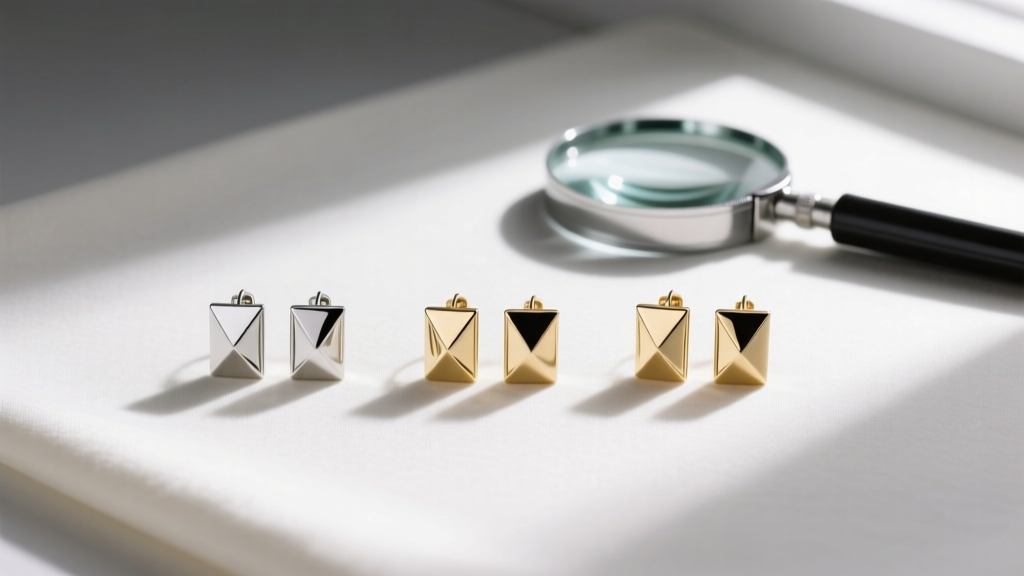
Always purchase directly from LOX Jewelry or authorized high-end brick-and-mortar jewelers. The market has seen an influx of cheap, overseas knockoffs that mimic the external barrel shape but lack the internal precision-machined collar, offering a false sense of security.
Verdict: Are They Worth the Investment?
From a pure style and trend analysis perspective, the migration toward mechanical security is permanent. The days of trusting a $2 piece of stamped gold to protect a month's salary are over. Lox earring backs represent the intersection of horological-level engineering and fine jewelry styling. They are slightly bulkier than a minimalist butterfly clutch, but the trade-off in security, hygiene, and psychological comfort is undeniable. If you are wearing fine jewelry studs in 2026, upgrading to a slide-lock mechanism is no longer just a smart precaution—it is the definitive standard of modern luxury.


