LV Iconic Earrings: A 2026 Material & Metal Guide
Discover the exact metallurgy, plating thickness, and resin properties of LV iconic earrings. Compare Color Blossom, B Blossom, and fine lines.

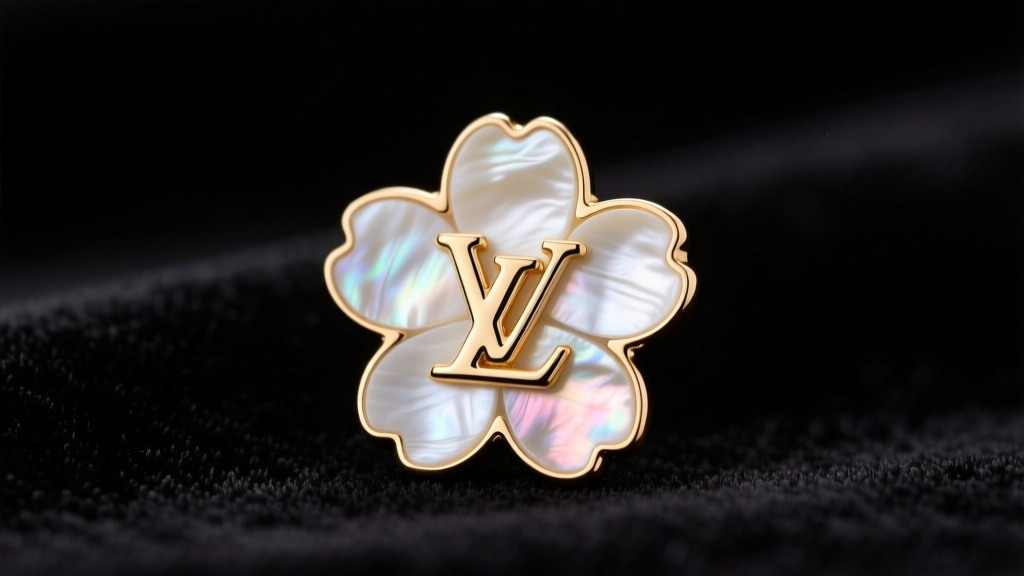
When investing in luxury fashion jewelry, understanding the exact metallurgy and material composition is just as critical as the brand heritage. The lv iconic earrings—spanning the beloved Color Blossom, B Blossom, and Empriente collections—represent a significant price point, often ranging from $600 to over $1,000 in 2026. Yet, unlike the brand's high jewelry lines, these iconic pieces are primarily crafted from plated base metals rather than solid precious alloys.
"True luxury lies in transparency. Knowing whether you are purchasing gold-plated brass, palladium-finished stainless steel, or solid 18k gold fundamentally changes how you wear, care for, and value your earrings."
This comprehensive material guide breaks down the exact properties, failure modes, and long-term durability of the materials used in LV's most iconic earring designs, helping you make an informed, expert-level purchasing decision.
The Metallurgy of LV Iconic Earrings: Base Metals & Plating
The foundation of most LV iconic earrings, particularly the Monogram Flower and Color Blossom collections, is a specialized brass alloy. Brass (an alloy of copper and zinc) is chosen for its excellent malleability, allowing for the precise stamping and casting of the intricate floral motifs. However, raw brass tarnishes rapidly and can cause skin discoloration. To prevent this, Louis Vuitton applies specialized surface finishes.
Gold and Palladium Plating Thickness
While the brand keeps its exact manufacturing specifications proprietary, industry analysis of luxury fashion jewelry indicates that high-end plated pieces typically feature a gold or palladium layer ranging from 1.5 to 3.0 microns. This is significantly thicker than standard "flash plating" (0.1 to 0.5 microns) found in fast fashion, but it is still a surface layer rather than a solid core.
- Gold Finish: Achieved using an alloy of gold and other metals to ensure a durable, scratch-resistant 18k-color appearance. It is highly resistant to oxidation but vulnerable to friction wear.
- Palladium Finish: Frequently used in the B Blossom and masculine Empriente lines. Palladium is a platinum-group metal that offers a naturally white, tarnish-resistant, and highly reflective surface. It is harder than gold plating, making it slightly more resistant to micro-scratches from daily wear.
- Ruthenium Accents: Sometimes applied to create dark, gunmetal-grey contrast elements within the Monogram flowers.
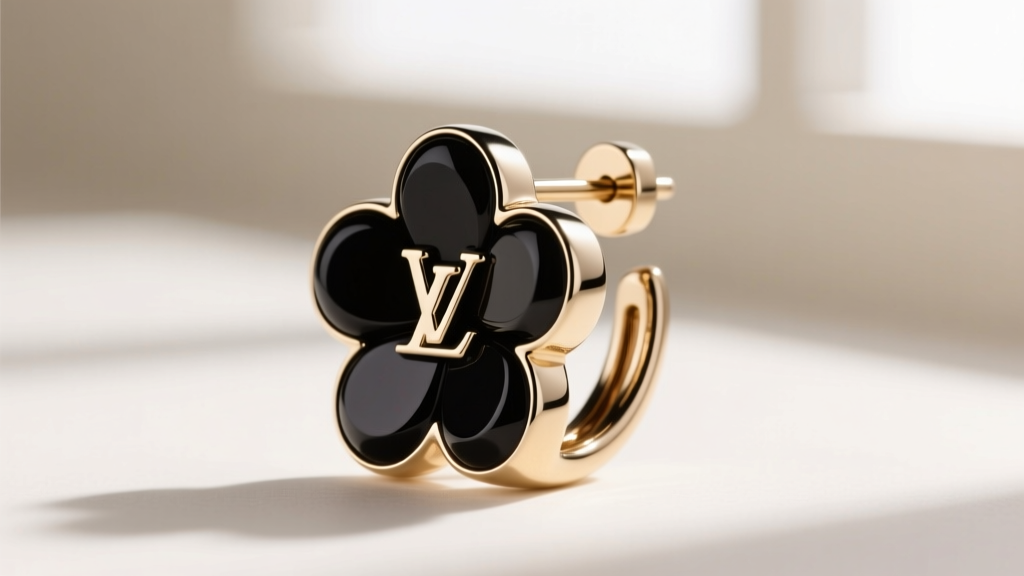
Material Comparison: Fashion vs. Fine Jewelry Lines
To understand the value proposition, it is essential to compare the material properties across the different tiers of LV earrings available in 2026. The table below outlines the core differences in composition, pricing, and longevity.
| Collection Tier | Base Material | Surface / Inlay | 2026 Price Range | Durability & Tarnish Risk |
|---|---|---|---|---|
| Color Blossom Sun | Brass Alloy | Gold plating, Resin, MOP | $640 - $820 | Moderate. Plating may wear on posts; resin can yellow with UV exposure. |
| B Blossom | Brass Alloy | Palladium plating, Onyx, Malachite | $750 - $950 | High. Palladium is highly tarnish-resistant; onyx is durable but can chip on impact. |
| Monogram Empriente | Stainless Steel | PVD Black coating, Polished steel | $500 - $650 | Very High. Stainless steel core prevents structural failure; PVD coating is highly scratch-resistant. |
| High Jewelry (Color Blossom) | Solid 18k Gold | Solid Gold, Diamonds, Hardstones | $12,000+ | Exceptional. Solid precious metal; will not wear through to a base metal. |
Inlay Physics: Resin, Enamel, and Hardstones
The visual impact of lv iconic earrings relies heavily on their inlay materials. Understanding the physical properties of these inlays is crucial for long-term maintenance and damage prevention.
Resin vs. Cold Enamel
Many Color Blossom pieces utilize advanced synthetic resins to achieve vibrant, opaque colors like deep red, pure white, or bright blue. Unlike traditional vitreous enamel (which is fused glass requiring high heat), modern luxury resins are poured and cured at lower temperatures. While highly polished, resin is susceptible to UV degradation. Prolonged exposure to direct sunlight over several years can cause white or pale resins to yellow slightly. Furthermore, resin ranks low on the Mohs hardness scale (around 2.0), meaning it will scratch if stored loosely in a jewelry box alongside diamond or sapphire pieces.
Mother-of-Pearl (MOP) and Onyx
According to the GIA Gem Encyclopedia, organic gems like Mother-of-Pearl have a Mohs hardness of just 2.5 to 4.5 and possess distinct cleavage planes, making them highly vulnerable to chipping if dropped on a hard bathroom counter. Conversely, the black onyx used in the B Blossom collection is a variety of chalcedony (quartz) with a Mohs hardness of 6.5 to 7.0. Onyx is highly durable for daily earring wear but can still fracture if subjected to sharp, blunt-force impacts due to its crystalline structure.
Hypoallergenic Properties & Post Materials
For collectors with sensitive ears, the earring post is the most critical component. In the EU and UK, all jewelry must comply with the Nickel Directive (2004/96/EC), which strictly limits the migration of nickel to 0.2 micrograms per square centimeter per week. Louis Vuitton ensures all its fashion jewelry complies with this regulation, making their earrings generally safe for those with mild nickel sensitivities.
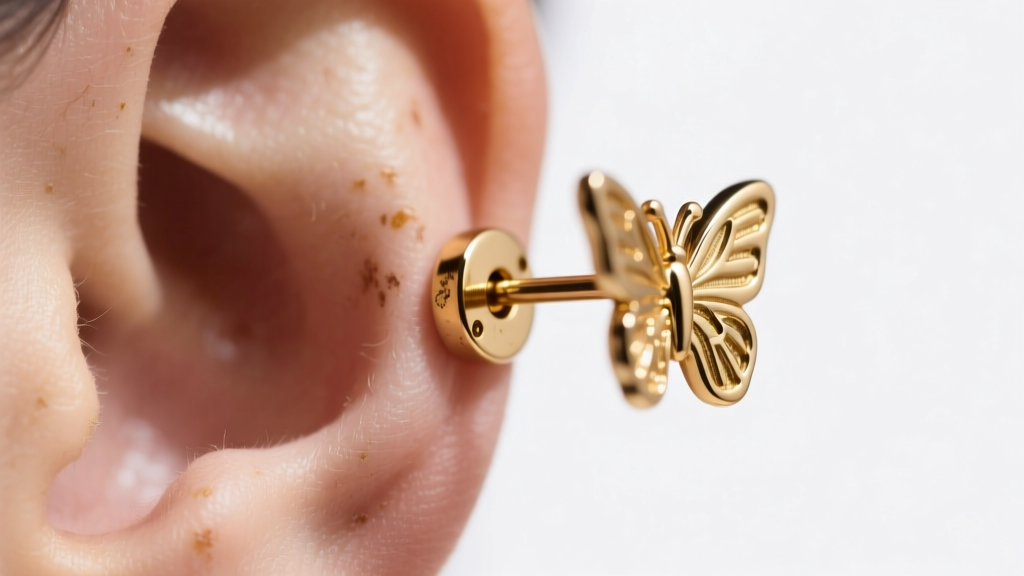
However, the posts of LV's plated brass earrings are typically made from the same gold-plated or palladium-plated brass as the earring face. Over time, the friction of inserting and removing the earring, combined with the acidity of the skin, can wear through the micron-thin plating at the post's friction notch. Once the base brass is exposed, individuals with severe metal allergies or copper sensitivities may experience contact dermatitis.
Expert Troubleshooting: If you experience sudden sensitivity to an older pair of LV plated earrings, the plating on the post has likely compromised. You can temporarily resolve this by coating the post in a microscopic layer of clear, medical-grade silicone barrier cream, or by having a local bench jeweler replace the brass post with a solid 18k gold or implant-grade titanium post (though this will void any remaining brand warranty and alter the hallmark).
Long-Term Care and Refinishing Realities
Maintaining the pristine condition of plated luxury earrings requires a strict care regimen. The brand's official Louis Vuitton Material Care guidelines emphasize avoiding contact with cosmetics, perfumes, and chlorinated water. The alcohol and volatile organic compounds (VOCs) in perfumes can rapidly break down the protective lacquer often applied over gold plating, accelerating tarnish and micro-pitting.
Unlike solid gold high jewelry, which can be endlessly polished and buffed by a jeweler, plated brass earrings cannot be traditionally polished. Aggressive polishing will strip the 2-micron gold layer entirely, exposing the raw brass beneath. If your lv iconic earrings have suffered severe plating loss, the only viable restoration route is third-party electroplating. Specialist jewelry restorers can strip the remaining finish, polish the brass core, and apply a fresh layer of 23k gold or rhodium plating, often resulting in a finish that is thicker and more durable than the original factory coating.
Final Verdict: Value Beyond the Metal
Evaluating lv iconic earrings strictly through the lens of raw material melt-value will inevitably lead to disappointment. You are paying for the precision of the CNC milling, the proprietary color-matching of the resins, the flawless setting of the MOP, and the iconic design language. However, by understanding the limitations of brass-base metallurgy and the fragility of organic inlays, you can properly rotate your collection, store your pieces in anti-tarnish microfiber pouches, and ensure your investment remains visually flawless for decades.


