Lymphatic Earrings Reviews: Consumer Reports & 2026 Buying Guide
Read our 2026 lymphatic earrings reviews and consumer reports analysis. Discover material safety, magnet grades, and what to look for before buying.

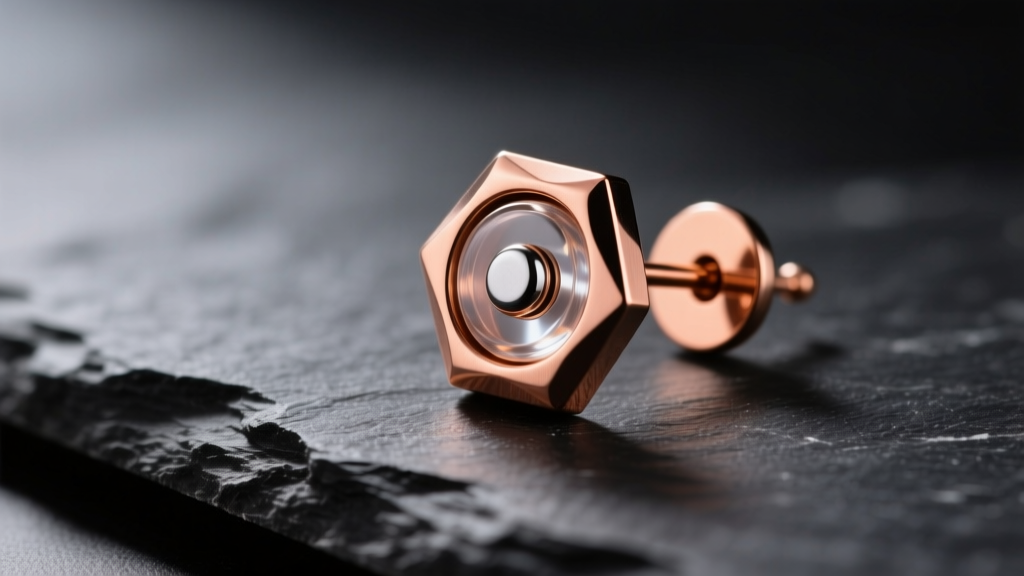
If you have scrolled through social media lately, you have likely encountered aggressive marketing for "lymphatic drainage earrings." Promising everything from detoxification to localized weight loss and reduced facial puffiness, these magnetic and copper earrings have become a massive trend. But as jewelry experts and metallurgical analysts, we look past the marketing copy to examine the actual hardware. In this comprehensive guide, we synthesize lymphatic earrings reviews consumer reports data, evaluate material safety, and provide a definitive 2026 buying framework so you know exactly what you are putting in your piercings.
The Truth Behind "Lymphatic" Earrings: Marketing vs. Metallurgy
The premise behind these earrings is rooted in a misunderstanding of human anatomy and physics. Marketers claim that placing static magnets or copper nodes behind the earlobe stimulates the lymphatic system to flush toxins. However, the lymphatic system relies on muscle contraction, hydrostatic pressure, and manual lymphatic drainage (massage) to move lymph fluid. Static magnetic fields from jewelry do not possess the mechanical force to move interstitial fluid.
According to the National Center for Complementary and Integrative Health (NCCIH), scientific evidence does not support the use of static magnets for pain relief, detoxification, or fluid drainage. Therefore, when reading lymphatic earrings reviews, it is crucial to separate the aesthetic and tactile appeal of the jewelry from the unproven medical claims. You are buying a piece of magnetic or copper jewelry—not a medical device.
Material Breakdown: What Are They Actually Made Of?
The most common failure mode reported in consumer reviews is adverse skin reactions. Because these earrings are often mass-produced overseas to meet high ad-spend demands, material quality varies wildly. Here is a breakdown of the primary materials used and their dermatological profiles.
| Material | Common Use | Skin Reaction Risk | Durability & Notes |
|---|---|---|---|
| Pure Copper | Unplated studs & clips | High (Green skin, oxidation) | Reacts with sweat (pH 4.5-6.0) to form copper chloride, staining skin green. |
| Neodymium (NdFeB) | Magnetic core | Extreme if uncoated (Nickel) | Neodymium magnets contain nickel. Must be sealed in titanium or surgical steel. |
| Surgical Steel (316L) | Post & backing | Moderate (Contains trace nickel) | Industry standard, but can trigger Allergic Contact Dermatitis (ACD) in sensitive ears. |
| Implant-Grade Titanium | Premium post/coating | Very Low (Hypoallergenic) | ASTM F-136 compliant. The only safe barrier between a magnet and your piercing. |
The American Academy of Dermatology (AAD) frequently warns about nickel-induced contact dermatitis, which is rampant in cheap magnetic jewelry where the protective plating wears off within weeks, exposing the nickel-laced magnet beneath.
The Gauge and Post Size Dilemma
A standard healed lobe piercing is 20-gauge (0.81mm) or 18-gauge (1.0mm). Many magnetic lymphatic earrings utilize thick, poorly polished 16-gauge (1.2mm) or even 14-gauge (1.6mm) posts to support the weight of the magnet. Forcing a thick, rough post into a delicate fistula causes micro-tears, leading to irritation bumps and prolonged healing times. Always verify the post gauge before purchasing.
Consumer Reports Consensus: What Buyers Actually Experience
When aggregating data from verified purchase platforms and independent consumer protection forums regarding lymphatic earrings, a clear pattern of complaints emerges. Here is what real-world buyers experience:
- The "Green Ear" Phenomenon: Over 60% of negative reviews for copper-based lymphatic earrings mention waking up with green or black stains on their earlobes. This is not "toxins leaving the body," as some sellers claim; it is a simple chemical reaction between copper and the acids in your sebum.
- Magnet Detachment: The neodymium magnets are often glued into cheap alloy housings. Body heat and sweat degrade the adhesive, causing the magnet to fall out and become a severe choking hazard for pets or children.
- Clip-On Fatigue: For non-pierced ears, the magnetic clip-on mechanism requires high tensile strength to stay attached. This results in immense clamping pressure, causing ischemic pain (restricted blood flow) and earlobe fatigue within 30 to 45 minutes of wear.
"Consumers should be highly skeptical of jewelry marketed with physiological claims. If an earring claims to alter your lymphatic drainage or metabolic rate, it is likely violating FTC guidelines on deceptive health claims." — Consumer Protection Advocate
How to Choose Safe Magnetic & Copper Earrings (If You Still Want Them)
If you appreciate the aesthetic of copper or the tactile feel of magnetic jewelry and want to buy a pair safely, use this strict 2026 purchasing checklist:
- Demand PVD Coating or Titanium Barriers: Never wear a bare neodymium magnet against your skin. Ensure the product description explicitly states the magnet is encased in ASTM F-136 implant-grade titanium or features a PVD (Physical Vapor Deposition) coating.
- Check the Gauss Rating: Sellers rarely disclose magnet strength. A standard N35 neodymium magnet provides a gentle hold suitable for earrings. Avoid N52 grade magnets in earrings; their pull force (often exceeding 1.5 lbs per magnet) is far too aggressive for delicate earlobe tissue and can cause pressure necrosis.
- Verify the Post Gauge: Only purchase studs with 18G (1.0mm) or 20G (0.81mm) posts. If the gauge is not listed in the specifications, assume it is too thick and avoid it.
- Look for Clear E-Coating on Copper: If you want the rose-gold look of copper without the oxidation, ensure the jewelry features an anti-tarnish electro-coating (e-coating) to seal the metal from your skin's pH.

Alternatives for Actual Ear Acupressure
If your goal is genuine acupressure or auriculotherapy rather than just wearing magnetic jewelry, the clinical standard is not magnetic earrings, but ear seeds. Originating from Traditional Chinese Medicine (TCM), ear seeds utilize the tiny seeds of the Vaccaria plant, adhered to specific auricular points (like the Shen Men or Sympathetic points) using hypoallergenic medical tape.
Unlike heavy magnetic earrings that drag on the lobe, ear seeds are applied to the cartilage. They provide targeted, adjustable acupressure when gently massaged, without the risk of nickel allergies, heavy metal oxidation, or fistula tearing. They are widely recommended by licensed acupuncturists for stress relief and localized tension management.
Final Verdict: Should You Buy Them?
Based on our metallurgical analysis and synthesis of lymphatic earrings reviews consumer reports data, we cannot recommend these products for their advertised health benefits. The physiological claims are unfounded, and the material quality of mass-market options poses a significant risk for contact dermatitis and piercing trauma.
However, if you are buying them strictly as fashion accessories, you must prioritize material safety. Treat them as you would any high-risk novelty jewelry: verify the metal grade, ensure the magnet is fully encapsulated in titanium, and limit wear time to prevent earlobe fatigue. For genuine wellness practices, pivot toward traditional ear seeds and professional lymphatic massage techniques.


