Do Magnetic Earrings Hurt? The Physics of Pull Force and Lobe Comfort
Do magnetic earrings hurt? We analyze neodymium pull force, Gauss ratings, and pressure thresholds to help you wear magnetic studs pain-free.

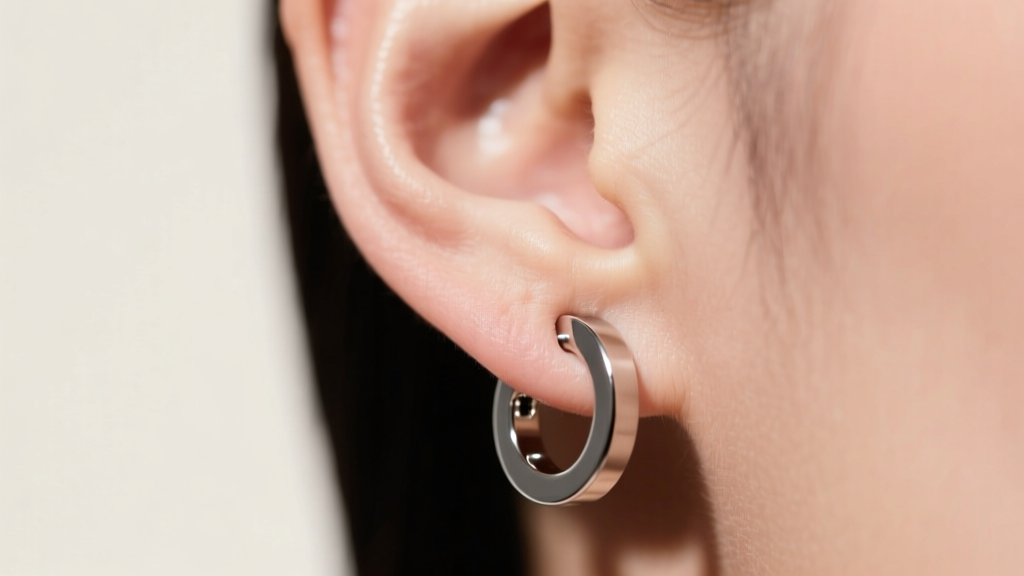
The Physics of Magnetic Earrings: Gauss and Pull Force
When consumers ask, do magnetic earrings hurt, the answer is rarely a simple yes or no. The comfort of a magnetic earring is entirely dictated by the physics of its internal magnet and the physiological thresholds of human skin. Modern magnetic earrings utilize Neodymium Iron Boron (NdFeB) magnets, which are graded on an N-scale (e.g., N35, N42, N52). The higher the number, the stronger the magnetic field.
However, jewelry manufacturers must balance magnetic strength with wearability. A standard N42 disc magnet measuring 10mm in diameter can exert a pull force of over 5 pounds. If applied to the delicate tissue of an earlobe, this force would be excruciating. Therefore, high-quality magnetic earrings use smaller magnets (typically 4mm to 6mm) or lower grades (N35) to achieve a pull force between 0.5 and 1.5 pounds. According to the engineering data from K&J Magnetics, pull force is highly dependent on the distance between the two poles; even a fraction of a millimeter of earlobe thickness drastically reduces the clamping force.
Why Do Magnetic Earrings Hurt? The Physiology of Compression
If the pull force is calibrated correctly, why do some magnetic earrings still cause pain? The culprit is localized ischemia—the restriction of blood flow to the capillary beds in the earlobe.
The Capillary Closing Pressure Threshold
Human capillaries have a 'closing pressure' of approximately 32 mmHg (about 0.62 psi). When the clamping pressure of the earring exceeds this threshold, blood flow stops. The tissue begins to starve of oxygen, and lactic acid builds up, triggering pain receptors. If the pressure is maintained for too long, it can lead to pressure necrosis (tissue death).
The formula for pressure is Force ÷ Area. If a magnetic earring exerts 1 pound of force over a tiny 3mm spherical contact point, the pressure is concentrated and will easily exceed the 0.62 psi capillary threshold, causing immediate pain. Conversely, if that same 1-pound force is distributed across a flat 8mm disc, the pressure drops significantly, allowing for hours of comfortable wear.
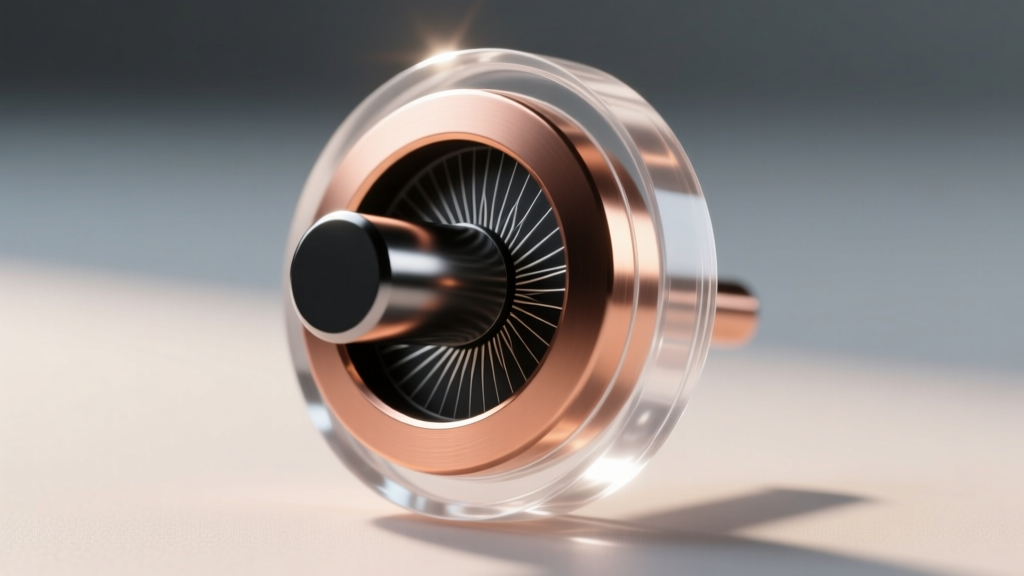
Material Science: Coatings, Allergies, and Friction
Beyond pure mechanical pressure, pain from magnetic earrings often manifests as itching, burning, or contact dermatitis. Raw neodymium is highly reactive and will oxidize (rust) rapidly when exposed to the moisture and salts in human sweat. Furthermore, neodymium contains trace heavy metals that are toxic if they leach into the skin.
To prevent this, magnets must be encased or coated. The industry standard is a Nickel-Copper-Nickel (Ni-Cu-Ni) plating. However, the American Academy of Dermatology notes that nickel allergies affect up to 20% of the population. When sweat breaks down the microscopic pores in cheap nickel plating, it triggers severe allergic contact dermatitis, which users frequently mistake for 'magnet pain'.
| Coating Material | Durability | Allergy Risk | Friction Level |
|---|---|---|---|
| Ni-Cu-Ni (Nickel Plating) | Moderate | High (Common allergen) | Low (Slippery) |
| Epoxy Resin Encasement | High | None (Hypoallergenic) | High (Grips skin) |
| Titanium PVD Coating | Very High | None (Biocompatible) | Medium |
| 316L Surgical Steel Shell | Very High | Low (Contains trace nickel) | Medium |
Technical Specifications: Finding the 'Goldilocks' Magnet
To ensure a pain-free experience, you must look past aesthetic designs and scrutinize the technical specifications of the earring. When evaluating a pair of magnetic studs, look for the following engineering benchmarks:
- Magnet Grade: N35 or N38. Avoid N52 unless the magnet is exceptionally small (under 3mm).
- Contact Surface Area: Flat discs with a minimum diameter of 6mm. Avoid spherical or cone-shaped backings that concentrate pressure.
- Pull Force Rating: 0.8 lbs to 1.2 lbs per pair. Anything over 2 lbs will cause ischemic pain within 30 minutes.
- Coating: Medical-grade epoxy or PVD titanium. Avoid exposed silver-colored metals unless certified as nickel-free.
- Weight Distribution: The front decorative element should weigh less than 2 grams to prevent the magnet from dragging downward and pinching the lower lobe.
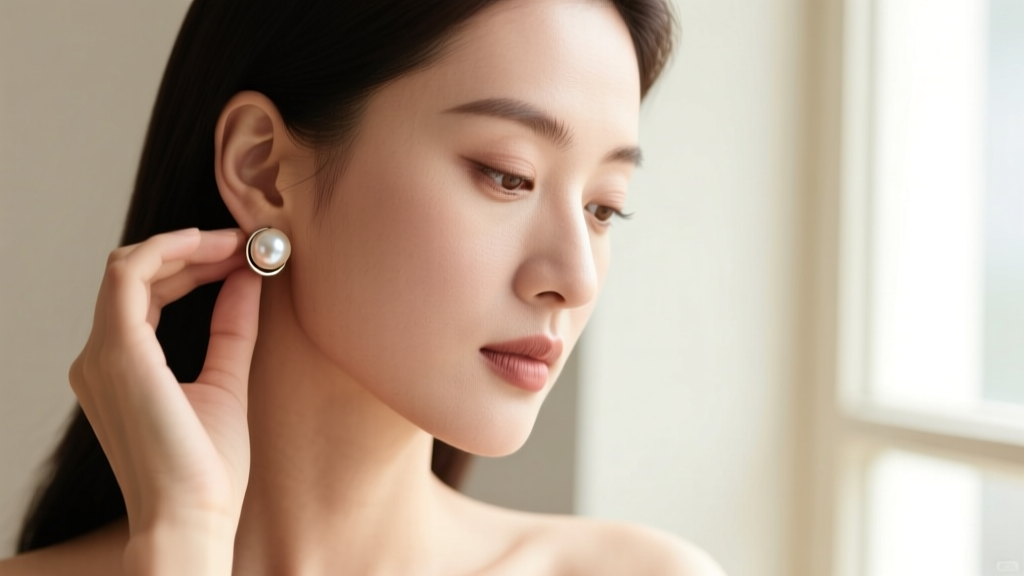
Expert Protocol: How to Wear Magnetic Earrings Without Pain
Even with perfectly engineered earrings, improper usage will lead to discomfort. As a best practice for 2026, follow this clinical protocol to maximize wear time and eliminate pain:
The 4-Hour Rule: Because magnetic earrings inherently restrict some degree of capillary flow, never wear them for more than 4 consecutive hours. Remove them for 15 minutes to allow tissue reperfusion (blood flow restoration) before reattaching.
Use Silicone Shims: If your earrings feel too tight, purchase 0.5mm medical-grade silicone comfort pads. Placing a shim between the magnet and the skin serves two purposes: it increases the surface area (reducing PSI) and introduces a high-friction barrier that prevents the heavy front stud from sliding down the lobe and pinching the edge.
Hygiene and Moisture Control: Sweat acts as a lubricant, causing the magnets to slip and clamp onto thinner, more sensitive parts of the earlobe. Always apply magnetic earrings to clean, completely dry skin. Wipe the contact points with an isopropyl alcohol pad before application to remove natural sebum.
Conclusion: Are They Right for Your Earlobes?
So, do magnetic earrings hurt? They only hurt when the physics of the pull force overpower the physiological limits of your capillary beds, or when cheap nickel coatings trigger an immune response. By prioritizing flat-disc geometries, biocompatible epoxy or titanium coatings, and adhering to strict wear-time limits, magnetic earrings offer a highly viable, pain-free alternative to traditional piercings. Understanding the technical specifications transforms them from a painful novelty into a reliable, non-invasive jewelry solution.
For more information on tissue pressure and non-invasive jewelry alternatives, consult the National Center for Biotechnology Information (NCBI) resources on localized skin compression and microcirculation dynamics.


