Ultimate Care Guide for Clip On Earrings for Women
Learn expert cleaning and maintenance tips for clip on earrings for women. Restore tension, clean pads, and protect vintage metal finishes safely.

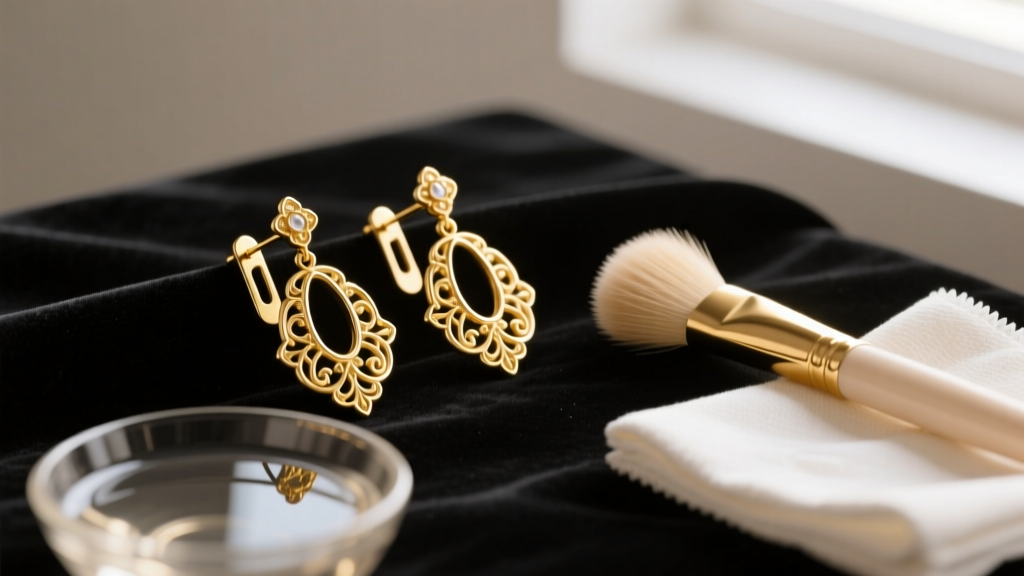
Clip on earrings for women are experiencing a massive renaissance, bridging the gap between vintage glamour and modern accessibility. Whether you are navigating the world of non-pierced jewelry due to sensitive lobes, metal allergies, or simply a preference for temporary wear, maintaining the mechanical integrity and aesthetic brilliance of these pieces requires specialized knowledge. Unlike standard post earrings, clip-ons rely on a delicate balance of spring tension, friction pads, and often complex hinge mechanisms. When exposed to daily skin oils, cosmetic buildup, and environmental humidity, these components can degrade rapidly if not cared for properly.
In this comprehensive guide, we dive deep into the horology-level precision required to clean, adjust, and preserve your non-pierced collection. From restoring the grip of a fatigued metal paddle to safely removing oxidized tarnish from brass bases without stripping delicate gold plating, these actionable protocols will extend the lifespan of your favorite pieces.
The Unique Anatomy of Clip-On Earrings
Before applying any cleaning solution, it is crucial to understand the mechanics of your jewelry. According to the Gemological Institute of America (GIA), vintage and costume jewelry often utilizes base metals like brass, nickel-silver, or pewter, which are then plated with gold, silver, or rhodium. The findings (the mechanical parts) typically fall into three categories:
- Paddle Clips: The most common modern and mid-century style, featuring a flat metal tab that bends to apply pressure against the earlobe.
- Screw-Backs: Popular in the 1930s-1950s, these use a threaded post and a adjustable tension paddle, allowing the wearer to customize the pinch.
- Spring Hinges: Often found in heavier statement pieces, utilizing a coiled internal spring to maintain constant clamping force.
Because the findings are constantly under mechanical stress and in direct contact with the skin's acidic pH, they are highly susceptible to corrosion, solder joint fatigue, and adhesive failure on the comfort pads.
Step-by-Step Cleaning Protocols by Material
Never place clip-on earrings in an ultrasonic cleaner. The high-frequency vibrations can easily shatter glued-in rhinestones, strip fragile electroplated finishes, and loosen the microscopic solder points holding the hinge together. Instead, use these targeted manual methods.
Gold-Plated and Brass Vintage Clips
To remove sebum and lotion buildup without damaging the plating, create a solution of distilled water and a single drop of pH-neutral dish soap (such as Dawn). Using a microfiber swab or an extra-soft baby toothbrush, gently agitate the surface. Pay special attention to the hinge crevices where green copper oxide (verdigris) tends to accumulate. Rinse quickly under a gentle stream of distilled water and immediately pat dry with a lint-free cloth. Air-drying can leave mineral spots that etch into soft gold plating over time.
Resin, Acrylic, and Bakelite Statement Clips
Synthetic materials require a completely different approach. Avoid isopropyl alcohol or ammonia-based cleaners, as these can cause "crazing" (micro-fractures) in acrylic and strip the polished patina off vintage Bakelite. Instead, use a barely damp microfiber cloth. For stubborn grime in the carved grooves of Bakelite, apply a tiny amount of Simichrome polish to a cotton swab, buff gently, and wipe clean.
Rhinestone and Foil-Backed Pave
The American Institute for Conservation (AIC) strictly advises against submerging foil-backed stones. The metallic foil backing provides the stone's sparkle, but if water seeps beneath the setting, the foil will instantly oxidize and turn black, ruining the stone. Clean these pieces using a dry, soft-bristled makeup brush to dislodge dust, and a slightly damp wooden toothpick to carefully scrape away grime from the prongs without touching the glass.
Restoring Tension and Hinge Mechanics
The most common failure mode for clip on earrings for women is the loss of clamping tension. Over time, the metal paddle fatigues and bends outward, causing the earring to slide off the earlobe. You can restore this tension at home with the right tools.
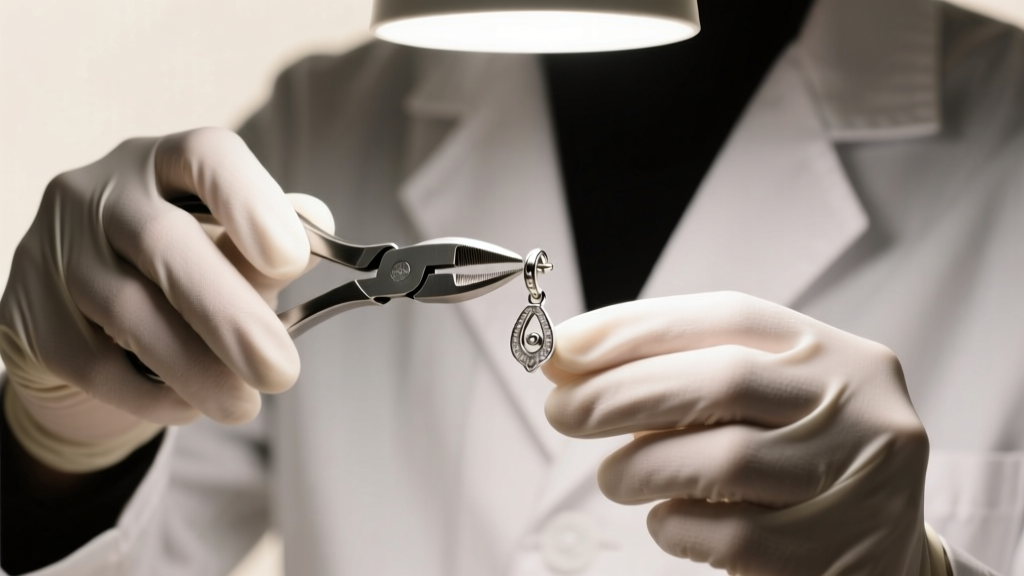
Expert Insight: Never use standard steel jewelry pliers to adjust a clip-on finding. The hardened steel teeth will permanently mar the plating and scratch the base metal. Always use nylon-jaw loop pliers or wrap the tips of your pliers in heat-shrink tubing or masking tape.
To adjust a paddle clip, hold the body of the earring firmly. Using your nylon-jaw pliers, grip the metal paddle near the hinge and apply gentle, incremental pressure bending it toward the face of the earring. Test the tension frequently. If you are working with a screw-back mechanism and the screw strips or goes missing, these are typically metric M1.4 or M1.6 threaded screws, which can be sourced from specialized jewelry supply houses like Rio Grande.
Tension Troubleshooting Chart
| Issue | Probable Cause | Actionable Fix |
|---|---|---|
| Earring slides down lobe | Paddle bent outward from metal fatigue | Gently squeeze paddle toward earring face with nylon-jaw pliers |
| Painful pinching / Numbness | Tension too high or degraded foam pad | Bend paddle slightly outward; replace foam pad with medical silicone |
| Screw-back won't tighten | Stripped internal threading or lost screw | Source replacement M1.4/M1.6 metric jewelry screws; apply micro-drop of threadlocker |
| Hinge squeaks or feels gritty | Sebum and dust impacted in the barrel | Flush hinge barrel with 91% isopropyl alcohol; apply micro-drop of synthetic watch oil |
Replacing and Cleaning Comfort Pads
Most vintage and mid-tier modern clip-ons utilize foam or cork comfort pads to distribute pressure and prevent the metal from directly touching the skin. These porous materials act as sponges for sweat, dead skin cells, and bacteria, eventually rotting and losing their grip.
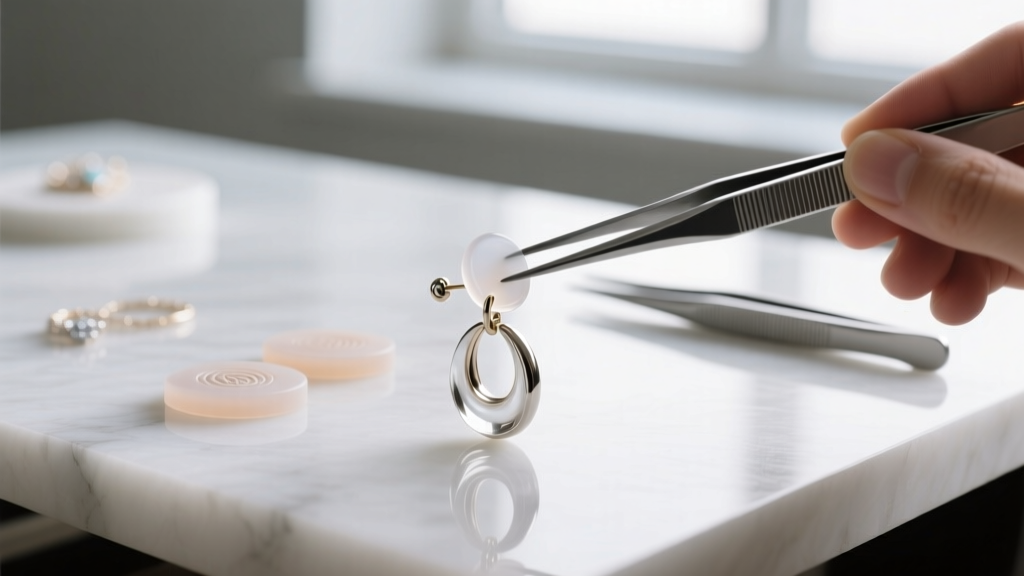
Removal: Do not simply peel the old pads off, as this often leaves a hardened layer of degraded adhesive on the metal paddle. Instead, soak a cotton swab in 91% isopropyl alcohol and hold it against the pad for 60 seconds to dissolve the glue. Scrape the residue away gently with a wooden orange stick.
Replacement: Upgrade to hypoallergenic, medical-grade silicone comfort pads. Silicone offers superior grip against the skin compared to foam, requires less clamping tension to hold the earring securely, and can be easily wiped clean with an alcohol prep pad. Ensure the metal paddle is completely free of oils before applying the 3M adhesive backing of the new silicone pad, pressing firmly for 30 seconds to ensure a permanent bond.
Proper Storage to Prevent Warping and Tarnish
How you store your non-pierced collection directly impacts its mechanical longevity. Storing clip-on earrings tightly clasped onto thick cardboard displays or rigid plastic inserts keeps the metal paddle under constant maximum tension, accelerating metal fatigue and spring degradation.
Store your pieces in a lined jewelry box with the clips left slightly open, or gently clasped over a piece of soft, acid-free tissue paper to relieve the tension. Because the base metals used in these findings are highly reactive to sulfur in the air, place 3M anti-tarnish strips inside your storage drawers. These strips absorb airborne sulfur compounds, effectively preventing the brass and nickel-silver alloys from developing a dark, oxidized patina that can transfer onto the skin and cause irritation.
By treating the mechanical findings with the same respect as the gemstones they hold, your collection of clip on earrings for women will remain secure, comfortable, and visually stunning for decades to come.


