Maintaining My Earring Collection: Expert Cleaning & Storage Tips
Discover expert protocols for cleaning, storing, and protecting your jewelry. Learn how to safely maintain my earring collection long-term.

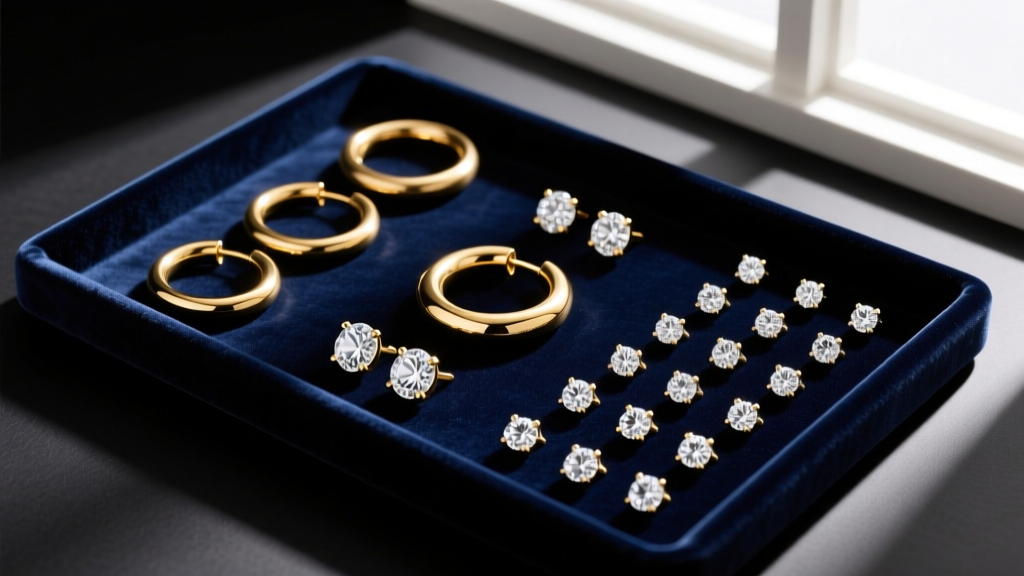
Building a curated jewelry wardrobe is an investment in both personal style and precious materials. However, when I look at my earring collection, I know that the true test of ownership isn't just in the acquisition—it is in the preservation. From delicate 18k gold threadless cartilage studs to heavy sterling silver statement hoops, every piece requires a highly specific maintenance protocol. Neglecting these nuances leads to irreversible damage: degraded nacre on pearls, stripped threading on screw-backs, and cloudy diamonds that lose their fire. This comprehensive guide details the exact chemical, mechanical, and environmental strategies I use to maintain my earring collection in pristine, wearable condition.
The Hidden Enemies of Precious Metals and Gemstones
Before reaching for a polishing cloth, it is crucial to understand the environmental and biological factors that degrade jewelry. The primary culprit for sterling silver tarnish is not oxygen, but sulfur. Hydrogen sulfide in the ambient air reacts with silver to form silver sulfide, that dull black layer that ruins the finish of your favorite huggies. Similarly, the natural sebum and dead skin cells produced by your earlobes accumulate on earring posts and clutch backs, creating a breeding ground for bacteria and causing that notorious 'earring smell'.
Cosmetics are another silent destroyer. Hairsprays, perfumes, and body lotions contain alcohols and emulsifiers that can strip the rhodium plating off white gold and leave a stubborn, greasy film on gemstones. Diamonds, for instance, are highly lipophilic—meaning they attract and hold onto oils. A microscopic layer of hand lotion on a diamond stud will drastically reduce its light return, making a flawless VVS1 stone look like a cloudy I3.
Material-Specific Cleaning Protocols
A one-size-fits-all cleaning approach is the fastest way to ruin mixed-metal and multi-gemstone pieces. Here is how I break down the cleaning process based on material science.
Solid Gold, Platinum, and Diamonds
For 14k and 18k solid gold, as well as platinum settings housing diamonds, sapphires, or rubies (corundum), a gentle surfactant is all you need. I mix three drops of phosphate-free, ammonia-free dish soap (like Dawn) into a bowl of warm distilled water. Using a baby toothbrush with extra-soft bristles, I gently agitate the pavilion (the underside) of the gemstones where grease accumulates. After rinsing with distilled water to avoid hard water spots, I dry the pieces with a lint-free microfiber cloth. Never use paper towels, as the wood pulp fibers can cause micro-scratches on high-polish gold.
Sterling Silver and the Ion Exchange Method
For heavily tarnished solid sterling silver hoops or dangles without porous stones, I skip abrasive polishing pastes that remove microscopic layers of silver. Instead, I use an electrochemical ion exchange bath. Line a glass bowl with aluminum foil (shiny side up), add the silver earrings, and pour in boiling water mixed with two tablespoons of baking soda and a tablespoon of salt. The sulfur transfers from the silver to the aluminum foil in seconds. I rinse immediately and buff dry. According to the Gemological Institute of America (GIA), this method is highly effective for solid silver but should never be used on oxidized (intentionally blackened) silver details, as it will strip the contrast.
Porous Organics: Pearls, Opals, and Turquoise
Organic and porous gemstones require extreme caution. Pearls are composed of calcium carbonate and conchiolin, making them highly susceptible to acids and even mild soaps. Submerging pearl earrings in water can also cause the silk or nylon threading to stretch and rot. I clean my pearl studs by simply wiping them with a damp, untreated microfiber cloth immediately after wearing them to remove skin acids. Opals, which contain up to 20% water, can craze (crack) if exposed to heat or ultrasonic vibrations. They are strictly wiped clean and occasionally rubbed with a microscopic drop of mineral oil to maintain their hydration.
The Ultrasonic Cleaner Debate: What Can (and Can't) Survive
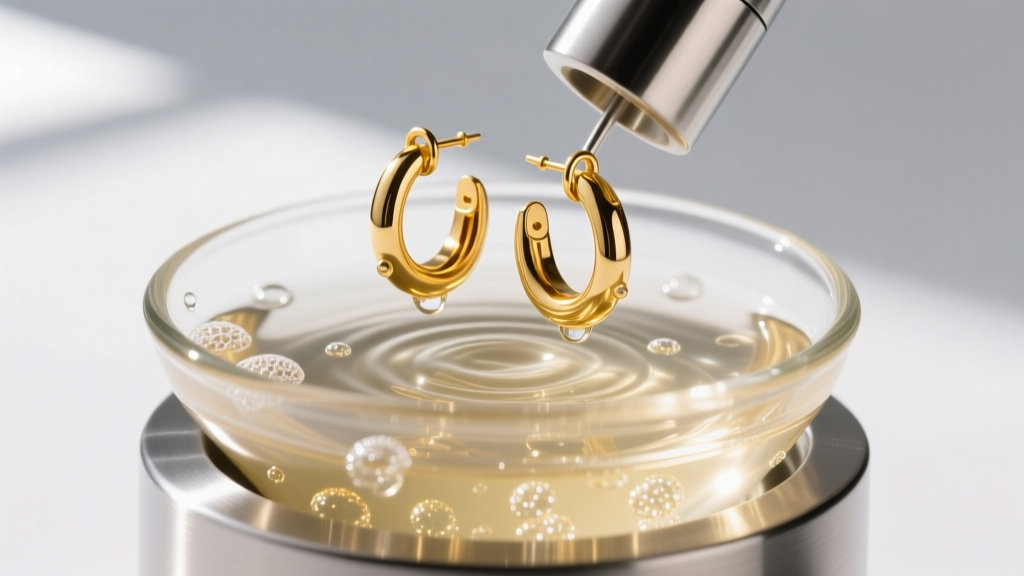
Ultrasonic cleaners use high-frequency sound waves (typically 40-45 kHz) to create microscopic cavitation bubbles in a liquid solution, which implode and blast away dirt. While they are miraculous for diamond pavé settings, they are catastrophic for certain materials. Below is the decision matrix I use before turning on the machine.
| Material / Gemstone | Ultrasonic Safe? | Specific Risks & Notes |
|---|---|---|
| Diamonds (Untreated) | Yes | Excellent for removing lotion buildup from pavé settings. |
| Fracture-Filled Diamonds | No | Cavitation can dislodge glass or resin fillers from cracks. |
| Emeralds | No | Most emeralds are cedar-oil treated; ultrasonics strip the oil, revealing heavy inclusions. |
| Opals & Pearls | No | Vibrations will shatter opals and strip the nacre right off pearls. |
| 14k/18k Solid Gold | Yes | Safe for plain metal, but ensure no glued-in stones are present. |
| Rhodium-Plated Silver | Caution | Prolonged exposure can cause the thin rhodium flash to peel or blister. |
Addressing Cartilage and Threadless Jewelry Maintenance
Maintaining my earring collection isn't limited to standard lobe studs; cartilage jewelry requires specialized attention, particularly regarding gauge sizes and locking mechanisms. For healed cartilage piercings, I exclusively wear ASTM F136 implant-grade titanium. This specific alloy is highly biocompatible and resists corrosion from the body's natural saline environment far better than surgical steel, which contains nickel and can cause contact dermatitis.
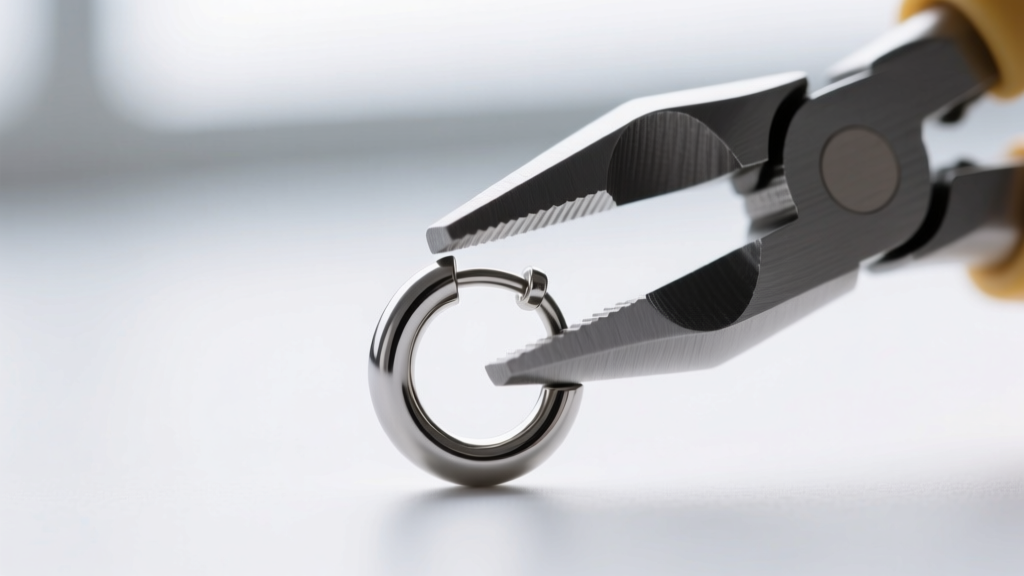
Threadless (press-fit) jewelry is a staple in my collection, but it requires mechanical maintenance. The tension holding the decorative end into the 18-gauge or 16-gauge shaft relies on a slight bend in the insertion pin. Over time, removing the ends can straighten the pin, leading to loose tops that fall out and get lost in hair or bedding. Every few months, I use silicone-tipped jewelry pliers to gently bend the pin about 10 to 15 degrees off-center, restoring the friction lock. I also inspect the tiny rubber O-rings on captive bead rings (CBRs), replacing them annually as the elastomer degrades from exposure to skin oils and shower steam.
Strategic Storage Solutions to Prevent Micro-Scratches
How you store your earrings is just as critical as how you clean them. Tossing multiple pairs into a single drawer guarantees that harder gemstones (like diamonds, ranking 10 on the Mohs scale) will scratch softer metals and stones (like turquoise, ranking 5-6). The Association of Professional Piercers (APP) emphasizes keeping body jewelry in clean, dry, and isolated environments to prevent cross-contamination and surface degradation.
To protect my earring collection, I utilize a multi-tiered storage strategy:
- Anti-Tarnish Strips: I place 3M anti-tarnish strips inside my storage drawers. These strips absorb ambient sulfur gases, actively preventing silver sulfide formation for up to 12 months.
- Individual Pouches: Every pair of silver and gold earrings is stored in its own Pacific Silvercloth flannel pouch. The cloth is embedded with microscopic silver particles that sacrifice themselves to tarnish-causing gases before the jewelry does.
- Hanging vs. Flat: Heavy statement dangles and chandelier earrings are hung on velvet-lined hooks to prevent the wire-wrapping or delicate chains from kinking. Studs and huggies are laid flat in compartmentalized trays lined with acid-free tissue paper.
- Humidity Control: In my jewelry safe, I keep rechargeable silica gel canisters to maintain the relative humidity below 40%, which is the threshold where moisture-accelerated tarnishing begins.
Troubleshooting Common Earring Failures
Even with meticulous care, mechanical failures happen. Knowing how to troubleshoot them saves expensive trips to the jeweler.
Stripped Screw-Back Threads
Fine jewelry often uses threaded posts (typically M1.0 or M1.2 threading) paired with screw-back nuts for security. If you cross-thread the nut, it will jam. Never force it. Instead, back it out, apply a microscopic drop of sewing machine oil to the threads, and carefully realign it. If the threads are completely stripped, a jeweler can easily re-tap the post or solder on a new locking nut for a minimal fee.
Loose Gemstones in Prong Settings
I perform a monthly 'rattle test' on my diamond and sapphire studs. Holding the earring close to my ear, I gently tap the setting with a wooden toothpick. If I hear a faint clicking sound, the stone is loose in its prong basket. Immediately stop wearing the earring, place it in a sealed ziplock bag, and take it to a professional to have the prongs tightened with a pusher and burnisher. Continuing to wear it risks losing the stone entirely.
Friction Backs Slipping Off
Standard butterfly friction backs wear out over time, losing their grip on the earring post. The tiny metal loops inside the clutch stretch out. To fix this temporarily, use a pair of flat-nose pliers to gently squeeze the metal loops closer together, restoring the tension. For a permanent fix, upgrade your collection to La Pousette locking backs, which feature a mechanical push-button release that guarantees the earring will never slip off accidentally.
The Golden Rule of Jewelry Care: Your earrings should be the last thing you put on when getting dressed, and the first thing you take off when you get home. This simple habit prevents exposure to cosmetics, perfumes, and the mechanical stress of changing clothes, preserving the integrity of your collection for decades.
By treating each piece in your jewelry box according to its unique metallurgical and gemological properties, you ensure that your collection remains as brilliant and secure as the day you acquired it. Proper maintenance is not a chore; it is the ultimate expression of respect for the craftsmanship and materials that make your earrings truly special.


