Air Jordan Earrings: Material Comparison & Care Guide
Discover the metallurgy behind Air Jordan earrings. Compare zinc alloys, surgical steel, and titanium for safe, durable sneakerhead jewelry.

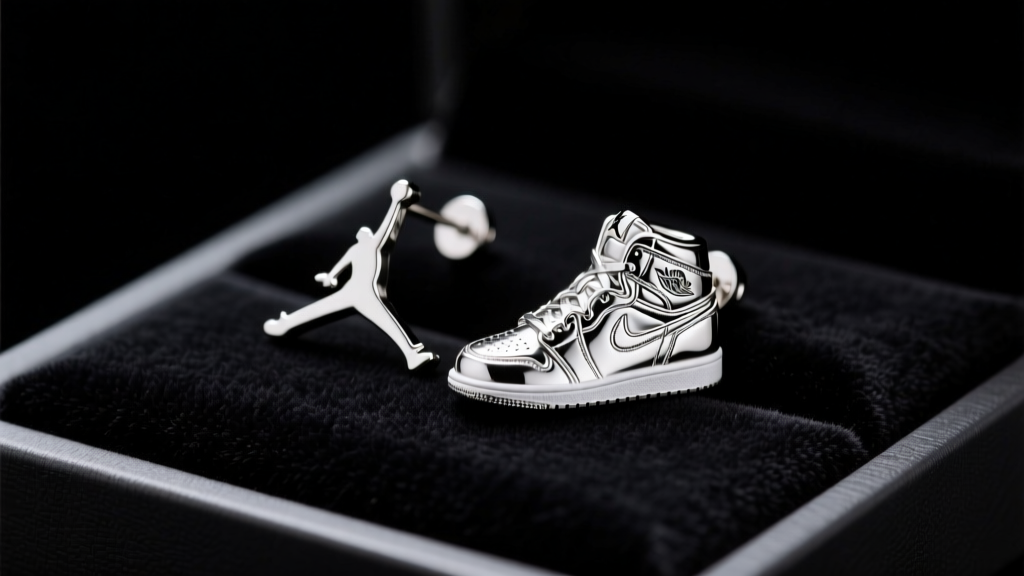
The Sneakerhead Dilemma: Streetwear Hype vs. Ear Health
Streetwear and fine jewelry have fully collided in 2026, and at the center of this cultural crossover are Air Jordan earrings. Whether you are rocking the classic Jumpman logo studs, miniature Air Jordan 1 High dangles, or basketball hoop huggies, sneaker-themed ear adornments are a staple of modern expression. However, beneath the iconic silhouettes and vibrant enamel finishes lies a complex metallurgical reality. The vast majority of mass-market sneaker earrings are classified as "fashion jewelry," prioritizing visual accuracy and low manufacturing costs over long-term biocompatibility.
For collectors and daily wearers, understanding the material composition of your Air Jordan earrings is critical. The wrong alloy can lead to severe contact dermatitis, while poor structural engineering can result in bent posts and lost charms. In this comprehensive guide, we break down the exact metallurgy, gauge physics, and maintenance protocols required to keep your sneaker jewelry looking fresh and your earlobes healthy.
Material Breakdown: What Are Your Jumpman Earrings Made Of?
When sourcing Air Jordan earrings, you will typically encounter three primary material categories. Each possesses distinct physical properties, tarnish profiles, and allergen risks.
1. Zinc Alloy (Zamak) & Brass Cores
Most officially licensed and bootleg sneaker charms are die-cast from Zamak, an alloy composed of zinc, aluminum, magnesium, and copper. Zamak is favored by manufacturers because it melts at a low temperature and captures the intricate tread patterns and Nike Swoosh curves perfectly. However, Zamak is highly porous and prone to oxidation. To make it shiny, manufacturers electroplate it with a microscopic layer of silver or gold, often using a "nickel flash" underlayer to help the plating adhere. Once that top layer wears off from friction and sweat, the nickel and raw zinc are exposed to your skin, frequently resulting in the dreaded "green ear" effect and severe allergic reactions.
2. 316L Surgical Stainless Steel
Many mid-tier sneaker jewelers market 316L stainless steel as "hypoallergenic." While 316L is highly resistant to rust and boasts excellent tensile strength, the term hypoallergenic is largely a marketing myth in this context. 316L steel contains between 8% and 10.5% nickel. According to the Mayo Clinic, prolonged exposure to nickel through sweat can trigger allergic contact dermatitis in sensitized individuals. If you have a known nickel allergy, standard stainless steel Air Jordan studs will likely cause your lobes to itch, swell, and weep within 24 hours of wear.
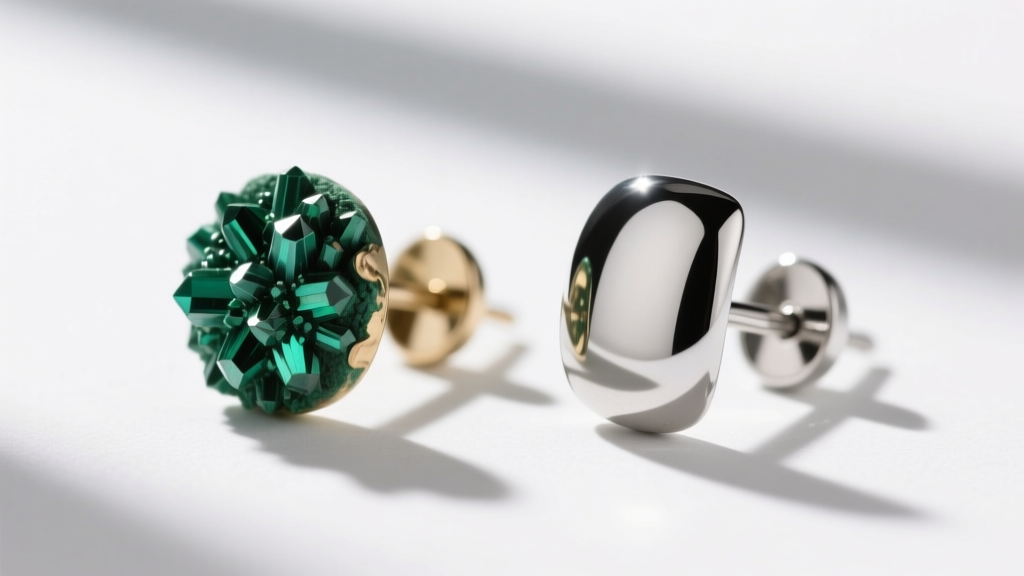
3. ASTM F136 Titanium & Niobium (The Custom Upgrades)
For the ultimate sneakerhead who refuses to compromise on ear health, custom-cast or 3D-printed titanium is the gold standard. Specifically, ASTM F136 implant-grade titanium contains zero nickel and is entirely biocompatible. Because titanium is incredibly strong yet lightweight, it allows for larger, oversized Air Jordan 4 or Air Max charms that won't stretch the earlobe. Niobium is another excellent, albeit softer, alternative that can be anodized to match specific sneaker colorways (like the infrared accents on the AJ5) without using toxic paints or enamels.
Material Comparison Chart
| Material | Nickel Content | Tensile Strength | Tarnish Resistance | Best Application |
|---|---|---|---|---|
| Zinc Alloy (Zamak) | High (in plating flash) | Low (Brittle) | Poor (Oxidizes quickly) | Cheap, short-term novelty wear |
| 316L Stainless Steel | 8% - 10.5% | High | Good | Non-sensitive ears, heavy dangles |
| ASTM F136 Titanium | 0% (Nickel-Free) | Very High | Excellent | Sensitive ears, daily wear, heavy charms |
| Solid 14k Gold | Varies (Usually low) | Medium | Excellent | Luxury sneakerhead collections |
The Weight & Gauge Factor: Preventing Lobe Tear-Out
A major failure mode in sneaker jewelry is structural collapse. A miniature, solid-metal Air Jordan 1 High charm can weigh anywhere from 4 to 8 grams. When you attach this to a standard earring post, physics takes over. The "pendulum effect" of walking, nodding, or taking off a hoodie creates kinetic stress on the earring post.
Understanding Gauge Thickness
- 20-Gauge (0.81mm): The industry standard for cheap fashion earrings. A 20G post has a low moment of inertia and will easily bend or snap under the weight of a chunky sneaker charm.
- 18-Gauge (1.02mm): The minimum recommended thickness for dangle Air Jordan earrings. It provides roughly 50% more cross-sectional area than 20G, drastically reducing the risk of bending.
- 16-Gauge (1.29mm): Ideal for heavy, oversized streetwear hoops and large Jumpman silhouettes. Note that 16G requires slightly stretched piercings or a thicker initial piercing needle.
Furthermore, the American Academy of Dermatology notes that heavy earrings can cause micro-tears in the fistula (the piercing hole), which accelerates allergic reactions if the metal contains nickel. To counteract the weight of sneaker charms, always opt for screw-back clutches or silicone O-rings instead of standard friction butterfly backs, which easily slide off when the heavy charm pulls against your collar.
How to Source Hypoallergenic Air Jordan Earrings
Finding safe, high-quality sneaker earrings requires looking beyond the mall kiosk and standard streetwear merch drops. Here is a practical framework for sourcing safe pieces in 2026:
- Seek out Custom 3D Jewelers: Many independent artisans on platforms like Etsy now use CAD software to design exact sneaker replicas, which are then 3D printed in wax and cast in solid 14k gold or platinum. This guarantees a nickel-free, heirloom-quality piece.
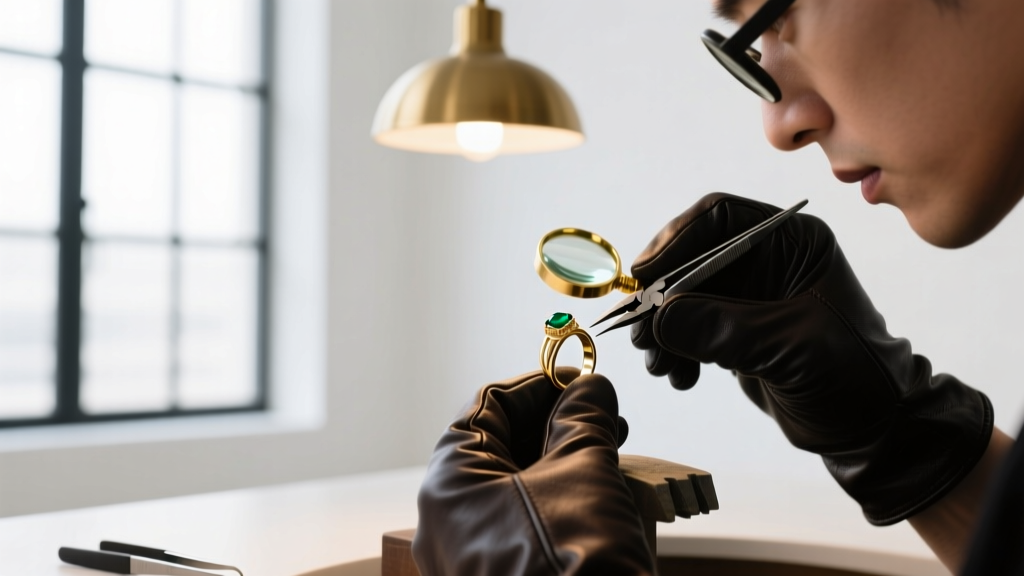
- Titanium Post Swaps: If you already own a pair of Zamak or brass Air Jordan charms that you love, take them to a local bench jeweler. They can laser-weld or solder implant-grade titanium posts directly onto the base of the sneaker charm, eliminating the allergen risk at the source.
- Verify the Alloy: When buying from boutique streetwear jewelers, explicitly ask for the metal certification. If they cannot confirm whether the alloy is 316L steel or a zinc blend, assume it contains nickel and avoid it if you have sensitive skin.
Maintenance: Keeping Your Sneaker Jewelry Fresh
Sneaker earrings frequently incorporate painted enamel, epoxy resin, or anodized aluminum to mimic iconic colorways like the "Chicago" red or "Bred" black. This mixed-material construction requires specialized care.
The Ultrasonic Cleaner Danger
Never put enameled or painted Air Jordan earrings into an ultrasonic jewelry cleaner. The high-frequency sound waves create microscopic cavitation bubbles that will violently shatter the painted enamel and strip the color right off the miniature Swoosh.
The Safe Cleaning Protocol
"To clean mixed-material sneaker charms, use a drop of mild, phosphate-free dish soap and warm distilled water. Gently agitate with a baby-soft toothbrush, focusing on the crevices of the shoe's toe box and laces where skin oils and dead cells accumulate. Dry immediately with a microfiber cloth to prevent water spots on the metal plating." — Master Bench Jeweler & Streetwear Archivist
By understanding the metallurgy and structural demands of your jewelry, you can elevate your sneakerhead aesthetic without sacrificing your ear health. Whether you choose the affordability of surgical steel or the biocompatibility of custom titanium, making an informed material choice ensures your Air Jordan earrings remain a staple of your rotation for years to come.


