Ribbon Earrings Buying Guide: Styles, Metals & Fit (2026)
Discover our expert ribbon earrings buying guide. Learn how to choose the right enamel, metal, and weight for bow and tie motifs in 2026.

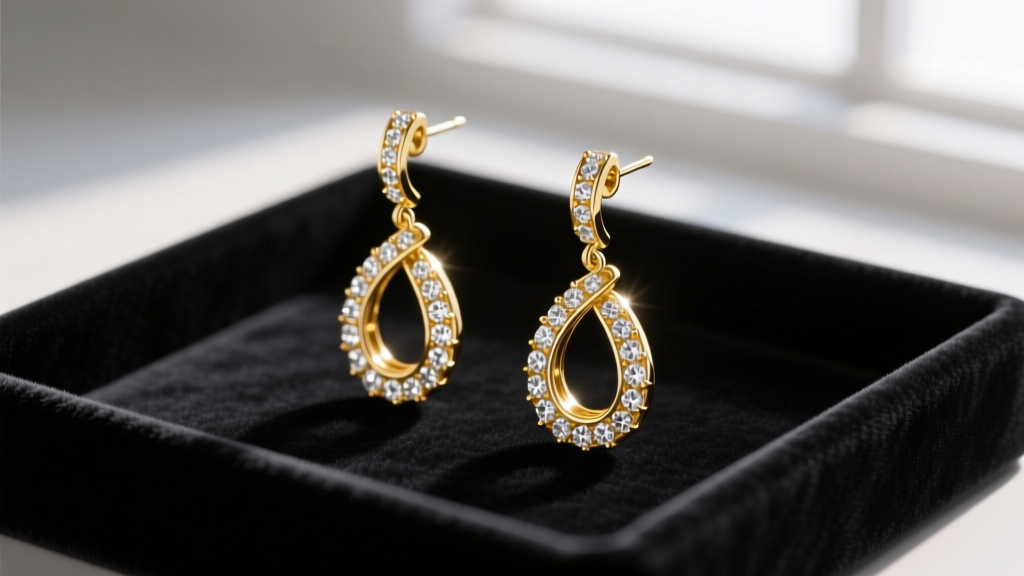
Ribbon earrings have transcended their coquette and balletcore origins to become a permanent fixture in fine and fashion jewelry collections. Whether rendered as a delicate diamond-pavé bow stud or a dramatic, cascading silk drop, the ribbon motif offers a blend of romanticism and structural elegance. However, buying ribbon earrings requires looking past the aesthetic. The intricate folds, varying material densities, and uneven weight distributions of bow and tie designs introduce unique wearability challenges. This comprehensive 2026 buying guide breaks down the exact specifications, material grades, and structural considerations you need to evaluate before investing in ribbon earrings.
The Anatomy of Ribbon Earrings: Studs, Drops, and Cuffs
Before evaluating materials, it is crucial to understand how the structural category of the earring dictates its longevity and comfort. Ribbon motifs are generally adapted into three distinct silhouettes:
- Ribbon Studs (5mm - 12mm): Typically featuring a tight, symmetrical bow. These sit flush against the earlobe. Because of their compact size, they are ideal for everyday wear and second-lobe piercings. Look for stud ribbons with a slightly domed profile to catch the light, rather than flat-cast metal which can look dull.
- Ribbon Drops and Dangles (20mm - 50mm): These feature a bow or tied knot at the top with a 'streamer' or tail that hangs down. The articulation point (where the ribbon tail meets the bow) is a critical stress point. High-quality drops will use a reinforced jump ring or a seamless hinge, whereas cheaper versions rely on thin, easily bent wire loops.
- Ribbon Ear Cuffs: Designed to wrap around the helix or mid-cartilage without a piercing. The tension of the metal must be precisely calibrated. If the ribbon cuff is cast in rigid brass or thick silver, it cannot be adjusted without snapping the delicate 'tails' of the bow design.
Material Breakdown: What You Are Actually Buying
The visual appeal of ribbon earrings relies heavily on the material used to simulate the folds and sheen of fabric. Here is a technical comparison of the most common materials used in 2026.
| Material | Durability | Price Range | Maintenance Level |
|---|---|---|---|
| Cold Enamel (Epoxy) | Moderate (Scratches) | $30 - $150 | Low |
| Vitreous Enamel (Glass) | High (Shatters on impact) | $200 - $800 | Medium |
| Silk / Satin Fabric | Low (Frays, water damage) | $15 - $90 | High |
| Pavé Diamonds / Gemstones | Very High | $500 - $3,000+ | Medium (Prong checks) |
Cold Enamel vs. Vitreous Enamel: The Crucial Difference
Many brands market 'enamel' ribbon earrings without specifying the process. According to industry analyses by JCK Online, understanding this distinction is vital for fine jewelry buyers. Cold enamel is actually a two-part epoxy resin poured into metal castings. It is durable against drops but highly susceptible to scratching and UV yellowing over time. Vitreous enamel, conversely, is finely ground silica glass fused to metal in a kiln at temperatures exceeding 1400°F. Vitreous enamel offers a brilliant, permanent glass-like finish that will never yellow, but it will shatter if dropped on a tile floor. Always check the product specifications; if the price is under $150, you are almost certainly buying cold epoxy resin, not fired glass.
Sizing, Weight, and the 'Cheese-Cutter' Effect
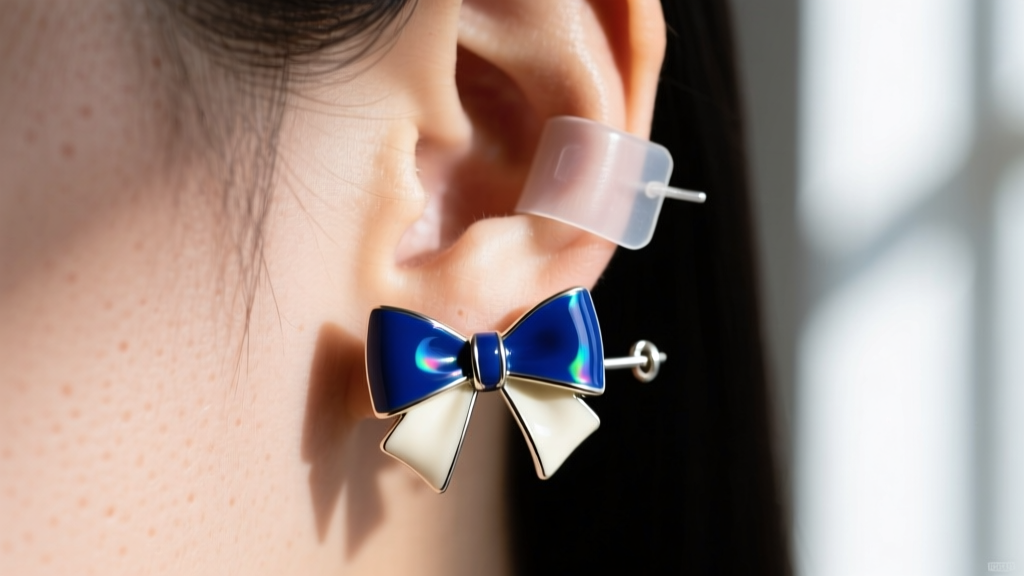
The most common failure point with ribbon drop earrings is lobe tearing, colloquially known in the jewelry industry as the 'cheese-cutter effect.' A 35mm vitreous enamel and sterling silver ribbon drop can easily weigh between 6 to 9 grams. If this weight is suspended on a standard 20-gauge (0.81mm) earring post, the thin metal will slowly slice through the earlobe tissue over the course of a day.
What to look for in the post and backing:
- Post Gauge: For any ribbon earring exceeding 5 grams, demand an 18-gauge (1.02mm) or 16-gauge (1.29mm) post. This provides the necessary surface area to distribute the weight.
- Closure Type: Avoid standard butterfly friction backs for heavy ribbon drops. They slip down the post, causing the earring to droop forward. Opt for leverback closures or locking screw-backs which secure the earring flush against the lobe.
- Support Patches: If you already own heavy ribbon earrings with thin posts, utilize clear silicone earlobe support patches (such as BlingDots or LobeWonder). These adhesive patches distribute the weight across a 15mm surface area behind the ear, completely neutralizing the cheese-cutter effect.
Face Shape Pairing: Matching the Bow to Your Profile
Ribbon earrings are inherently volumetric. The way the 'tails' of the ribbon fall can drastically alter the perceived geometry of your face.
- Round Faces: Avoid wide, horizontal bow studs which emphasize facial width. Instead, opt for elongated ribbon tie drops (resembling a necktie or streamer) that draw the eye vertically and create a lengthening illusion.
- Square Faces: Angular jawlines are beautifully softened by rounded, voluminous bow drops with curved edges. Avoid stiff, geometric ribbon designs cast in harsh, oxidized metals.
- Heart-Shaped Faces: Chandelier-style ribbon earrings that flare out at the bottom (mimicking an untied, flowing ribbon) add necessary visual weight to the lower half of the face, balancing a wider forehead.
2026 Pricing Tiers: Setting Realistic Budgets
When shopping for ribbon earrings, pricing is heavily stratified by material integrity and metal purity. Use this framework to ensure you are paying a fair market value.
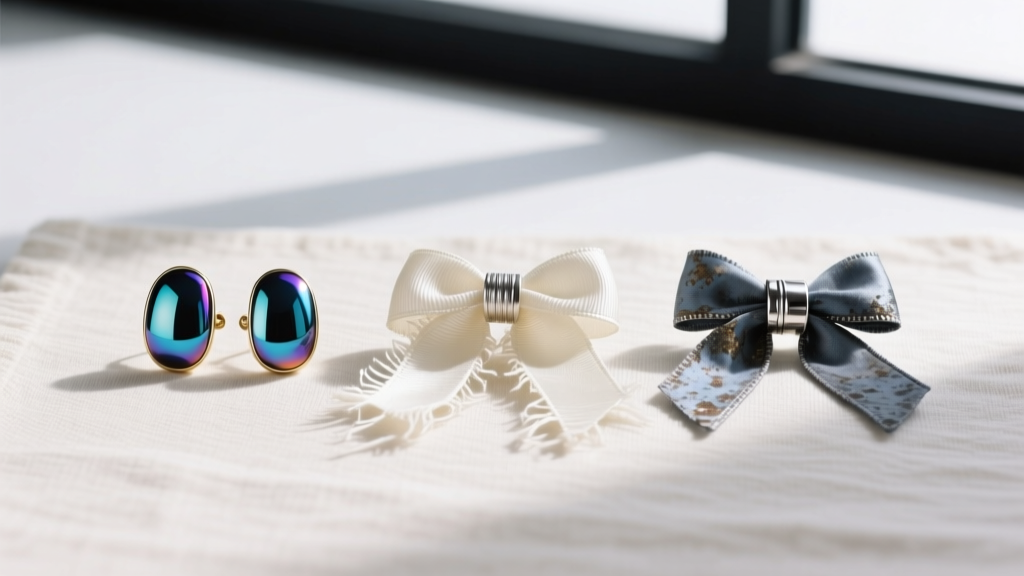
- Entry Tier ($20 - $75): Expect gold-plated brass or sterling silver with cold epoxy enamel. Fabric ribbon earrings from contemporary fashion brands also sit here. Watch out for nickel alloys in the posts, which can cause contact dermatitis.
- Mid Tier ($80 - $300): Solid 14k gold or high-quality vermeil. This tier introduces semi-precious stone accents (like mother-of-pearl inlay carved into ribbon shapes) and significantly better hinge mechanics on drop styles.
- Fine Tier ($400 - $2,500+): Solid 18k gold, vitreous guilloché enamel, and natural diamond pavé. When buying diamond ribbon earrings, the Gemological Institute of America (GIA) recommends checking the pavé setting under magnification; the intricate folds of a bow design often result in uneven prong placement, which can lead to stone loss if not executed by a master setter.
Care and Maintenance: Preventing Frays and Chips
The intricate crevices of a ribbon motif trap skin oils, lotions, and hairspray, making them notoriously difficult to clean. However, standard jewelry cleaning methods can destroy them.
Expert Warning: Never place enamel or fabric ribbon earrings in an ultrasonic cleaner. The high-frequency vibrations (typically 40,000 Hz) will instantly shatter vitreous glass enamel, degrade cold epoxy resin, and fray silk ribbons.
The Safe Cleaning Protocol:
- Mix a few drops of mild, phosphate-free dish soap in lukewarm water.
- Submerge metal and enamel ribbon earrings for 3 to 5 minutes to loosen debris.
- Use an extra-soft baby toothbrush to gently sweep along the 'folds' of the ribbon. Never use a hard-bristled brush, as it will leave micro-scratches on cold enamel and polished gold.
- Rinse with distilled water (tap water can leave mineral spots in the deep crevices of the bow) and dry immediately with a microfiber cloth.
For actual silk or satin fabric ribbon earrings, avoid liquid cleaners entirely. Use a soft, dry makeup brush to dust the fibers, and store them in a sealed acrylic box with a silica gel packet to prevent humidity-induced warping and dye transfer.
Final Verdict: Invest in Structure
Ribbon earrings are a masterful intersection of whimsy and metallurgy. When evaluating your next purchase, prioritize the structural integrity of the post gauge and the authenticity of the enamel over sheer size. A well-crafted, 14k gold vitreous enamel bow on an 18-gauge post will sit comfortably and brilliantly for decades, proving that the most romantic designs require the most rigorous engineering.


