Decoding the Earrings Malcolm Todd Meaning: Step-by-Step Guide
Discover the earrings Malcolm Todd meaning and learn how to style a raw, mismatched indie ear constellation with our step-by-step curation guide.


When exploring niche aesthetic trends in contemporary jewelry, few searches are as highly specific and culturally resonant as the earrings malcolm todd meaning. For the uninitiated, this phrase does not refer to a traditional historical artifact or a legacy jewelry house. Instead, it points to a highly specific, emotionally raw, and deliberately imperfect ear-styling subculture inspired by the indie-pop aesthetics of the mid-2020s. Fans and stylists alike use this search to decode a look that champions vulnerability, nostalgia, and anti-perfectionism through curated, mismatched ear constellations.
If you are looking to replicate this deeply personal, grunge-adjacent yet refined aesthetic, you cannot simply buy a matched set from a mall retailer. This requires an intentional approach to metal finishes, gemstone irregularities, and anatomical placement. Below is your definitive, step-by-step guide to mastering this trend, complete with gauge specifications, material grades, and curation frameworks.
The Core Aesthetic: What Does the Trend Actually Mean?
At its heart, the aesthetic is about emotional authenticity translated into metal and stone. The "meaning" behind this specific ear styling relies on three visual pillars:
- Asymmetry as Rebellion: Matching earrings represent conformity. The indie-eclectic look demands a heavy, grounding piece on one ear balanced by a delicate, scattered cluster on the other.
- Patina Over Polish: High-shine rhodium plating is avoided. The trend favors oxidized sterling silver, brushed matte gold, and metals that look like they have lived through a story.
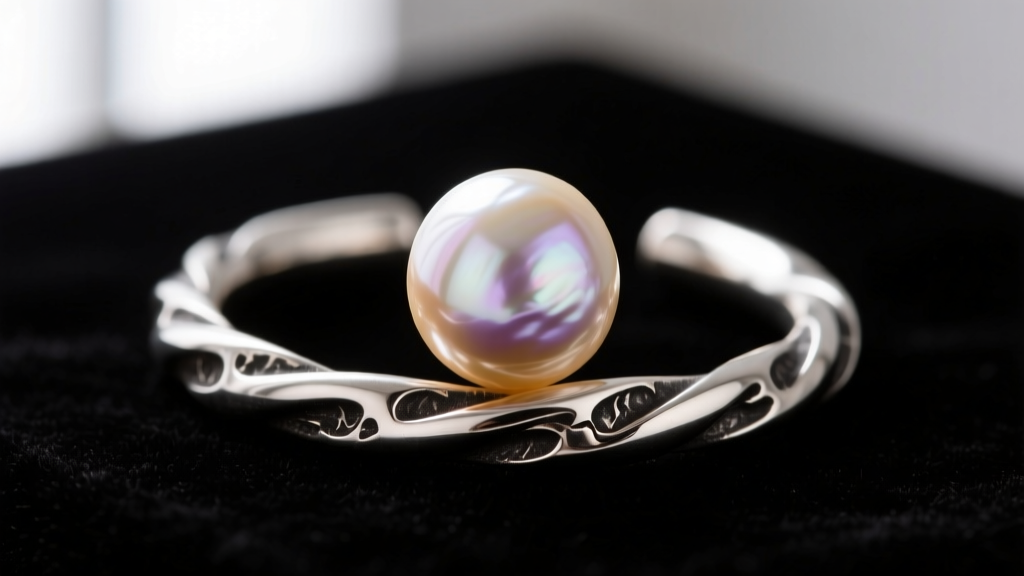
- Organic Imperfection: Flawless, round diamonds are replaced by raw, unpolished baroque pearls and uncut semi-precious stones that highlight natural flaws.
"The goal is not to look styled; the goal is to look like your jewelry collection has been accumulated over years of late-night tours, thrift store finds, and emotional milestones."
Step 1: Selecting Your Base Metals and Materials
To achieve the correct visual weight, you must be highly selective about your materials. The foundation of this look relies heavily on 925 sterling silver treated with liver of sulfur. This chemical process intentionally oxidizes the silver, creating a dark, tarnished patina in the crevices of the jewelry while leaving the high points slightly polished.
Material Sourcing Checklist
| Material | Specific Grade / Finish | Why It Fits the Aesthetic | Price Range (Per Piece) |
|---|---|---|---|
| Sterling Silver | 925 with Liver of Sulfur Oxidation | Provides a moody, vintage, grunge-adjacent base. | $35 - $85 |
| Yellow Gold | 14k Recycled with Brushed Satin Finish | Adds warmth without the flashy glare of high-polish gold. | $120 - $250 |
| Pearls | Uncalibrated Baroque (Freshwater) | Asymmetrical shapes mirror the emotional rawness of the trend. | $20 - $60 |
| Gemstones | Raw/Untreated Labradorite or Moonstone | Offers a subtle, moody flash rather than brilliant sparkle. | $40 - $90 |
When sourcing pearls, the Gemological Institute of America (GIA) notes that baroque pearls are classified by their irregular, non-symmetrical shapes. For this specific look, you want pearls with deep ridges and noticeable blemishes, as these "flaws" are the focal point of the indie aesthetic.
Step 2: Mapping the Ear Constellation (Gauge & Placement)
You cannot execute this look without understanding piercing anatomy and standard jewelry gauges. A common mistake is buying 20-gauge (0.81mm) earrings for cartilage piercings that were pierced at 16-gauge (1.52mm), leading to discomfort and improper seating. According to the Association of Professional Piercers (APP), adhering to correct gauge sizes is critical for both healed and fresh piercings to prevent tissue irritation.
Standard Gauge & Placement Guide
| Piercing Location | Standard Gauge Size | Recommended Jewelry Style | Aesthetic Purpose |
|---|---|---|---|
| Standard Lobe | 20G (0.81mm) or 18G (1.02mm) | Textured huggies, raw pearl studs | Acts as the foundational anchor for the ear stack. |
| Upper Lobe | 20G (0.81mm) or 18G (1.02mm) | Tiny oxidized silver chains, minimalist clicks | Creates a transitional bridge to the cartilage. |
| Helix / Mid-Helix | 16G (1.52mm) | Seamless clicker rings with single raw gems | Adds edge and draws the eye upward. |
| Flat / Faux Rook | 16G (1.52mm) or 14G (1.63mm) | Threadless labret studs with matte gold ends | Fills negative space with subtle, moody metallic flashes. |
Step 3: The Art of the Mismatch (Step-by-Step Pairing)
The true "meaning" of the trend is realized in the execution of the mismatch. Here is how to balance the visual weight across both ears without looking chaotic.
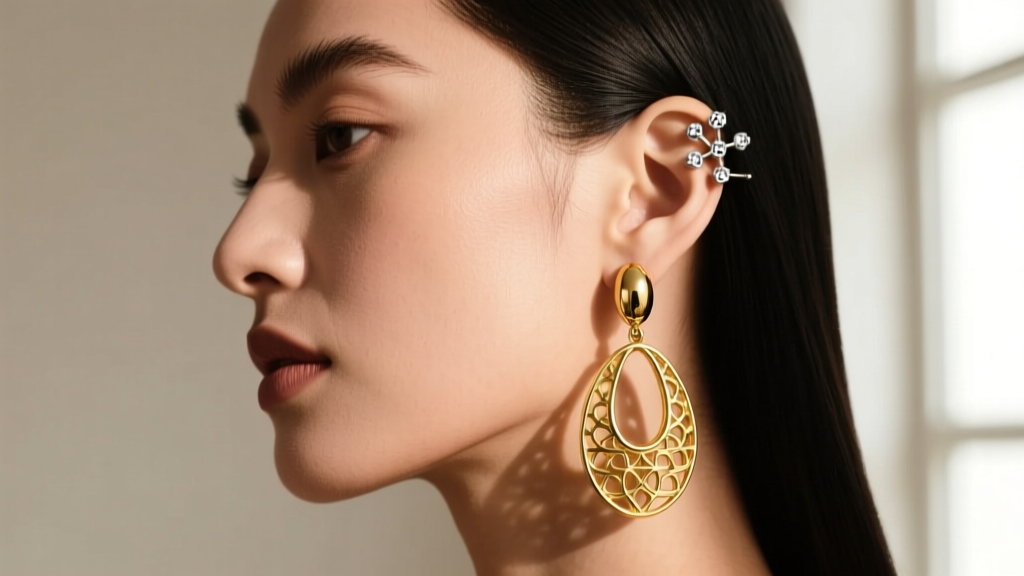
- Establish the Anchor Ear: Choose one ear to be your "heavy" side. Start with a 14k gold or oxidized silver drop earring in the primary lobe piercing. This piece should have movement and visual weight (e.g., a 40mm drop chain with a raw labradorite teardrop).
- Build the Cluster Ear: On the opposite ear, skip the drop earring entirely. Instead, fill the lobe and cartilage with a tight cluster of 20-gauge and 18-gauge studs and micro-huggies.
- Connect the Metals: Do not mix metals randomly. If your anchor ear features an oxidized silver drop with a gold accent bead, ensure the cluster ear features predominantly oxidized silver with one single gold accent stud to create a deliberate visual thread.
Step 4: Sourcing Authentic Pieces (Brands & Budgeting)
To avoid the trap of fast-fashion alloys that will turn your skin green and ruin the aesthetic, you must invest in solid materials. Here is a breakdown of where to source pieces that fit the indie-eclectic vibe:
- For the Base Metals (Etsy Artisans): Search for independent metalsmiths specializing in "oxidized sterling silver botanical earrings." Expect to pay between $40 and $90 per piece. Look for sellers who explicitly state they use liver of sulfur rather than black rhodium plating, which chips over time.
- For the Cartilage Hardware (Maria Tash & BVLA): While these brands are known for high-polish luxury, their 16-gauge threadless ends in "brushed" or "sandblasted" finishes perfectly capture the matte, understated vibe required for the helix and flat piercings. Budget $150+ per end and post.
- For Raw Pearls (Specialty Gem Dealers): Avoid standard jewelry stores. Source uncalibrated baroque pearls from specialized gem shows or niche online dealers like Pearl Paradise, focusing on their "baroque" and "coin" categories.
Maintenance: Preserving the Patina
The most critical mistake wearers make with this aesthetic is accidentally cleaning the "grunge" out of their jewelry. Standard silver polishing cloths contain mild abrasives and chemical tarnish-removers that will strip the intentional liver of sulfur oxidation right out of the crevices, leaving you with flat, bright silver that completely misses the point of the trend.
Proper Cleaning Protocol
To maintain hygiene without destroying the patina, follow these steps:
- Remove the earrings from your ears.
- Use a soft-bristled baby toothbrush dipped in a mixture of warm water and a single drop of mild, phosphate-free dish soap.
- Gently brush only the high points and the posts that touch your skin. Avoid scrubbing the recessed, oxidized areas.
- Rinse quickly under lukewarm water and pat dry with a microfiber cloth. Never use a silver polishing cloth on oxidized pieces.
By understanding the deeper cultural resonance behind the earrings malcolm todd meaning, you elevate your jewelry from mere accessories to a curated, wearable diary. It is a celebration of the raw, the mismatched, and the beautifully imperfect.


