How to Rock a Male Earring Left Ear: Step-by-Step Guide
Master the male earring left ear look with our step-by-step guide. Learn gauge sizes, implant-grade materials, and modern styling rules.

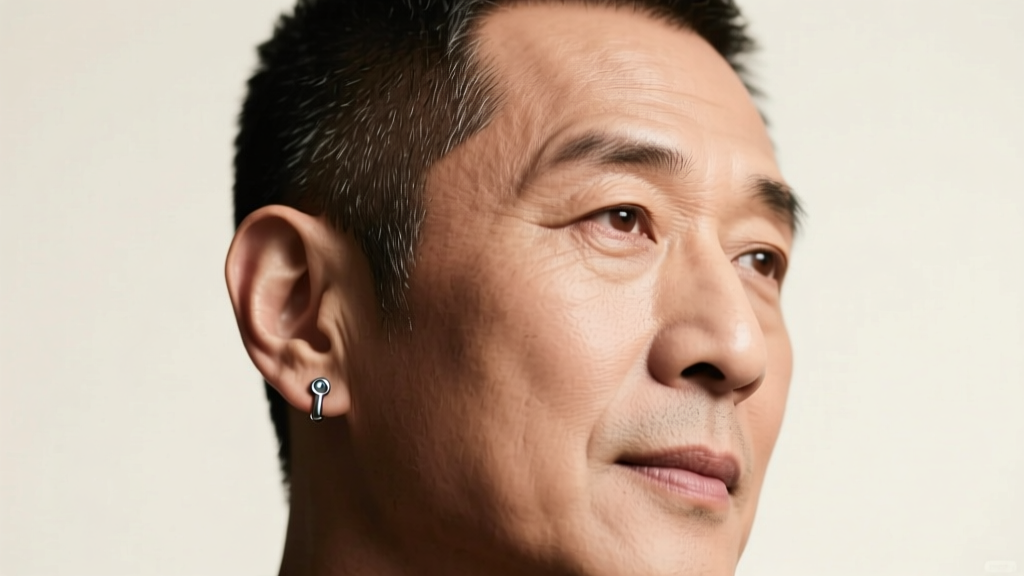
Navigating the world of men's jewelry requires a blend of anatomical knowledge, material science, and an understanding of modern aesthetics. If you are researching how to style a male earring left ear placement, you are likely encountering a mix of outdated cultural myths and genuine styling dilemmas. In 2026, the rigid codes of the past have dissolved, replaced by a focus on facial symmetry, hair parting, and high-quality body modification. This comprehensive, step-by-step guide will walk you through the exact process of selecting, piercing, and styling a single left-ear earring, ensuring your look is both intentional and anatomically sound.
Decoding the "Left Ear" Rule in Modern Menswear
Historically, the "left is right, right is wrong" trope dominated the 1980s and 1990s, serving as a covert signaling system for sexual orientation. Today, that cultural coding is entirely obsolete. Modern menswear and grooming experts view ear placement purely through the lens of visual balance. Choosing to wear a single earring in the left ear is now a deliberate styling choice, often dictated by how a man parts his hair or the natural asymmetry of his jawline. The focus has shifted from "what does it mean?" to "what is the highest quality way to execute this look?"
Step 1: Mapping Your Anatomy and Gauge Size
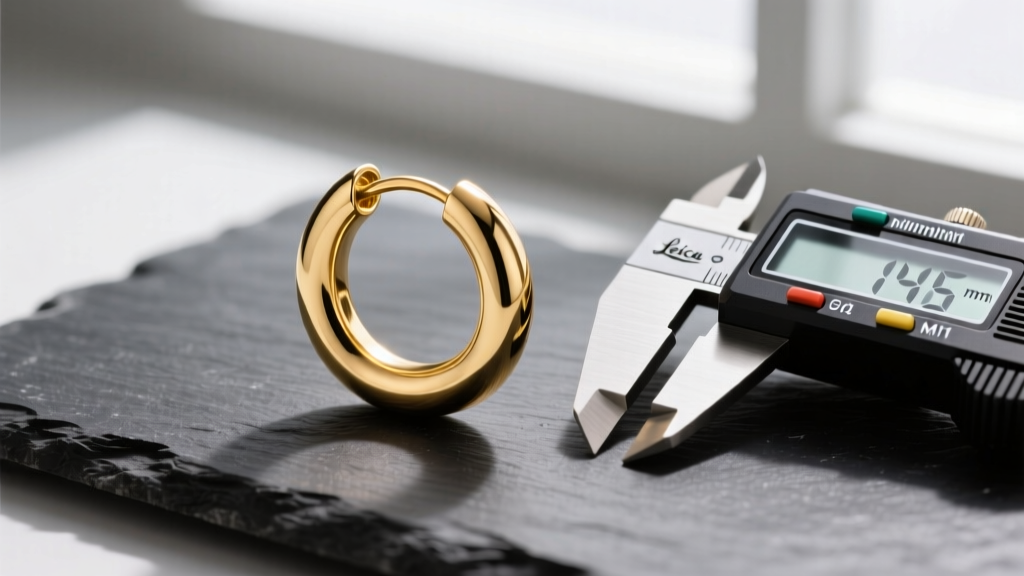
Before purchasing jewelry, you must understand the standard gauge sizes used in professional piercing. The thickness of the metal post is measured in gauges (G); confusingly, the higher the gauge number, the thinner the metal. Getting the gauge wrong can lead to tearing, migration, or the "cheese-cutter effect," where a heavy earring slowly slices through the lobe tissue.
- Standard Lobe (20G or 18G): Measuring 0.81mm or 1.02mm respectively, this is the standard for most traditional male lobe piercings. It accommodates most commercial studs and lightweight hoops.
- Thicker Lobe / Light Stretch (16G or 14G): Measuring 1.2mm to 1.6mm. Many professional piercers prefer 16G for lobes because the slightly thicker post provides better structural integrity and reduces the risk of migration.
- Cartilage / Helix (16G): If you are moving beyond the lobe to the upper left ear cartilage, 16G is the industry standard to accommodate swelling and ensure long-term stability.
Step 2: Selecting Implant-Grade Materials
The most common failure mode in men's earrings is contact dermatitis caused by cheap alloys. Many commercial brands sell "surgical steel," which is a vague marketing term that often masks high nickel content. For a fresh piercing or sensitive skin, you must demand specific material certifications.
| Material Grade | Nickel Risk | Price Range | Best Use Case |
|---|---|---|---|
| Implant-Grade Titanium (ASTM F136) | Zero | $25 - $60 | Initial piercings, highly sensitive skin, everyday wear |
| 14k or 18k Solid Gold (Nickel-Free Alloy) | Zero | $120 - $450+ | Fully healed piercings, luxury styling, formal events |
| Niobium | Zero | $20 - $40 | Hypoallergenic alternative to titanium, great for seamless hoops |
| "Surgical" Stainless Steel (316L) | Moderate (8-12%) | $10 - $25 | Fully healed lobes only; avoid if you have metal sensitivities |
According to the Association of Professional Piercers (APP), ASTM F136 titanium is the gold standard for initial body jewelry because it is biocompatible, lightweight, and completely free of nickel. Always verify that the jeweler can provide the exact ASTM or ISO certification for their metals.
Step 3: The Piercing and Aftercare Protocol
Never use a piercing gun. Piercing guns use blunt force trauma to shove a thick, often unsterile stud through the tissue, causing micro-tears and severe blowouts. Always visit a licensed professional who uses a single-use, hollow bevel needle. The needle cleanly removes a tiny core of tissue, allowing the jewelry to slide in smoothly with minimal trauma.
The 6-Week Healing Blueprint
Once pierced, the aftercare routine is non-negotiable. The Mayo Clinic recommends a strict, minimalist approach to wound care. Avoid tea tree oil, rubbing alcohol, and hydrogen peroxide, as these destroy the delicate new cells forming the fistula (the tube of healed skin inside the piercing).
Pro-Tip: Ditch the traditional "butterfly back" earring posts. The grooves on butterfly backs trap dead skin, sebum, and bacteria, leading to foul odors and localized infections. Upgrade to internally threaded or threadless flat-back labrets. The flat disc sits flush against the back of the ear, eliminating pressure points while you sleep and preventing bacterial buildup.
Spray the front and back of the left ear with sterile 0.9% sodium chloride wound wash twice a day. Lobe piercings typically take 6 to 8 weeks to heal initially, but the fistula won't fully mature for up to 6 months. Cartilage piercings require 6 to 12 months of diligent aftercare.
Step 4: Styling for Facial Symmetry and Hair
Styling a single male earring in the left ear is an exercise in balancing your overall silhouette. The decision should be heavily influenced by your grooming habits and bone structure.
The Hair Parting Rule
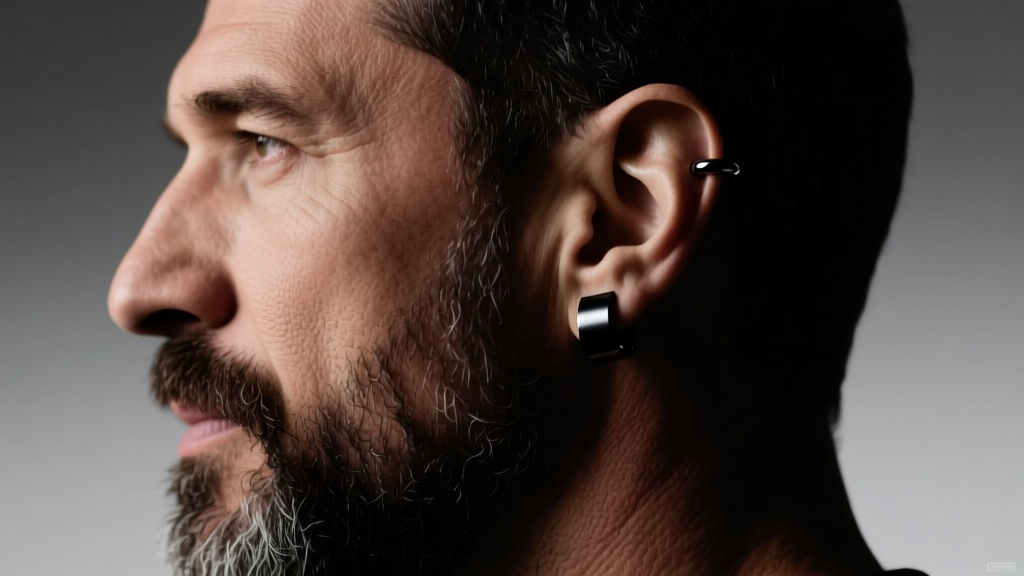
Visual weight matters. If you part your hair on the right side, the bulk of your hair sweeps over the right ear, leaving the left side of your face and neck exposed. Placing an earring in the left ear in this scenario acts as a visual anchor, drawing the eye downward and highlighting your jawline. Conversely, if you have a tight, uniform buzz cut or fade, you have total freedom to choose the left ear simply based on your dominant hand (many right-handed men find it easier to insert and remove jewelry from their left ear).
Matching Jewelry to Face Shapes
- Angular / Square Jaws: Soften the harsh lines of a strong jaw with curved jewelry. A seamless 16G gold hoop or a continuous ring in the left lobe adds a subtle, masculine curve without overwhelming the face.
- Round / Soft Features: Introduce structure. Geometric studs, square-cut onyx inlays, or vertical drop earrings create the illusion of length and sharpness, complementing a fuller face.
- Long / Oblong Faces: Avoid long dangling earrings, which will drag your features down. Stick to flush-fitting flat-back studs or tight huggie hoops that keep the visual focus horizontal.
Pro-Tips for 2026
The current trend in men's jewelry leans heavily into "stealth wealth" and minimalism. Instead of oversized, flashy diamond simulants, the modern male earring left ear aesthetic favors textured metals (like hammered gold or matte-finished tungsten), dark gemstones (black spinel or onyx), and ultra-thin profiles. If you want to expand beyond the lobe without committing to a needle, consider a tension-fit ear cuff on the left helix. This allows you to test the visual weight of upper-ear jewelry before booking a cartilage piercing appointment.
Ultimately, rocking a single earring is about confidence and precision. By respecting the anatomy of your ear, investing in implant-grade metals, and aligning the placement with your personal grooming style, you elevate the look from a rebellious cliché to a refined hallmark of modern menswear.


