The Anatomy of Pearl Leverback Earrings: A Technical Guide
Discover the technical mechanics, pearl grading standards, and metal alloys behind premium pearl leverback earrings in this expert jeweler's guide.

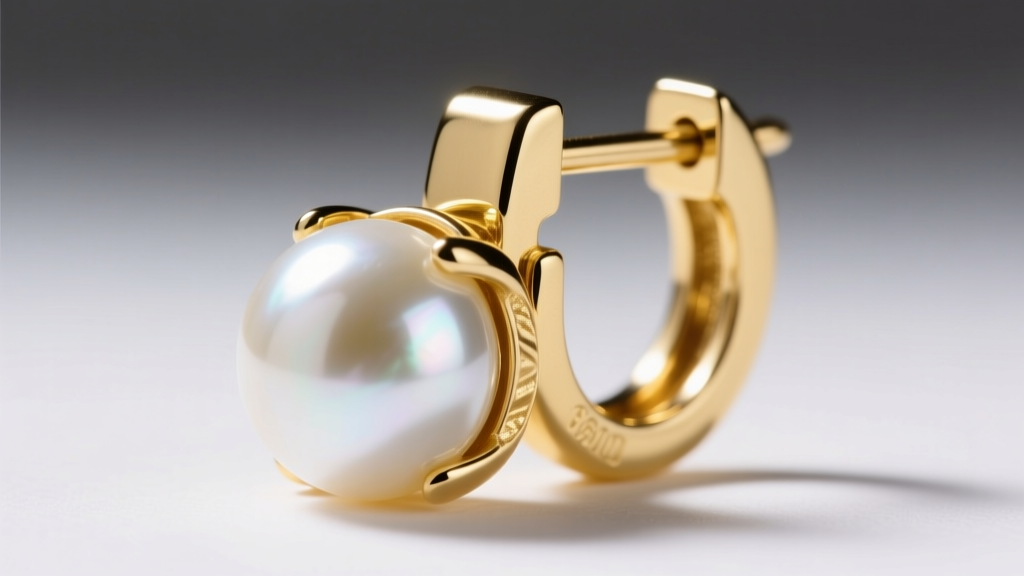
When evaluating fine jewelry, the closure mechanism is often overlooked in favor of the gemstone itself. However, for drop and dangle styles, the hardware dictates both the security and the drape of the piece. Pearl leverback earrings represent the pinnacle of functional elegance, combining a secure, hinged closure with the organic beauty of cultured pearls. Unlike standard French wires that rely on friction and gravity, a leverback utilizes a mechanical interference catch, making it the preferred choice for heavy, high-value pearls. In this technical deep dive, we deconstruct the metallurgy, mechanical engineering, and gemological standards that define premium pearl leverback earrings.
The Mechanical Advantage of the Leverback Closure
The leverback earring consists of three primary components: the hinged wire (often called the fishhook), the hinge barrel, and the tension catch. The wire passes through the ear piercing and locks into the catch, forming a closed loop. This design prevents the earring from sliding out during sleep or physical activity, a critical feature when securing expensive South Sea or Tahitian pearls.
Wire Gauge and Tensile Requirements
The structural integrity of a leverback depends heavily on the wire gauge. Standard French wires are typically crafted from 22-gauge (0.644mm) wire, which is pliable but prone to bending under the weight of a 12mm pearl. Premium leverbacks utilize 20-gauge (0.812mm) or even 18-gauge (1.024mm) wire for the hinge and catch mechanism. The wire must be work-hardened or tempered to ensure the tension catch maintains its "snap" over thousands of articulation cycles without suffering from metal fatigue.
Pearl Mounting Techniques: Peg vs. Wire-Wrapped
Attaching a pearl to a leverback requires precise lapidary and metalsmithing skills. There are two dominant mounting methods used in fine jewelry manufacturing, each requiring specific drill depths and adhesives.
The Peg-and-Cup Setting
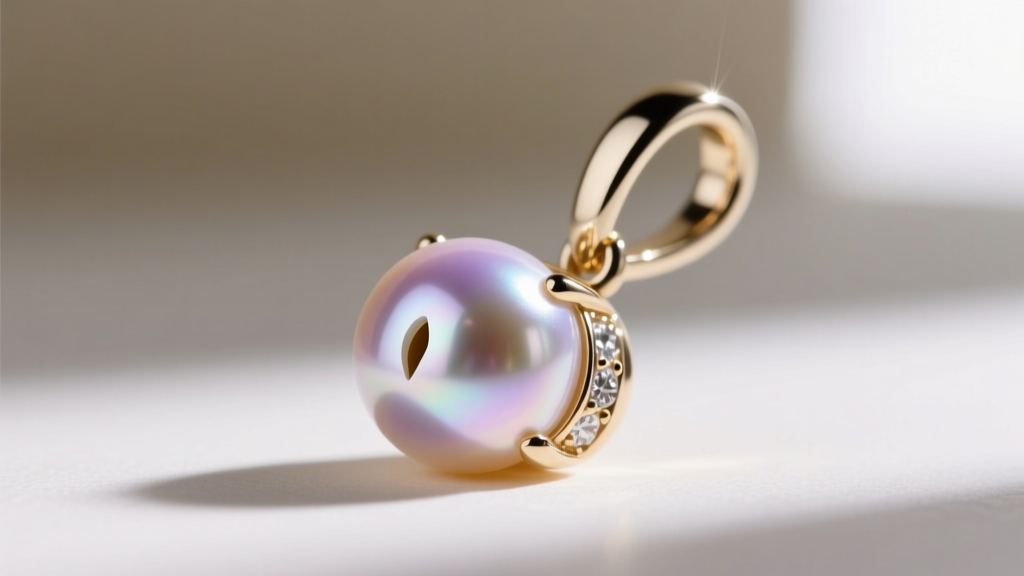
The most common setting for pearl leverbacks is the peg-and-cup (or post-and-cup) mount. This requires a half-drilled pearl. Jewelers typically use a 0.9mm to 1.0mm drill bit, stopping exactly 1mm to 2mm short of the pearl's nucleus to prevent "blowout" (where the drill bit fractures the nacre on the opposite side). The pearl is secured to the metal peg using a two-part jeweler's epoxy. According to the Gemological Institute of America (GIA), care must be taken to avoid cyanoacrylate (super glue), which degrades rapidly when exposed to moisture and can cause the pearl to detach within months.
The Wire-Wrapped Loop
For a more artisanal or vintage aesthetic, jewelers may use a fully drilled pearl and a headpin. The headpin passes entirely through the pearl, and the wire is wrapped into a tight loop that connects to the leverback's jump ring. This method requires a perfectly straight 0.8mm drill channel and is highly secure, though it limits the pearl's natural swing compared to a peg setting.
Metallurgy and Vickers Hardness in Hinge Alloys
The choice of metal impacts not just the color and hypoallergenic properties of the earring, but the mechanical viability of the hinge. The Federal Trade Commission (FTC) Jewelry Guides mandate strict disclosure of metal purity, which directly correlates to the alloy's Vickers Hardness (HV). A softer metal will result in a hinge pin that wears down, causing the leverback to become loose and fail to click shut.
| Metal Alloy | Purity | Avg. Vickers Hardness (HV) | Leverback Suitability |
|---|---|---|---|
| 14k Yellow Gold | 58.5% Au | 135 - 150 HV | Excellent (Ideal for tension catches) |
| 18k Yellow Gold | 75.0% Au | 110 - 125 HV | Good (Requires thicker 18G wire) |
| 925 Sterling Silver | 92.5% Ag | 60 - 75 HV | Fair (Prone to hinge fatigue over time) |
| Platinum 950 | 95.0% Pt | 130 - 140 HV | Excellent (Heavy, requires robust casting) |
As the data illustrates, 14k gold and Platinum 950 offer the superior tensile strength required for the microscopic hinge pins (often just 0.5mm in diameter) that hold the leverback together. Sterling silver, while affordable, is relatively soft and may require periodic adjustment by a bench jeweler to maintain the tension of the catch.
Gemological Considerations: Nacre and Weight Distribution
Not all pearls are suited for leverback settings. The weight of the pearl must be balanced against the leverage exerted on the earlobe. A heavy 14mm South Sea pearl (weighing up to 4 grams) on a long leverback drop will pull the earlobe forward, causing discomfort and stretching the piercing over time.
- Akoya Pearls (6mm - 9mm): The industry standard for leverbacks. Their high luster and relatively light weight (0.5g - 1.5g) allow for elegant, elongated drops without earlobe strain.
- Freshwater Pearls (7mm - 12mm): Often used in commercial leverbacks. Because they are solid nacre, they are durable, but their irregular shapes require careful orientation during the epoxy curing process to ensure they hang perfectly plumb.
- Tahitian & South Sea (10mm - 16mm): Require specialized, heavy-duty leverback hardware. Jewelers often design a counter-weight or a wider, shorter drop to keep the pearl's center of gravity close to the earlobe.
Common Failure Modes and Troubleshooting
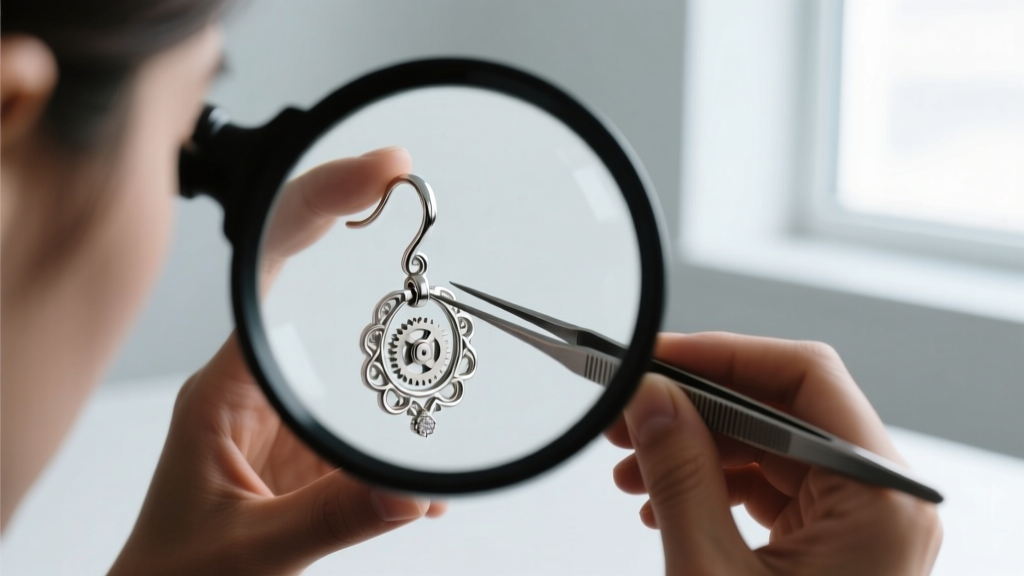
Even master-crafted pearl leverback earrings can experience mechanical or chemical failures. Understanding these failure modes is essential for both collectors and jewelers.
1. Hinge Pin Migration
The microscopic pin holding the hinge together can slowly migrate outward due to the friction of opening and closing the earring. If left unchecked, the pin will fall out, separating the wire from the body. Bench jewelers solve this by using a micro-staking tool to peen the ends of the hinge pin, locking it permanently in place.
2. Catch Tab Deformation
If a leverback is forced open past its natural stopping point, the tension tab can bend backward. This results in a "soft" closure that fails to click. This is easily fixed by a jeweler using fine parallel pliers to gently bend the tab back to its original 45-degree angle, restoring the mechanical snap.
3. Epoxy Degradation from Solvents
The most common non-mechanical failure is the pearl detaching from the peg. This is almost always caused by the wearer exposing the earrings to alcohol-based hand sanitizers, acetone (nail polish remover), or harsh perfumes. These solvents break down the molecular bonds of the jeweler's epoxy. To prevent this, pearls should always be the last item put on and the first item taken off when dressing.
Expert Sourcing and Pricing Framework
When sourcing pearl leverback earrings, pricing is dictated by the pearl's origin, nacre thickness, and the precious metal used in the hardware. As of current market valuations, buyers should expect the following tiers for properly engineered, securely mounted leverbacks:
- Commercial Freshwater (Sterling Silver): $45 – $120. Often feature thinner wire (22G) and basic peg settings.
- Premium Akoya (14k/18k Gold): $350 – $850. Features 20G wire, precision half-drilling, and high-luster (Hanadama grade) pearls.
- Luxury South Sea/Tahitian (18k Gold/Platinum): $1,500 – $4,500+. Requires custom-cast, heavy-duty leverback mechanisms to support the gem's mass.
Ultimately, the pearl leverback earring is a triumph of micro-engineering. By understanding the interplay between wire gauge, alloy hardness, and pearl drilling techniques, you can confidently select pieces that offer both lifelong security and timeless elegance.


