Buying Guide for Males Wearing Earrings: 2026 Trends
Discover the 2026 buying guide for males wearing earrings. Learn about gauge sizes, implant-grade materials, and masculine styles for every face shape.

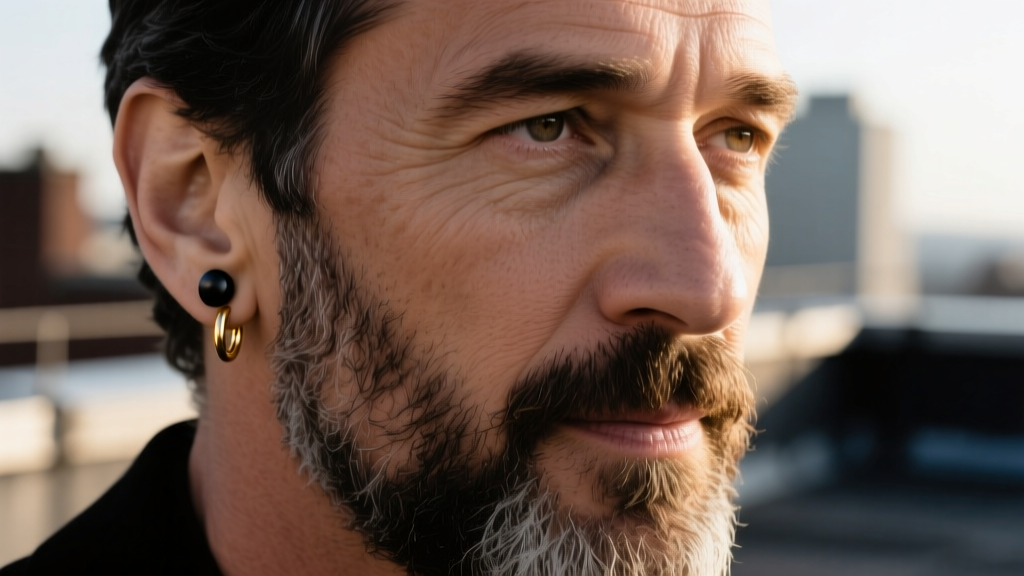
The Modern Standard for Males Wearing Earrings
The landscape of men's jewelry has fundamentally shifted. In 2026, males wearing earrings is no longer an act of counter-culture rebellion but a sophisticated element of personal grooming and style architecture. Whether you are exploring your first lobe piercing or curating a complex cartilage arrangement, the market demands a higher standard of metallurgy, anatomy-specific sizing, and refined aesthetics. This buying guide strips away the marketing fluff to deliver exact specifications, material grades, and structural considerations for men's ear jewelry.
Decoding Gauge Sizes and Piercing Anatomy
One of the most common mistakes men make when buying earrings is ignoring gauge thickness. Jewelry purchased from standard fashion retailers often defaults to 20-gauge or 22-gauge wire, which is too thin for many professional piercings and can cause the "cheese-cutter effect" (migration and tearing) in heavier styles. Understanding the exact millimeter thickness of your piercing is non-negotiable.
| Gauge Size | Millimeter (mm) | Standard Placement | Recommended Jewelry Type |
|---|---|---|---|
| 20g | 0.81 mm | Standard Lobe (Retail) | Lightweight studs, thin wire hoops |
| 18g | 1.02 mm | Lobe (Professional), Tragus | Threadless ends, small huggies |
| 16g | 1.29 mm | Helix, Conch, Tragus, Septum | Barbells, captive bead rings, huggies |
| 14g | 1.60 mm | Industrial, Daith, Rook | Heavy barbells, clickers, shields |
According to the Association of Professional Piercers (APP), initial piercings in cartilage should almost always be performed at 16g or 14g to ensure structural stability during the 6-to-12-month healing phase. Always verify your gauge with your piercer using a digital caliper before purchasing replacement jewelry.
Metallurgy Matters: Choosing Hypoallergenic Materials
When males wearing earrings experience chronic itching, crusting, or localized dermatitis, the culprit is almost always nickel. The term "surgical steel" is largely a marketing fabrication; most 316L stainless steel contains 8% to 12% nickel. For long-term wear, especially in cartilage where blood flow is limited and healing is slow, you must invest in biocompatible metals.
Implant-Grade Titanium (ASTM F136)
This is the undisputed gold standard for sensitive ears and fresh piercings. ASTM F136 titanium is completely nickel-free, lightweight, and highly resistant to corrosion. It can be anodized to produce dark, masculine hues like gunmetal, bronze, or deep violet without using surface paints that chip over time. Expect to pay between $20 and $45 for high-quality titanium basics.
Solid Gold (14k and 18k)
Gold is a premium choice, but purity matters. 24k gold is too soft for body jewelry. 14k and 18k gold offer the perfect balance of durability and luster. However, you must ensure the gold is alloyed with palladium or silver, not nickel. Reputable brands guarantee nickel-free white and yellow gold formulations. Pricing for solid gold men's studs typically starts at $85 and can exceed $300 for bezel-set gemstones.
Core Styles and Mechanics for Men
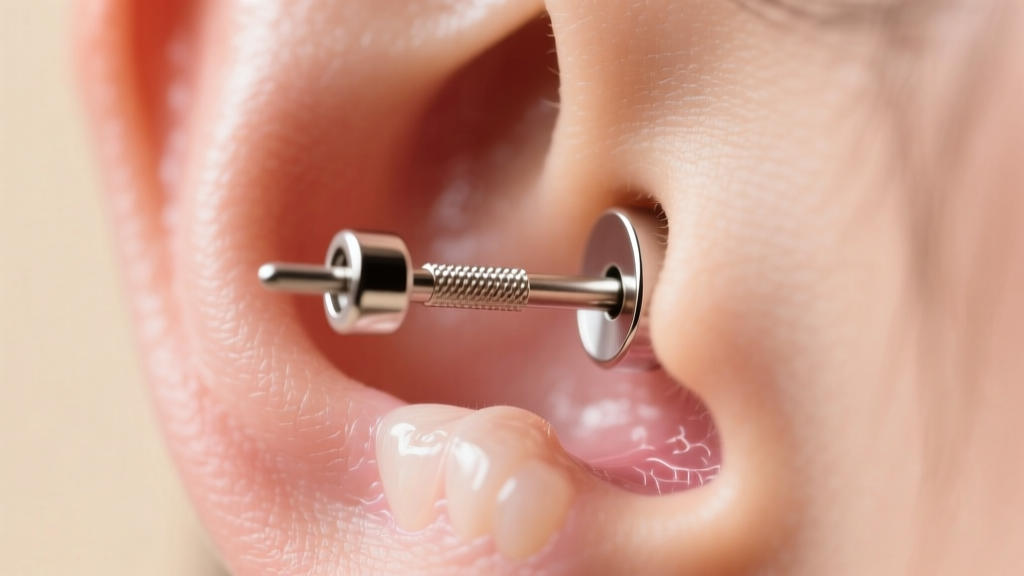
The mechanics of how an earring fastens are just as important as how it looks. Men with longer hair, beards, or active lifestyles frequently lose traditional butterfly-back studs or screw-on bead rings. Here are the superior structural options for 2026.
Threadless (Push-Pin) Jewelry
Pioneered by brands like Neometal, threadless jewelry uses tension to stay together. A slightly bent pin is inserted into a hollow post, creating a secure friction lock. This eliminates the risk of unscrewing and losing a diamond end in your bedsheets or gym bag. It also provides a completely smooth interior surface, preventing tissue irritation. The Neometal Threadless Technology has become the benchmark for high-end body jewelry.
Seamless Huggies and Clickers
For the helix or tragus, huggies offer a sleek, masculine profile that hugs the ear's natural cartilage folds. "Clickers" feature a hinged segment that snaps shut with an audible click, secured by a precision-machined clasp. They are infinitely easier to insert than traditional Captive Bead Rings (CBRs), which require ring-opening pliers and often frustrate the wearer.
Minimalist Barbell Studs
Flat-back labret studs are ideal for lobes and cartilage. Unlike traditional posts that poke out the back of the ear and catch on headphones or hoodie strings, flat-backs sit flush against the tissue. A 3mm or 4mm flat-back titanium disc paired with a subtle matte-black or onyx gemstone end provides a rugged, understated aesthetic.
Proportions and Face Shape Pairing
Earrings alter the visual weight of your face. Choosing the right silhouette requires an understanding of your underlying bone structure.
- Square and Diamond Faces: Characterized by sharp jawlines and prominent cheekbones. Avoid harsh, geometric studs that exaggerate angularity. Opt for small, continuous hoops or curved huggies to introduce softening contrast.
- Round Faces: Benefit from structural, geometric pieces. Angular flat-back studs, shield motifs, or slightly elongated drop elements (if experimenting with avant-garde styles) help create the illusion of vertical length and definition.
- Oval Faces: The most versatile canvas. Males with oval face shapes can confidently wear anything from ultra-minimalist 2mm diamond studs to stacked industrial barbells without disrupting facial harmony.
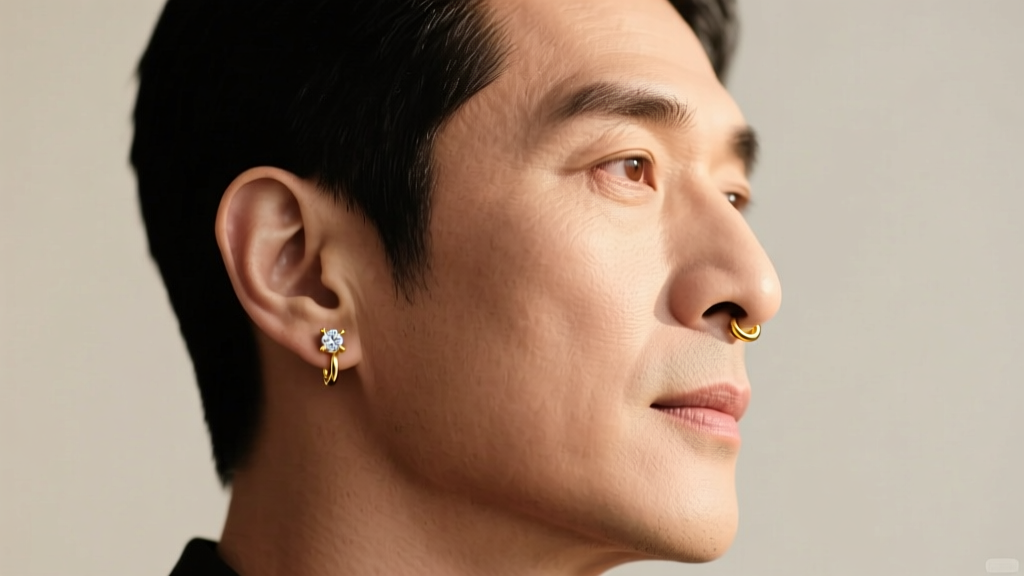
Sourcing Benchmarks: Where to Buy
Avoid fast-fashion kiosks and unverified online marketplaces where material claims are rarely audited. For authentic implant-grade titanium and solid gold, source from dedicated body jewelry manufacturers or professional piercing studios. Brands such as Industrial Strength, Neometal, and Anatometal offer lifetime warranties on their threading and tension mechanisms. Expect to pay a premium for this reliability: a single high-end threadless end and post combination will generally cost between $45 and $120, a worthwhile investment compared to replacing $15 fashion jewelry that degrades and causes infections.
When purchasing online, verify that the retailer ships jewelry in sterilized, medical-grade pouches. Professional studios will autoclave packaged jewelry upon request, ensuring it is free from environmental pathogens before it enters your skin. Avoid platforms that bundle "mystery packs" of jewelry, as these frequently utilize plated brass or low-grade steel that will trigger contact dermatitis within 48 hours of wear.
Aftercare and Troubleshooting
If you are stretching a lobe or healing a new cartilage placement, maintenance is critical. Cleanse the area twice daily using a sterile 0.9% sodium chloride wound wash. Never twist the jewelry, as this tears the fragile fistula (the tube of healing tissue). If a flat-back stud feels too tight and is compressing the skin, visit a piercer to swap the post for a longer shaft; swelling can fluctuate for weeks after the initial piercing.
Furthermore, understand the concept of "downsizing." When a cartilage piercing is initially performed, the piercer uses a longer post (typically 5/16" or 8mm) to accommodate acute swelling. Once the swelling subsides (usually between 4 to 8 weeks), you must return to the studio to have the post swapped for a shorter, snugger fit (usually 3/16" or 6mm). Failing to downsize leaves excess room for the jewelry to snag on towels or clothing, leading to irritation bumps (hypertrophic scarring) that can permanently alter the aesthetic of the piercing site. By prioritizing precise gauge sizing, biocompatible metals, and secure fastening mechanics, you ensure your ear jewelry remains a permanent, irritation-free asset to your personal style.


