Marcel Boucher Earrings: 2026 Vintage Trend & Value Guide
Discover why Marcel Boucher earrings are the ultimate 2026 vintage trend. Explore authentication tips, hallmark guides, and current market pricing.

The 2026 Resurgence of Mid-Century Architectural Jewelry
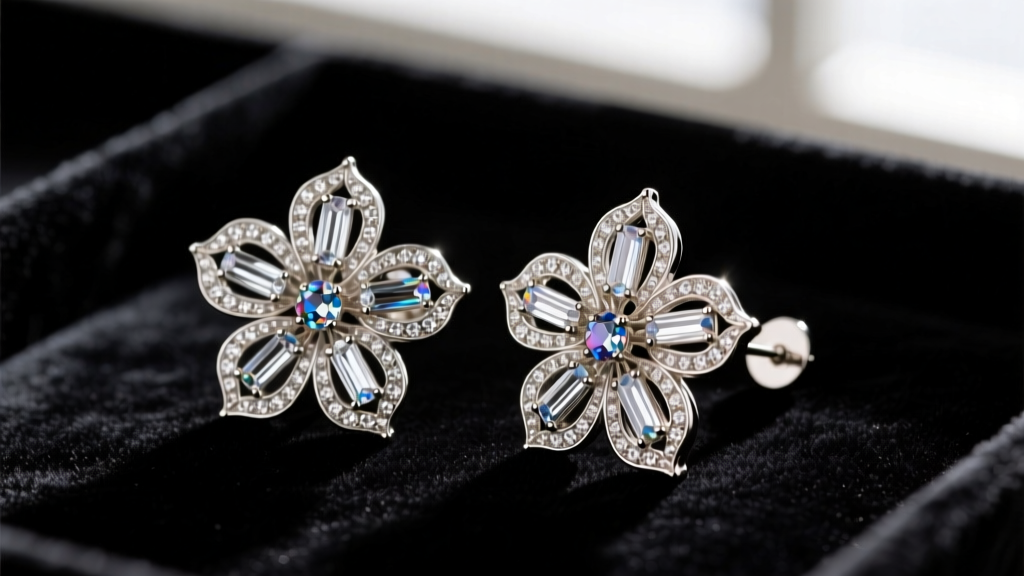
In the landscape of 2026 fashion, the pendulum has swung decisively away from the ultra-minimalist, barely-there jewelry of the early 2020s. Today’s collectors and style curators are embracing "heirloom costume"—pieces that offer the visual weight, historical grounding, and architectural complexity of fine jewelry without the prohibitive precious metal pricing. At the absolute epicenter of this vintage renaissance are Marcel Boucher earrings. Originally produced between the late 1930s and the 1960s, Boucher’s designs are currently dominating estate auctions and high-end vintage curations, prized for their three-dimensional metalwork and uncompromising stone settings.
Marcel Boucher, who honed his craft designing for Mazer Brothers before launching his own eponymous line in 1937, approached costume jewelry with the exacting standards of a master jeweler. Unlike contemporaries who relied on stamped sheet metal and glued stones, Boucher utilized cast base metals and hand-set rhinestones. As Collectors Weekly notes in their comprehensive brand history, Boucher’s background in fine jewelry manufacturing allowed him to create pieces that mimicked the intricate pavé and baguette settings of high-end houses like Cartier and Van Cleef & Arpels, making his earrings highly covetable for modern collectors seeking investment-grade vintage.
Decoding Craftsmanship: Base Metals and Pavé Techniques
To truly understand the value of Marcel Boucher earrings, one must examine the metallurgy and stone-setting techniques that define the brand. Boucher predominantly used heavy white metal alloys—often a mix of zinc, copper, and tin—cast in rubber molds to achieve deep, sculptural relief. This allowed for the creation of his signature 3D bird, floral, and ribbon motifs.
The Rhodium Advantage
During the 1940s and 1950s, Boucher frequently plated his white metal castings in thick layers of rhodium. Rhodium, a precious metal in the platinum family, provided a brilliant, tarnish-resistant finish that perfectly mimicked platinum or white gold. While many vintage earrings from this era suffer from severe base metal pitting and plating loss, well-preserved Boucher pieces often retain their original mirror-like rhodium finish, a key factor driving their premium pricing in 2026.
Prong Settings vs. Adhesive
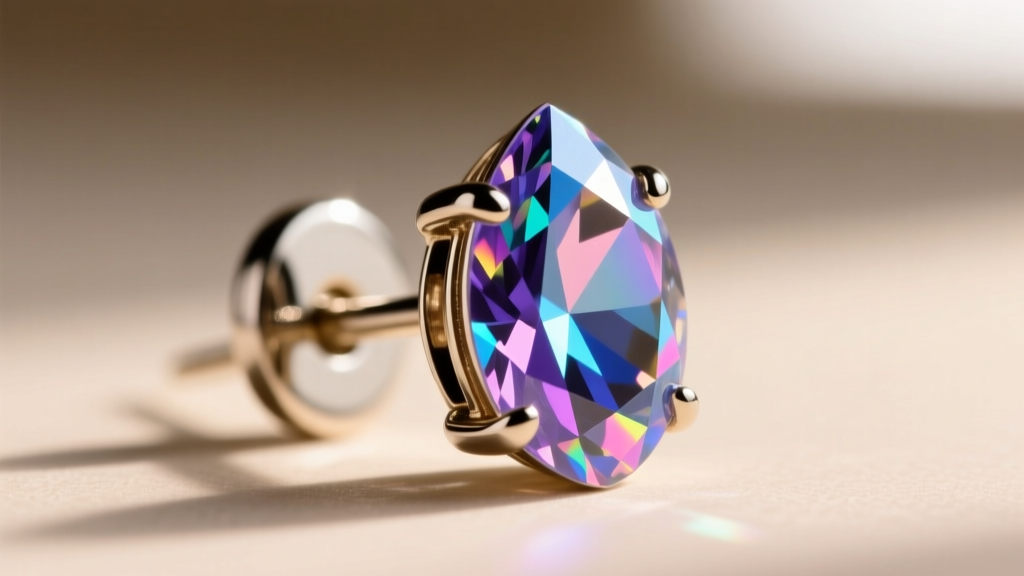
The most critical differentiator between authentic Boucher earrings and lower-tier mid-century costume jewelry is the stone setting. Boucher never glued his rhinestones. Instead, he utilized hand-folded metal prongs to secure chaton, baguette, and marquis-cut glass stones. When inspecting a pair of Boucher clips under a loupe, you should see clean, uniform prongs gripping the girdle of the stone. The introduction of Aurora Borealis (AB) stones—coated with a micro-thin metallic layer to create an iridescent rainbow effect—occurred in 1955. Therefore, any Boucher earring featuring genuine AB rhinestones can be confidently dated to 1955 or later, providing a vital authentication anchor for collectors.
Authentication Framework: Hallmarks and Soldering Quality
As the market for vintage earrings heats up, so does the prevalence of "Boucher-style" reproductions. Authenticating a piece requires a multi-point inspection focusing on hallmarks, patent numbers, and structural soldering.
According to senior appraisers at the Costume Jewelry Collectors International, the structural integrity of the solder joints on Boucher's 3D animal motifs is the primary differentiator between authentic pieces and high-end 1980s reproductions. Genuine Boucher solder lines are seamless and polished, whereas fakes often show porous, granular solder blobs where the clip mechanism meets the earring body.
The Hallmark Evolution Matrix
Tracking the trademark stamps on the reverse of the earring clips or screwbacks is the most reliable way to date your pieces. Below is a structural breakdown of Boucher’s hallmark timeline and corresponding 2026 market valuations for standard earring pairs.
| Era | Hallmark / Stamp | Typical Earring Style | 2026 Market Value (USD) |
|---|---|---|---|
| 1937 - 1940s | MB (inside a rectangle) | Art Deco geometric clips, heavy rhodium pavé | $150 - $350 |
| 1940s - 1955 | Marcel Boucher (script) | 3D birds, floral sprays, enameled ribbons | $200 - $500 |
| Post-1955 | Boucher © | Aurora Borealis stones, dangles, chandeliers | $120 - $300 |
| 1950s (Sub-label) | Parisina | Department store exclusives, slightly simpler casts | $85 - $180 |
Note: Pieces featuring original patent numbers (e.g., Des. 119,000 series) stamped near the clip mechanism command a 15-20% premium among serious archival collectors.
Modernizing Vintage: Styling and Converting Clip-Ons
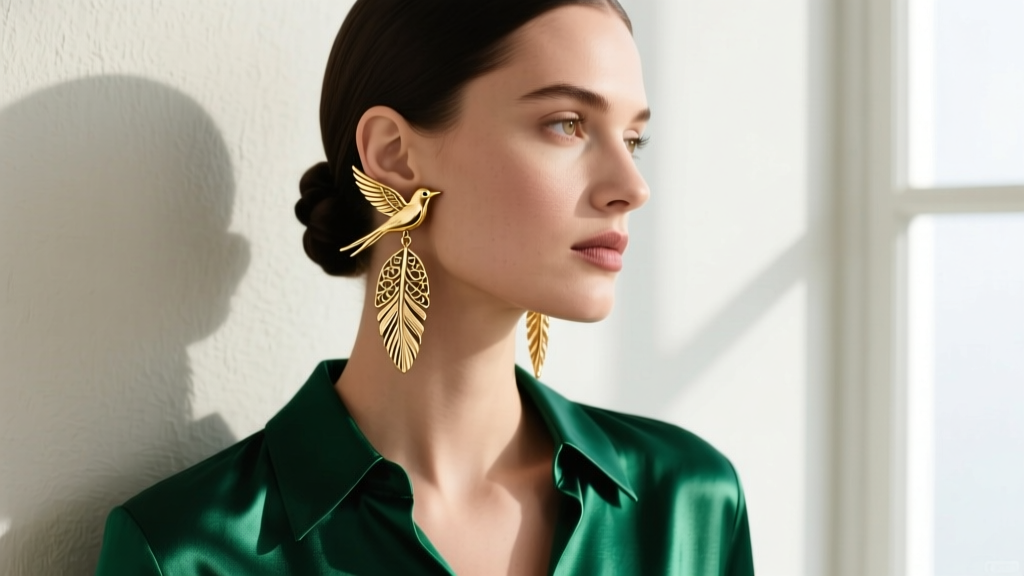
The vast majority of Marcel Boucher earrings were produced as clip-ons or screwbacks, reflecting the mid-century stigma against pierced ears. For the modern wearer in 2026, this presents both a comfort challenge and a stylistic opportunity. Boucher’s clip-on mechanisms, while ingeniously engineered with adjustable tension screws, can cause significant lobe fatigue due to the sheer weight of the cast metal and glass stones.
The Conversion Debate
Many collectors opt to have their vintage clips converted to pierced posts. If you choose this route, it is imperative to use a jeweler who specializes in vintage costume jewelry. The standard practice involves soldering a sterling silver or gold-filled post pad onto the existing back plate. Warning: Drilling directly through the base metal of a Boucher earring will almost certainly shatter the rhodium plating, cause irreversible structural warping, and devalue the piece by up to 40%. Always insist on surface-soldering a post pad using low-temperature laser soldering to protect the original stones and patina.
Styling Heavy Vintage Clips
If you prefer to keep the piece in its original, unaltered state (which preserves maximum resale value), invest in high-grade silicone clip-on comfort pads. These distribute the pressure across a wider surface area of the earlobe. Because Boucher’s 3D bird and floral clips are visually dominant, they pair best with modern, minimalist silhouettes—a sleek silk blouse, a structured blazer, or a simple turtleneck—allowing the architectural complexity of the earring to serve as the focal point of your ensemble.
2026 Market Analysis: Pricing and Sourcing
Navigating the secondary market for Marcel Boucher earrings requires a keen eye and an understanding of current pricing tiers. Platforms like Ruby Lane remain the gold standard for authenticated, high-end vintage costume jewelry, though prices reflect the curated nature of the site. On broader marketplaces like Etsy or eBay, you will find a wider price spread, but also a higher risk of misidentified pieces or "franken-jewelry" (earrings where broken parts have been unprofessionally glued back together).
In 2026, entry-level Boucher earrings—typically smaller, geometric clip-ons from the Parisina line or simpler post-1955 AB stone pieces—can be acquired for $80 to $150. However, the market is aggressively pursuing his elaborate 1940s and 1950s sculptural pieces. Earrings featuring his iconic enameled owls, roosters, or multi-layered floral sprays with intact pavé and original screwback mechanisms routinely fetch between $350 and $800 per pair. As the supply of mint-condition, unaltered Boucher earrings continues to shrink, securing these mid-century masterpieces now is not just a style choice, but a sound alternative investment in wearable art.


