Marvella Earrings Value Guide: Are Vintage Pieces Worth It?
Discover the true market value of vintage Marvella earrings. Our assessment covers pricing, faux pearl quality, and authentication tips.

The Enduring Appeal of Marvella Costume Earrings
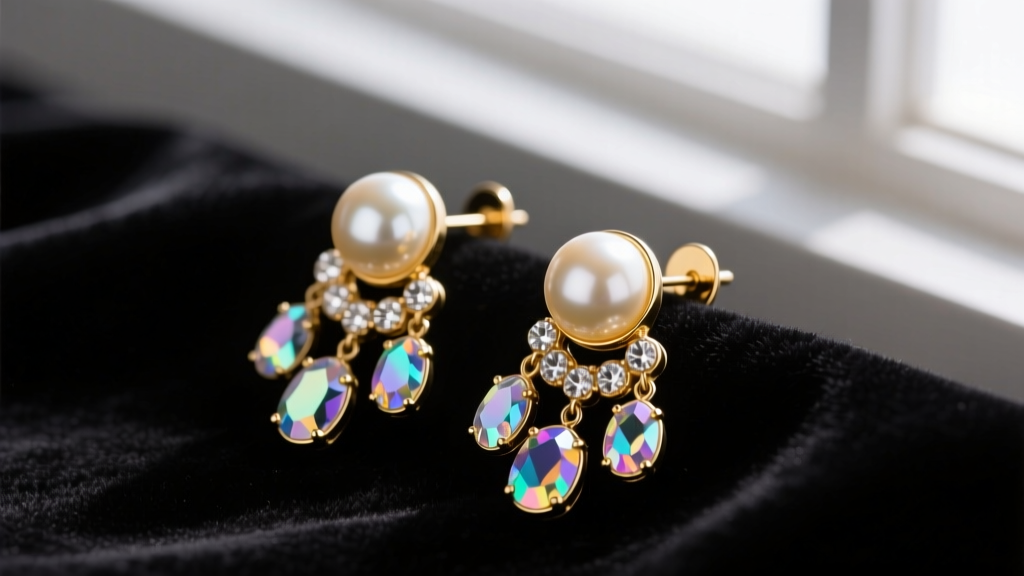
In the landscape of vintage and estate jewelry, Marvella occupies a unique tier. Originally founded in 1906 as Weinreich Brothers and later trademarked as Marvella in 1911, the brand became synonymous with high-end costume jewelry. For collectors and style enthusiasts in 2026, Marvella earrings represent a fascinating intersection of historical craftsmanship and accessible luxury. Unlike modern fast-fashion accessories that degrade within months, vintage Marvella pieces were engineered with a focus on longevity, utilizing heavy electroplating and meticulous hand-setting techniques.
However, assessing the budget and true market value of these earrings requires looking past the "costume" label. Because Marvella specialized in simulated pearls and rhinestones rather than precious gemstones, their value is derived entirely from design rarity, condition, and the intrinsic quality of their mid-century manufacturing processes. This guide breaks down exactly what you are paying for when investing in vintage Marvella earrings.
Material Composition: What Are You Actually Buying?
To accurately assess value, you must understand the materials. Marvella did not use solid gold or genuine diamonds. Instead, they perfected the art of illusion. According to the Gemological Institute of America (GIA), simulated pearls rely on a coating to mimic the luster of nacre. Marvella’s proprietary "pearl essence"—often derived from guanine (fish scales) suspended in lacquer—was applied in multiple thick layers over solid glass or high-density plastic beads. This multi-dip process created a deep, multi-dimensional luster that resists peeling, vastly outperforming the thin, synthetic paints used on contemporary mass-market pearls.
| Component | Vintage Marvella Specification | Modern Fast-Fashion Equivalent |
|---|---|---|
| Base Metal | Solid Brass or Pewter | Zinc Alloy or Pot Metal |
| Plating | Heavy Gold Electroplate (HGE) or Rhodium | Flash Plating (microns thin) |
| Faux Pearls | Glass bead, Guanine multi-dip coating | Plastic bead, single-layer synthetic paint |
| Rhinestones | Hand-set, foil-backed glass | Machine-glued acrylic or resin |
The rhinestones used in Marvella’s mid-century chandelier and drop earrings were predominantly glass with silver-foil backing to maximize light refraction. Following the mid-1950s, Marvella heavily incorporated Aurora Borealis (AB) coatings, which give the stones a distinct iridescent rainbow flash. When evaluating a pair, the presence of original, untarnished foil backing is a primary driver of value.
2026 Market Pricing: What Should You Pay?
The estate jewelry market has seen a steady appreciation for signed mid-century costume pieces. When budgeting for Marvella earrings, pricing tiers are heavily dictated by the silhouette, era, and complexity of the design.
- Basic Faux Pearl Studs & Simple Hoops ($25 - $45): These are the most common finds. Usually featuring a single 10mm to 14mm simulated pearl on a gold-tone clip-on or screw-back setting. They offer excellent everyday value but lack high collector appreciation.
- Mid-Century Rhinestone Chandeliers & Dangles ($85 - $175): Intricate, multi-tiered designs from the 1950s and 60s. Look for pieces with a mix of marquise-cut and round-cut glass stones. Intact AB coatings and missing-zero-stone counts push these toward the top of the range.
- Rare Art Deco & Signed Parure Sets ($200 - $450+): Pre-WWII geometric designs or complete matching sets (parures) that include the original signed Marvella box. These are highly sought after by serious collectors and museum archives.
Authentication and Condition Assessment
The Hallmarks and Stamps
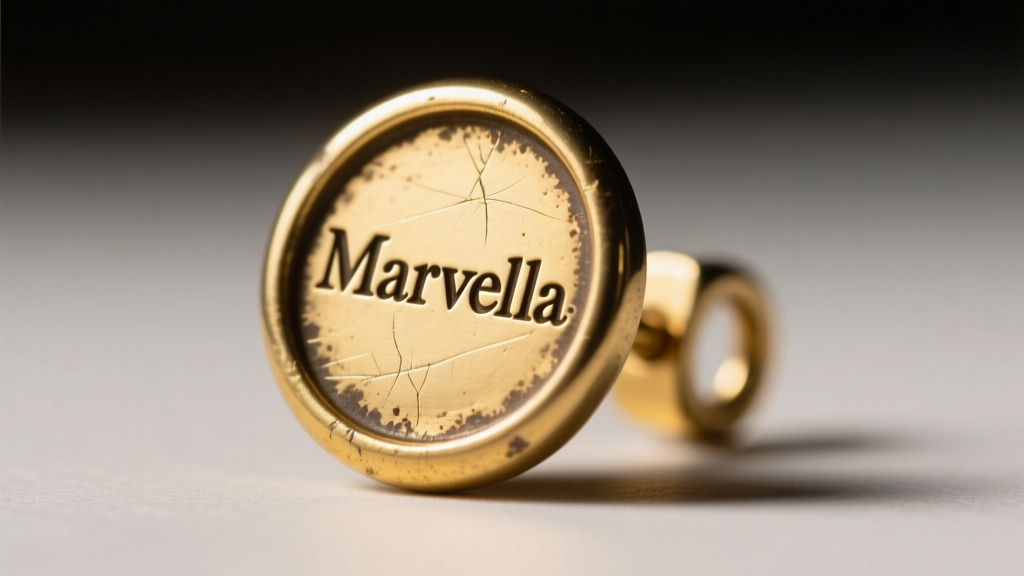
Authenticating Marvella earrings requires a keen eye for their evolving hallmarks. Early pieces (1920s-1940s) may be unsigned or feature a simple "Marvella" stamp in block letters. Post-1950s pieces typically feature the "Marvella" script logo, often stamped directly onto the paddle of the clip-on back or the underside of the earring post. For comprehensive verification, cross-referencing the stamp style with the Lang Antiques' hallmark database is highly recommended to rule out modern reproductions.
Evaluating Faux Pearl Luster and Rhinestone Clarity
Condition is the ultimate value multiplier. Inspect the faux pearls under direct, bright light. While minor surface wear is expected on 70-year-old jewelry, deep cracking, flaking, or a "plastic" matte appearance indicates severe degradation and drops the value by at least 50%. Similarly, check the rhinestones for "dead stones"—stones where the foil backing has blackened due to moisture intrusion. A single dead stone in a chandelier earring can reduce the pair's market value by 30%.
Clip-On vs. Pierced: The Conversion Dilemma
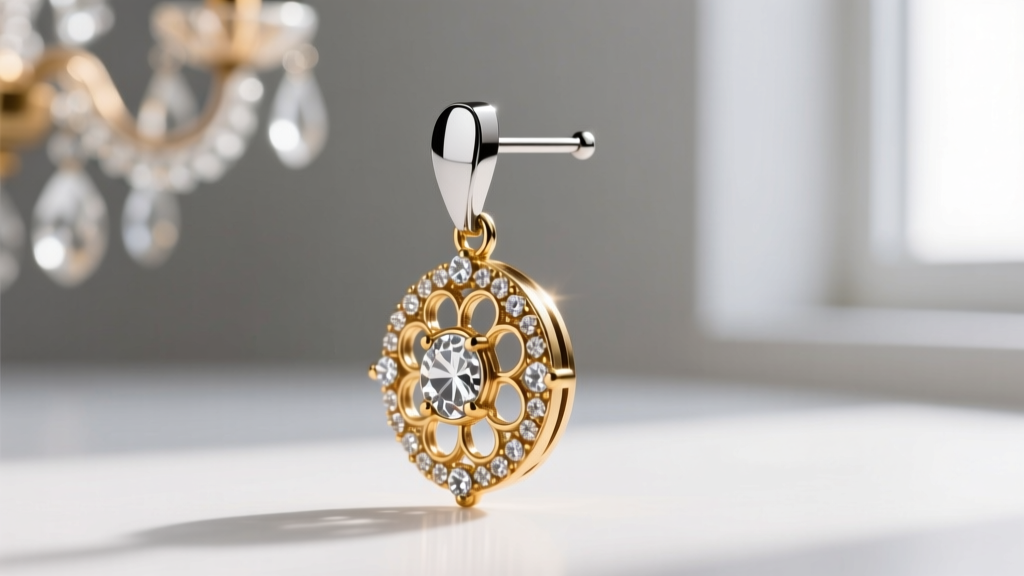
A critical factor in the budget assessment of vintage Marvella earrings is the earring back. The vast majority of vintage Marvella pieces were manufactured as clip-ons (omega clips, paddles, or screw-backs), as ear piercing was less culturally ubiquitous before the 1970s. Today, many buyers opt to have a jeweler snip off the vintage clip and solder on a modern 20-gauge or 18-gauge sterling silver or titanium post.
From a strict collector’s standpoint, this conversion destroys a portion of the historical integrity and can reduce the resale value by 20% to 30%. However, from a wearability and personal value perspective, conversion makes heavy chandelier earrings significantly more comfortable and secure. If you are buying strictly to wear and enjoy, purchasing already-converted pairs at a slight discount is a highly strategic budget move.
Care and Maintenance to Protect Your Investment
Preserving the value of Marvella earrings requires strict adherence to proper cleaning protocols. Never use ultrasonic cleaners or liquid jewelry dips. Moisture will seep behind the glass rhinestones, destroying the delicate foil backing and turning the stones black. Furthermore, harsh chemicals will strip the guanine coating off the simulated pearls.
To clean your pieces, use a dry, soft-bristle makeup brush to gently sweep away dust and skin oils from the prongs and settings. For the metal, a gentle wipe with a dry, untreated microfiber cloth is sufficient to restore the shine to the gold electroplating without abrading the surface.
Final Verdict: Is Marvella Worth the Investment?
"Marvella earrings offer an exceptional value proposition for buyers who prioritize historical design and heavy-duty craftsmanship over intrinsic gemstone value. While they will not yield the financial return of fine diamond jewelry, high-condition, complex mid-century Marvella chandeliers remain a blue-chip asset within the costume jewelry market."
If your budget allows for $100 to $200, targeting pristine, signed 1950s rhinestone chandeliers or rare Art Deco clips will yield the best long-term value retention. For under $50, Marvella’s classic faux pearl studs remain an unbeatable, durable alternative to modern, easily-degraded costume jewelry.


