Vintage Marvella Jewelry Clip On Earrings: Materials Guide
Explore the metallurgy, glass coatings, and faux pearl materials of vintage Marvella jewelry clip on earrings in this comprehensive collector's guide.

The Enduring Legacy of Marvella Costume Jewelry
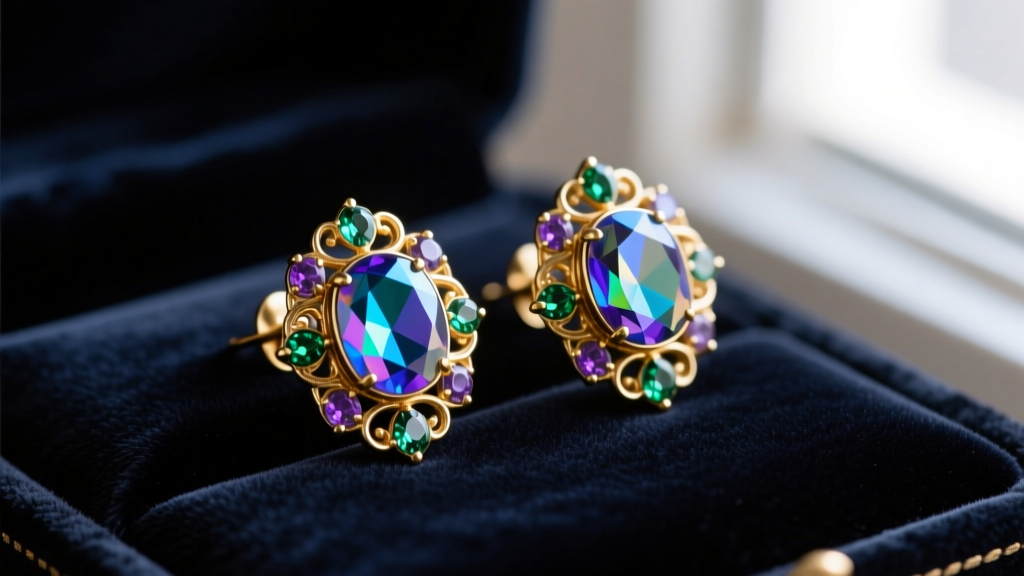
When discussing the zenith of mid-century American costume jewelry, the conversation inevitably turns to Marvella. Founded in 1906 by Sol Weinreich, the brand became synonymous with accessible luxury, producing pieces that rivaled fine jewelry in their visual impact. Today, vintage Marvella jewelry clip on earrings remain highly sought after by collectors and style enthusiasts. However, to truly appreciate and preserve these pieces, one must look beyond their aesthetic appeal and understand the specific material properties, metallurgical choices, and chemical coatings that define them. In 2026, as the vintage market continues to mature, distinguishing between original mid-century manufacturing and later reproductions requires a deep dive into the materials themselves.
The Metallurgical Foundation: Base Alloys and Plating
The structural integrity of any vintage earring begins with its base metal. Early 20th-century costume jewelry often relied on "pot metal"—a colloquial term for inexpensive, easily cast alloys primarily composed of zinc, lead, and tin. While pot metal allowed for intricate, heavy castings, it was highly susceptible to oxidation and structural fatigue.
The Shift to Brass and Copper Bases
By the 1950s and 60s, Marvella elevated its manufacturing standards. The brand frequently utilized higher-grade brass or copper bases for its premium lines. These metals offered superior tensile strength, which was particularly crucial for the moving parts of clip-on mechanisms. The base metal was then prepped with a copper strike layer—a thin electroplated coating that ensured the final decorative layers would adhere properly without flaking.
Gold Wash vs. Electroplating
Marvella’s gold-tone finishes were not merely painted on; they were electroplated. The brand was known for using heavy gold electroplating, sometimes utilizing 14k or 18k gold washes over a nickel or copper underlayer. This resulted in a rich, warm luster that modern flash-plating techniques struggle to replicate. Conversely, their silver-tone pieces were typically plated with rhodium, a platinum-group metal that provided a brilliant, tarnish-resistant finish mimicking white gold or platinum.
Simulated Gemstones: Aurora Borealis Glass and Rhinestones
Marvella’s use of simulated gemstones was a masterclass in optical engineering. The brand heavily utilized lead glass rhinestones, which offered a high refractive index, creating the "sparkle" associated with fine diamonds. However, the true material revolution occurred with the introduction of the Aurora Borealis (AB) finish.
"The Aurora Borealis effect was achieved through a vacuum deposition process, where microscopic layers of metallic oxides were bonded to the surface of the glass, creating a permanent, iridescent interference pattern." — Swarovski Heritage Archive
While Swarovski and Christian Dior pioneered the AB coating in 1955, Marvella quickly integrated it into their designs. When examining vintage Marvella AB earrings, look for a uniform, rainbow-like iridescence that shifts with the angle of light. Modern acrylic or resin "rhinestones" often attempt to mimic this with surface paints or foils, which lack the depth and optical clarity of vacuum-coated lead glass. Furthermore, Marvella typically set these stones in closed-back, foil-less settings, relying on the glass's own refractive properties rather than reflective backing paints that degrade over time.
The Faux Pearl: Essence d'Orient and Glass Cores
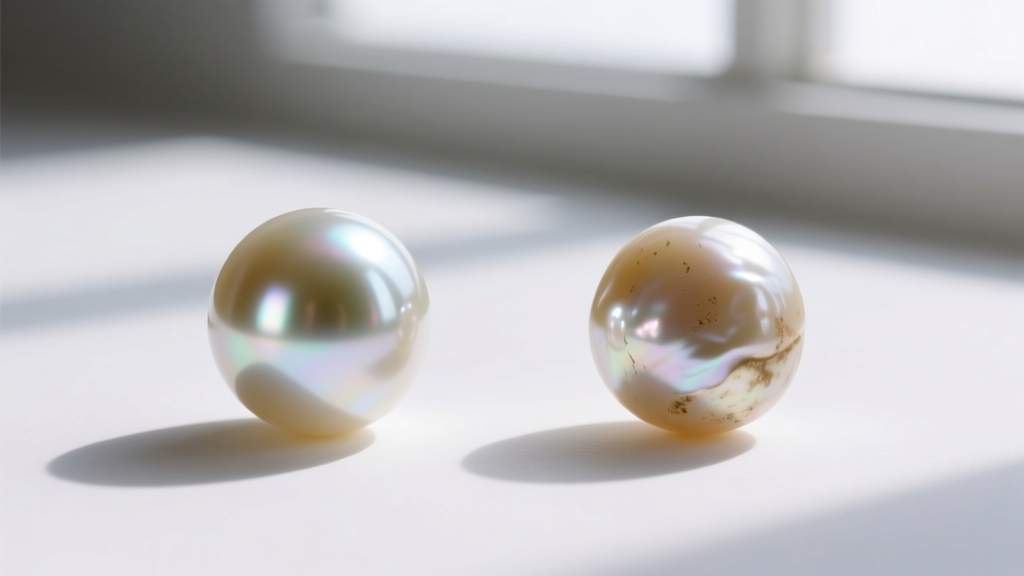
Perhaps no material is more closely associated with Marvella than the faux pearl. Unlike modern plastic or resin beads, vintage Marvella pearls were constructed using a dense glass core, giving them a satisfying weight and thermal conductivity similar to natural pearls. The luster was achieved using essence d'orient, a traditional pearlescent coating.
The Chemistry of Essence d'Orient
Essence d'orient is created by suspending guanine crystals—extracted from fish scales—in a lacquer or cellulose binder. This mixture was carefully painted or dipped onto the glass core in multiple layers. According to the Gemological Institute of America (GIA), guanine crystals possess a unique platelet structure that reflects and refracts light, producing the soft, deep glow known as "orient" in natural pearls. Over decades, the lacquer binder can dry out, leading to micro-cracking or peeling, a common failure mode in vintage pieces that have been stored in low-humidity environments.
Clip-On Hardware: Tension, Fatigue, and Ergonomics
Because pierced earrings were less prevalent in the mid-20th century, Marvella engineered their clip-on hardware for all-day wearability. The materials used in these mechanisms were subjected to immense mechanical stress.
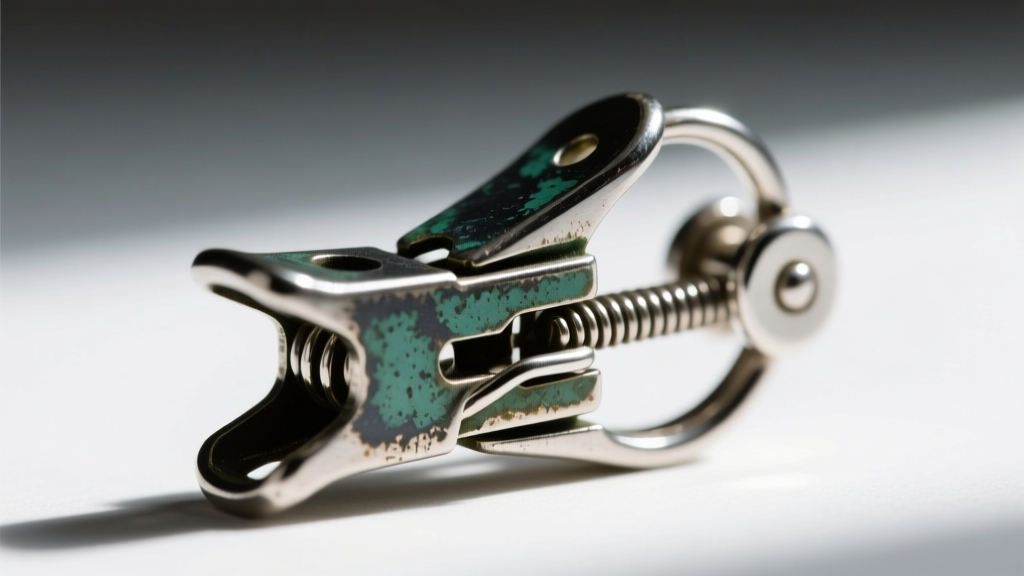
- Paddle-Back Clips: Utilized a flat, wide paddle that distributed pressure across the earlobe. The tension was maintained by a spring-steel hinge. Over time, the base metal surrounding the hinge pin can suffer from metal fatigue, leading to a loose fit.
- Screw-Back Mechanisms: Featured a threaded post and an adjustable tension pad. These were often made from plated brass to prevent the threads from stripping. The adjustable nature allowed wearers to customize the clamping force, reducing ischemic pain in the earlobe.
- Pierced Conversions: Many vintage Marvella clip-ons have been converted to pierced wires. A material analysis of the solder joints can easily reveal a conversion; modern silver solder will look distinctly different from the original lead-based or brass brazing used in the factory.
Material Comparison Chart: Vintage vs. Modern Equivalents
| Component | Vintage Marvella Specification | Modern Mass-Market Equivalent | Degradation Vulnerability |
|---|---|---|---|
| Base Metal | Cast brass or copper alloy | Zinc alloy (pot metal) or stamped aluminum | Pot metal is prone to "zinc pest" and catastrophic crumbling. |
| Gold Finish | Heavy 14k/18k gold electroplate | Flash-plated gold-tone PVD or acrylic paint | Flash plating wears through to the base metal within months. |
| Rhinestones | High-lead glass with vacuum AB coating | Acrylic resin with surface foil or paint | Resin scratches easily; surface paints flake off. |
| Faux Pearls | Glass core with guanine crystal lacquer | Plastic bead with synthetic mica pearlescent paint | Guanine lacquer can peel if exposed to solvents or extreme dryness. |
Conservation and Chemical Vulnerabilities
Preserving the material integrity of Marvella jewelry clip on earrings requires an understanding of their chemical vulnerabilities. The most common mistake collectors make is using ultrasonic cleaners or harsh chemical dips. Ultrasonic cavitation will instantly strip the delicate vacuum-coated AB layer from rhinestones and shatter the glass cores of faux pearls. Similarly, commercial silver polishes contain mild abrasives and sulfur-binding chemicals that will permanently remove thin rhodium flash-plating and gold washes.
Safe Cleaning Protocols
For routine maintenance, use a mild, non-detergent surfactant (such as a diluted baby shampoo) and a soft microfiber cloth. Avoid getting moisture near the glue settings of unfoiled rhinestones, as water intrusion can cause the adhesive to fail or the foil backing to oxidize and turn black. For the clip-on mechanisms, a microscopic drop of synthetic watch oil applied to the hinge pin with a needle can restore tension and prevent the spring steel from snapping due to dry friction.
Final Thoughts on Material Authenticity
As the market for vintage accessories continues to evolve, the ability to read the materials of a piece is your best defense against reproductions. True vintage Marvella jewelry clip on earrings possess a specific gravity, a distinct optical clarity in their glass stones, and a heavy, deliberate electroplating that modern fast-fashion jewelry simply cannot replicate. By understanding the metallurgy and chemistry behind these mid-century marvels, collectors can ensure these wearable artifacts survive for generations to come.


