Mastering the 6mm Earring Size: A Step-by-Step Guide
Learn how to measure, choose, and style the 6mm earring size for lobes and cartilage. Our step-by-step guide ensures the perfect fit every time.

When building a meticulously curated ear constellation, precision is everything. While statement pieces and oversized hoops often steal the spotlight on social media, the foundation of any professional piercing layout relies on exact, millimeter-perfect measurements. Among the most critical and frequently misunderstood dimensions in fine body jewelry is the 6mm earring size. Whether you are downsizing a healed helix, selecting a minimalist stud for a second lobe piercing, or hunting for the perfect snug huggie, understanding how a 6mm post or diameter interacts with your unique anatomy is the difference between a comfortable, lifelong wear and a painful, irritating failure.
In this comprehensive guide, we will break down the exact anatomy of 6mm jewelry, provide a step-by-step measuring tutorial, and explore the best material grades and gauge pairings to ensure your cartilage and lobes remain healthy, vibrant, and perfectly styled.
The Anatomy of the 6mm Earring Size
Before purchasing your next piece of fine jewelry, it is vital to understand what "6mm" actually refers to, as it changes depending on the style of the earring. In body jewelry, measurements are strictly categorized into wearable length and overall diameter.
- Labret Studs (Flat Backs): For straight posts, the 6mm earring size refers exclusively to the wearable barrel length. This is the portion of the metal that passes through the fistula (the piercing channel). The base plate and the threading or push-pin mechanism add an extra 1.5mm to 2mm to the total physical length of the item.
- Captive Bead Rings & Seam Rings: For circular jewelry, 6mm refers to the inner diameter (ID) of the hoop. A 6mm inner diameter is exceptionally small, designed to "hug" the cartilage tightly without resting on the skin.
- The US Fractional Equivalent: If you are shopping from legacy US brands, true 6mm (0.236 inches) is rare. You will more commonly see 1/4 inch (6.35mm) or 7/32 inch (5.5mm). Always verify if a brand uses metric or imperial sizing, as a 0.35mm difference can cause pressure necrosis in tight cartilage pockets like the tragus.
Step-by-Step: How to Measure Your Piercing for a 6mm Fit
Determining if the 6mm earring size is appropriate for your healed piercing requires more than just guessing. Follow this professional step-by-step protocol to measure your current jewelry and your anatomy accurately.
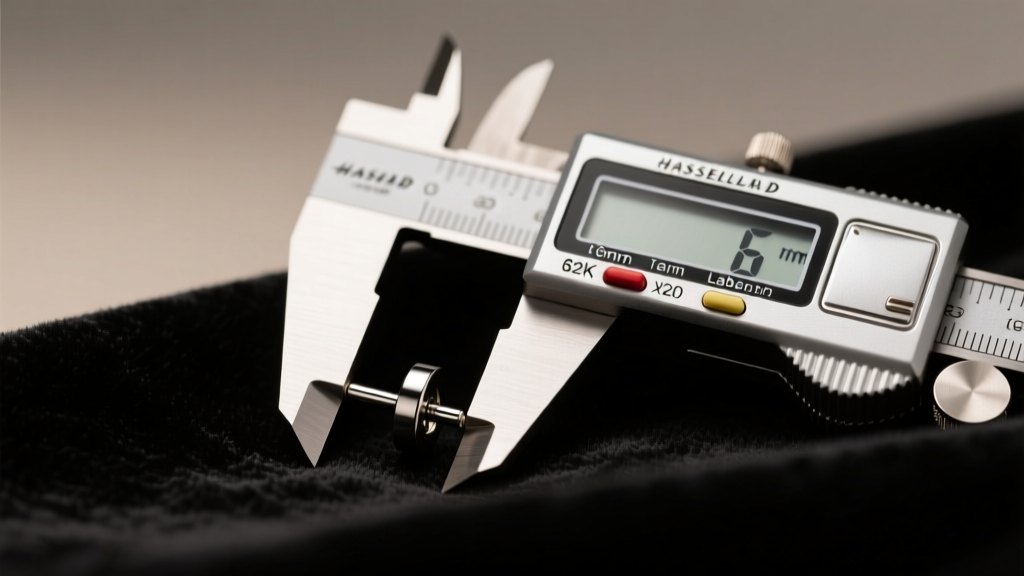
- Acquire Digital Calipers: A standard ruler lacks the precision required for body jewelry. Invest in a basic digital caliper (available for under $15 at any hardware store) to measure in exact millimeters.
- Measure Your Current Post: Remove your current flat-back earring. Close the caliper jaws around the wearable area only—exclude the flat back disc and the decorative top. If the reading is 8mm, your piercing currently requires an 8mm post. Do not force a 6mm post into an 8mm channel.
- The Paper Test (For Hoops): If you are trying to determine if a 6mm inner diameter hoop will fit your helix without pinching, cut a strip of paper exactly 6mm wide. Wrap it around the outer edge of your ear cartilage. If the paper touches both the front and back of your ear without bending or pressing hard into the skin, a 6mm hoop will fit perfectly.
- Account for the "Swelling Buffer": According to the Association of Professional Piercers (APP), cartilage can harbor micro-swelling for up to a year. The 6mm earring size should only be introduced to a piercing that is at least 9 to 12 months old and completely devoid of tenderness or crusties.
Material Grades and Gauge Pairings for 6mm Jewelry
Because a 6mm post sits incredibly flush against the skin, the material must be biocompatible to prevent contact dermatitis or trapped moisture. Furthermore, the gauge (thickness) of the metal dictates the overall weight and structural integrity of the piece. Below is a master chart for pairing materials and gauges with a 6mm wearable length.
| Material Grade | Best Gauge for 6mm | Ideal Piercing Type | Estimated Price Range |
|---|---|---|---|
| ASTM F136 Titanium | 16G (1.2mm) | Helix, Tragus, Conch | $35 - $85 |
| 14k Solid Gold | 18G (1.0mm) | Upper Lobe, Forward Helix | $120 - $350 |
| 18k Solid Gold | 16G (1.2mm) | Standard Lobe, Rook | $250 - $600+ |
| Niobium | 14G (1.6mm) | Healed Lobes, Industrial | $40 - $90 |
Note: Never use "surgical steel" or mystery metals for snug 6mm fits. The nickel content can cause severe allergic reactions when the metal is in constant, unyielding contact with the fistula. Always opt for implant-grade titanium or solid gold, as verified by the APP Jewelry Materials Guidelines.
Styling the 6mm Earring Size Across Different Piercings
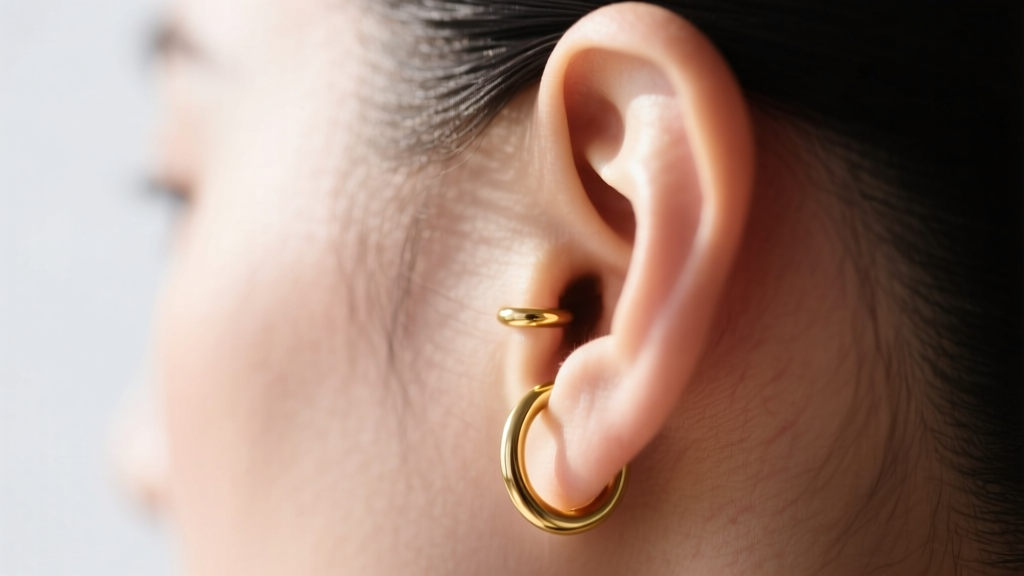
The versatility of the 6mm earring size makes it a staple in the portfolios of high-end jewelry brands like BVLA and Maria Tasha. Here is how to style this specific dimension across various ear zones:
The Tragus and Forward Helix
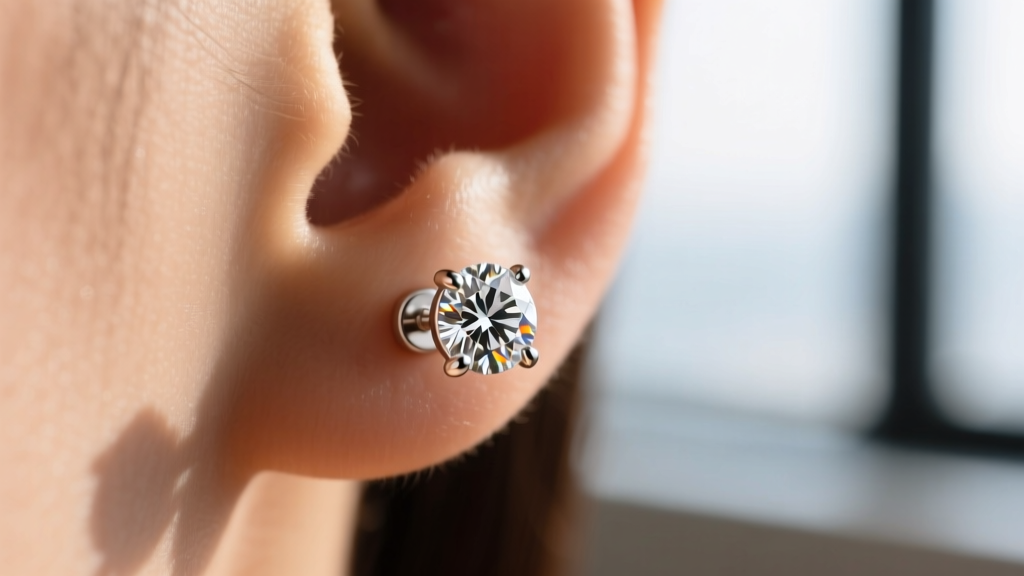
These areas feature thick, rigid cartilage with very little tissue depth. A 6mm labret post is often the "holy grail" size for a fully healed tragus. It allows the decorative end (such as a 2mm or 3mm bezel-set gem) to sit flush against the front of the ear, while the flat back rests comfortably against the inner conch without poking you when you use a telephone or wear headphones.
Second and Third Lobe Piercings
Upper lobe piercings are typically closer to the cartilage margin and feature thinner tissue than the primary lobe piercing. A standard 8mm post will often look dangling and awkward in a second hole. Downsizing to the 6mm earring size creates a clean, uniform stack, especially when using threadless push-pin ends that allow for micro-adjustments.
The Snug Huggie Hoop
For those who prefer rings over studs, a 6mm inner diameter hoop is the ultimate "huggie." It wraps tightly around the outer helix rim. Because the hoop is so small, it eliminates the "snag hazard" associated with larger hoops, making it ideal for active individuals or those who frequently wear over-ear headphones.
Troubleshooting Common 6mm Fit Issues
Even with perfect measurements, transitioning to a shorter post can present mechanical and anatomical challenges. Here is how to troubleshoot the most common failure modes associated with this specific dimension.
Issue 1: Post Embedding (The "Sinkhole" Effect)
If your flat-back disc is slowly disappearing into the skin on the back of your ear, your 6mm post is too short. This happens when localized swelling occurs due to stress, sleep pressure, or dietary sodium spikes. Solution: Immediately upsize to an 8mm post to relieve the pressure. Leaving an embedded post can lead to the skin healing over the base plate, requiring surgical removal.
Issue 2: The Cheese-Cutter Effect in Thin Lobes
If you are wearing a 6mm hoop in a standard lobe piercing, the tight inner diameter combined with the weight of the metal can act like a wire cheese cutter, slowly migrating the piercing downward through the tissue. Solution: Reserve 6mm hoops strictly for cartilage rims (helix/snug). For lobes, use a minimum 8mm or 10mm inner diameter to distribute the weight across a wider surface area of the fistula.
Issue 3: Thread Stripping on Snug Fits
Because 6mm posts offer very little surface area for external threading, screwing on a decorative top can easily cross-thread and ruin the jewelry. Solution: Exclusively purchase internally threaded or threadless (push-pin) jewelry for any post under 8mm. Threadless tension-fit ends are vastly superior for 6mm setups, as they require no twisting and can be bent slightly to adjust the tension.
"The most common mistake clients make is downsizing to a 6mm post too early. Cartilage can harbor hidden swelling for up to eight months. A 6mm earring size should only be introduced once the piercing is completely settled, the fistula is smooth, and the area is no longer tender to the touch. Patience is the ultimate aftercare tool." — Adapted from professional piercing best practices.
Final Thoughts on Precision Sizing
Mastering the 6mm earring size is a rite of passage for anyone serious about their body jewelry collection. By understanding the difference between wearable length and overall diameter, investing in digital calipers, and refusing to compromise on ASTM-certified materials, you ensure that your ear curation is not only visually stunning but anatomically harmonious. Whether you are securing a diamond tragus stud or snapping a titanium helix hoop into place, the right millimeter makes all the difference in the world.


