Material Comparison: Safe Earrings for Dogs in 2026
Discover the safest metals and polymers for canine jewelry. Our 2026 material comparison guide covers biocompatibility, weight, and toxicity for dogs.

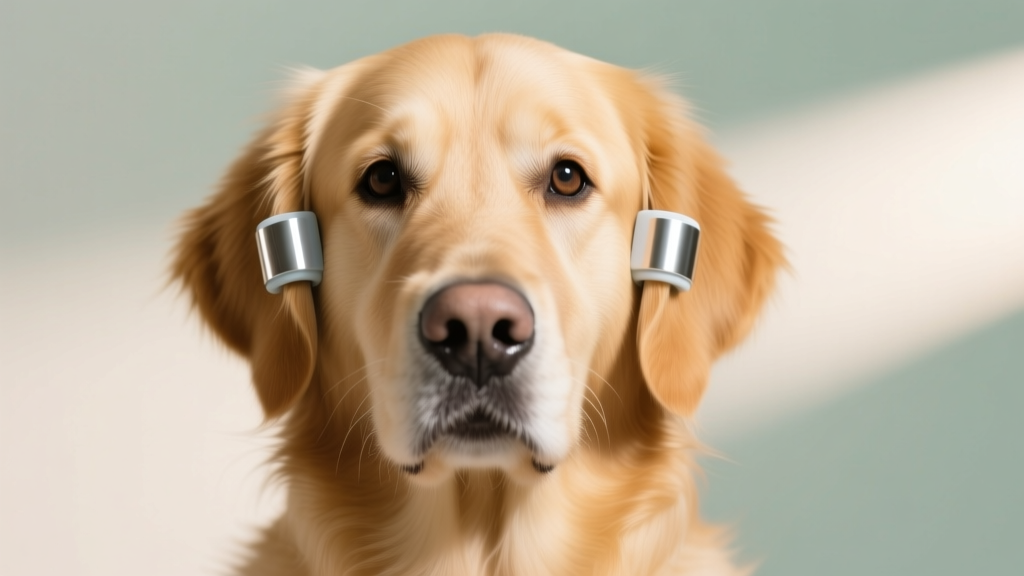
The Evolution of Canine Ear Jewelry and Material Safety
The market for pet accessories has expanded dramatically, and earrings for dogs have emerged as a highly specialized niche. However, styling a canine companion requires a radically different approach to material science than human jewelry. Dogs possess a thinner epidermis, a more neutral skin pH (typically 6.2 to 7.4 compared to the human 5.5), and a highly sensitive pinna (ear flap) that lacks the robust cartilage structure found in human ears. Consequently, the materials used in canine ear wear must meet stringent veterinary dermatology standards to prevent contact dermatitis, pressure necrosis, and systemic toxicity.
In 2026, the consensus among veterinary professionals and ethical breeders is clear: invasive cosmetic piercing for dogs is widely condemned and illegal in many jurisdictions. Therefore, when we discuss "earrings for dogs," we are exclusively referring to non-invasive, high-tension clip-ons, magnetic studs, and flexible ear cuffs. This guide provides a deep-dive material comparison to help pet owners navigate the safest, most biocompatible options available.
The Welfare Standard: Why Material Choice is Non-Negotiable
The AVMA guidelines on cosmetic procedures strictly oppose any surgical alteration or piercing of animal ears for purely aesthetic reasons. This ethical stance has driven innovation in non-piercing jewelry mechanics. Modern canine earrings rely on precise tension springs or neodymium magnets to stay attached to the ear flap. Because these mechanisms apply constant pressure to delicate tissue, the material touching the skin must be flawlessly smooth, hypoallergenic, and exceptionally lightweight. A heavy metal alloy or a poorly finished magnetic clasp can cause micro-abrasions, leading to bacterial overgrowth or severe tissue damage within hours.
Material Comparison Chart: Metals vs. Polymers
Below is a comprehensive breakdown of the materials currently utilized in the canine jewelry market, graded on biocompatibility, weight, and structural integrity.
| Material | Biocompatibility | Weight Profile | Canine Skin Reaction | Best Application |
|---|---|---|---|---|
| ASTM F136 Titanium | Excellent | Ultra-Light | Zero irritation, highly inert | Magnetic stud fronts |
| Platinum-Cured Silicone | Excellent | Featherweight | Non-reactive, flexible grip | Clip-on backs, ear cuffs |
| Bioflex (PTFE Blend) | Very Good | Light | Smooth, low friction | Flexible hoop bodies |
| 316L Surgical Steel | Moderate | Medium-Heavy | Risk of nickel dermatitis | Avoid for canine use |
| 14k/18k Gold | Good | Heavy | Safe but causes tissue drag | Avoid due to weight |
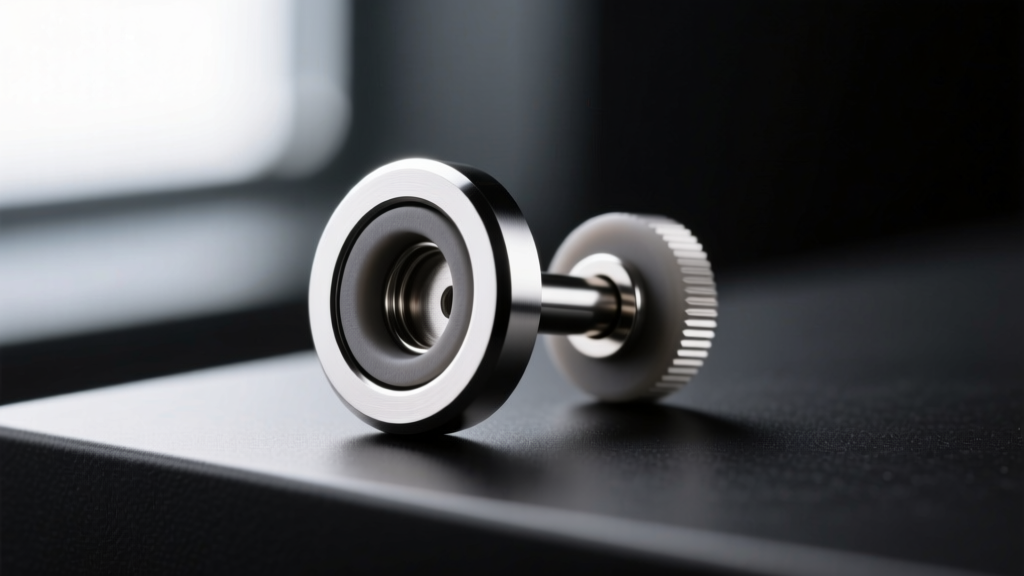
Deep Dive: Top Materials for Canine Ear Wear
Implant-Grade Titanium (ASTM F136)
When a rigid material is required for the decorative front of a magnetic dog earring, ASTM F136 implant-grade titanium is the undisputed gold standard. According to NCBI research on titanium biocompatibility, this specific alloy exhibits exceptional corrosion resistance and osseointegration properties, meaning it will not react with the natural oils, moisture, or varying pH levels of a dog's skin. Unlike 316L surgical steel, which contains up to 10% nickel and can trigger severe allergic contact dermatitis in dogs with pink or hairless ear flaps, F136 titanium is entirely nickel-free. Furthermore, its high strength-to-weight ratio allows manufacturers to create visually substantial studs that weigh less than 2 grams, preventing the ear flap from drooping or tearing.
Medical-Grade Platinum-Cured Silicone
For the structural components that grip the ear—such as the backing of a magnetic stud or the tension band of an ear cuff—platinum-cured silicone is essential. It is critical to distinguish between platinum-cured and peroxide-cured silicones. Peroxide-cured variants often leave behind toxic chemical residues that can cause localized chemical burns or systemic toxicity if the dog scratches the earring and subsequently licks its paw. Platinum-cured silicone is completely inert, highly flexible, and provides the necessary micro-texture to grip the ear hair and skin without relying on excessive crushing force.
Bioflex and PTFE Polymers
Bioflex, a specialized medical polymer often used in human body jewelry, has found a secondary life in canine clip-on hoops. Its primary advantage is its memory and flexibility. A dog will inevitably scratch its ears or shake its head violently (generating high G-forces). Rigid metal hoops can snap or, worse, catch on furniture and tear the ear tissue. Bioflex yields under pressure, bending rather than breaking, and smoothly returning to its original shape. It is also entirely non-metallic, making it safe for dogs undergoing veterinary MRI scans or radiation therapies where metal artifacts are dangerous.
Magnetic Mechanics and Tension Limits
The most common style of non-piercing earrings for dogs utilizes rare-earth neodymium magnets. However, the strength of the magnet must be meticulously calibrated. A standard N52 grade neodymium magnet generates immense pull force, which can compress the capillary beds in the canine pinna, leading to ischemia and pressure necrosis (tissue death) within 12 hours.
Expert manufacturers in 2026 utilize N42 grade magnets paired with wide, 8mm platinum-cured silicone backing pads. This configuration provides approximately 1.2 lbs of pull force—enough to withstand vigorous head shaking and playful scratching, while the wide silicone pad distributes the pressure evenly across a 50mm² surface area, keeping the tissue perfusion intact. Owners must adhere to a strict "12-hour on, 12-hour off" rule to allow the ear tissue to recover and breathe.
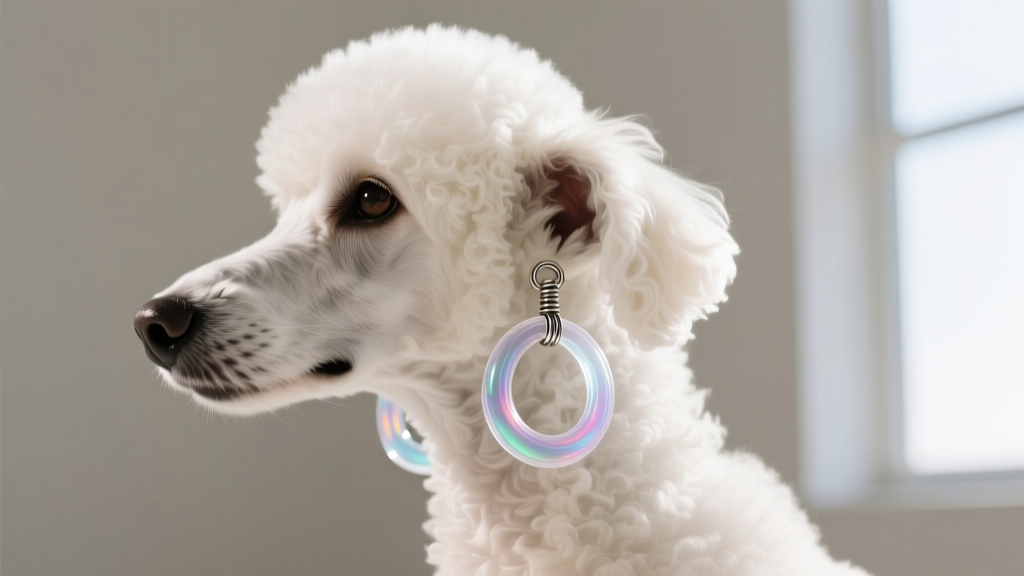
Weight, Gauge, and Anatomical Considerations
Human earlobes can comfortably support dangle earrings weighing 15 to 20 grams. A dog's ear flap, depending on the breed, is vastly more delicate. For floppy-eared breeds like Spaniels or Basset Hounds, the ear leather is heavy and prone to moisture trapping; adding jewelry is generally discouraged by veterinarians due to the risk of otitis externa (ear infections). For pricked-ear breeds like French Bulldogs or German Shepherds, the cartilage is stiffer but highly vascular.
The golden rule for canine ear jewelry is a maximum weight limit of 4 grams per ear, including the clasp and backing. If a dog earring exceeds this threshold, the constant gravitational pull will cause micro-tears in the dermal layer. Additionally, all edges must be bead-blasted or polished to a mirror finish. Dogs lack the manual dexterity to gently remove a snagged earring; if a rough edge catches on a blanket or brush, the dog will panic, leading to severe lacerations.
Expert Verdict: What to Buy and What to Avoid
When shopping for earrings for dogs, completely avoid any jewelry marketed as "surgical steel" or "mystery metal alloys," as the nickel content is a primary trigger for canine contact dermatitis. Furthermore, avoid any jewelry containing small, glued-in gemstones. Dogs explore the world with their mouths, and if a magnetic earring is pulled off and chewed, swallowed glass or acrylic rhinestones pose a severe gastrointestinal blockage risk. Always consult the ASPCA Animal Poison Control guidelines regarding small ingestible hazards.
Instead, invest in solid ASTM F136 titanium magnetic studs with seamless, glued-free bezel settings, or opt for flexible, platinum-cured silicone ear cuffs that slide gently over the helix of the ear. By prioritizing advanced biocompatible polymers and lightweight, inert metals, you can safely participate in the trend of canine styling without compromising your pet's dermatological health or physical welfare.


