The Best Materials for Earrings with Jackets (2026)
Discover the best metals for earrings with jackets. Compare titanium, gold, and platinum for durability, weight, and hypoallergenic properties.

The Material Science Behind Earrings with Jackets
Earrings with jackets have evolved from a fleeting trend into a staple of modular fine jewelry. By 2026, the demand for customizable, multi-wear pieces has surged, but this design presents unique structural challenges. An earring jacket wraps around the base of a stud or climbs the earlobe, relying entirely on the earring post and backing for support. Unlike standard studs, the added surface area and weight of a jacket create a cantilever effect, placing disproportionate stress on the metal post and the earlobe tissue.
Choosing the correct material for earrings with jackets is not merely an aesthetic decision; it is a matter of biomechanics, metallurgy, and long-term wearability. A material that works perfectly for a lightweight hoop may fail catastrophically when tasked with supporting a 3-gram brass jacket. This guide breaks down the exact material properties, alloy grades, and gauge requirements necessary to ensure your earrings with jackets remain secure, comfortable, and hypoallergenic.
The Cantilever Effect: Understanding Post Stress
When you wear earrings with jackets, the center of gravity shifts away from the piercing hole. The earring post acts as a lever. If the jacket extends 15 millimeters down the lobe and weighs 2.5 grams, the torque applied to the post is significantly higher than that of a standard 0.3-gram solitaire stud.
Gauge Thickness and Bending Thresholds
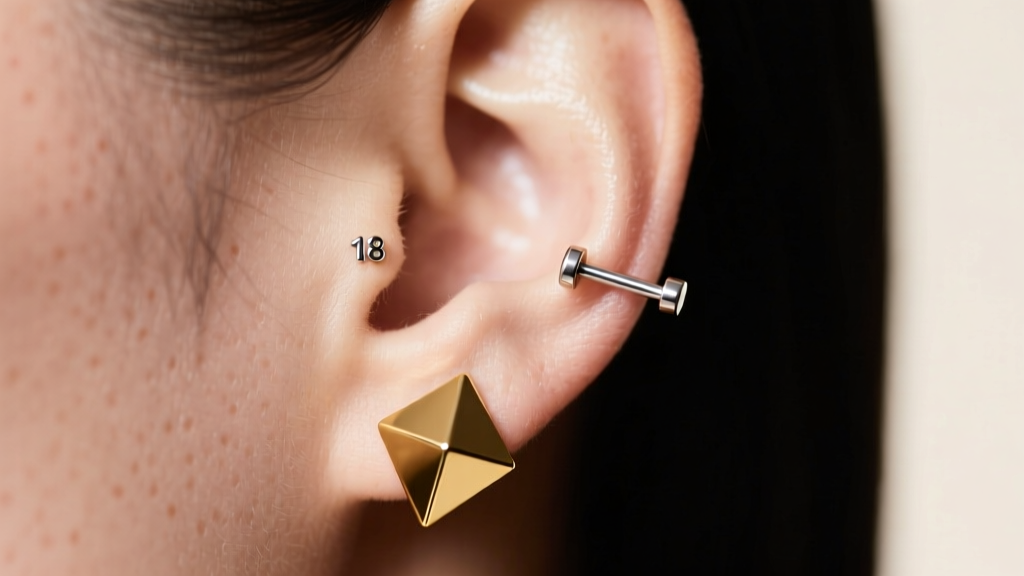
Most commercial earrings are manufactured at 20-gauge (0.81mm) or 22-gauge (0.64mm). While sufficient for simple studs, these thin posts will inevitably bend under the cantilevered weight of a jacket, causing the design to droop forward. For earrings with jackets, an 18-gauge (1.02mm) post is the absolute minimum recommendation. For jackets featuring heavy gemstone pavé or solid platinum construction, a 16-gauge (1.29mm) post is required to maintain a flush, upright profile against the ear.
Comprehensive Material Comparison Chart
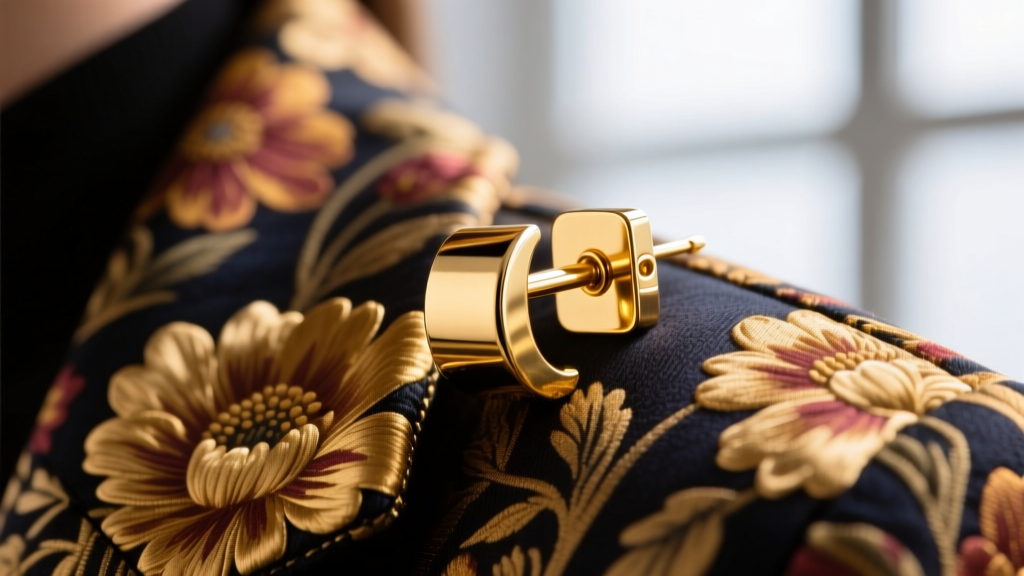
The table below evaluates the most common metals used in fine and fashion jewelry, specifically graded on their suitability for the structural demands of earring jackets.
| Material | Alloy / Grade Standard | Recommended Post Gauge | Hypoallergenic Rating | Avg. Price Range (Set) | Jacket Suitability |
|---|---|---|---|---|---|
| Titanium | ASTM F136 (Implant Grade) | 18G or 16G | Excellent (Nickel-Free) | $85 - $350 | High (Lightweight, rigid) |
| 14k Solid Gold | 58.5% Au (Nickel-Free Mix) | 18G | Very Good | $250 - $800 | High (Optimal hardness) |
| 18k Solid Gold | 75% Au | 16G (if heavy) | Excellent | $400 - $1,500+ | Medium (Softer, can bend) |
| Platinum | 95% Pt / 5% Ru | 16G | Excellent | $900 - $3,000+ | Medium (Extremely heavy) |
| Sterling Silver | 92.5% Ag / 7.5% Cu | 16G or 14G | Poor (Tarnish/Copper) | $40 - $150 | Low (Oxidizes in friction zones) |
Deep Dive: Top Metals for Earring Jackets
Implant-Grade Titanium (ASTM F136)
Titanium is the undisputed champion for sensitive ears and structural integrity. According to the Association of Professional Piercers, ASTM F136 implant-grade titanium is entirely nickel-free and biocompatible. For earrings with jackets, titanium offers an unparalleled strength-to-weight ratio. A titanium jacket will weigh roughly 45% less than an identically sized brass or steel piece, drastically reducing lobe fatigue and the risk of the piercing stretching over time. Furthermore, titanium's rigidity ensures that even an 18-gauge post will resist the bending forces exerted by a heavy front-facing jacket.
14k vs. 18k Solid Gold Alloys
Gold purity fundamentally alters the structural viability of earring jackets. Pure 24k gold is far too soft for jewelry mechanics. As noted by the Gemological Institute of America (GIA), alloying gold with metals like copper, silver, and zinc increases its durability. 14k gold (58.5% pure gold) is significantly harder than 18k gold (75% pure gold). This hardness makes 14k gold the superior choice for the posts and friction backs of earrings with jackets, as it resists warping. If you prefer the richer, warmer hue of 18k gold for the jacket itself, ensure the post is manufactured at a thicker 16-gauge to compensate for the metal's inherent softness.
Platinum: The Heavyweight Champion
Platinum is exceptionally dense, durable, and naturally hypoallergenic. However, its density is a double-edged sword for earring jackets. A solid platinum jacket can easily exceed 5 grams, which will drag the earlobe downward and cause discomfort after a few hours of wear. If investing in platinum earrings with jackets, look for designs that utilize a hollowed-out backing or a titanium post married to a platinum jacket face to mitigate the extreme weight.
Metals to Avoid for Earring Jackets
Not all metals are equipped to handle the friction, weight, and skin contact required by modular earring designs. Avoid the following when shopping for earrings with jackets:
- Sterling Silver (925): The copper used to harden sterling silver reacts with sweat and friction. Because an earring jacket sits flush against the skin and creates a micro-climate of heat and moisture, sterling silver jackets will rapidly oxidize, often leaving a black or green smudge on the earlobe.
- Brass and Bronze: Frequently used in fashion jewelry, these copper alloys are notorious for causing contact dermatitis. Furthermore, they lack the tensile strength to support complex jacket clasps without warping.
- Surgical Steel (316L): While often marketed as hypoallergenic, 316L surgical steel contains trace amounts of nickel (up to 10%). The prolonged, tight skin contact required by an earring jacket can trigger severe allergic reactions in sensitized individuals.
Troubleshooting Backings and Fit
"The success of an earring jacket relies 50% on the design and 50% on the backing mechanism. A standard butterfly friction back is rarely sufficient for jackets weighing over 1.5 grams."
To prevent your earrings with jackets from slipping down the lobe or falling off entirely, upgrade your backing system. For lightweight jackets, silicone O-rings or disc backings provide a wider surface area that grips the post and supports the lobe from behind. For heavy, gemstone-encrusted jackets, you must insist on screw-back posts. Screw backs feature threaded posts and screw-on nuts that physically lock the jacket in place, eliminating the risk of loss and ensuring the jacket remains perfectly aligned with the stud.
Final Thoughts on Material Selection
When curating your collection of earrings with jackets, prioritize structural integrity and biocompatibility over sheer visual mass. By selecting implant-grade titanium or appropriately gauged 14k solid gold, you ensure that your modular jewelry remains comfortable, secure, and visually striking for years to come. Always verify the post gauge and backing mechanism before purchasing, as these hidden mechanical details dictate the true quality of the piece.


