How to Make Earrings Using Beads: Material Buyer Guide
Learn how to make earrings using beads with our expert sourcing guide. Discover the best wire gauges, metal grades, and bead types for durable designs.

The Intersection of Sourcing and Crafting
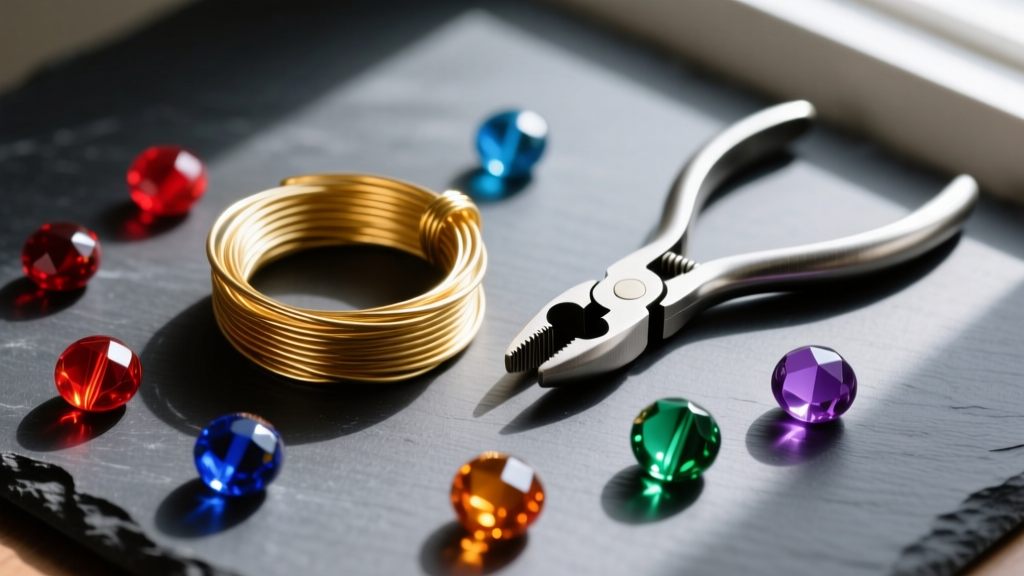
The journey of learning how to make earrings using beads begins long before you pick up a pair of pliers. It starts with sourcing the right materials. In 2026, the bespoke jewelry market continues to thrive, with consumers and hobbyists alike demanding professional-grade components that rival boutique retail. Whether you are crafting delicate freshwater pearl drops or bold, geometric gemstone dangles, understanding the metallurgy of your wire, the durability of your beads, and the mechanics of your findings is what separates amateur crafts from professional-grade jewelry.
This comprehensive buyer’s guide will walk you through exactly what to look for when purchasing supplies, ensuring your beaded earrings are not only visually stunning but structurally sound and comfortable for sensitive ears.
Wire Selection: Gauges, Hardness, and Metal Grades
Wire is the structural skeleton of any beaded earring. Purchasing the wrong wire hardness or gauge is the most common point of failure for beginners. According to the technical resources at Rio Grande, wire is categorized by both its thickness (gauge) and its temper (hardness).
Understanding Wire Gauge (Thickness)
The gauge system is inverse; the higher the number, the thinner the wire. For beaded earrings, you will primarily work within a specific range:
- 20-Gauge (0.81mm): The gold standard for ear wires, French hooks, and headpins. It is thick enough to hold its shape when bent but thin enough to pass through most standard bead holes and ear piercings comfortably.
- 22-Gauge (0.64mm): Ideal for creating wrapped loops, linking beads together, and working with smaller gemstone beads that have narrow drill holes.
- 24-Gauge (0.51mm): Used exclusively for intricate wire wrapping, securing briolettes, and threading through tiny seed beads or micro-faceted gems.
Wire Temper (Hardness)
When buying wire, you must select the correct temper for your intended technique. Dead Soft wire bends effortlessly and is perfect for wrapping and weaving, but it will not hold the shape of an ear hook. Half-Hard wire offers a balance; it is malleable enough to form loops but possesses the spring-back necessary to maintain the structural integrity of a French hook or leverback. Full-Hard wire is rarely used in beaded earring making as it is too stiff and brittle for tight loops.
| Wire Temper | Malleability | Best Application in Earrings |
|---|---|---|
| Dead Soft | Very High | Wire wrapping, weaving, securing briolettes |
| Half-Hard | Moderate | Ear wires, jump rings, structural loops |
| Full-Hard | Low | Clasps, heavy-duty structural frames |
Choosing Hypoallergenic Metals
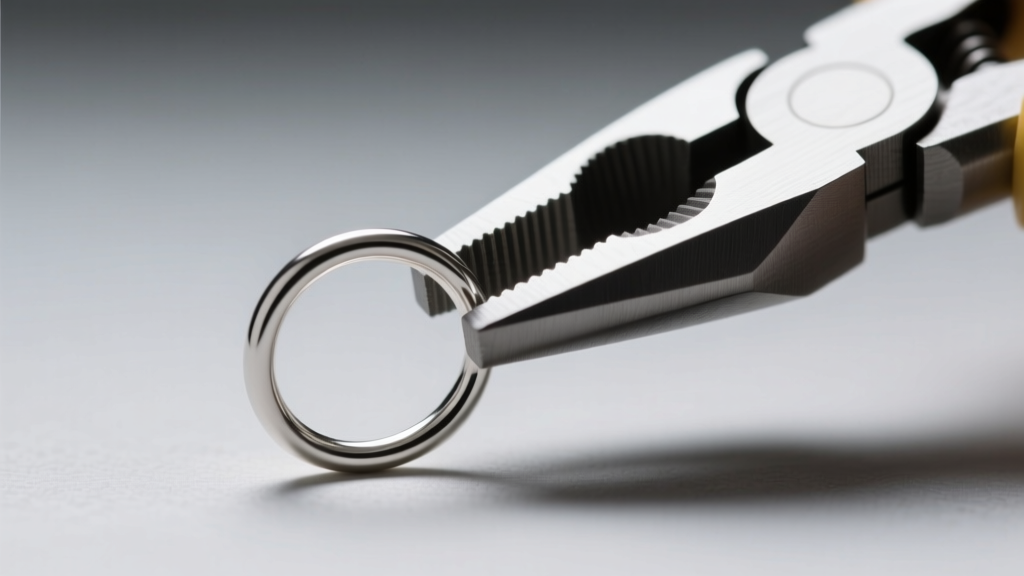
If you are designing for sensitive ears, avoid base metals and nickel-containing alloys. Instead, source 14/20 Gold-Filled (GF) wire, which contains 5% solid gold by weight and offers decades of tarnish resistance. For severe metal sensitivities, source ASTM F136 Grade 23 Titanium or pure Niobium wire, both of which are biocompatible and widely used in professional body piercing.
Bead Sourcing: Quality, Durability, and Hole Sizes
When figuring out how to make earrings using beads, the beads themselves are the focal point. However, not all beads are created equal. Sourcing from reputable suppliers like Fire Mountain Gems ensures you receive accurately graded materials, especially when dealing with natural gemstones.
The Mohs Scale and Earring Durability
For drop and dangle earrings, beads will inevitably clink together or brush against the wearer's neck and hair. You must consider the Mohs scale of mineral hardness. Soft stones like Fluorite (Mohs 4) or Opal (Mohs 5.5) are prone to scratching and chipping in high-impact earring designs. For everyday wear dangles, source harder gemstones such as Amethyst (Mohs 7), Garnet (Mohs 7.5), or Beryl (Mohs 7.5-8).
Crystal vs. Glass vs. Fire-Polished
If you desire high refraction without the gemstone price tag, look into precision-cut crystals. While Swarovski has restricted its retail market, Preciosa offers identical lead-free, high-brilliance crystal alternatives. For a vintage or bohemian aesthetic, Czech fire-polished glass beads provide a beautiful, organic luster with excellent durability and a much lower price point per strand.
"Always check the bead hole diameter before purchasing. Standard gemstone beads feature a 0.8mm to 1.0mm hole, accommodating 20-gauge wire. However, freshwater pearls and certain micro-faceted stones often have 0.5mm holes, requiring you to use 24-gauge wire or specialized fine headpins."
Findings: Choosing the Right Ear Wires and Posts
Findings are the mechanical components that connect your beaded design to the ear. Sourcing high-quality findings from wholesale distributors like Halstead Bead allows you to buy in bulk while maintaining retail-level quality.
- French Hooks (Shepherd Hooks): The most common and versatile finding. Look for options that include a small loop at the bottom for attaching your bead dangle. Always pair them with clear silicone earring backs to prevent loss.
- Leverbacks: These feature a hinged closure that snaps shut, making them incredibly secure for heavy beaded dangles or expensive gemstone drops. They eliminate the need for rubber backs and offer a premium feel.
- Kidney Wires: Thicker and more secure than standard French hooks, these feature a catch that hooks into the front loop, ideal for heavy, statement-making beaded chandeliers.
- Stud Posts and Cups: If you are making beaded stud earrings, source flat-pad or cup posts. Ensure the post is at least 10mm long to accommodate the thickness of the bead plus the friction back.
Essential Tools for Clean, Professional Finishes
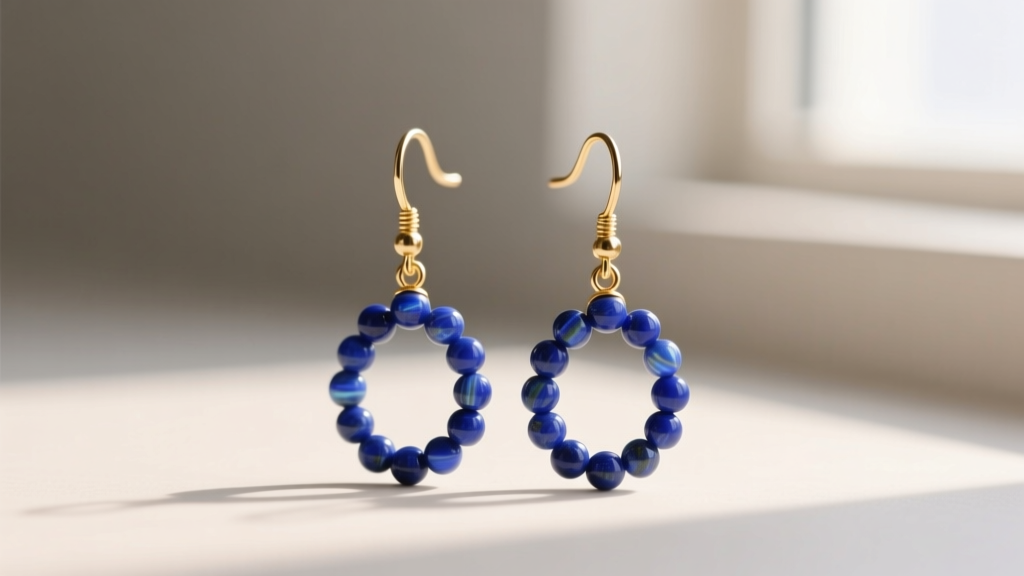
You cannot execute professional beaded earring designs with subpar tools. Cheap pliers will mar your wire and leave sharp, jagged edges that scratch the skin. Invest in precision tools:
- Flush Cutters: Brands like Lindstrom or Tronex provide a perfectly flat cut on the wire, eliminating the sharp 'pinch' left by standard craft store cutters. This is vital for clean wrapped loops.
- Round Nose Pliers: Essential for forming consistent, perfectly round loops. Look for pliers with smooth, untextured jaws to prevent scratching your half-hard wire.
- Chain Nose / Flat Nose Pliers: Used for gripping, bending, and closing jump rings. Nylon-jaw pliers are also a must-have for straightening wire without marring the metal finish.
Cost Analysis: Sourcing vs. Buying Retail
One of the primary advantages of learning how to make earrings using beads is the significant margin improvement over buying finished retail jewelry. Below is a cost breakdown comparing the material sourcing cost of a standard pair of 14/20 gold-filled and gemstone drop earrings versus boutique retail pricing.
| Component | Sourcing Cost (Per Pair) | Retail Equivalent Value |
|---|---|---|
| 14/20 Gold-Filled Leverbacks | $2.40 | $15.00 |
| 8mm AAA Grade Amethyst Rounds | $3.50 | $22.00 |
| 22-Gauge Gold-Filled Wire (Wrap) | $0.80 | N/A (Labor/Design) |
| Total Material Cost | $6.70 | $65.00+ |
By mastering the sourcing process and understanding exactly what materials to look for, you not only ensure the longevity and comfort of your creations but also unlock substantial creative and financial freedom in your jewelry-making journey.


