Skull Earrings for Men: The Ultimate 2026 Buying Guide
Discover the best skull earrings for men in 2026. Our buying guide covers material grades, gauge sizes, and styling tips for studs, hoops, and dangles.

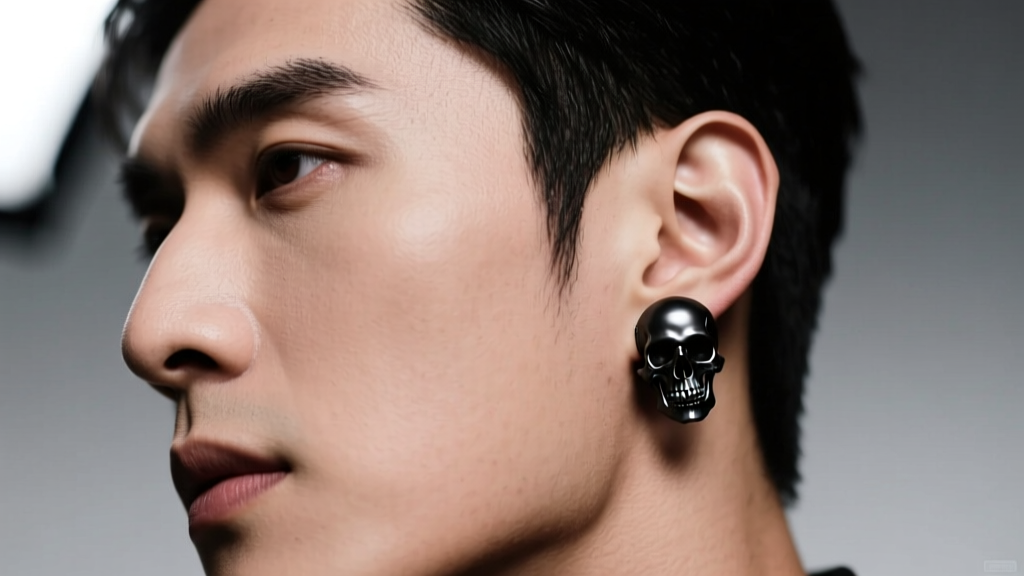
Skull earrings for men have transcended their rebellious, counter-culture roots to become a staple of modern masculine jewelry. In 2026, the market has shifted away from clunky, mass-produced pewter trinkets toward refined, anatomically inspired designs crafted from premium metallurgy. Whether you are looking for a subtle micro-skull stud for the office or an articulated dangle for a night out, understanding the nuances of gauge sizing, material grades, and hardware mechanics is critical. This comprehensive buying guide will help you navigate the complexities of men's skull earrings, ensuring you invest in pieces that are not only visually striking but also biologically compatible and built to last.
The Anatomy of Men's Skull Earrings: Studs vs. Dangles
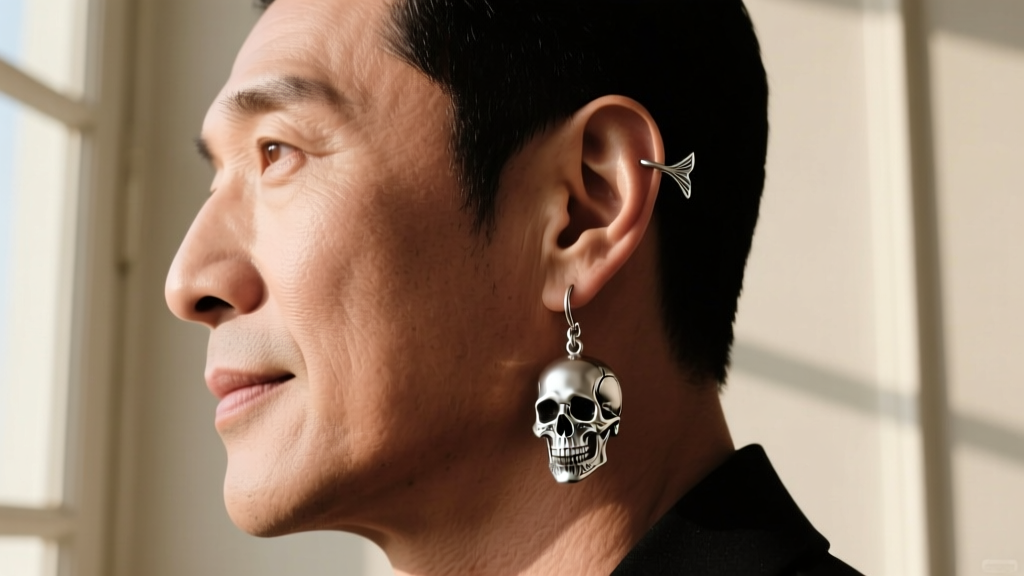
When shopping for skull earrings for men, the first decision is structural: do you want a static stud or a kinetic dangle? Studs sit flush against the earlobe or cartilage, offering a low-profile look that won't snag on clothing or headphones. They are ideal for active lifestyles and professional environments. Dangles and drop earrings, however, introduce movement and draw the eye downward, which can alter the perceived proportions of your face and jawline.
Standard Gauge Sizing and Post Lengths
One of the most common mistakes men make when buying earrings online is ignoring gauge thickness and post length. The 'gauge' refers to the diameter of the metal post that passes through your piercing. Standard lobe piercings performed with a gun are typically 20G (0.8mm) or 18G (1.0mm), while professional needle piercings usually start at 16G (1.2mm) or 14G (1.6mm). Cartilage piercings (like the helix or tragus) are almost exclusively 16G.
Post length is equally crucial. A standard earlobe requires a 6mm to 8mm post. If you have thicker lobes or are dealing with a fresh piercing that requires room for swelling, an 8mm or 10mm post is necessary. Buying a heavy skull stud with a 4mm post will result in the backing digging into your skin, causing irritation bumps and potential infection.
Material Grades: What Actually Lasts?
The metallurgy of your skull earrings dictates both their longevity and your body's reaction to them. According to the Association of Professional Piercers (APP), material purity is paramount for avoiding contact dermatitis and heavy metal toxicity. Here is how the most common materials stack up in 2026:
| Material | Pros | Cons | Best For |
|---|---|---|---|
| ASTM F136 Titanium | 100% hypoallergenic, lightweight, highly durable | More expensive, limited casting detail | Fresh piercings, sensitive skin, daily wear |
| 316L Surgical Steel | Affordable, takes a high polish, excellent detail | Contains 8-10% nickel, can cause reactions | Healed lobes, budget-conscious buyers |
| 925 Sterling Silver | Classic luster, traditional casting material | Tarnishes rapidly, soft metal, contains copper | Occasional wear, vintage aesthetics |
| Brass/Bronze | Warm tones, excellent for artisan sand-casting | Oxidizes skin green, heavy, porous | Artisan pieces with steel/titanium posts |
If you are buying 925 sterling silver skull earrings, always verify that they are plated with rhodium. The Silver Institute notes that rhodium plating not only provides a bright, white-metal finish but also creates a barrier that prevents the copper in sterling silver from reacting with the sulfur in your sweat, which is what causes tarnish and green skin.
The Critical Role of Hardware and Backings
The skull itself might be the focal point, but the hardware is what keeps it in your ear. For stud earrings, avoid traditional 'butterfly' friction backs. These backs feature tiny crevices that trap sebum, dead skin cells, and shampoo residue, leading to foul odors and localized infections. Instead, look for skull studs that utilize a flat-back labret post with a secure screw-in bezel or a high-tension push-pin mechanism.
Furthermore, pay attention to the threading. High-end men's jewelry utilizes internal threading, meaning the screw mechanism is on the post, and the skull back has the threads. This ensures that the smooth post passes through your fistula (the piercing hole). Cheap earrings use external threading, where the sharp, spiral threads on the post scrape and micro-tear the delicate tissue inside your ear every time you insert them.
2026 Design Trends: Micro-Skulls and Gemstone Accents
The era of the oversized, cartoonish pirate skull is fading. In 2026, the dominant trends in men's skull jewelry lean toward sophistication and macabre elegance:
- Micro-Anatomical Skulls: Ranging from 3mm to 5mm, these studs replicate the exact proportions of a human skull, including the zygomatic arches and maxilla, offering a subtle nod to mortality that flies under the radar in corporate settings.
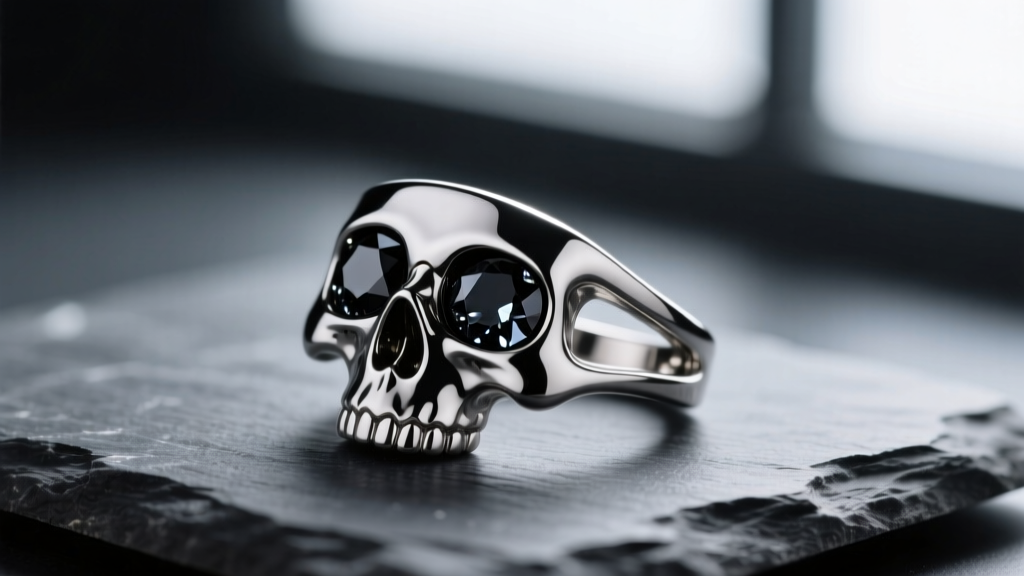
- Black Rhodium Plating: Instead of standard silver or gold, black rhodium provides a gunmetal, oxidized look that enhances the shadows in the skull's eye sockets and nasal cavity without the maintenance of chemical patinas.
- Lab-Grown Black Diamond Eyes: Insetting gemstones into the eye sockets adds a premium flash. Black spinel and lab-grown black diamonds are currently favored over onyx because they offer superior hardness (9 on the Mohs scale) and resist scratching from daily wear.
Matching Skull Styles to Face Shapes and Placements
The size and silhouette of your skull earrings should complement your facial structure and the specific anatomy of your ear.
Face Shape Considerations
If you have a round face, avoid wide, circular skull hoops or broad dangles that add horizontal volume. Opt for elongated skull drops or vertical barbell studs that draw the eye downward and lengthen the jawline. Men with square or angular faces can pull off wider, more geometric skull designs, such as Day of the Dead (sugar skull) motifs or broad, stylized animal skulls that mirror the strong lines of the jaw.
Piercing Placement
For the helix or forward helix (upper cartilage), weight is the enemy. Cartilage is notoriously slow to heal and prone to migration. Choose lightweight titanium micro-skulls or seamless skull-clicker hoops. For the tragus (the small flap of cartilage covering the ear canal), a 4mm skull stud with a flat back is mandatory to prevent the post from pressing uncomfortably into your ear canal when wearing headphones or sleeping on your side.
Maintenance: Preventing Tarnish and Fistula Irritation
Skull earrings, particularly those with intricate crevices like the nasal cavity and teeth, are magnets for environmental grime. To maintain the sharp contrast between the polished bone and the recessed shadows, you need a proactive cleaning routine.
Expert Tip: Never use toothpaste or baking soda to clean intricately cast skull earrings. The mild abrasives will scratch high-polish silver and gold, leaving a dull, matte finish that traps even more dirt. Instead, use a dedicated ultrasonic jewelry cleaner with a few drops of mild dish soap for three minutes, followed by a soft-bristled baby toothbrush to gently sweep out the eye sockets.
For 925 sterling silver, store your earrings in an anti-tarnish cloth pouch with a silica gel packet when not in use. Moisture and sulfur are the primary catalysts for silver sulfide (tarnish) formation.
Price Ranges and Where to Invest
Understanding the pricing tiers will help you identify genuine craftsmanship from overpriced dropshipped goods.
- Budget ($15 - $40): Expect 316L surgical steel or brass with zinc alloy plating. Details will be slightly soft, and hardware will likely be externally threaded with butterfly backs. Good for occasional wear, but monitor for skin reactions.
- Mid-Tier ($45 - $120): The sweet spot for quality. You will find solid 925 sterling silver with rhodium plating, internal threading, and precision-cast anatomical details. Brands in this tier often use secure screw-in bezels and flat-back labret posts.
- High-End & Artisan ($150 - $500+): Hand-carved waxes cast in solid 14k gold or ASTM F136 titanium. These pieces feature hand-set gemstones, articulated jaw mechanisms, and bespoke sizing. This is the tier for collectors and those who want a permanent, heirloom-quality fixture in their wardrobe.
Ultimately, the best skull earrings for men are those that balance striking aesthetic design with uncompromising biological safety. By prioritizing implant-grade materials, correct gauge sizing, and ergonomic hardware, you ensure that your jewelry remains a sharp, comfortable expression of your personal style for years to come.


