How to Choose Small Stud Earrings Men Actually Want to Wear
Discover how to choose small stud earrings men love. Learn about gauge sizes, hypoallergenic metals, and flat-back styles for comfortable daily wear.

Why Small Studs Are the Ultimate Starter Jewelry
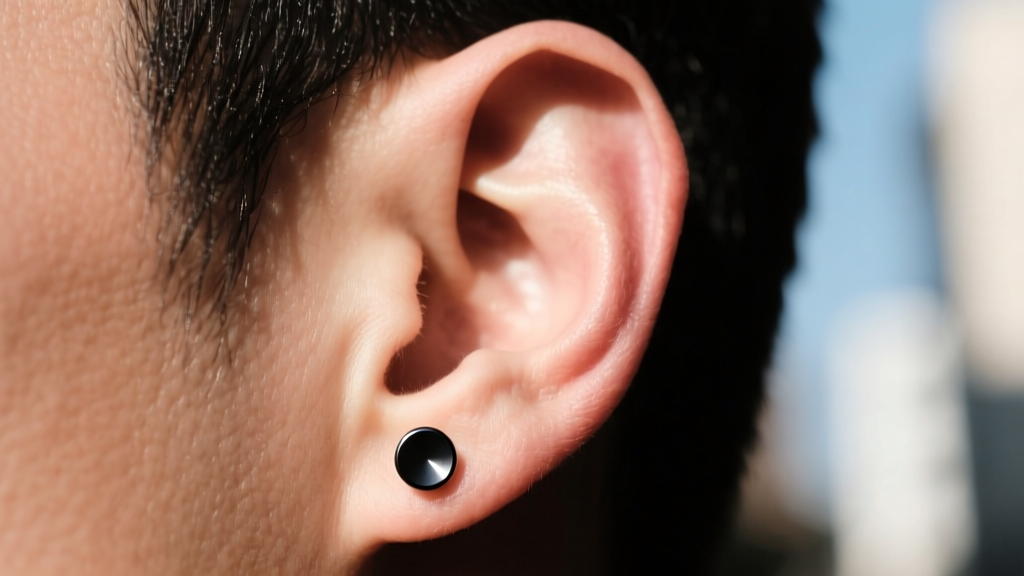
Getting your first ear piercing—or upgrading from a cheap mall-kiosk disaster—can feel overwhelming. The jewelry market is flooded with options, but when it comes to versatile, everyday wear, small stud earrings men can rely on are the undisputed champions. Unlike dangling or hoop styles that can snag on clothing, headphones, or gym equipment, a well-fitted micro stud offers a subtle, masculine aesthetic that transitions seamlessly from the boardroom to the weight room.
However, not all studs are created equal. The difference between a comfortable, long-lasting piece of jewelry and an irritating, infection-prone mistake lies in the metallurgy, the post mechanics, and the backing style. By 2026, the body jewelry industry has largely moved away from outdated friction-back designs, favoring precision-engineered flat-backs that prioritize tissue health and wearer comfort. This guide will break down the exact specifications you need to look for when shopping for men's starter studs.
The Anatomy of a Men's Stud: Gauge, Post, and Backing
Before you pick out a gemstone or metal finish, you must understand the physical dimensions of the jewelry. Buying a stud without knowing your gauge and post length is like buying shoes without knowing your size.
Gauge and Post Length Specifications
The "gauge" refers to the thickness of the metal post that passes through your piercing. The post length is the distance from the front of the stud to the backing. Here is the standard sizing framework for men's ear jewelry:
| Gauge Size | Millimeter (mm) | Standard Use Case |
|---|---|---|
| 20G | 0.81mm | Standard fashion jewelry; often too thin for fresh piercings (risk of "cheese-cutter" effect). |
| 18G | 1.02mm | The most common lobe piercing size; excellent for healed lobes and lightweight studs. |
| 16G | 1.29mm | The gold standard for high-end body jewelry; ideal for cartilage (helix, tragus) and thick lobes. |
| 14G | 1.60mm | Typically reserved for industrial bars or heavy-gauge lobe stretches; rarely used for micro studs. |
For post length, a 6mm (1/4 inch) post is standard for fully healed, average-thickness earlobes. If you have thicker lobes, or if the piercing is fresh and prone to swelling, an 8mm (5/16 inch) post is required to prevent the backing from compressing the tissue and cutting off circulation.
Butterfly vs. Flat Back (Labret) Mechanics
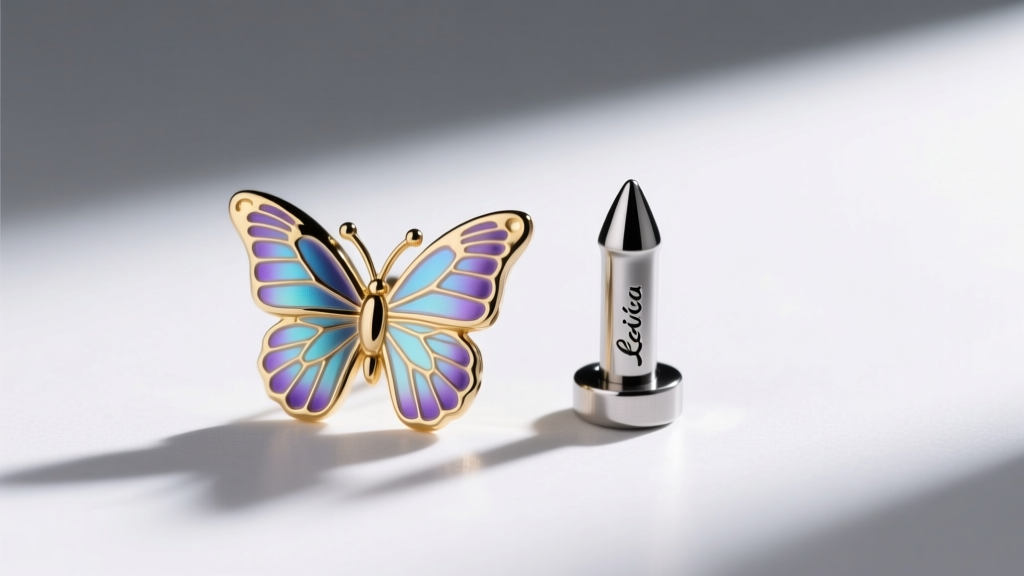
Most commercial jewelry stores still sell "butterfly" or friction-back earrings. These rely on a small metal scroll that pushes onto a notched post. According to the Association of Professional Piercers (APP), friction backs are highly discouraged for long-term wear. They trap dead skin cells, harbor bacteria, and the sharp prongs frequently dig into the neck and scalp while sleeping.
The modern standard for small stud earrings men wear daily is the threadless flat-back labret. This design features a smooth, flat disc that sits flush against the back of the earlobe. The front piece (the decorative end) has a tiny, slightly bent pin that inserts into the hollow post. The tension of the bent pin against the inside wall of the post holds the jewelry securely in place. This eliminates the need for screwing tiny components together and ensures nothing pokes you when you lie down or wear a motorcycle helmet.
Material Matters: Avoiding the "Green Ear" and Infections
The metal touching your skin dictates whether your piercing thrives or becomes an itchy, flaky mess. Nickel allergies are incredibly common; the Mayo Clinic notes that nickel exposure is a leading cause of allergic contact dermatitis. Here is how common jewelry metals stack up for sensitive ears:
- Implant-Grade Titanium (ASTM F136): The absolute best choice for beginners and sensitive skin. It is completely nickel-free, lightweight, and forms a passive oxide layer that prevents corrosion from sweat and skin acids. Expect to pay $30–$60 for a basic titanium stud.
- 14k or 18k Solid Gold: Excellent for healed piercings, provided it is alloyed without nickel (look for reputable body jewelers who guarantee nickel-free white gold). Avoid gold-plated or gold-filled jewelry, as the thin layer will eventually wear off, exposing the reactive base metal underneath. Pricing ranges from $80 to $250+.
- "Surgical Steel" (316L): A deceptive marketing term. 316L stainless steel contains up to 10-14% nickel. While it is highly polished, microscopic porosity allows sweat to break down the surface and leach nickel into the skin. Avoid this if you have any history of metal sensitivities.
Sizing Guide: Matching Studs to Face and Ear Shape
When shopping for small stud earrings men actually want to wear, scale is everything. A stud that is too large crosses the line into traditional women's solitaire territory, while one that is too small might get lost in the ear's anatomy.
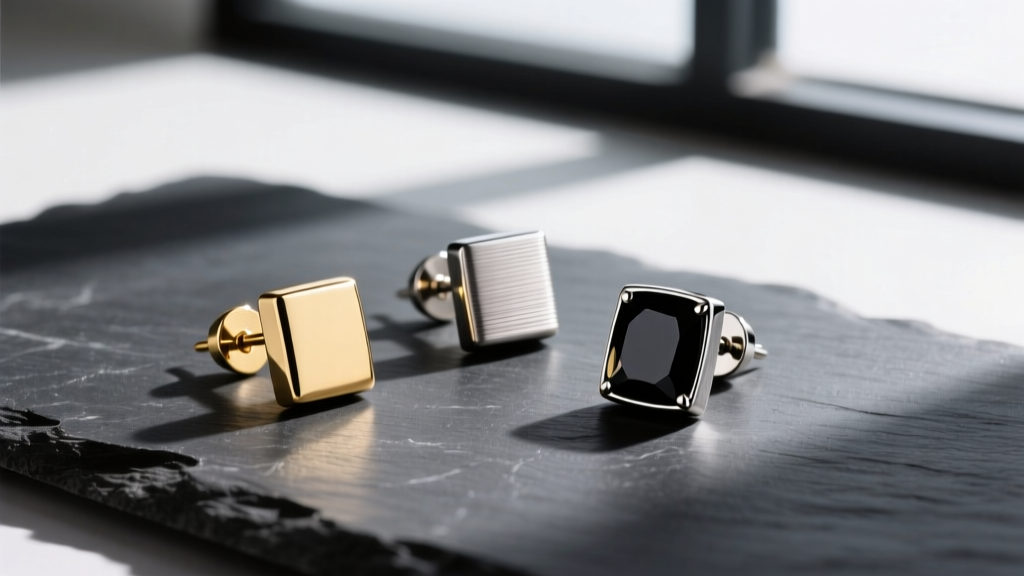
The sweet spot for men's lobe and cartilage studs is between 2mm and 4mm in diameter. Here is a quick framework for matching stud geometry to your facial structure:
- Round Faces: Opt for angular micro studs, such as 3mm square-cut black onyx or tiny geometric titanium bars. The sharp lines add subtle structural contrast to soft facial curves.
- Square or Angular Faces: Choose round studs, like a 3mm matte titanium bead or a bezel-set circular diamond. The soft curves of the jewelry balance a strong jawline.
- Prominent Ears: Stick to low-profile, flush-setting stones (like a 2mm bezel-set moissanite). Avoid high-set prongs that add unnecessary outward projection to the ear.
Top Brand Recommendations for Men's Starter Studs
To ensure you are getting true implant-grade materials and precision threading, skip the mall kiosks and look toward specialized body jewelry manufacturers. Brands like BVLA, Anatometal, and Maria Tash dominate the high-end market, offering 14k/18k gold and ASTM F136 titanium ends that are hand-set and polished to a mirror finish. For a more accessible entry point, brands like Mejuri and Gorjana offer solid 14k gold flat-back options in the $50–$90 range, though you must verify their specific nickel-free guarantees for white gold alloys.
How to Insert Threadless Jewelry (A Quick Tutorial)
If you buy a high-quality flat-back stud, it will likely be threadless. Many beginners panic when they realize the front and back don't screw together. Here is the professional method for insertion:
- Insert the hollow titanium post through the back of your earlobe so the flat disc rests flush against your skin.
- Take the decorative front end and insert the tiny pin about one-third of the way into the hollow post.
- Gently bend the pin slightly to the side (about a 5 to 10-degree angle). Do not bend it in half; just a subtle curve.
- Push the front end firmly into the post. The bent pin will create spring tension against the inside wall, locking the pieces together securely.
- To remove, simply grip the front and back firmly and pull them straight apart with a slight twisting motion.
Expert Tip: Always insert and remove threadless jewelry over a folded towel or a sink with a closed drain. The tension mechanism is incredibly secure once seated, but the small components can easily fly across the room during your first few attempts.
Aftercare Essentials for New Piercings
If you are getting pierced specifically to wear these small studs, the aftercare protocol is just as critical as the jewelry itself. The APP recommends cleaning fresh piercings twice daily with a sterile, fragrance-free saline wound wash (0.9% sodium chloride). Avoid harsh chemicals like rubbing alcohol, hydrogen peroxide, or tea tree oil, which destroy the delicate fistula (the tube of healing skin inside the piercing channel). Leave your initial 8mm titanium flat-back stud in place for at least 8 to 12 weeks before downsizing to a 6mm post and swapping to your chosen decorative end.