Mexican Vintage Earrings: 2026 Trend Analysis & Styling Guide
Explore the 2026 resurgence of Mexican vintage earrings. Discover Taxco silver hallmarks, styling heavy dangles, and market pricing.

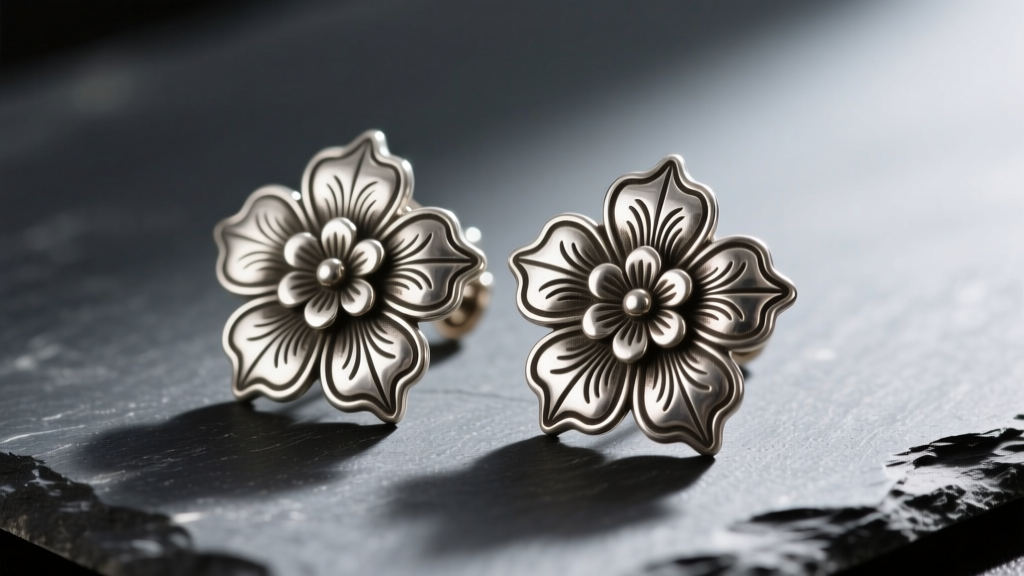
The 2026 Resurgence: Heritage Maximalism and Artisanal Storytelling
In the landscape of 2026 jewelry trends, the pendulum has decisively swung away from the ultra-minimalist 'quiet luxury' of the early 2020s toward what industry analysts call 'Heritage Maximalism.' Collectors and style enthusiasts are increasingly seeking pieces with profound historical weight, artisanal imperfections, and cultural narratives. At the epicenter of this movement are Mexican vintage earrings, particularly those originating from the mid-century Taxco silver renaissance and the vibrant enamel workshops of Aguascalientes.
Unlike mass-produced contemporary fashion jewelry, vintage Mexican pieces offer a masterclass in mid-century metallurgy. From the bold, Aztec-inspired repoussé work of Hector Aguilar to the delicate, jewel-toned champlevé enamel of Margot de Taxco, these earrings are not mere accessories; they are wearable artifacts. As 2026 styling embraces the juxtaposition of ornate historical pieces against stark, architectural modern clothing, understanding the nuances of these vintage treasures has never been more critical for serious collectors and style curators.
Decoding Authenticity: Hallmarks, Silver Grades, and Origins
The market for Mexican vintage earrings is flooded with modern reproductions and 'tourist silver.' To build a genuine collection, one must understand the intricate hallmarking system established by the Mexican government. According to the Online Encyclopedia of Silver Marks, the hallmarking system evolved significantly between the 1940s and 1980s, providing a reliable roadmap for dating and authenticating pieces.
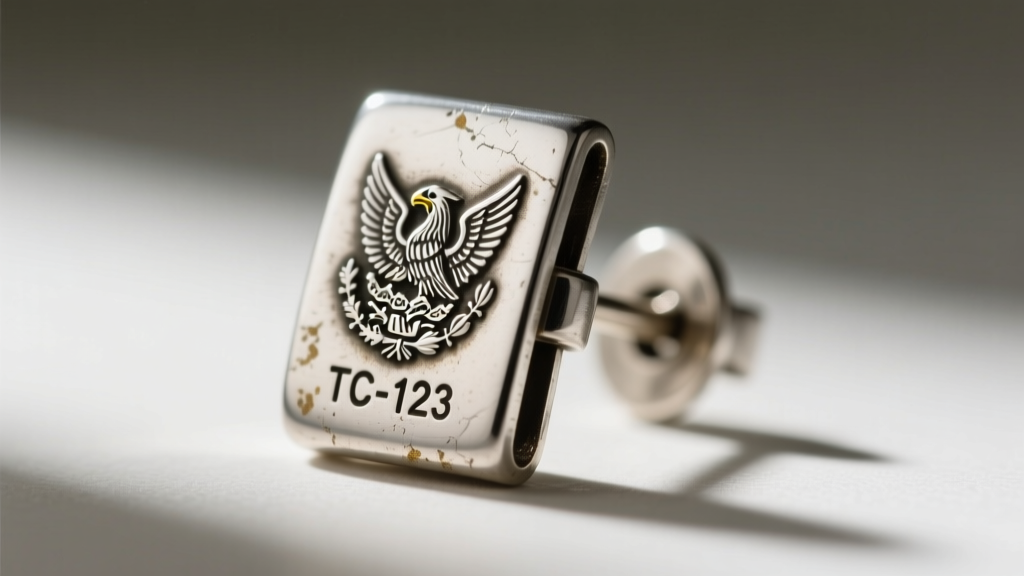
In 1948, the Mexican government introduced the 'Eagle Mark' to guarantee that a piece met the .925 sterling silver standard. The eagle was stamped alongside a number that corresponded to a specific workshop or artist. However, by the late 1970s, the system became too cumbersome to enforce, leading to its abandonment in 1979. It was replaced by an alphanumeric registry system, where a piece might be stamped with 'TC' (for Taxco), a letter representing the artist's last name, and a unique number (e.g., TC-123).
Quick Reference: Key Taxco Artists and Their Signatures
| Artist / Workshop | Common Hallmarks | Signature Style in Earrings | Estimated Value Tier |
|---|---|---|---|
| William Spratling | WS, Spratling Made in Mexico | Pre-Columbian motifs, heavy cast silver, amethyst inlays | High ($400 - $1,500+) |
| Antonio Pineda | Antonio, Taxco, Crown mark | Modernist, geometric, heavy gauge silver, obsidian accents | High ($500 - $2,000+) |
| Margot de Taxco | Margot de Taxco, Made in Mexico | Champlevé enamel, vibrant colors, floral and astrological motifs | Mid ($150 - $600) |
| Hector Aguilar | HA, Taller Borda, Made in Mexico | Repoussé technique, Aztec calendars, intricate scrollwork | High ($350 - $1,200) |
Defining Silhouettes: The Three Pillars of Mexican Vintage Design
When analyzing current auction results and boutique offerings in 2026, three distinct silhouettes dominate the Mexican vintage earring market. Each requires a different approach to styling and maintenance.
1. Taxco Repoussé Dangles
Repoussé is a metalworking technique in which malleable silver is ornamented or shaped by hammering from the reverse side to create a design in low relief on the front. Hector Aguilar and William Spratling were masters of this technique. These earrings often feature pre-Columbian deities, intricate floral vines, or geometric Aztec calendars. Because they are hand-hammered from thick sheets of .925 or occasionally .980 silver, they possess a distinctive, organic texture that catches the light beautifully.
2. Aguascalientes and Taxco Champlevé Enamel
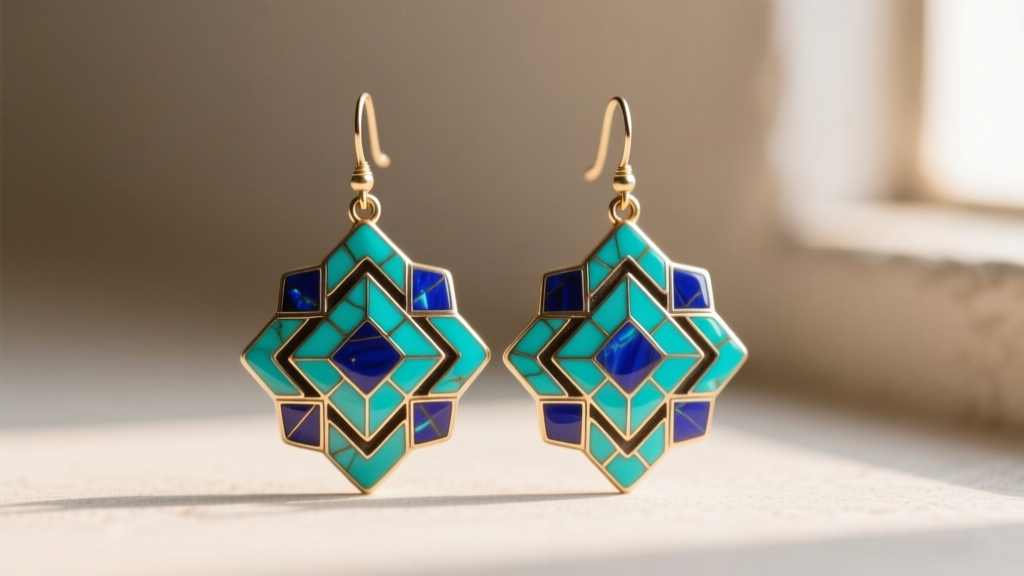
Margot van Voorhies Carr, operating under the name Margot de Taxco, revolutionized Mexican jewelry by introducing vibrant, glass-like enamel work. Using the champlevé technique, artisans carved channels into the silver and filled them with powdered glass before firing the piece in a kiln. The result is a striking contrast between bright, opaque enamels (often turquoise, lapis, coral, and mustard yellow) and oxidized silver grooves. In 2026, these colorful drops are highly sought after to add a pop of 'dopamine dressing' to neutral-toned wardrobes.
3. Modernist Silver and Semi-Precious Inlays
For collectors leaning towards mid-century modernism, Antonio Pineda’s earrings are the gold standard. Pineda favored heavy, architectural silver forms, often bezel-setting dark, polished stones like obsidian, black onyx, or amethyst. These pieces are less ornate than repoussé but carry a substantial, sculptural presence on the ear, aligning perfectly with the structural fashion trends of 2026.
The Gauge and Weight Dilemma: Styling Heavy Vintage Pieces
The most common point of failure for new collectors of Mexican vintage earrings is underestimating their weight. Mid-century Taxco silversmiths did not design for delicate, modern earlobes. It is entirely common for a pair of authentic Spratling or Pineda dangles to weigh between 25 and 45 grams per pair.
Expert Insight: Standard contemporary earrings use 20-gauge (0.81mm) or 18-gauge (1.02mm) wire. However, a 20-gram vintage earring on a 20-gauge wire acts like a cheese wire, gradually slicing through the earlobe tissue over time, leading to irreversible stretching and tearing.
To safely wear heavy Mexican vintage dangles in 2026, you must employ structural support strategies:
- Re-wiring to 14-Gauge or 12-Gauge: Have a professional bench jeweler replace the original ear wires with 14-gauge (1.63mm) or 12-gauge (2.05mm) French wires. This distributes the weight across a thicker surface area of the piercing.
- Silicone Support Discs: Products like LobeWonder or generic silicone earring support patches provide a wide, cushioned backing that prevents the earring from pulling downward on the piercing hole.
- Ear Chains and Cuffs: For extremely heavy clip-ons or dangles, utilize an ear chain that connects the earring to a secondary upper lobe or cartilage piercing, transferring the physical load away from the primary lobe.
- Omega Clip Maintenance: Many vintage Mexican pieces use Omega clip-backs rather than pierced wires. Over decades, the tension springs degrade. Always have a jeweler re-tension the Omega clips and check the solder joints at the hinge before wearing them to an event.
2026 Market Pricing and Sourcing Authentic Pieces
As the Lang Antiques University notes, the provenance and condition of Mexican silver heavily dictate its market value. The surge in 'Heritage Maximalism' has pushed prices for pristine, signed pieces up by approximately 18% over the last three years. Here is a realistic pricing framework for the 2026 market:
- Entry-Level ($40 - $120): Unsigned .925 silver pieces, simple hoop designs with basic turquoise inlays, or later-period (1980s) alphanumeric hallmarked pieces. Excellent for everyday styling but lacking high investment value.
- Mid-Tier Collector ($150 - $450): Signed Margot de Taxco enamel drops in excellent condition (no enamel crazing or chipping), or standard Hector Aguilar repoussé clips. These pieces offer the best balance of artistic merit and wearability.
- Museum/Investment Grade ($600 - $2,500+): Early, rare William Spratling amethyst-inlaid dangles, or heavy Antonio Pineda modernist obsidian earrings with the coveted 'Crown' hallmark. These are typically acquired through specialized auction houses or vetted antique dealers.
Where to Source Safely
Avoid generic online marketplaces where 'Mexican style' reproductions are frequently mislabeled as vintage. Instead, focus on specialized platforms:
- 1stDibs and Ruby Lane: Both platforms enforce strict vetting processes for their antique jewelry dealers, requiring accurate hallmark photography and condition reports.
- Specialized Taxco Dealers: Seek out dealers who specialize exclusively in Latin American mid-century silver, as they possess the loupe-level expertise required to spot recast fakes or 'married' pieces (where a modern earring post has been unprofessionally soldered onto a vintage brooch or pendant).
- Estate Auctions: Regional auction houses in the American Southwest (particularly in Texas, New Mexico, and Arizona) frequently feature lots of authentic Taxco silver inherited from mid-century collectors who vacationed in Mexico during the 1950s and 60s.
Ultimately, collecting and styling Mexican vintage earrings in 2026 is an exercise in preserving wearable history. By understanding the metallurgy, respecting the weight of the silver, and recognizing the genius of the Taxco masters, you elevate your personal style while safeguarding a vital chapter of global jewelry design.


