Michael Kors Stud Earrings: Troubleshooting Tarnish & Repairs
Learn how to troubleshoot, clean, and repair Michael Kors stud earrings. Expert fixes for tarnish, green skin, and broken plated posts.

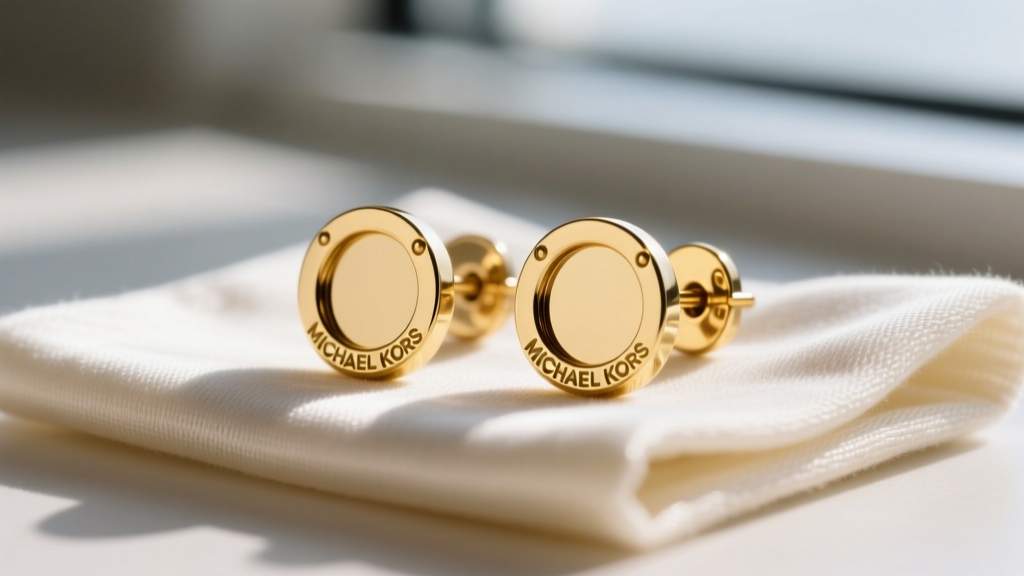
Michael Kors stud earrings are a staple in fashion jewelry, offering high-impact cubic zirconia (CZ) and iconic logo designs at an accessible price point. However, because they are classified as fashion or 'bridge' jewelry rather than fine jewelry, they present unique maintenance challenges. The base metals, plating thickness, and post construction require specific care protocols. If you have experienced tarnishing, skin discoloration, or hardware failure, this comprehensive troubleshooting guide will help you restore and maintain your favorite pairs.
The Anatomy of Michael Kors Stud Earrings
To effectively troubleshoot any jewelry issue, you must first understand the materials involved. Most Michael Kors studs are constructed from a brass or stainless steel base metal. The gold, rose gold, or silver finishes are achieved through electroplating or Physical Vapor Deposition (PVD), typically resulting in a microscopic layer of 0.5 to 1.5 microns. The gemstones are predominantly machine-cut cubic zirconia, either cast-in-place or set with traditional prongs. Understanding this anatomy is crucial, as treating these earrings like solid 14k gold will permanently destroy the finish.
Troubleshooting Matrix: Common Issues and Solutions
Below is a diagnostic matrix for the most frequent problems reported by wearers of plated fashion studs. Use this chart to identify your issue and select the appropriate intervention.
| Symptom | Root Cause | DIY Fix | Professional Fix |
|---|---|---|---|
| Green/Black skin staining | Galvanic reaction between copper in brass and sweat acids | Apply a UV-resistant clear resin barrier to the post and back | Jeweler can solder a solid sterling silver or titanium post |
| Dull, cloudy CZ stones | Accumulation of sebum, lotion, and soap scum on the pavilion | Soak in distilled water and mild dish soap; brush gently | Professional steam cleaning (low pressure) and ultrasonic |
| Flaking gold finish | Plating wear from friction or exposure to chlorine/perfumes | None (cannot be reversed at home) | Complete chemical stripping and re-plating by a jeweler |
| Bent or snapped post | Work hardening of the brass base metal during insertion | Use jewelry glue to affix a new stainless steel post pad | Laser welding a new post (often cost-prohibitive for fashion jewelry) |
Deep Dive: Solving the 'Green Ear' and Allergy Problem
The most common complaint regarding fashion jewelry is the dreaded 'green ear.' This is not an infection, nor does it necessarily mean the jewelry contains toxic levels of lead. It is a simple chemical reaction. Brass is an alloy of copper and zinc. When the thin gold plating on the earring post wears away from friction, the exposed copper reacts with the chlorides and lactic acid in your sweat, creating copper chloride—a green salt that stains the skin.
The Clear Coat Barrier Method
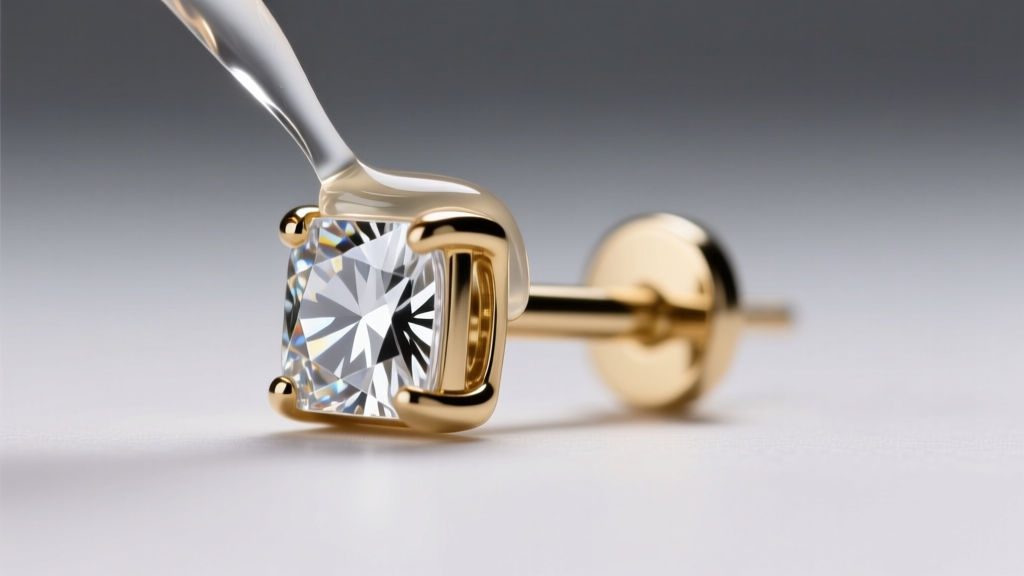
For a quick, at-home solution, you can create a physical barrier between the metal and your skin. While many suggest standard clear nail polish, modern jewelry conservationists recommend a specialized jewelry coating like ProtectaClear or a UV-cured jewelry resin. These coatings are formulated to resist the acidity of human skin and will not yellow or peel as quickly as nitrocellulose-based nail polishes. Apply a thin layer to the post and the friction back, allowing it to cure fully for 24 hours before wearing. Reapply every three to four weeks depending on wear frequency.
Post Replacement (The Jeweler's Route)
If you have severe nickel or copper sensitivities, barrier coatings may eventually fail. A local bench jeweler can cut off the original brass post and laser-weld or solder a hypoallergenic titanium or 14k gold post in its place. This typically costs between $25 and $45 per earring, which is often a worthwhile investment for a beloved, heavily worn pair of Michael Kors studs.
Restoring Luster: Safe Cleaning Protocols for Plated Brass
Cubic zirconia is highly refractive, but its brilliance is easily masked by everyday oils. Furthermore, the Gemological Institute of America (GIA) notes that while CZ is relatively durable (8-8.5 on the Mohs scale), the settings and plated metals holding them are not. Never place Michael Kors stud earrings in an ultrasonic cleaner. The cavitation bubbles imploding against the surface will strip the 1-micron gold plating right off the brass base.
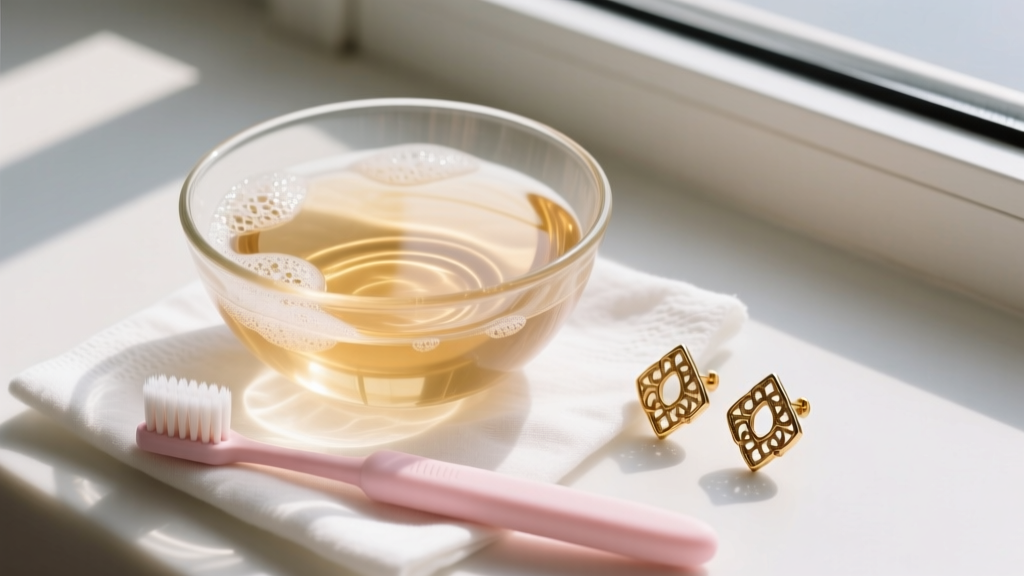
- Step 1: Mix a few drops of phosphate-free dish soap (like Dawn) into a bowl of distilled water. Avoid tap water, as hard water minerals can leave micro-scratches on the plating.
- Step 2: Submerge the earrings for exactly 3 to 5 minutes to loosen sebum and cosmetic buildup.
- Step 3: Using an extra-soft baby toothbrush, gently sweep the bristles over the CZ stones, paying special attention to the pavilion (the underside of the stone) where dirt accumulates.
- Step 4: Rinse under a slow stream of distilled water and pat dry immediately with a lint-free microfiber cloth. Do not air dry, as water spots will etch into the soft plating over time.
Hardware Failures: Bent Posts and Missing Backs
Michael Kors stud earrings typically feature standard butterfly friction backs. The posts are almost universally 20-gauge (0.81mm in diameter). Because the posts are often made of soft brass or base metal alloys, attempting to force them through a tight piercing can cause them to bend.
The Danger of Work Hardening
If your post bends, do not simply bend it back into place. Brass suffers from 'work hardening'—a metallurgical phenomenon where the metal becomes brittle and loses its ductility after being mechanically stressed. Bending it back and forth will cause a micro-fracture, leading to a clean snap. If the post is bent, use a pair of nylon-jaw pliers to gently coax it straight with a single, smooth motion. If it snaps, you can purchase 20-gauge stainless steel post pads online and use a two-part jeweler's epoxy (not superglue, which contains cyanoacrylate that fogs CZ stones) to attach the new post to the flat back of the earring setting.
Upgrading Friction Backs
The standard metal butterfly backs provided by the manufacturer often lose their tension over time, leading to lost earrings. Upgrade to silicone friction backs or 'La Poussiere' clutch backs with a silicone interior grip. These provide superior tension on a 20-gauge post and reduce the friction wear on the earring's gold plating.
Stone Security: Tightening Loose CZs
Fashion jewelry is often mass-produced using cast-in-place settings or minimal prong structures. If you notice a CZ stone rattling or sitting crooked, stop wearing the earring immediately. Do not attempt to tighten the prongs with standard household pliers, as the hardened steel will crush the soft brass prongs and scratch the gold plating. According to the Federal Trade Commission's Jewelry Guides, manufacturers are responsible for the structural integrity of settings at the time of sale, but wear-and-tear requires maintenance. Take the piece to a jeweler who can use a prong pusher and a burnisher to safely secure the stone without damaging the PVD coating.
Expert Storage Tip: Never store Michael Kors studs in the bathroom. The high humidity and airborne aerosols from hairspray and perfumes accelerate the oxidation of the copper base metal. Store them in an airtight ziplock bag with a silica gel packet and a piece of anti-tarnish treated cloth to absorb atmospheric sulfur.
When to Retire vs. Repair
While many issues with Michael Kors stud earrings can be troubleshot at home or by a bench jeweler, there is a threshold where repair costs exceed replacement value. If the PVD plating has completely worn off the front face of a logo stud, exposing the raw brass, re-plating will cost upwards of $60—more than the retail price of the earrings. In these cases, it is best to retire the piece. However, by implementing the barrier coatings, proper cleaning protocols, and storage techniques outlined above, you can easily extend the lifespan of your fashion jewelry by several years, keeping your favorite studs brilliant and comfortable for daily wear.


