2026 Gift Guide: Why Mini Bas Relief Earrings Are Perfect
Discover the ultimate 2026 gift guide for mini bas relief earrings. Learn how to choose metals, gauges, and styles for every occasion and recipient.

The Renaissance of Mini Bas Relief Earrings
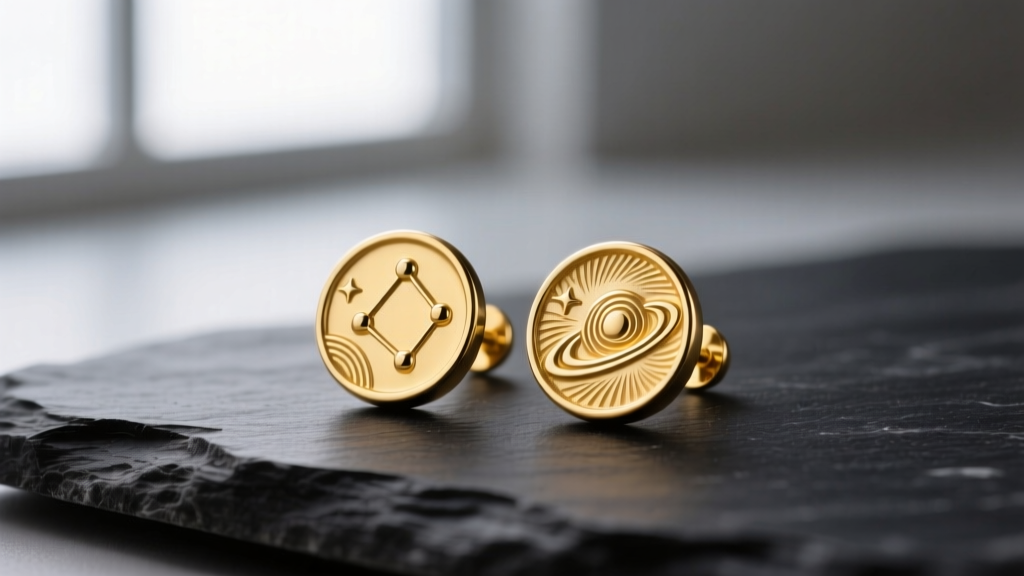
When it comes to gifting fine jewelry, the line between timeless and trendy can be difficult to navigate. Enter mini bas relief earrings, a category that has completely dominated curated ear aesthetics and minimalist gifting in 2026. Bas relief (or basso-relievo) is a sculpting technique where the design projects slightly from a flat background, much like a coin or a classical cameo. According to the Victoria and Albert Museum, this technique has been used for millennia to tell stories and denote status, but modern jewelers have scaled it down into wearable, everyday micro-sculptures.
Unlike flat enamel studs or high-dome cabochons, mini bas relief earrings (typically ranging from 6mm to 12mm in diameter) offer a tactile, three-dimensional experience. They catch the light dynamically due to their varied topographical surfaces, making them look far more expensive and intricate than their actual footprint suggests. Whether you are shopping for a partner, a graduating senior, or treating yourself to a milestone marker, understanding the nuances of these miniature sculptures is critical to making the right purchase.
The Physics of the "Droop": Weight and Gauge Mechanics
The most common failure mode when gifting or purchasing mini bas relief studs is ignoring the physics of weight distribution. Because bas relief requires more metal to create the raised topography, a 10mm solid 18k gold coin-style earring can easily weigh between 2.0 and 3.5 grams. If this weight is mounted on a standard, spindly 22-gauge (0.64mm) post, the earring will inevitably "droop" forward on the earlobe, pointing toward the floor rather than facing outward.
To ensure your gift is wearable and comfortable, you must evaluate the post thickness and the backing mechanism:
- The Scooped Back: High-end jewelers will hollow out the back of the earring (creating a concave shell) to reduce weight while maintaining the structural integrity of the front relief. Always check the product description for "hollow back" or "scooped back" if the diameter exceeds 8mm.
- Post Gauge: For solid mini relief pieces, insist on an 18-gauge (1.02mm) or 16-gauge (1.29mm) post. This provides the necessary rigidity to keep the sculpted face upright.
- Clutch Security: Standard butterfly backs often fail to support heavier relief fronts. Look for earrings equipped with La Poussiere (silicone-lined) clutches, screw-backs, or jumbo flat discs to distribute the pressure evenly across the back of the earlobe.

Decoding the Recipient: Who Are You Gifting These To?
Mini bas relief earrings are remarkably versatile, but the specific motif and metal choice should align with the recipient's lifestyle and piercing anatomy.
The Minimalist Professional
For the recipient who works in conservative environments or prefers a "quiet luxury" aesthetic, opt for 6mm to 8mm abstract or geometric bas relief studs in 14k or 18k yellow gold. Abstract topographical maps, subtle hammered textures, or unbranded classical coins offer a sophisticated edge that pairs perfectly with tailored blazers and everyday wear. They provide visual interest without the distraction of dangling elements or bright gemstones.
The Curated Ear Enthusiast (Cartilage Focus)
If your recipient has a curated ear with multiple helix, flat, or tragus piercings, standard lobe studs with long posts will not work. You must purchase flat-back labrets featuring a bas relief front. According to the Association of Professional Piercers (APP), implant-grade titanium (ASTM F-136) is the gold standard for cartilage wear due to its biocompatibility and lightweight nature. A 16-gauge, 6mm titanium flat-back with a miniature bas relief evil eye, starburst, or floral motif is an exceptional, highly personalized gift for cartilage piercings.
Material & Grade Matrix: A Buyer's Cheat Sheet
Selecting the right metal is crucial, especially for recipients with contact dermatitis or nickel allergies. The Gemological Institute of America (GIA) notes that the alloy mix in gold significantly impacts both color and skin reactivity. Use this matrix to guide your purchase:
| Metal Type | Purity / Grade | Best For | Est. Price Range | Tarnish / Allergy Risk |
|---|---|---|---|---|
| Implant-Grade Titanium | ASTM F-136 | Cartilage piercings, hyper-sensitive skin | $45 - $120 | Zero (Hypoallergenic) |
| 14k Solid Gold | 58.5% Pure Gold | Everyday lobe wear, durability | $150 - $350 | Low (Ensure nickel-free alloy) |
| 18k Solid Gold | 75% Pure Gold | Heirloom gifting, rich color depth | $300 - $800+ | Very Low |
| Sterling Silver | 92.5% Silver (925) | Budget-friendly, oxidized vintage looks | $40 - $150 | High (Tarnishes, copper allergy risk) |
| Platinum | 95% Pure (Pt950) | Prestige gifting, crisp relief details | $600 - $1,500+ | Zero (Hypoallergenic) |
Occasion Matching: When to Give Bas Relief
Because bas relief carries historical weight—literally and figuratively—it is perfectly suited for milestones that require a sense of permanence.
- Graduations & Academic Milestones: Classical motifs like the owl of Athena, laurel wreaths, or miniature replicas of ancient Athenian owls struck in solid gold make profound gifts for university graduates.
- "Push" Presents & New Beginnings: A miniature bas relief initial or birth-flower coin serves as a permanent, wearable marker of a new chapter, offering more subtlety than a traditional diamond pendant.
- Travel & Wanderlust: Topographical bas relief maps of specific cities, mountain ranges, or coastlines are highly sought after by travelers and make incredible anniversary gifts commemorating a shared journey.
Care Instructions to Include with Your Gift
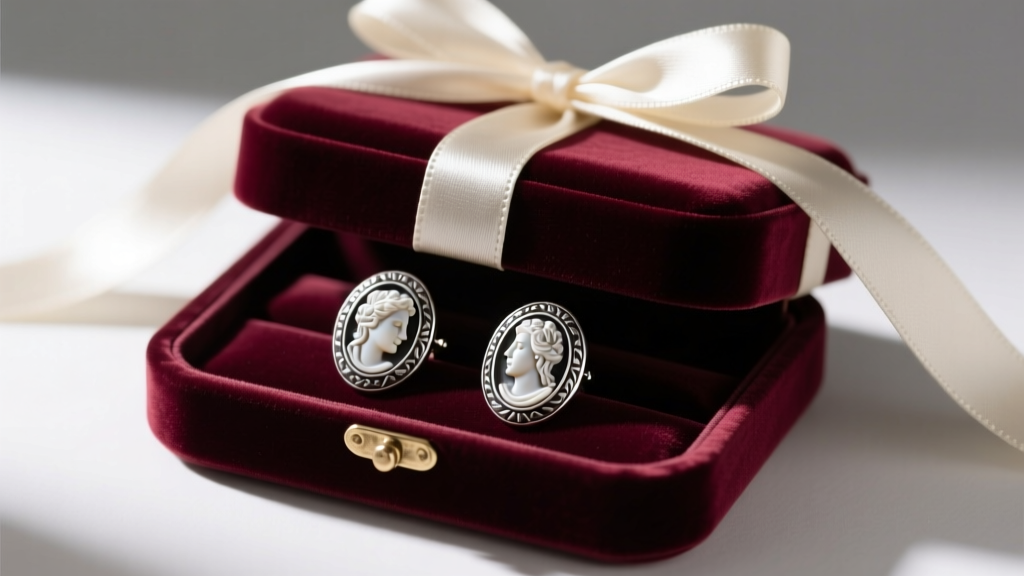
The intricate crevices of a bas relief design are magnets for sebum, lotions, and environmental dust. If you are gifting these earrings, include a small care kit and a note with the following actionable advice:
- The Soft Brush Method: Advise the recipient to clean the earrings weekly using a baby toothbrush dipped in warm water and a drop of mild dish soap. This is the only way to reach the recessed background of the relief without scratching the raised elements.
- Avoid Ultrasonic Cleaners for Oxidized Pieces: If you have gifted sterling silver or gold with intentional oxidation (blackening in the crevices to highlight the relief), ultrasonic cleaners will strip the patina, leaving the earring flat and washed out.
- Polishing Cloth Strategy: Use a treated jeweler's cloth only on the raised high points of the relief. Avoid pressing the cloth deep into the background, as this will slowly erase the contrast that gives the 3D effect its visual power.
Final Thoughts on Gifting Micro-Sculptures
Mini bas relief earrings represent a masterclass in subtle luxury. They reward the wearer with intricate details that are only visible upon close inspection, making them an intimate and deeply personal gift. By paying strict attention to post gauge, weight distribution, and metal biocompatibility, you elevate your gift from a simple accessory to a masterfully engineered piece of wearable art that will remain a staple in their rotation for decades to come.


