2026 Trend Earrings: The Rise of Modular & Convertible Ear Styling
Discover the top 2026 trend earrings focusing on modular and convertible designs. Learn about materials, gauge sizes, and multi-piercing setups.


The Evolution of Ear Styling: Why Modular is the Ultimate 2026 Trend
The jewelry landscape has undergone a massive paradigm shift as we navigate through 2026. Gone are the days when consumers purchased static, single-purpose pieces. Today, the most coveted trend earrings are defined by their versatility, engineering, and adaptability. Modular and convertible ear styling—where a single piece of jewelry can transform from a simple lobe stud to an intricate ear cuff, or where huggies feature detachable drops—has dominated the market. This shift is driven by a desire for sustainable luxury and dynamic self-expression, allowing wearers to curate their ear aesthetics from day to night without requiring multiple piercings or excessive spending.
When analyzing the top trend earrings of 2026, it is clear that functionality is just as important as aesthetics. Jewelry designers are collaborating with master piercers to create pieces that respect ear anatomy while offering unprecedented styling flexibility. According to recent industry reports highlighted by Vogue, the modern 'ear curate' is no longer about permanent placements, but rather about interchangeable components that allow the wearer to act as their own stylist.
Anatomy of Convertible Trend Earrings: Materials & Mechanics
The success of any modular earring relies entirely on its mechanical engineering and material integrity. Because convertible pieces feature moving parts—such as hinges, clasps, and detachable chains—the metals used must withstand repeated manipulation without warping or degrading.
Hinge & Clasp Engineering
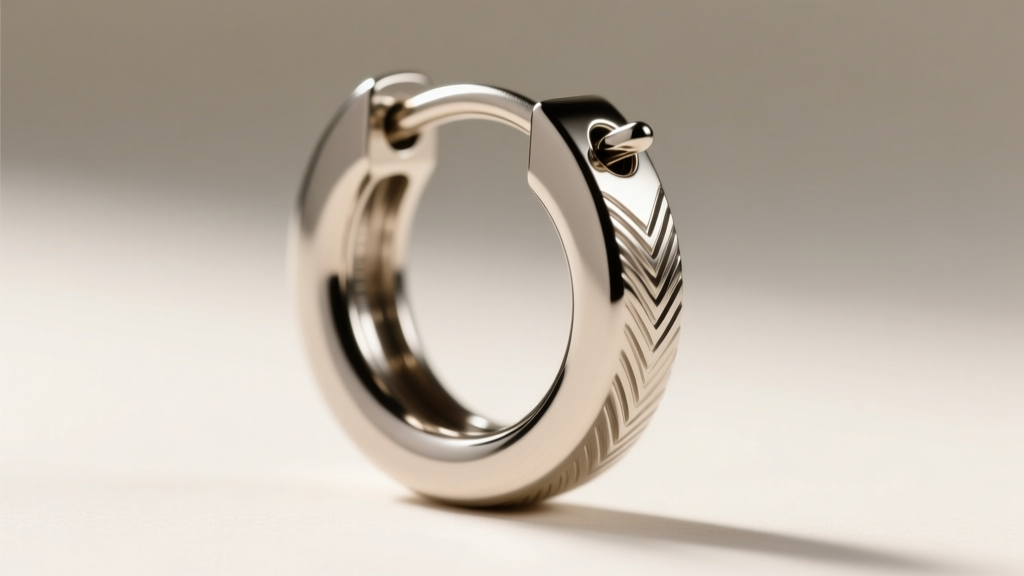
The most reliable trend earrings this year utilize precision-machined micro-hinges. Unlike the flimsy snap-backs of the past, 2026's premium huggies and ear cuffs employ a 'click-lock' tension mechanism. This ensures the earring remains securely closed even when subjected to the friction of hair or clothing. For pieces that connect two separate piercings (such as a lobe-to-helix chain), designers are favoring threadless (push-pin) ends over internally threaded options. Threadless jewelry relies on the tension of a slightly bent pin against the inside of the receiving tube, offering a seamless look and a much lower profile, which is critical for comfort in multi-piercing setups.
Material Grades and Biocompatibility
Because modular pieces often span across different piercing zones (from the soft tissue of the lobe to the dense cartilage of the helix), biocompatibility is non-negotiable. The gold standard for the base metal in convertible trend earrings is ASTM F136 implant-grade titanium. As detailed by the Association of Professional Piercers, this specific alloy is entirely nickel-free and highly resistant to corrosion. For those preferring gold, 14k or 18k solid gold that is explicitly alloyed without nickel or cadmium is required. Avoid gold-plated modular pieces; the friction from moving hinges will quickly wear away the plating, exposing reactive base metals to the skin.
Gauge Sizes and Piercing Compatibility Chart
One of the most common mistakes consumers make when buying modular trend earrings is ignoring gauge compatibility. A piece designed for a standard lobe piercing will not fit securely in a cartilage piercing, leading to irritation and migration. Below is a definitive guide to gauge sizing for convertible ear styling.
| Gauge Size | Millimeter (mm) | Best Piercing Zones | Modular Jewelry Type |
|---|---|---|---|
| 20G | 0.81mm | Standard Lobe | Lightweight dangles, delicate ear chains |
| 18G | 1.02mm | Lobe, Upper Lobe, Rook | Huggies with detachable charms, ear cuffs |
| 16G | 1.29mm | Helix, Flat, Conch, Tragus | Clicker rings, heavy modular connectors |
| 14G | 1.63mm | Industrial, Daith | Statement barbells with interchangeable ends |
Styling Framework: Building a Modular Ear Curate
Building a cohesive ear curate using trend earrings requires an understanding of spatial awareness and visual weight. The goal of modular styling is to create the illusion of a highly curated, multi-pierced ear, even if you only have two or three actual piercings.
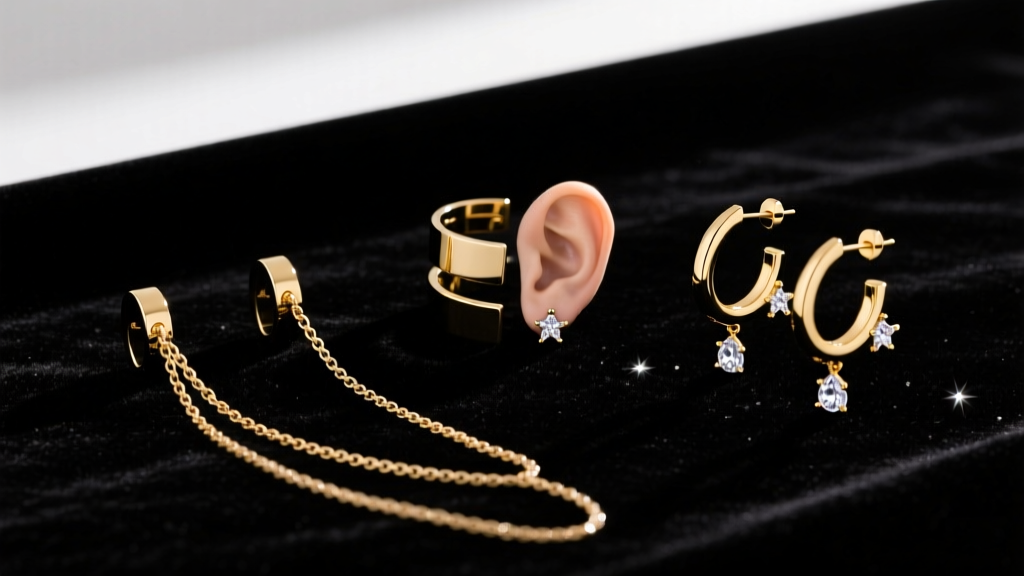
- The Anchor Point: Start with a substantial 16G or 18G huggie in your primary lobe piercing. This serves as the visual anchor and must be secure enough to support additional weight.
- The Bridge: Utilize an ear chain or a rigid connector piece that links the primary lobe huggie to a secondary upper lobe or helix piercing. Ensure the chain has at least 8mm of slack to accommodate the natural movement of the ear; rigid connectors require exact millimeter measurements taken by a professional piercer.
- The Illusion (Ear Cuffs): For the flat or conch area, use tension-fit ear cuffs that match the metal and gemstone profile of your pierced pieces. Modern cuffs feature adjustable silicone-lined grips that prevent slipping without requiring a piercing.
- The Drop: Finish the look by snapping a detachable gemstone drop onto the bottom of your primary lobe huggie. This instantly transitions the look from minimalist daytime to high-impact evening wear.
Price Breakdown: Investment vs. Fast Fashion
Understanding the pricing structure of modular jewelry is crucial for making informed purchases. Because of the intricate engineering required for hinges and detachable mechanisms, high-quality trend earrings command a premium over static studs.
Tier 1: PVD-Coated Titanium ($45 - $95)
These pieces use a base of ASTM F136 titanium that is coated with Physical Vapor Deposition (PVD) to achieve a gold or rose gold color. PVD is incredibly durable and hypoallergenic, making it the best entry-level option for convertible jewelry. Brands like King Ice and various independent Etsy artisans dominate this space.
Tier 2: Solid 14k Gold ($250 - $600)
For lifelong investment pieces, solid 14k gold is the standard. As noted by the Gemological Institute of America (GIA), 14k gold offers the perfect balance of purity and structural hardness, which is vital for maintaining the tension in threadless pins and the integrity of micro-hinges. Brands like Maria Tash and BVLA are the industry leaders in this tier, offering interchangeable ends that can cost between $120 and $400 individually.
Tier 3: High-Jewelry Modular ($1,500+)
At the apex of the market, designers are integrating pavé diamonds and precious gemstones into convertible mechanisms. These pieces require master-level setting techniques to ensure stones do not loosen when the jewelry is manipulated.
"The biggest mistake I see with modular jewelry is clients forcing a 20-gauge pin into a 16-gauge fistula. Not only does it cause the heavy piece to droop, but the constant movement creates micro-tears in the healing tissue. Always match your modular components to your exact piercing gauge." — Sarah Jenkins, APP-Certified Master Piercer
Maintenance and Care for Moving Parts
Modular trend earrings require a specific maintenance regimen that differs from standard studs. The presence of hinges, clasps, and tension joints means that debris, dead skin cells, and soap residue can easily become trapped, leading to mechanical failure or localized irritation.
What to Avoid: Never place hinged or modular jewelry in an ultrasonic cleaner. The high-frequency vibrations can loosen the micro-screws in internally threaded ends and weaken the tension pins in threadless jewelry. Furthermore, harsh chemical dips (like silver polish) will strip the PVD coating off titanium pieces.
The Correct Cleaning Protocol: Once a week, soak your modular pieces in a bowl of warm water mixed with a few drops of mild, fragrance-free castile soap. Use a soft-bristled baby toothbrush to gently agitate the areas around the hinges and clasp joints. Rinse thoroughly with distilled water and pat dry with a lint-free microfiber cloth. To keep micro-hinges operating smoothly, apply a microscopic drop of pure jojoba oil to the joint using a toothpick; this acts as a biocompatible lubricant that prevents squeaking and stiffness.
Final Verdict on the Modular Ear Movement
The dominance of modular and convertible trend earrings in 2026 represents a maturation of the jewelry market. Consumers are no longer satisfied with single-use accessories; they demand engineering, biocompatibility, and stylistic freedom. By investing in properly gauged, high-quality materials like implant-grade titanium and solid 14k gold, and by adhering to proper maintenance protocols, you can build a dynamic ear curate that evolves with your personal style. The future of ear styling is not about how many piercings you have, but how intelligently you can adapt the jewelry you wear.


