Montana Sapphire Earrings: Expert Cleaning & Care Guide
Discover expert tips to clean, maintain, and protect your Montana sapphire earrings. Learn safe methods, ultrasonic risks, and setting care.

The Unique Gemological Profile of Montana Sapphires
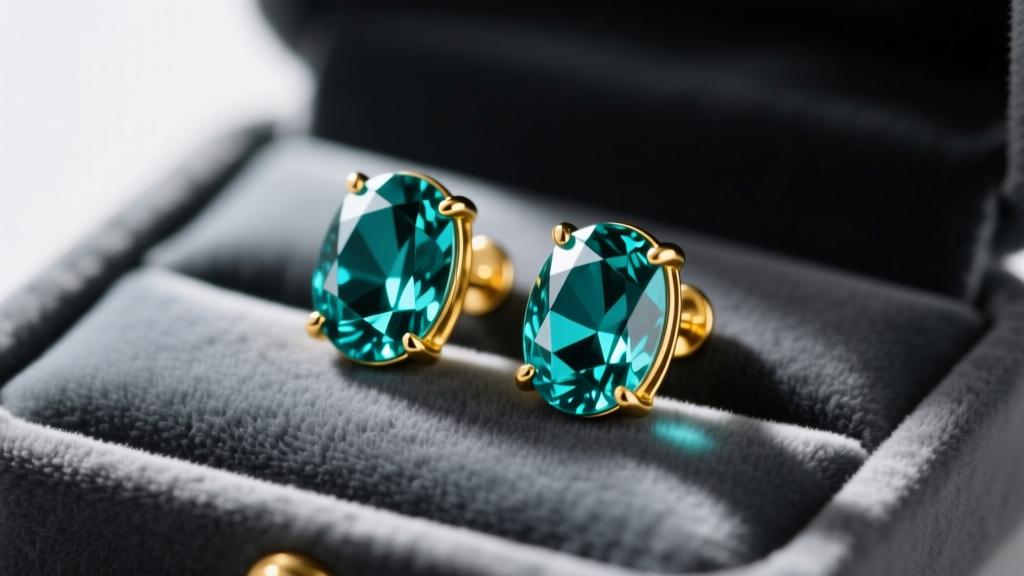
Montana sapphire earrings are celebrated for their ethical sourcing, traceable origins, and distinct pastel color palette—ranging from cornflower blue to vibrant teal and mossy green. However, caring for these specific gemstones requires an understanding of their unique geological formation. Unlike many imported sapphires that undergo heavy beryllium diffusion or fracture filling, Montana sapphires are largely natural or traditionally heat-treated. Sapphires from the legendary Yogo Gulch are typically completely untreated, boasting exceptional clarity straight from the earth. Conversely, alluvial stones from Rock Creek or the Eldorado Bar are often heat-treated to enhance their color and clarity.
On the Mohs scale of mineral hardness, corundum (sapphire) ranks at a 9, making it highly resistant to scratching. Only diamonds and moissanite can scratch a sapphire. However, hardness is not the same as toughness. Sapphires possess indistinct cleavage but can exhibit parting along twinning planes. A sharp, accidental impact against a hard surface like a granite countertop or a ceramic sink can chip the girdle or cause internal fracturing, especially in step-cut or pear-shaped stones with vulnerable points. Understanding this distinction is the first step in preserving the structural integrity of your earrings.
Daily Environmental Hazards to Avoid
Because earrings sit close to the face and hair, they are constantly exposed to a barrage of cosmetic and environmental pollutants. To maintain the optical brilliance of your Montana sapphire earrings, you must actively mitigate exposure to the following hazards:
- Aerosol Hairsprays and Dry Shampoos: These products leave a microscopic, opaque film over the gemstone's table and pavilion facets, drastically reducing light return and making the stone look cloudy.
- Chlorine and Bromine: While the sapphire itself is impervious to pool chemicals, the alloy metals in your settings (especially 14k and 18k gold, which contain copper and silver) can suffer from stress corrosion cracking when exposed to halogens.
- Heavy Lotions and Sunscreens: The emollients in modern skincare products attract dust and dead skin cells, creating a hardened layer of grime beneath the stone's culet (the bottom point), which blocks light from entering the pavilion.
As a general rule of thumb for 2026 jewelry wearers: your Montana sapphire earrings should be the last thing you put on when getting ready, and the first thing you take off when you get home.
The Safe Soak and Scrub Method
For routine maintenance, professional jewelers recommend a gentle, manual cleaning approach. Avoid commercial 'jewelry dips' that contain harsh acids or thiourea, as these can degrade the polish on certain metal alloys and damage secondary accent stones like pearls or opals if your earrings feature mixed-media designs.
Step-by-Step Cleaning Protocol
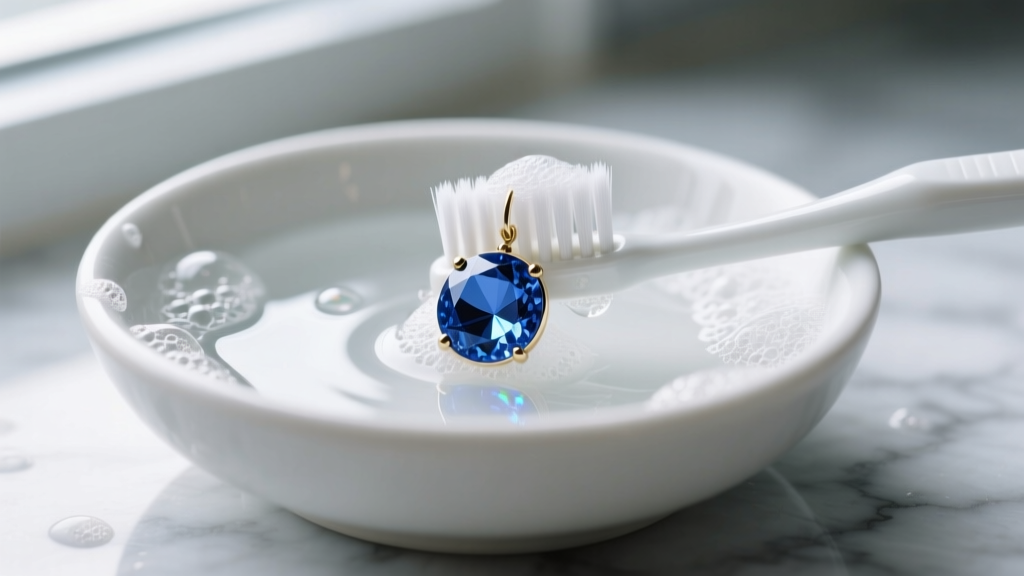
- Prepare the Solution: Fill a small ceramic or glass bowl with warm distilled water. Tap water contains dissolved minerals and calcium that can leave hard water spots on the facets. Add three drops of a mild, phosphate-free, pH-neutral dish soap (such as original Dawn).
- The Soak: Submerge your earrings in the solution for 15 to 20 minutes. This allows the surfactants in the soap to break down the molecular bonds of oils and cosmetic residue trapped in the setting.
- Gentle Agitation: Using a brand-new, ultra-soft baby toothbrush, gently brush the stone. Pay special attention to the underside of the sapphire (the pavilion) and the gallery wire beneath the stone, where sebum and dead skin accumulate.
- The Rinse: Rinse the earrings under a gentle stream of lukewarm distilled water. Ensure the sink drain is securely plugged or use a mesh strainer to prevent catastrophic loss.
- Drying: Pat dry with a lint-free microfiber cloth. Avoid paper towels or tissue paper, as the wood pulp fibers can micro-scratch the polished metal setting and leave behind stubborn lint in the prongs.
The Ultrasonic and Steam Cleaner Debate
Many jewelry owners rely on at-home ultrasonic cleaners for convenience. While untreated Yogo sapphires are generally safe in an ultrasonic bath, heat-treated Montana sapphires with surface-reaching inclusions or internal tension fractures are at severe risk. The high-frequency acoustic cavitation bubbles generated by ultrasonic machines can cause internal fractures to expand, potentially shattering the stone or causing it to lose its color stability.
Similarly, steam cleaners introduce sudden thermal shock. If a sapphire has internal liquid inclusions (common in alluvial Montana stones), the rapid expansion of steam can cause the gemstone to crack from the inside out. According to the Gemological Institute of America (GIA), while corundum is durable, the presence of fractures or specific treatments dictates a conservative approach to mechanical cleaning.
Cleaning Method Comparison Matrix
| Cleaning Method | Safety Level | Best Use Case | Risk Factors |
|---|---|---|---|
| Warm Soapy Soak | Very High | Routine weekly cleaning for all settings | None, if using soft brush |
| Ultrasonic Cleaner | Moderate | Only for flawless, untreated stones in secure bezels | Shattering included stones, loosening pave |
| Steam Cleaning | Low | Professional use only on verified stones | Thermal shock, inclusion expansion |
| Commercial Dips | Low | Not recommended for daily wear jewelry | Chemical damage to alloys and accent stones |
Metal and Setting Maintenance
The longevity of your Montana sapphire earrings relies just as heavily on the metal setting as it does on the gemstone itself. Prong settings, while excellent for maximizing light exposure, are highly susceptible to mechanical wear. Over time, the friction from hair, clothing, and sleeping can wear down the metal tips holding the sapphire in place.
If your earrings are set in 14k or 18k white gold, they are likely plated with rhodium to achieve a bright, silvery-white finish. Rhodium plating typically lasts between 12 to 24 months depending on the wearer's skin chemistry and friction. When the plating wears thin, the underlying yellowish-white alloy will show through. This is not a defect, but a natural maintenance cycle. The Jewelers of America recommends having a professional jeweler inspect your prongs with a 10x loupe every six months and re-tipping them as necessary to prevent stone loss.
For active lifestyles, consider upgrading to a bezel setting or a half-bezel design. A bezel encircles the sapphire's girdle with a solid rim of metal, offering superior protection against lateral impacts and eliminating the risk of snagging prongs on knitwear.
Long-Term Storage Protocols
Proper storage is the final pillar of earring maintenance. Because sapphires are a 9 on the Mohs scale, they are harder than most other gemstones in your collection. If you toss your Montana sapphire earrings into a communal jewelry box alongside emeralds, opals, or pearls, the sapphires will act as an abrasive, permanently scratching the softer stones.
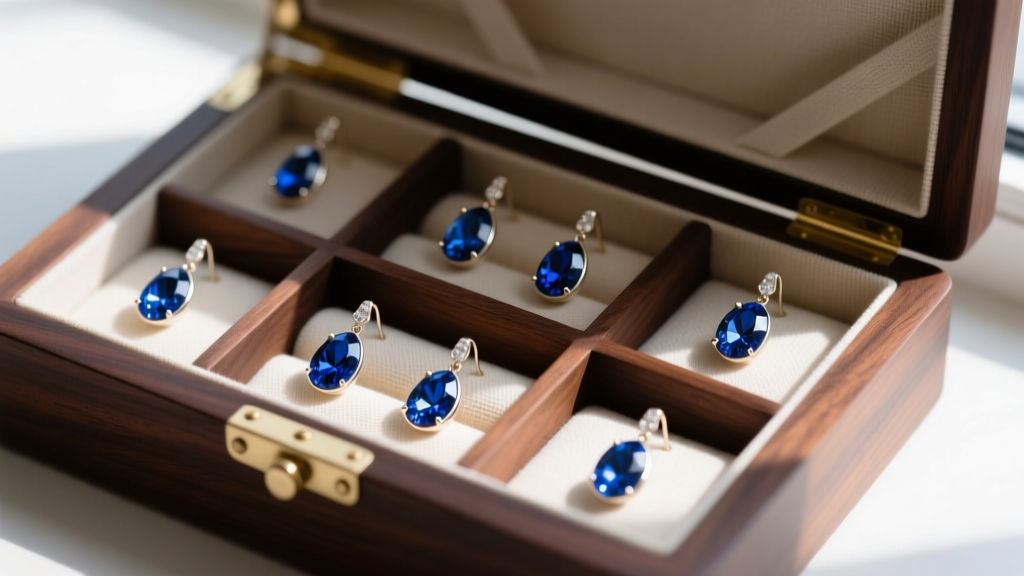
Expert Archival Tip: For heirloom-quality Montana sapphire earrings, especially those accompanied by blockchain-traced origin certificates, store them in individual, anti-tarnish flannel pouches or a lined wooden box with dedicated compartments. Include a small packet of silica gel or 3M anti-tarnish strips in the storage drawer to absorb ambient sulfur compounds that cause silver and low-karat gold alloys to oxidize and blacken over time.
By adhering to these specialized care protocols, you ensure that the unique teal and cornflower hues of your Montana sapphires remain as vibrant and ethically resplendent as the day they were mined from the Treasure State.


