Earring Hole Bleeding: 5 Common Causes and Quick Fixes
Discover why your earring hole is bleeding. Learn about gauge mismatches, nickel allergies, and how to safely heal your ear piercings with expert tips.

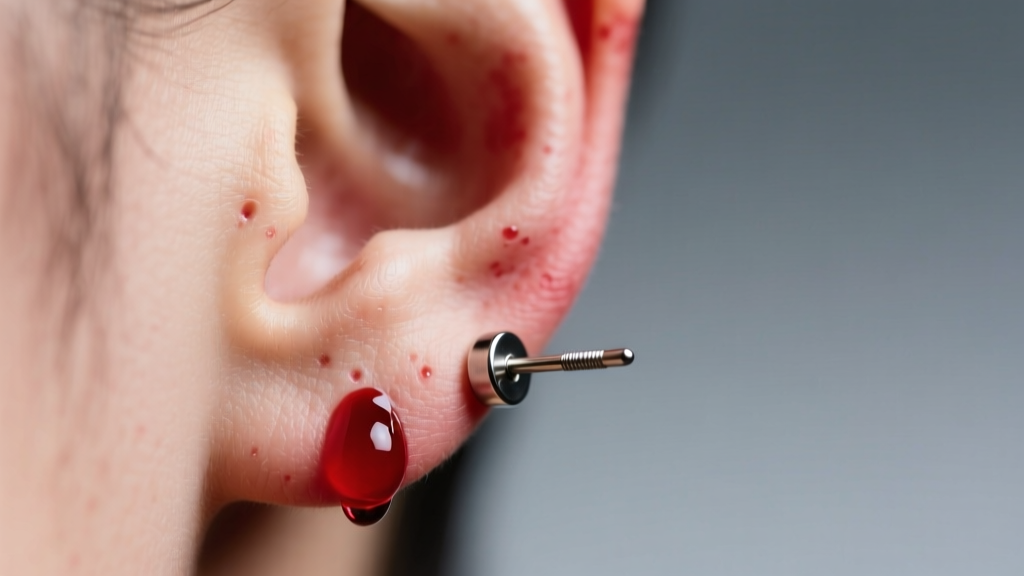
The Anatomy of a Bleeding Piercing: What is Actually Happening?
Experiencing earring hole bleeding can be alarming, especially if you believed your piercings were fully healed. To understand why this happens, you must first understand the anatomy of a piercing. A healed piercing is not simply a hole in the skin; it is a fistula—a tube of scar tissue that the body forms around the jewelry. While this tissue is resilient, it is not invincible. The inner lining of the fistula is delicate, highly vascularized, and susceptible to micro-traumas, allergic reactions, and bacterial imbalances.
When you notice blood on your earring post or crusting around the entry point, it indicates that the epithelial lining of the fistula has been compromised. This guide breaks down the exact mechanical and biological reasons behind earring hole bleeding and provides actionable, professional-grade solutions to stop it.
5 Common Reasons Your Earring Hole Is Bleeding
1. Gauge Mismatch and Micro-Tears
The most frequent cause of sudden bleeding in healed lobes is forcing a thicker earring post into a smaller fistula. Standard earlobe piercings are typically done at 20-gauge (0.81mm) or 18-gauge (1.02mm). Cartilage piercings are usually 16-gauge (1.29mm) or 14-gauge (1.63mm). If you attempt to push a 16-gauge earring into an 18-gauge lobe hole, you are forcing a 26% increase in diameter through a rigid tube of scar tissue. This causes immediate micro-tearing along the fistula wall, resulting in sharp pain and localized bleeding.
2. Nickel Allergy and Contact Dermatitis
Not all bleeding is purely mechanical; much of it is immunological. According to the Mayo Clinic, nickel allergy affects roughly 20% of the population. When nickel ions leach from cheap "surgical steel" or fashion jewelry, they bind to skin proteins in the fistula. Your immune system identifies this complex as a threat, triggering a localized T-cell response. This manifests as contact dermatitis: the tissue becomes inflamed, weeps clear lymph fluid, and eventually cracks and bleeds. Beginners often mistake this weeping and crusting for an infection, when it is actually an allergic rejection.
3. Butterfly Backs Causing Pressure Necrosis
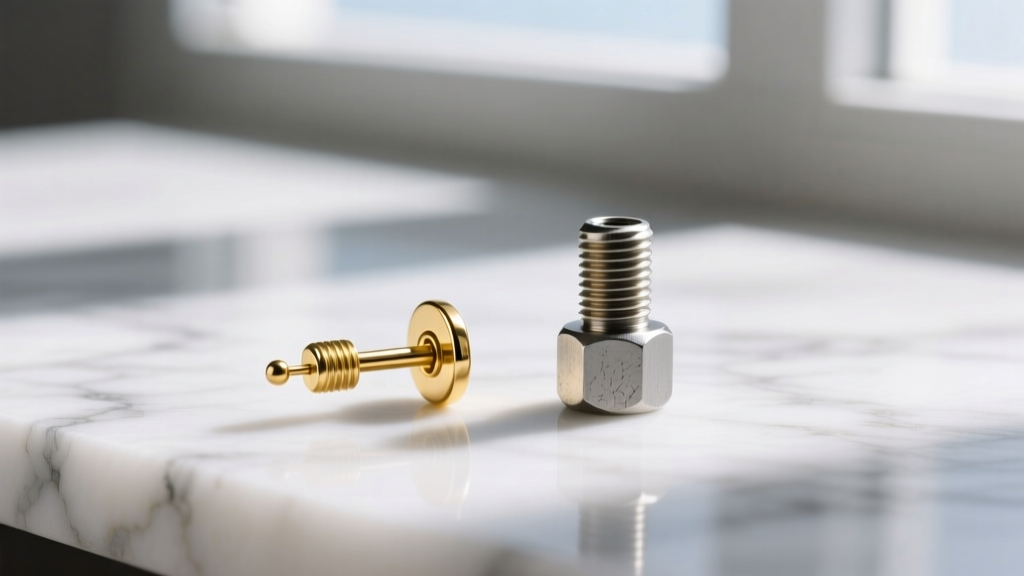
Traditional friction backs (butterfly backs) are notorious for causing issues. When worn while sleeping, the small metal backing can be pressed deeply into the back of the earlobe. This cuts off localized blood circulation, leading to pressure necrosis (tissue death). As the tissue breaks down, the earring post essentially cuts through the back of the fistula, causing bleeding, swelling, and a high risk of embedding.
4. Heavy Earrings and Lobe Migration
Wearing heavy statement dangles or large hoops for extended periods places continuous downward tension on the fistula. Over time, this gravity-induced stress causes the piercing channel to stretch and migrate downward. The thinning tissue at the bottom of the lobe can easily split or tear under sudden movements (like brushing your hair or taking off a sweater), leading to a split lobe that bleeds profusely.
5. Trapped Bacteria and Localized Infection
If the bleeding is accompanied by throbbing heat, swelling, and thick yellow or green discharge, you are likely dealing with a bacterial infection, often caused by Staphylococcus aureus or Pseudomonas. This occurs when dead skin cells, sebum, and hair products build up inside the fistula, creating an anaerobic environment where bacteria thrive. The resulting inflammation weakens the tissue walls, causing them to bleed when the jewelry is rotated.
Material Guide: What to Wear When Healing
If your earring hole is bleeding due to an allergic reaction or irritation, the very first step is to evaluate your jewelry material. The Association of Professional Piercers (APP) strictly recommends specific biocompatible metals for compromised or healing tissue. Avoid sterling silver (which contains copper and tarnishes, causing argyria) and standard surgical steel (which contains up to 12% nickel).
| Material | Nickel Content | Biocompatibility | Average Price Range |
|---|---|---|---|
| Implant-Grade Titanium (ASTM F136) | 0% | Excellent (Hypoallergenic) | $30 - $85 |
| Niobium | 0% | Excellent (Highly inert) | $40 - $90 |
| 14k / 18k Solid Gold | 0% (if properly alloyed) | Very Good (Avoid white gold) | $100 - $300+ |
| Surgical Steel (316L / 316LVM) | 8% - 12% | Poor (High allergy risk) | $10 - $30 |
| Sterling Silver (925) | 0% (Contains Copper) | Poor (Tarnishes in fistula) | $15 - $50 |
Step-by-Step Triage: How to Stop the Bleeding
When you notice active bleeding or severe irritation, follow this clinical triage protocol to stabilize the fistula and promote rapid healing.
- Step 1: Do Not Remove the Jewelry. If you suspect an infection, removing the earring allows the entry and exit holes to close, trapping the bacteria inside and potentially forming an abscess. Leave the jewelry in place to allow for drainage.
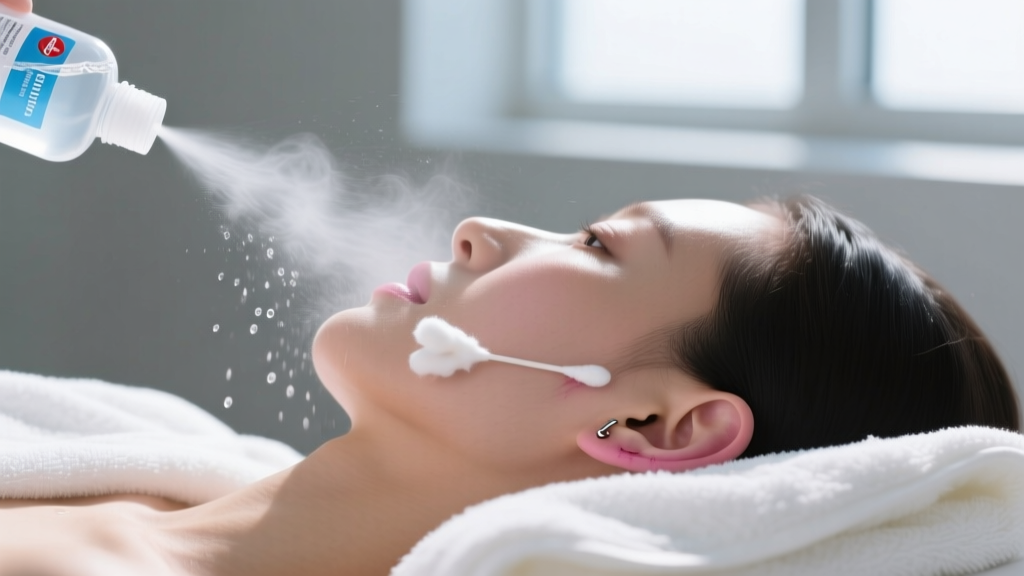
- Step 2: Cleanse with Sterile Saline. Spray a sterile 0.9% sodium chloride wound wash (with no additives or preservatives) directly onto the area. Gently wipe away dried blood or crusties using a non-woven gauze pad. Avoid cotton balls, as the micro-fibers can wrap around the post and irritate the fistula.
- Step 3: Apply a Cold Compress. If the lobe is swollen and throbbing, wrap an ice pack in a clean paper towel and hold it against the ear for 5-10 minutes. This constricts the blood vessels, reducing both bleeding and inflammation.
- Step 4: Switch to a Flat-Back Labret. Once the bleeding stops, replace your standard earring with an internally threaded or threadless flat-back labret made of ASTM F136 titanium. The flat disc rests flush against the back of the ear, eliminating pressure points and allowing the tissue to breathe.
- Step 5: Avoid Harsh Chemicals. Never apply rubbing alcohol, hydrogen peroxide, tea tree oil, or antibiotic ointments to a bleeding fistula. These substances destroy newly formed epithelial cells and delay healing. Stick exclusively to sterile saline.
When to See a Doctor vs. a Professional Piercer
Beginners often struggle to differentiate between normal irritation and a medical emergency. Knowing who to consult can save your piercing and your health.
Expert Rule of Thumb: Piercers handle mechanical issues and localized irritation; doctors handle systemic infections and severe allergic reactions.
Consult a Professional Piercer If:
- The bleeding is caused by a known gauge mismatch or angle issue.
- You need to be upsized or downsized to accommodate swelling.
- The jewelry is embedding due to a too-tight backing.
- You are experiencing localized clear lymph fluid (normal healing secretion).
Consult a Medical Doctor If:
- You develop a fever, chills, or body aches (signs of systemic infection).
- The redness is spreading rapidly outward from the earlobe down your neck.
- The piercing is emitting a foul-smelling, thick green or dark yellow pus.
- The earlobe feels hot to the touch and is swelling to more than double its normal size.
Frequently Asked Questions
Can I put Vaseline on a bleeding earring hole?
No. Petroleum jelly creates an occlusive barrier that traps moisture and bacteria inside the fistula. This anaerobic environment encourages bacterial overgrowth and prevents oxygen from reaching the healing tissue, which can worsen the bleeding and lead to infection.
Why does my earring hole bleed when I sleep?
Sleeping on your side puts continuous pressure on the earlobe, especially if you are wearing earrings with butterfly backs or large gemstone settings. This pressure causes friction and micro-tears in the fistula. Switch to a travel neck pillow (sleeping with your ear in the center hole) or remove your earrings before bed to prevent nocturnal bleeding.
How long does it take for a bleeding fistula to heal?
If the bleeding is caused by a simple micro-tear from a gauge mismatch, switching to properly sized implant-grade titanium jewelry and using sterile saline twice daily will typically resolve the issue in 7 to 14 days. If the cause is a severe nickel allergy, symptoms should subside within 48 to 72 hours of removing the offending metal.


