Rose Gold Ball Earrings: The Ultimate 2026 Buying Guide
Discover what to look for when buying rose gold ball earrings in 2026. Expert tips on karats, gauge sizes, mm dimensions, and safe alloys.

The Enduring Appeal of Rose Gold Ball Earrings
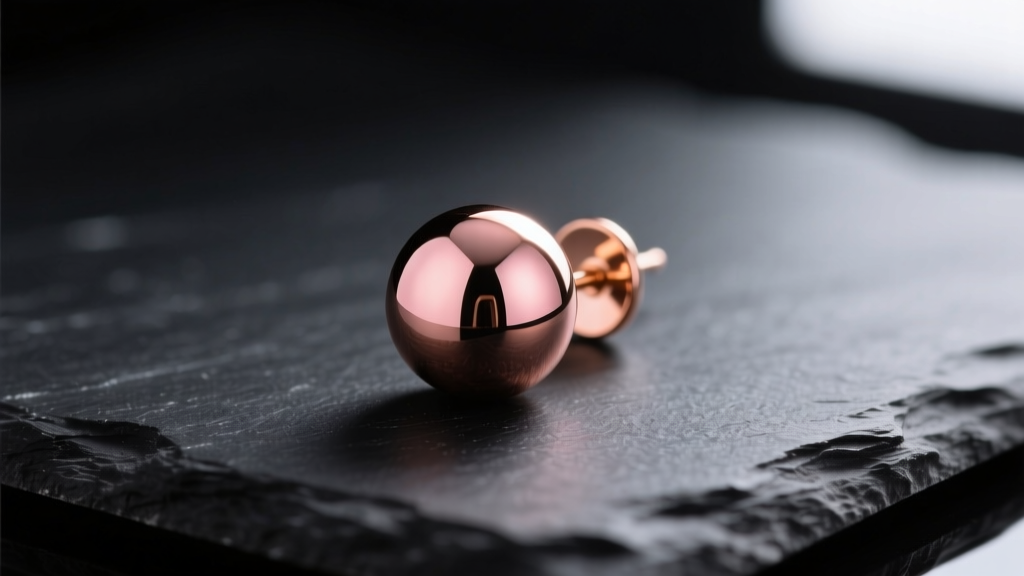
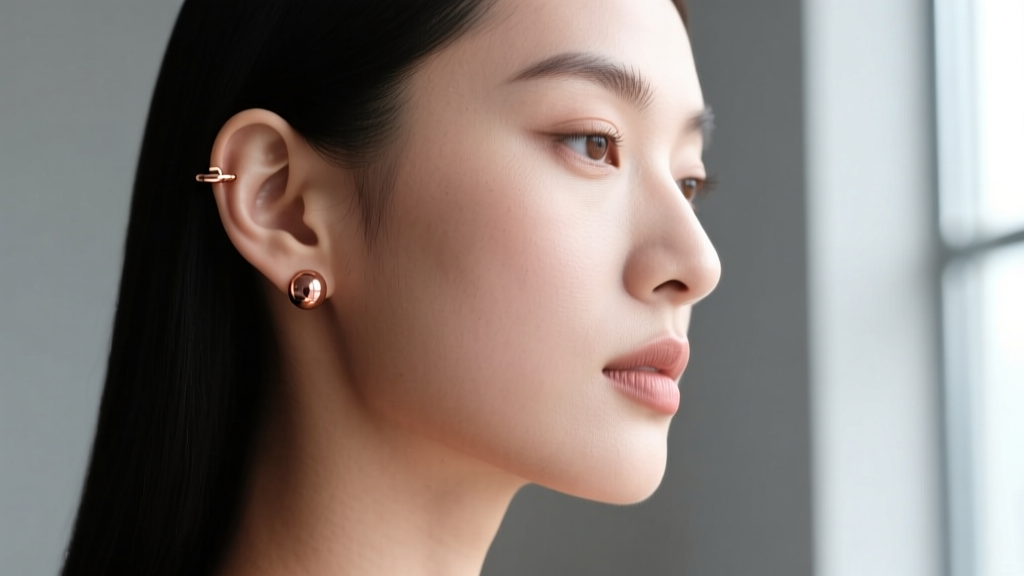
Rose gold ball earrings remain a cornerstone of modern jewelry curation, bridging the gap between minimalist everyday wear and high-end body modification. Unlike yellow or white gold, the warm, copper-infused hue of rose gold flatters a vast spectrum of skin undertones, making it a universal favorite for lobe stacks, helix piercings, and tragus placements. However, the market is flooded with misleading terminology, substandard plating, and improper gauge sizing that can lead to allergic reactions or piercing migration. Whether you are shopping for a delicate 2mm micro-stud or a bold 6mm statement piece, understanding the metallurgy, post mechanics, and precise sizing of rose gold ball earrings is critical for making a safe, lasting investment in 2026.
The Metallurgy of Rose Gold: 14k vs. 18k Alloys
Pure gold (24k) is naturally yellow and too soft for daily wear jewelry. To create rose gold and ensure structural integrity, gold is alloyed with copper and silver. The specific ratio of these metals dictates both the color depth and the durability of the earring. According to the Gemological Institute of America (GIA), the karat weight directly impacts the copper content, which is the primary driver of the pinkish-red hue.
- 18k Rose Gold (75% Gold): Typically composed of 75% pure gold, 22.25% copper, and 2.75% silver. This alloy yields a softer, peachier pink tone. Because of its higher pure gold content, 18k rose gold is highly hypoallergenic and ideal for sensitive ears or fresh piercings, though it is slightly more prone to scratching due to its softness.
- 14k Rose Gold (58.3% Gold): Composed of 58.3% pure gold, with the remainder being a mix of copper (often around 31%) and silver or zinc. The higher copper content gives 14k rose gold a deeper, more pronounced reddish-pink color. It is significantly more durable and scratch-resistant than 18k, making it the industry standard for high-end body jewelry brands like BVLA and Anatometal.
Expert Insight: Always verify the exact alloy breakdown if you have a known copper sensitivity. While true rose gold alloys do not contain nickel, some cheap commercial manufacturers mix copper with nickel or zinc to cut costs, which can trigger severe contact dermatitis.
Millimeter Sizing Matrix for Different Piercings
The visual impact of a ball earring changes drastically depending on the anatomy of the piercing and the millimeter (mm) diameter of the sphere. A 4mm ball might look perfectly proportionate on a standard earlobe but overwhelmingly large on a delicate tragus. Use the following sizing matrix to select the correct diameter for your specific placement.
| Ball Diameter (mm) | Ideal Piercing Placements | Visual Impact & Use Case |
|---|---|---|
| 2.0mm - 2.5mm | Tragus, Rook, Daith, Second/Third Lobe | Micro-stud; subtle, minimalist sparkle. Perfect for tight anatomical spaces where larger jewelry would cause pressure. |
| 3.0mm - 4.0mm | Primary Lobe, Helix, Forward Helix | Standard delicate size; the most versatile option for everyday wear and curated ear stacks. |
| 5.0mm - 6.0mm | Standard Lobe, Industrial, Conch | Solitaire statement; commands attention without needing additional gemstones or intricate designs. |
| 8.0mm+ | Primary Lobe (Stretched or Standard) | Bold, vintage-inspired; acts as a focal point for minimalist ear curation. |
Post Mechanics and Gauge Standards
The ball itself is only half of the equation; the post mechanism determines the safety, comfort, and longevity of your rose gold ball earrings. The Association of Professional Piercers (APP) strongly advises against traditional friction backs (butterfly clasps) for anything other than temporary, casual wear. Friction backs feature deep grooves that trap dead skin cells, sebum, and bacteria, leading to odor and localized infections, particularly in cartilage piercings.
Understanding Gauge Thickness
Gauge refers to the thickness of the post. Wearing the wrong gauge can cause the "cheese-cutter effect," where a post that is too thin slowly migrates through the tissue.
- 20g (0.81mm) & 18g (1.02mm): Standard for traditional lobe piercings done with a needle or gun. Most fashion jewelry brands default to 18g for lobe-specific studs.
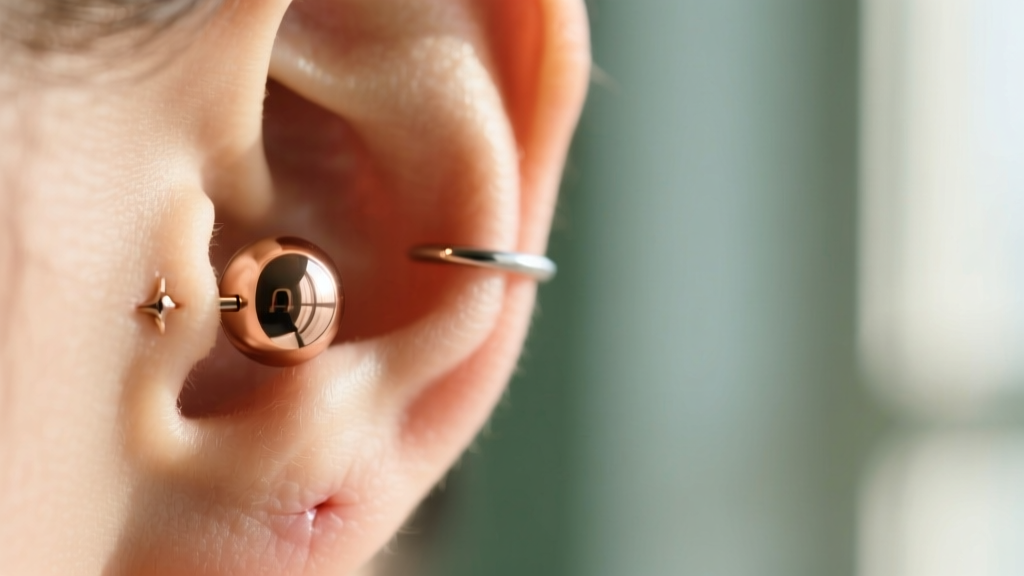
- 16g (1.29mm): The universal standard for cartilage piercings (helix, conch, tragus, flat). If you are buying rose gold ball earrings for a cartilage placement, 16g is almost always the required thickness to ensure tissue stability.
- 14g (1.60mm): Often used for industrial bars or stretched lobe piercings.
Threadless vs. Internally Threaded
For high-end, solid gold body jewelry, you will encounter two primary secure-fit mechanisms:
- Internally Threaded: The screw mechanism is located on the inside of the ball end, while the post is completely smooth. This ensures no sharp threads pass through the delicate fistula (piercing channel) during insertion.
- Threadless (Push-Pin): The ball end features a slightly bent pin that inserts into the hollow post. The tension created by the bend holds the jewelry securely in place. Threadless jewelry is widely considered the gold standard in 2026 for its ease of use and secure fit, especially for hard-to-reach cartilage placements.
Red Flags: Plating, Flashing, and Nickel Risks
When shopping for rose gold ball earrings, terminology matters. Many budget-friendly options are marketed as "rose gold," but are actually base metals with a microscopic layer of rose-colored plating. Here is how to decode the market and avoid adverse reactions:
- Rose Gold Plated (Base Metal): Usually brass or copper plated with a thin layer of rose gold. Once the plating wears off, the base metal is exposed to moisture and skin acids, leading to rapid tarnishing and potential allergic reactions. Avoid these for cartilage or unhealed piercings.
- Gold Vermeil: A step up from standard plating, vermeil requires a base of solid sterling silver plated with at least 2.5 microns of gold. While safer than brass, the sterling silver base can still oxidize and tarnish over time if the plating is compromised.
- Solid Gold (The Only Safe Bet): For lifelong wear, especially in cartilage or fresh piercings, solid 14k or 18k rose gold is non-negotiable. It will not tarnish, flake, or expose underlying reactive metals.
2026 Pricing Tiers and Value Assessment
The cost of rose gold ball earrings varies wildly based on the manufacturing method, gold weight, and brand prestige. Understanding these tiers will help you identify fair market value and avoid overpaying for plated imitations.
- Tier 1: Plated & Fashion ($15 - $45) Mass-produced, friction-back earrings. Acceptable for occasional lobe wear, but poor long-term value due to inevitable tarnishing.
- Tier 2: Vermeil & Demi-Fine ($50 - $90) Brands like Mejuri or Catbird often offer entry-level solid gold or heavy vermeil options. Good for standard lobe wearers on a budget.
- Tier 3: Solid 14k/18k Body Jewelry ($100 - $250+) Specialized body jewelry brands (e.g., Maria Tash, BVLA, Anatometal). You are paying for implant-grade finishing, threadless or internally threaded mechanics, and precise millimeter sizing. This is the recommended tier for cartilage and curated stacks.
- Tier 4: Bespoke & Designer ($300 - $800+) High-jewelry houses offering rose gold ball earrings integrated with diamond pavé or proprietary alloy blends.
Care and Maintenance for Copper-Rich Alloys
While solid rose gold will not rust or degrade, the high copper content can attract oils, lotions, and environmental dust, leading to a dull, matte appearance over time. To maintain the brilliant copper-pink luster of your earrings, clean them bi-weekly using a solution of warm water and a few drops of mild, fragrance-free dish soap. Soak the earrings for five minutes, gently agitate with a soft-bristled baby toothbrush, and dry completely with a microfiber cloth. Never use harsh chemical dips, ultrasonic cleaners with abrasive solutions, or alcohol-based cleansers, as these can degrade the polished finish and weaken the structural integrity of threadless tension pins.


