What Gauge Is a Normal Lobe Earring? The Complete Sizing Guide
Discover what gauge is a normal lobe earring. Learn standard sizes, material grades, and how to measure your piercings for the perfect fit.

The Counter-Intuitive World of Wire Gauges
If you are new to body jewelry, the gauge system can feel like a riddle designed to confuse you. Unlike standard measurements where a larger number means a larger size, the wire gauge system works in reverse. The higher the gauge number, the thinner the metal. This system originates from the Birmingham Wire Gauge (BWG) standard, historically used in the 19th century to measure the thickness of steel wire during the drawing process. Today, it remains the global standard for body jewelry, including earlobe piercings. Understanding this inverse relationship is the first step in answering a seemingly simple question: what gauge is a normal lobe earring? The answer is not a single number, but rather a spectrum that depends entirely on how your ears were pierced, your anatomy, and the type of jewelry you intend to wear.
So, What Gauge Is a Normal Lobe Earring?
When we talk about a "normal" lobe earring, we are usually referring to standard commercial jewelry found in mall kiosks or department stores. However, professional piercers have a different definition of "normal" based on tissue health and long-term stability. Here is the breakdown of the three most common lobe gauges:
- 20 Gauge (0.81mm): This is the standard size for most commercial, mass-produced earrings, especially those sold in multi-packs. It is also the typical size left behind by traditional spring-loaded piercing guns. While fine for lightweight studs, 20G is generally considered too thin for long-term lobe health.
- 18 Gauge (1.02mm): A very common middle-ground size. Many high-end jewelry brands and boutique retailers use 18G for their standard lobe studs and small hoops. It offers slightly more structural integrity than 20G.
- 16 Gauge (1.29mm) and 14 Gauge (1.63mm): According to the Association of Professional Piercers (APP), 16G and 14G are the true "normal" standards for professional needle piercings. These thicker gauges provide superior support for the earlobe tissue, reducing the risk of migration, tearing, and the dreaded "cheese-cutter effect."
Gauge to Millimeter Conversion Chart
| Gauge (G) | Millimeter (mm) | Inch (Fraction) | Common Lobe Application |
|---|---|---|---|
| 20G | 0.81mm | ~1/32" | Commercial fashion earrings, gun piercings |
| 18G | 1.02mm | ~3/64" | Boutique studs, delicate huggies |
| 16G | 1.29mm | ~3/64" | Professional standard, heavy dangles |
| 14G | 1.63mm | ~1/16" | Maximum tissue support, statement pieces |
The "Cheese-Cutter Effect" and Tissue Health
Why do professional piercers strongly advise against wearing 20G earrings in healed lobes, especially if the jewelry is heavy? The answer lies in physics and tissue biology. When a thin wire (like 20G or 18G) supports a heavy dangle or a large hoop, the weight is distributed across a microscopic surface area. Over time, gravity and the weight of the jewelry pull the thin wire downward, slowly slicing through the earlobe tissue much like a wire cheese cutter slices through a block of cheddar.
This phenomenon, known in the body modification community as the "cheese-cutter effect," can lead to permanent elongation of the piercing channel, thinning of the lower lobe margin, and eventual tearing. If you plan to wear heavy gemstone drops, large diameter hoops, or multiple charms, upgrading to a 16G or 14G earring post is a non-negotiable requirement for preserving your anatomy. Thicker posts distribute the weight over a wider surface area, eliminating the downward cutting pressure.
Gun vs. Needle: Why Your Lobe Gauge Varies
The reason there is no single answer to "what gauge is a normal lobe earring" is largely due to the tool used to create the hole. Piercing guns utilize immense blunt force trauma to push a sharpened 20G or 18G stud through the tissue. Because the stud itself acts as the piercing instrument, the resulting hole is exactly the size of that thin post. Furthermore, the butterfly backings used on these studs trap bacteria and apply uneven pressure to the healing wound.
Conversely, a professional piercer uses a hollow, beveled medical needle. A 16G needle removes a microscopic crescent of tissue, creating a clean channel that perfectly accommodates a 16G or 14G piece of high-quality body jewelry. If you were pierced with a gun years ago and now want to wear professional-grade, 16G threadless jewelry from brands like BVLA or Anatometal, you will need to have your lobes gradually stretched or re-pierced by a professional. Forcing a 16G post into an 18G gun-pierced hole will cause micro-tears, inflammation, and potential blowouts.
How to Accurately Measure Your Current Lobe Piercing
If you are unsure of your current lobe gauge, guessing can lead to painful insertion attempts and damaged jewelry. Here is how to measure accurately:
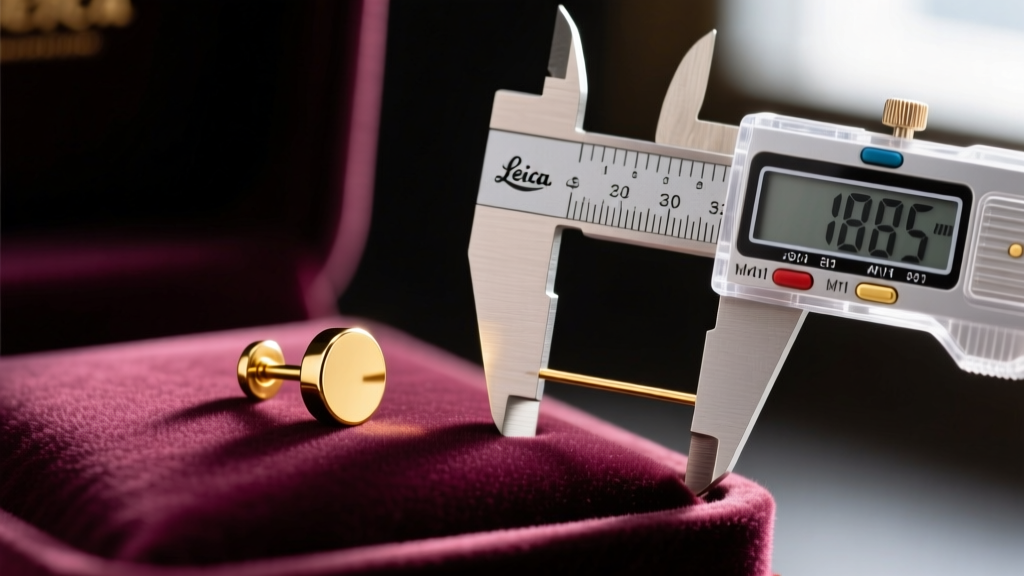
- Use a Digital Caliper: Do not use a standard ruler. Purchase a cheap digital caliper from a hardware store. Measure the thickness of the post (the part that goes through the ear), not the decorative front or the backing.
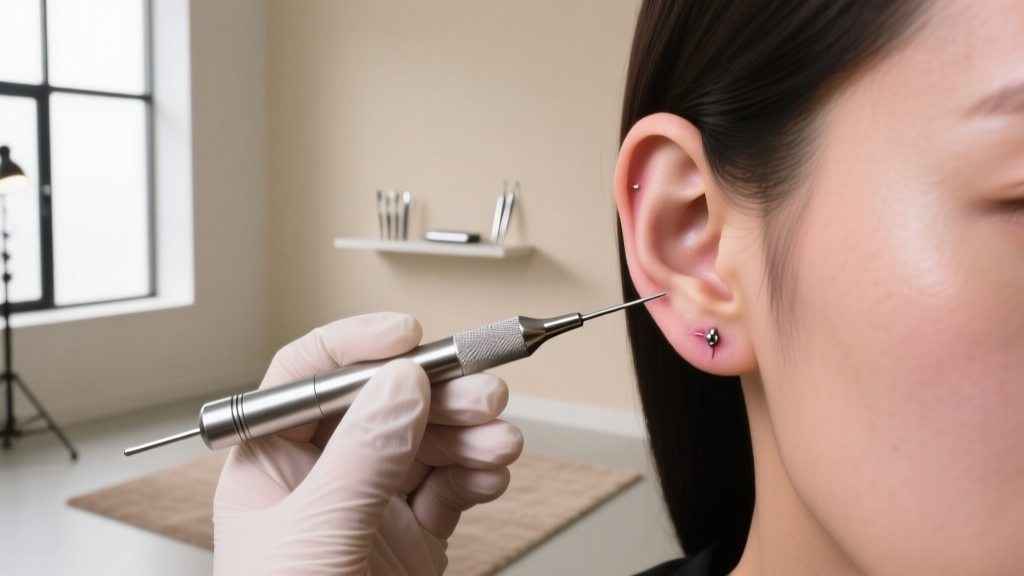
- Use a Piercing Taper: Professional piercers use stepped steel tapers marked with laser-etched gauge lines. You can buy a basic acrylic or steel taper online. Gently slide the taper into your clean, healed piercing until it stops comfortably. The line resting at your skin indicates your gauge.
- Consult a Professional: If you experience resistance or pain, stop immediately. Visit an APP-certified piercer who can assess your tissue and measure the channel safely.
Material Grades and Threading Standards
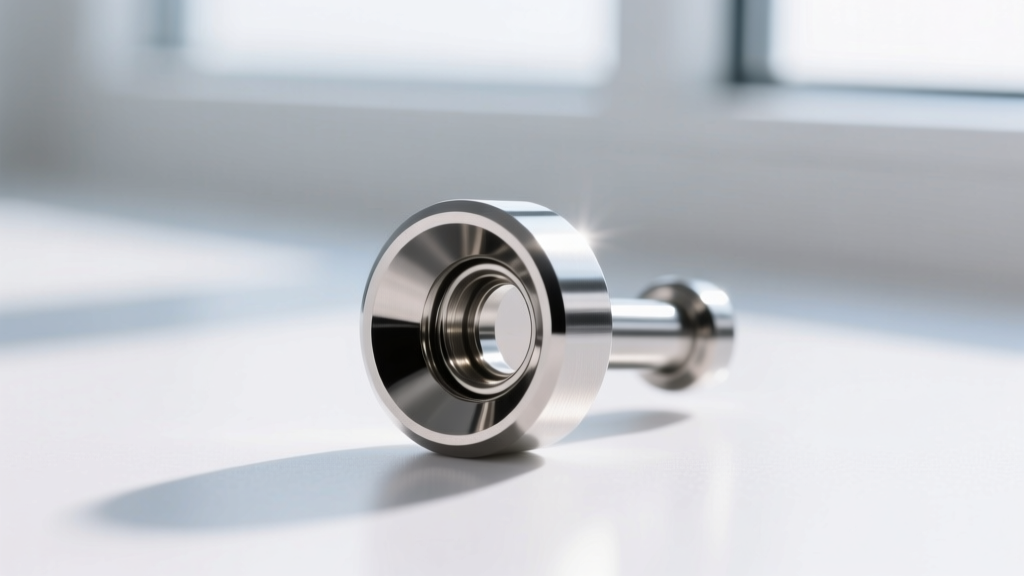
Gauge is only half the battle; the material and threading of the earring post are equally critical for lobe health. When shopping for normal lobe earrings, you must look beyond the term "surgical steel." Standard 316L stainless steel contains nickel, which can leach into the tissue and cause severe contact dermatitis, especially in smaller 20G holes where the metal-to-tissue ratio is highly concentrated.
For the ultimate in biocompatibility, look for jewelry certified as ASTM F-136 implant-grade titanium. This specific alloy is completely nickel-free and is the exact same metal used in surgical joint replacements. Additionally, pay attention to the threading. Externally threaded earrings (where the screw is on the post) act like a file, scraping and tearing the delicate fistula (the skin tube inside the piercing) every time you insert them. Always opt for internally threaded or threadless (push-pin) designs, where the post is perfectly smooth and glides through the lobe without causing micro-trauma.
Expert Troubleshooting Tip: If your 18G lobe piercing feels tight or "shrinks" when you leave it empty for a few hours, do not force a standard earring back in. The fistula is contracting. Apply a drop of sterile saline and gently massage the lobe to encourage tissue elasticity before attempting insertion with a taper.
Final Thoughts on Lobe Sizing
Ultimately, what gauge is a normal lobe earring depends on your priorities. If you are buying cheap, lightweight fashion jewelry for a few hours of wear, 20G or 18G is the commercial standard. However, if you view your piercings as a long-term investment and want to wear high-end, heavy, or custom jewelry safely, 16G and 14G are the true standards of excellence. By understanding the mechanics of wire gauges, respecting the cheese-cutter effect, and choosing implant-grade materials, you ensure your lobes remain healthy, stable, and ready to showcase your favorite pieces for decades to come.


