Gifting Earrings: Occasion Guide & How to Take Out an Earring
Discover the ultimate earring gift guide for every occasion, plus expert troubleshooting on how to take out an earring safely without damage.

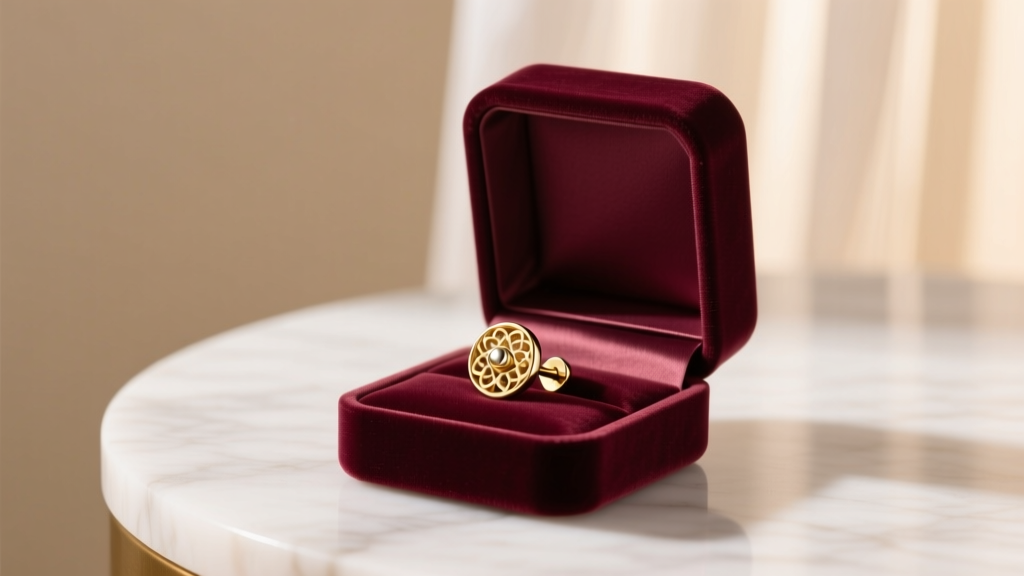
Gifting fine body jewelry is an intimate gesture that requires more than just an eye for aesthetics; it demands a deep understanding of the recipient's anatomy, lifestyle, and piercing history. As we navigate the jewelry landscape of 2026, the shift toward high-quality, anatomically correct pieces means that the days of gifting generic, one-size-fits-all mall kiosk earrings are over. Whether you are shopping for a milestone anniversary, a graduation, or a personal treat, selecting the right metal grade and clasp mechanism is paramount.
However, a common hurdle arises after the gift is opened. High-end body jewelry prioritizes security and comfort, often utilizing complex clasps that can baffle the uninitiated. If you or your gift recipient are struggling with a stubborn piece of jewelry, knowing how to take out an earring without causing tissue trauma or damaging the jewelry is an essential skill. This guide bridges the gap between occasion-based gifting and practical, expert-level jewelry maintenance.
The 2026 Earring Gift Guide: Matching Occasions to Piercings
When selecting a gift, consider the healing status of the recipient's piercings and the environments they frequent. According to the Association of Professional Piercers (APP), jewelry material and design significantly impact long-term tissue health.
Milestone Anniversaries: Threadless Flat-Back Labrets
For significant anniversaries or birthdays, threadless flat-back labrets from premium brands like BVLA or Maria Tash are the gold standard. These pieces feature a decorative front with a slightly bent pin that pushes into a hollow post, creating a secure tension fit. They are ideal for helix, conch, and tragus piercings because the flat back prevents hair snagging and ensures comfortable sleep. When gifting, opt for 14k or 18k solid, nickel-free gold or ASTM F-136 implant-grade titanium.
Graduations & Professional Leaps: Seamless Clicker Hoops
A new graduate entering the corporate world needs versatile, low-profile jewelry. Hinged segment rings (clickers) in 16-gauge or 18-gauge offer a seamless look that is appropriate for both boardrooms and evening events. The hinged mechanism clicks securely into place, eliminating the risk of losing the jewelry during busy commutes. Look for designs with subtle pavé diamonds or minimalist gold beads to maintain a professional yet stylish aesthetic.
The Giver’s Checklist: Gauge, Material, and Anatomy
Before making a purchase, you must know the recipient's exact gauge and post length requirements. Guessing can lead to rejected gifts or, worse, tissue irritation.
| Piercing Location | Standard Gauge | Common Post/Hoop Size | Recommended Material |
|---|---|---|---|
| Standard Lobe | 18g (1.0mm) or 16g (1.2mm) | 6mm - 8mm post / 10mm hoop | 14k Gold, Titanium |
| Helix / Cartilage | 16g (1.2mm) | 6mm - 7mm post / 8mm hoop | ASTM F-136 Titanium |
| Conch | 16g (1.2mm) or 14g (1.6mm) | 6mm - 8mm post | 14k Gold, Titanium |
| Tragus | 16g (1.2mm) | 5mm - 6mm post | ASTM F-136 Titanium |
Pro-Tip for Givers: Never gift externally threaded jewelry (where the screw is on the post that passes through the skin). This outdated design causes micro-tears in the fistula during insertion and removal. Always choose internally threaded or threadless options.
Troubleshooting: How to Take Out an Earring Safely
You have selected the perfect piece, but high-quality jewelry is engineered to stay put. If the recipient needs to downsize, clean the piercing, or switch styles, they must know how to take out an earring properly. The golden rule of jewelry removal is never use bare hands. Skin oils and natural moisture cause fingers to slip, leading to pinched skin or dropped gems.
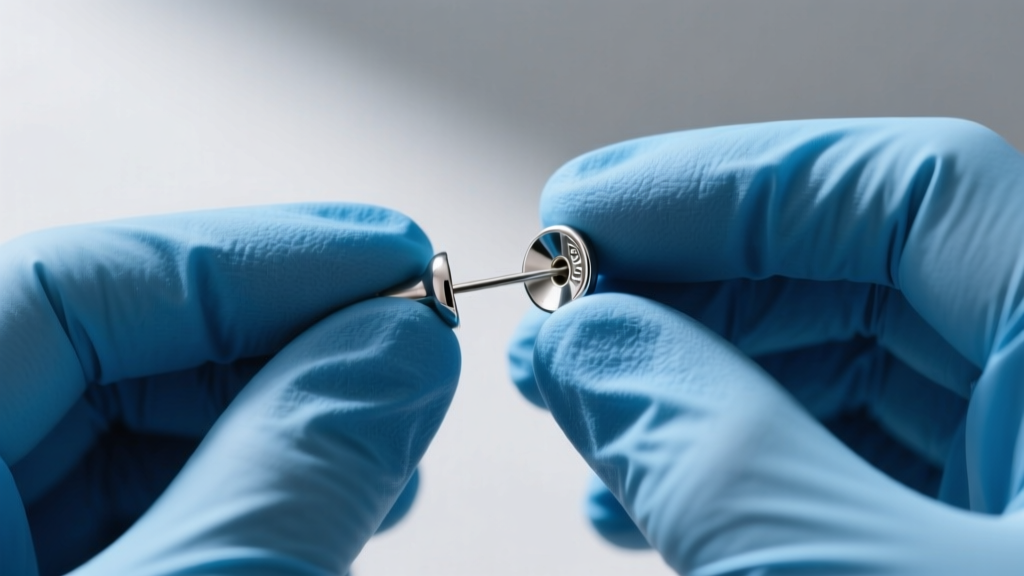
Scenario 1: Removing Threadless (Push-Pin) Jewelry
Threadless jewelry relies on the tension of a bent pin inside a hollow post. To remove it:
- Prep: Wash your hands and put on a pair of clean, powder-free nitrile gloves. The rubber grip is a game-changer.
- Grip: With one hand, firmly grasp the flat-back disc behind the ear. With the other hand, grip the decorative front gem.
- Action: Do not just pull straight out. Apply a slight twisting motion while pulling the two pieces apart. The tension will release, and the pin will slide out smoothly.
Scenario 2: Stuck Internally Threaded Flat-Backs
Internally threaded jewelry screws together. Over time, natural body oils and dead skin cells can act like cement in the threads.
- The Warm Compress: If the jewelry won't budge, soak a clean gauze pad in warm sterile saline and hold it against the jewelry for 3-5 minutes. This dissolves the biological "glue" locking the threads.
- The Technique: Grip the back disc securely. Turn the front gem counter-clockwise (lefty-loosey). If your fingers slip, use the nitrile glove trick or wrap a small piece of medical tape around the gem for extra traction.
- Warning: Never use metal pliers. They will crush the gem setting and scratch the gold or titanium finish.
Scenario 3: Unclasping Hinged Segment Rings (Clickers)
Clickers are popular for daith, rook, and helix piercings. The hinge is delicate and requires a specific angle to open.
- Locate the tiny seam where the ring closes.
- Place your thumbnail on the segment side (the piece that moves) and your index finger on the hinge side.
- Gently push the segment away from the hinge. Do not pull the two ends horizontally apart, as this will warp the hinge mechanism and ruin the seamless click.
Post-Gift Care: Keeping the Piercing Healthy
Once the jewelry is successfully removed, proper aftercare is essential before reinsertion or swapping to a new piece. The Mayo Clinic emphasizes that gentle, non-irritating cleaning methods are vital for maintaining the integrity of the piercing channel.
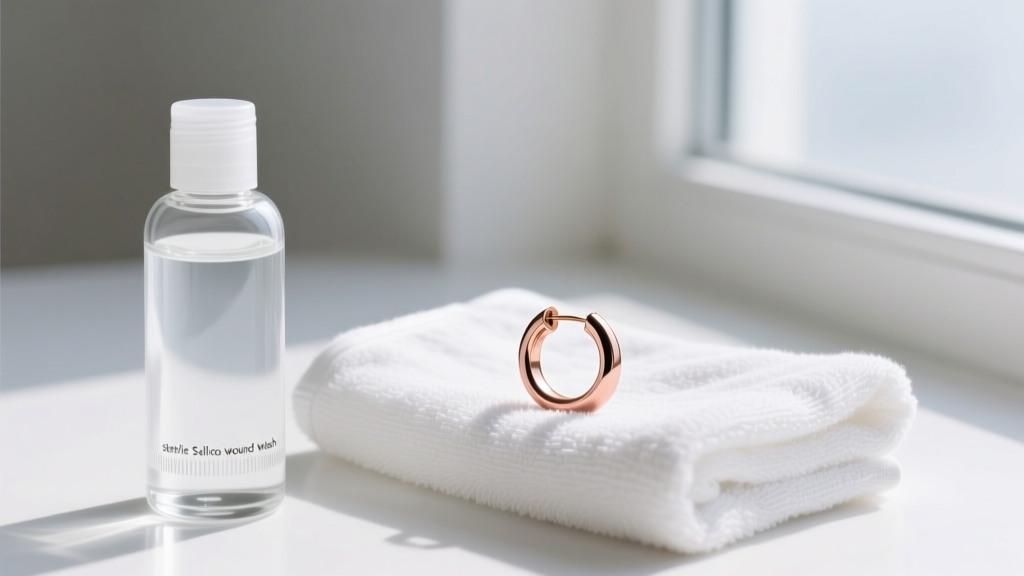
Always spray the piercing and the jewelry with a sterile, preservative-free 0.9% sodium chloride wound wash. Avoid harsh chemicals like rubbing alcohol or hydrogen peroxide, which destroy the delicate new cells forming in the fistula. If the recipient is swapping jewelry, ensure the new piece is also sterilized or washed with mild, fragrance-free soap before insertion.
Final Thoughts on Gifting Body Jewelry
Gifting earrings in 2026 is about merging luxury with anatomical mindfulness. By selecting the correct gauge, prioritizing implant-grade materials, and understanding the mechanics of modern clasps, you are giving a gift that is both beautiful and functional. More importantly, by sharing the knowledge of how to take out an earring safely, you empower the recipient to enjoy their new jewelry without the frustration of stubborn clasps or the risk of tissue damage. When in doubt, a gift card to a reputable, APP-certified piercing studio remains a foolproof option, allowing the recipient to choose their perfect piece with professional guidance.


