Best Earring Backs for Sleeping: A Material Comparison Guide
Discover the best earring backs for sleeping. Compare implant-grade titanium, gold, and silicone for ultimate comfort and hypoallergenic overnight wear.

The Biomechanics of Overnight Ear Jewelry
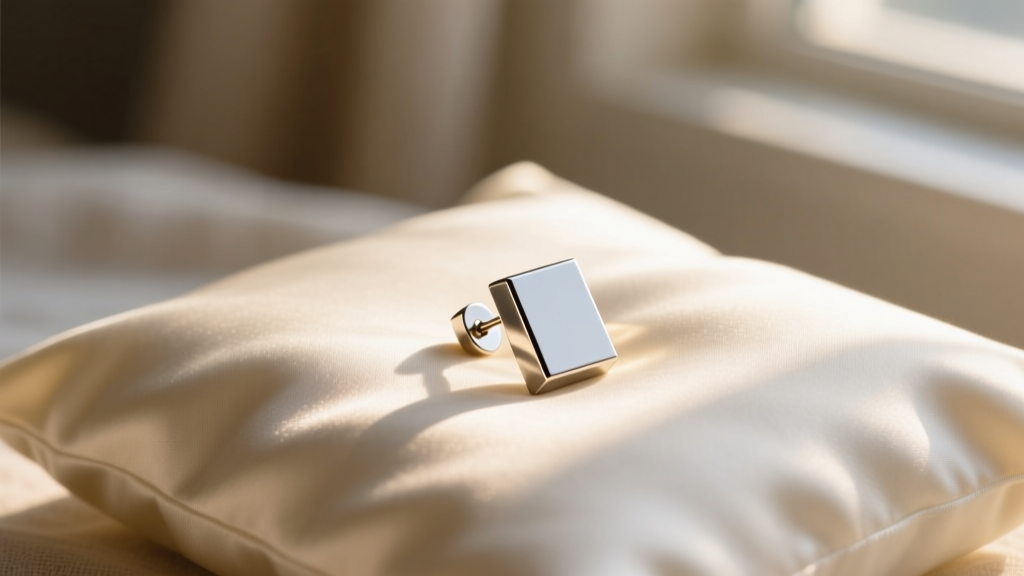
When evaluating the best earring backs for sleeping, most consumers focus solely on the aesthetic of the front-facing gem or metalwork. However, the earring back is the critical point of contact that dictates tissue health, comfort, and healing progression. During sleep, the ear is subjected to prolonged lateral pressure, friction against textiles, and localized heat. This environment can rapidly accelerate allergic contact dermatitis, cause pressure necrosis, or lead to the embedding of poorly designed jewelry backs into the earlobe or cartilage.
Choosing the right earring backs for sleeping involves balancing biocompatibility with mechanical security. The wrong material can trap moisture and bacteria against the fistula (the piercing channel), while the wrong design can act as a localized pressure point. According to the Association of Professional Piercers (APP), the surface finish and material grade of jewelry worn for extended periods—especially during the vulnerable hours of sleep—are paramount to preventing chronic irritation and infection.
Material Showdown: Biocompatibility Under Pressure
The material of your earring back dictates how your skin reacts to prolonged, pressurized contact. Let us break down the metallurgical and polymer properties of the most common options.
Implant-Grade Titanium (ASTM F136)
Implant-grade titanium, specifically designated as ASTM F136 (Ti-6Al-4V ELI), is the undisputed gold standard for sleep-friendly earring backs. Unlike commercially pure titanium (ASTM F67), which is softer and more prone to microscopic scratching that can harbor biofilm, F136 is an alloy that can be polished to a mirror finish. This ultra-smooth surface prevents bacteria and dead skin cells from accumulating against the earlobe overnight. Furthermore, F136 titanium contains zero nickel, making it completely immune to triggering the nickel allergies that affect roughly 18% of the population, as noted by the Mayo Clinic.
Solid Gold Alloys (14k vs. 18k)
Solid gold is a classic choice, but its suitability for sleeping depends heavily on the alloy composition. Pure 24k gold is too soft for earring backs and will easily deform under the weight of a sleeping head. Therefore, 14k and 18k gold are used. Yellow and rose gold alloys are generally safe for overnight wear, provided they are alloyed with copper, silver, or palladium. However, white gold is a frequent culprit for overnight contact dermatitis. Many commercial white gold alloys utilize nickel to achieve their silver color, and the rhodium plating used to mask the yellow undertones wears off over time, exposing the skin to nickel salts during sleep. If choosing gold earring backs for sleeping, always verify that the alloy is nickel-free.
The Polymer Trap: Silicone and Acrylic
Silicone earring backs are heavily marketed for their softness and grip, but they are fundamentally flawed for long-term overnight wear. Silicone and acrylic are porous materials. Under a microscope, their surfaces resemble a sponge, trapping sebum, sweat, and bacteria. When pressed against a warm earlobe for eight hours, these polymers create an anaerobic incubator for pathogens. While silicone O-rings might be acceptable for a few hours of daytime wear to prevent an earring from slipping out, they should never be used as primary earring backs for sleeping, particularly in healing or sensitive piercings.
Design Profiles: Flat Backs vs. Butterfly Clutches
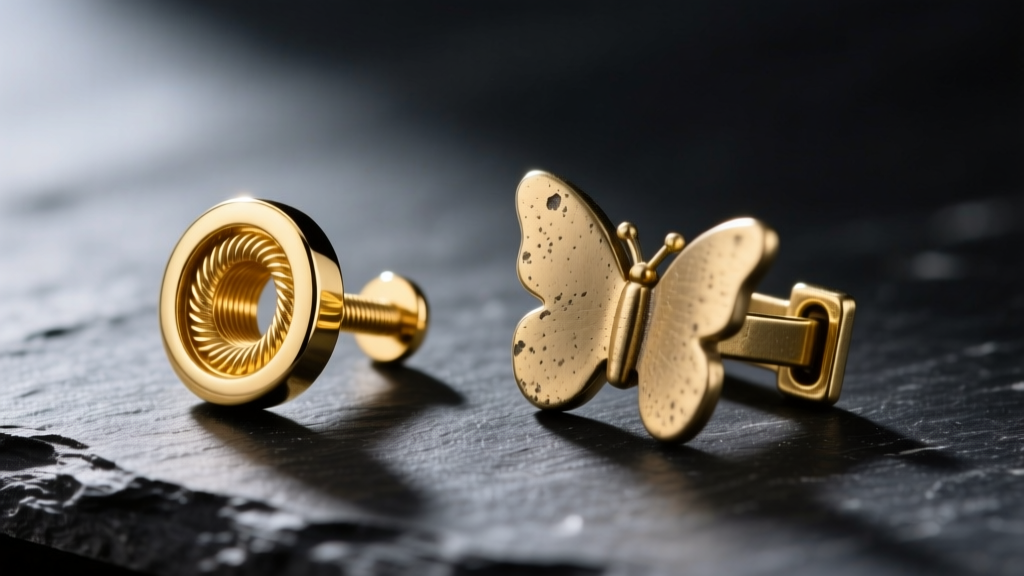
Beyond material, the physical architecture of the earring back determines its sleep-comfort score. The traditional butterfly clutch, while ubiquitous, is a mechanical disaster for side-sleepers.
| Design Type | Material Compatibility | Sleep Comfort | Best Use Case |
|---|---|---|---|
| Flat Back (Labret) | Titanium, Gold | Excellent | Cartilage, Helix, Conch, Lobes |
| Butterfly Clutch | Gold, Brass, Steel | Poor | Daytime lobe wear only |
| Screw-Back | Gold, Platinum | Moderate | Secure daytime wear, children |
| Silicone O-Ring | Silicone Polymer | Moderate | Temporary security, not for sleep |
The flat back design, often referred to as a labret post, features a completely flush, low-profile disc that sits parallel to the skin. When you sleep on your side, the pressure is distributed evenly across the disc's surface area, eliminating the sharp pressure points caused by the prongs of a butterfly clutch. For cartilage piercings like the helix or conch, flat back titanium earrings are mandatory to prevent the development of irritation bumps caused by uneven pressure.
Gauge, Length, and Threading Mechanics
Selecting the correct dimensions is just as critical as the material. An earring post that is too long will snag on pillowcases, while one that is too short will compress the tissue, restricting blood flow and causing necrosis.
- Standard Lobe (Healed): 18g or 16g thickness with a 6mm (1/4 inch) post length is ideal for flat backs. This allows the disc to sit flush without pressing into the tissue.
- Cartilage (Healed): 16g or 14g thickness with a 6mm to 8mm post length, depending on the thickness of the ear anatomy.
- Fresh/Swollen Piercings: Require 8mm to 10mm posts to accommodate nocturnal swelling. Sleeping in a post that is too short during the inflammatory phase will result in the back embedding into the skin.
Furthermore, the threading mechanism plays a vital role in tissue health. Externally threaded posts (where the screw pattern is on the post itself) act like a cheese grater when pushed through the fistula, causing micro-tears that become inflamed overnight. The American Academy of Dermatology and professional piercers universally recommend internally threaded or threadless (push-pin) jewelry. Threadless jewelry uses a slight bend in the pin to create tension against the inside of the post, offering unparalleled security against snagging on bedding while maintaining a perfectly smooth post surface.
Troubleshooting Common Overnight Complications
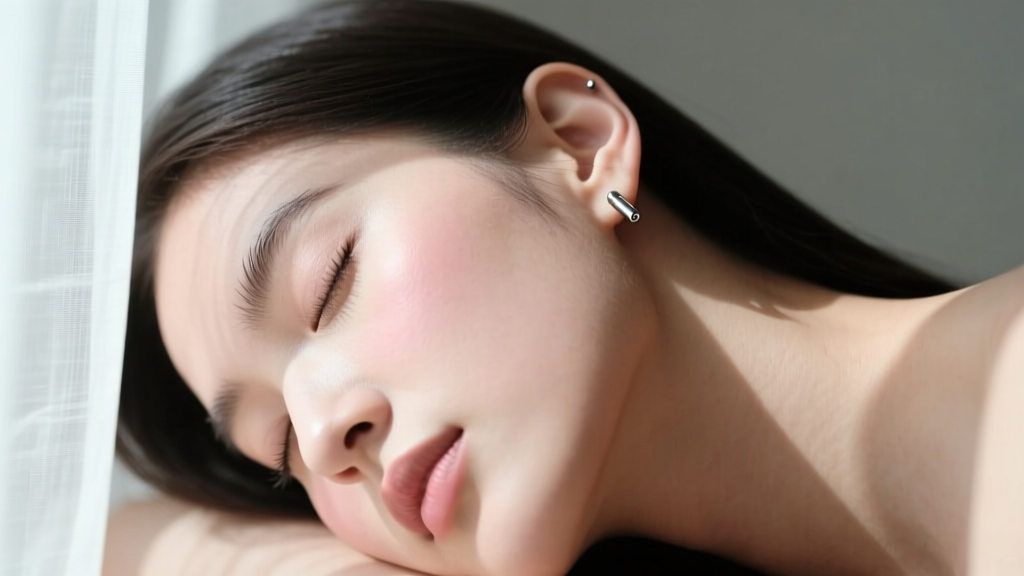
Even with the best materials, sleep environments can introduce variables that irritate piercings. Here is how to troubleshoot the most frequent issues:
1. The Embedded Back
If you wake up and the flat back or clutch has sunk into the earlobe, the post is too short, or you are experiencing localized edema (swelling). Do not attempt to forcefully rip the earring out. Apply a warm saline compress to the area to encourage vasodilation and reduce swelling, then gently unscrew or pull the front piece. Upgrade to a longer post immediately.
2. Nocturnal Crusting and Sebum Buildup
It is normal for the body to expel lymph and sebum, which dries into crusties around the earring back. Avoid picking at these crusties dry, as this tears the delicate fistula lining. Instead, spray a sterile 0.9% sodium chloride wound wash directly onto the back of the earring before bed and upon waking to soften the debris, allowing it to wipe away cleanly with a non-woven gauze pad.
3. Friction Burn from Textiles
Cotton pillowcases, while breathable, possess a high coefficient of friction. If you are a restless sleeper, the constant dragging of cotton against your earring backs can cause mechanical irritation. Switching to a 100% mulberry silk pillowcase (minimum 22 momme weight) drastically reduces surface friction, allowing the ear to glide smoothly against the fabric without catching on the jewelry.
Final Verdict: Building Your Sleep-Safe Jewelry Wardrobe
When optimizing your jewelry for overnight wear, the data is clear: ditch the butterfly clutches and porous polymers. The ultimate earring backs for sleeping are internally threaded or threadless flat backs crafted from ASTM F136 implant-grade titanium or nickel-free 14k/18k solid gold. By prioritizing a flush-fitting design, precise post lengths, and mirror-polished biocompatible metals, you transform your sleep from a source of piercing trauma into a period of uninterrupted tissue rest and recovery. Invest in high-quality, sleep-specific jewelry, and your piercings will reward you with lasting health and comfort.


